A good Indian celebration menu example should feel abundant when it reaches the table, not overwhelming before anyone has taken a bite. The best spreads have contrast: something crisp from the tandoor, a bright starter, one comforting curry, one richer centerpiece, fragrant rice, warm bread, and a dessert that gives the meal a proper finish. For a birthday dinner, family gathering, or relaxed evening with friends, the aim is generosity with balance.
For 12 guests, this menu is designed to offer real choice without ordering so many dishes that flavors blur together or food goes to waste. It also makes room for vegetarian, vegan, and gluten-free diners from the start, rather than treating dietary needs as an afterthought.
An Indian Celebration Menu Example That Feels Generous
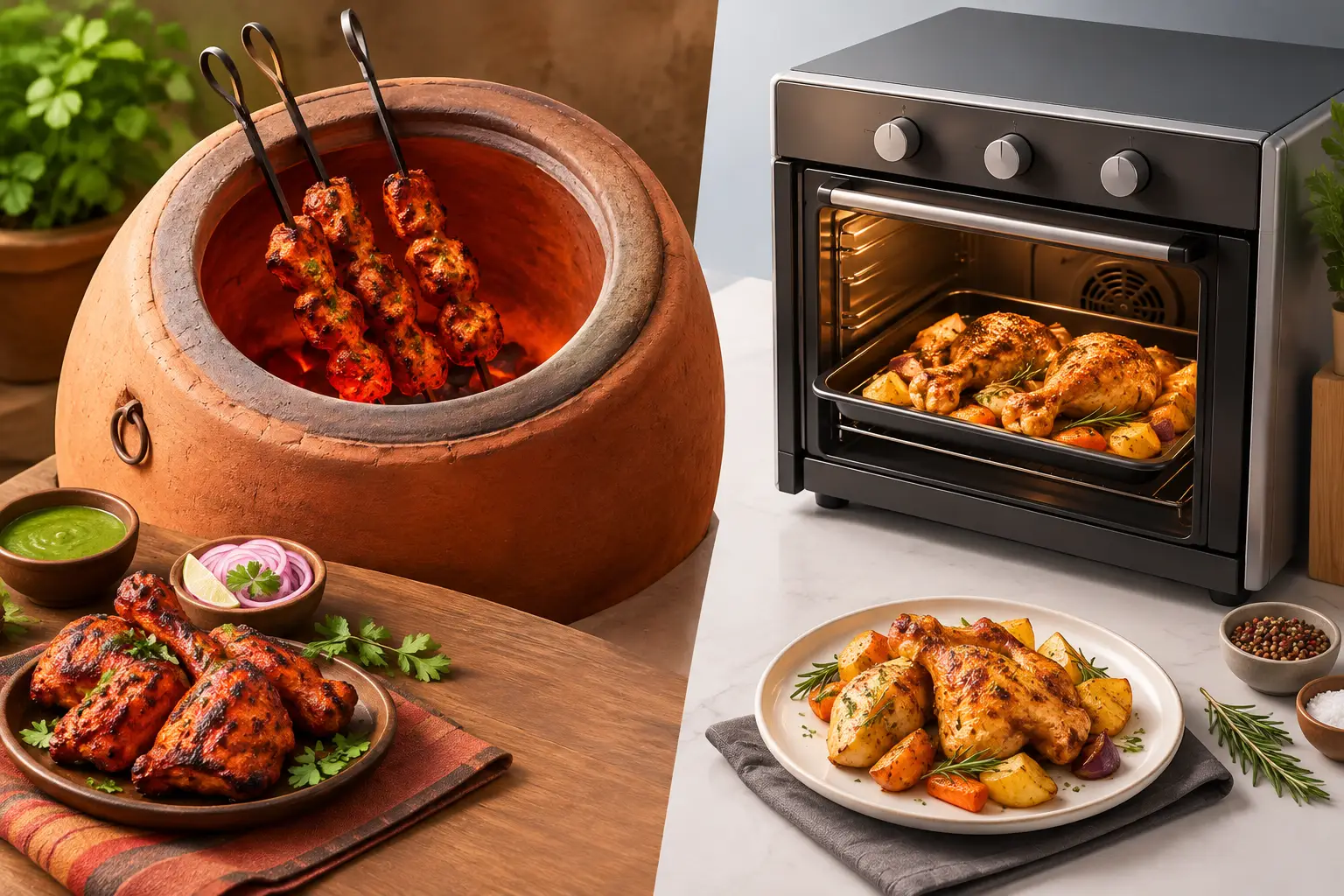
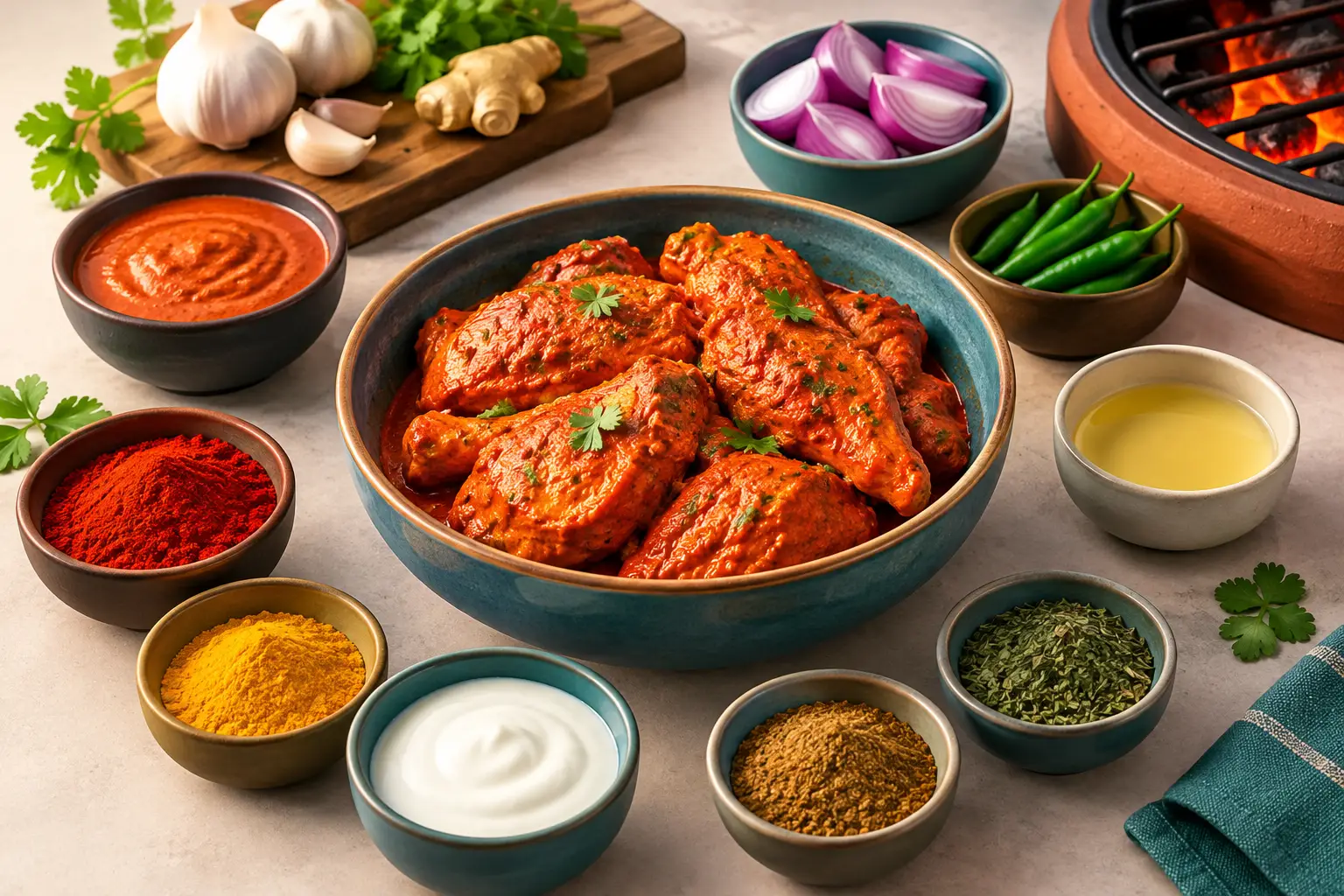
Begin with two starters that arrive with different textures and spice profiles. Choose tandoori chicken tikka for its smoky, charred edges and tender, yogurt-marinated meat. Pair it with vegetable samosas or crisp onion bhajis for a vegetarian option with a familiar, satisfying crunch. A fresh mint chutney and tangy tamarind sauce bring lift to both.
For the mains, serve four dishes: two meat-based, one vegetarian, and one vegan. This gives guests choice while keeping the table cohesive.
A beautifully balanced selection could include chicken tikka masala, lamb rogan josh, palak paneer, and a vegetable curry or chana masala. Chicken tikka masala brings gentle warmth and a creamy tomato-based sauce that suits almost every palate. Lamb rogan josh offers deeper spice and slow-cooked richness for guests who prefer a bolder dish. Palak paneer adds a velvety spinach element, while a chickpea or mixed vegetable curry gives vegan diners a substantial main rather than simply a side dish.
Round out the menu with basmati rice, vegetable biryani, plain naan, garlic naan, and a cooling cucumber raita. If several guests are gluten-free, make rice and naturally gluten-free curries the foundation of the meal, then order bread as an optional extra. That small decision helps everyone eat comfortably without making the menu feel restricted.
For dessert, keep it simple and celebratory. Gulab jamun is a classic choice for those who enjoy something sweet and syrupy, while mango kulfi brings a cooler, creamier finish. Offering both is ideal for a larger group because they feel distinct rather than repetitive.
The Menu at a Glance
For a party of 12, consider this practical order:
- 3 portions of tandoori chicken tikka
- 3 portions of vegetable samosas or onion bhajis
- 2 chicken tikka masalas
- 2 lamb rogan joshes
- 2 palak paneers
- 2 chana masalas or mixed vegetable curries
- 3 basmati rices and 2 vegetable biryanis
- 8 to 10 naans, split between plain and garlic
- 2 cucumber raitas, plus chutneys and pickles
- 12 desserts, split between gulab jamun and mango kulfi
This is a generous amount for a dinner party where the food is the main event. If you are serving drinks, canapés, birthday cake, or a larger dessert table, you can reduce the starters slightly. If your guests are especially enthusiastic about Indian food, keep the menu as written and expect very welcome leftovers the next day.
Why Balance Matters More Than Ordering Everything
Celebration menus can quickly become too rich if every main is creamy, buttery, or intensely spiced. The answer is not to make the food bland. It is to give each dish a role.
A tomato-based chicken curry works well beside a darker lamb curry because the sauces offer different depths. Spinach paneer creates a mellow, earthy contrast, while chickpeas or vegetables provide texture and freshness. Rice absorbs sauces and makes the meal filling; naan is perfect for sharing and scooping, but too much bread can leave guests full before they have sampled the mains.
Heat should be considered in the same way. For mixed groups, choose mostly mild to medium dishes and add one hotter option for guests who enjoy more chili. A spicy vindaloo or chili chicken can be a welcome addition, but it should not be the only dish with real character. Good Indian cooking gets its depth from toasted spices, ginger, garlic, herbs, and slow-simmered sauces, not simply from heat.
Make Dietary Choices Part of the Celebration
The most thoughtful hosts do not separate diners into categories at the table. Instead, they choose dishes everyone genuinely wants to try. A fragrant vegetable biryani, creamy dal, charred tandoori vegetables, and chickpea curry belong on a celebration menu because they are delicious, not because they are substitutes.
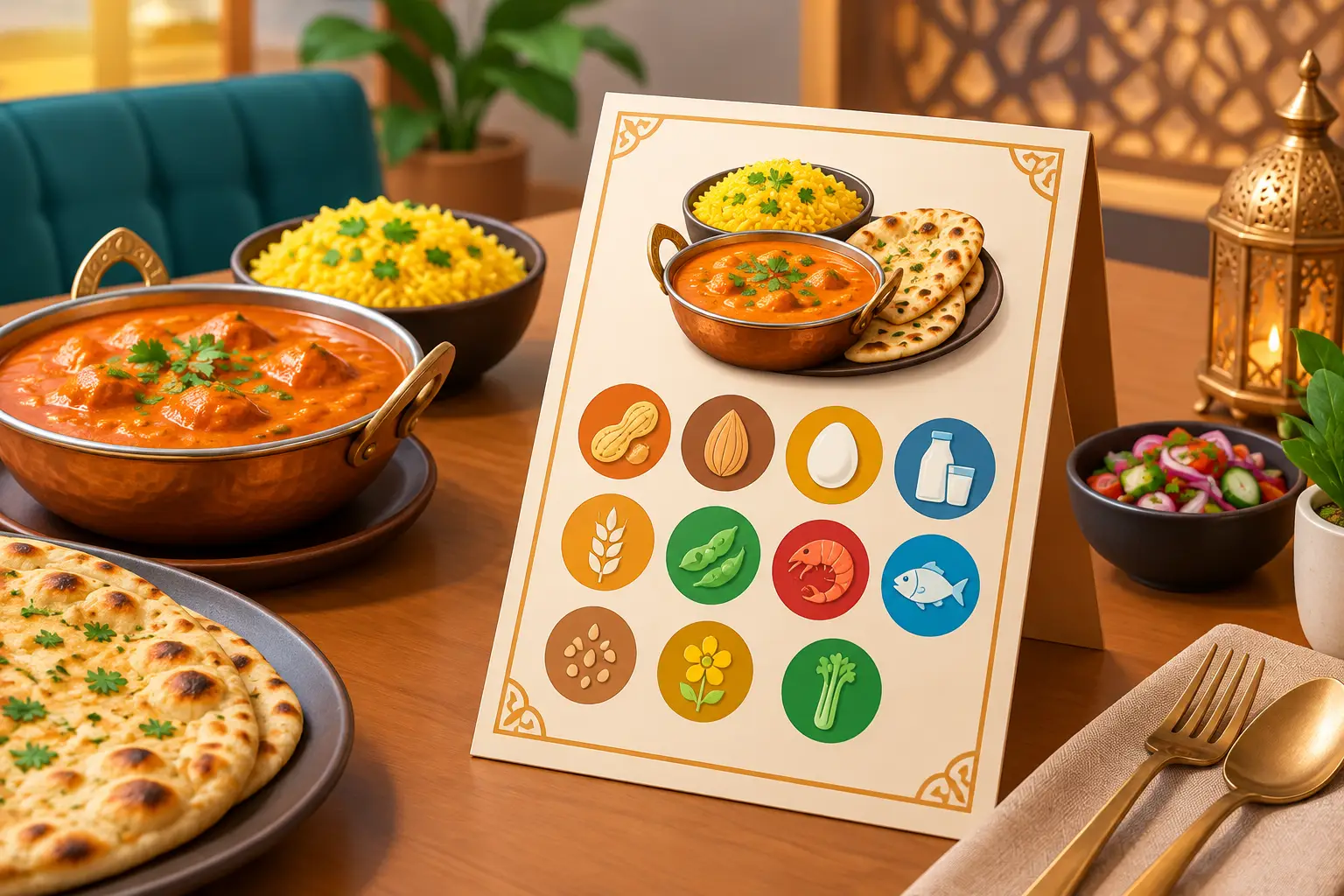
For vegan guests, confirm that breads, starters, and sauces do not contain dairy, ghee, or yogurt. For gluten-free guests, ask about marinades, thickeners, and possible kitchen cross-contact where relevant. Naturally gluten-free choices often include rice, many lentil dishes, tandoori proteins, and vegetable curries, but recipes vary. Clear communication before ordering means everyone can relax when the food arrives.
At Cilantro London, a made-to-order approach makes it easier to build a menu around different needs while keeping the meal full of authentic flavor. This matters particularly for celebrations, where no guest should be left choosing between a plain side dish and going hungry.
A Lighter Approach Still Feels Festive
A celebration meal does not need to leave everyone feeling weighed down. Choose a mix of grilled dishes, vegetable-forward curries, and sauces with bright tomato, spinach, or lentil bases. Include raita, salad, and chutneys to cut through richer flavors. These details create a more rounded meal than a table filled only with cream-based curries and fried starters.
That does not mean avoiding indulgence. A tender lamb curry, garlic naan, or a warm gulab jamun can be exactly right for the occasion. The difference is proportion. When richer dishes are placed beside fresher, lighter options, each one tastes better and guests can enjoy the full meal at their own pace.
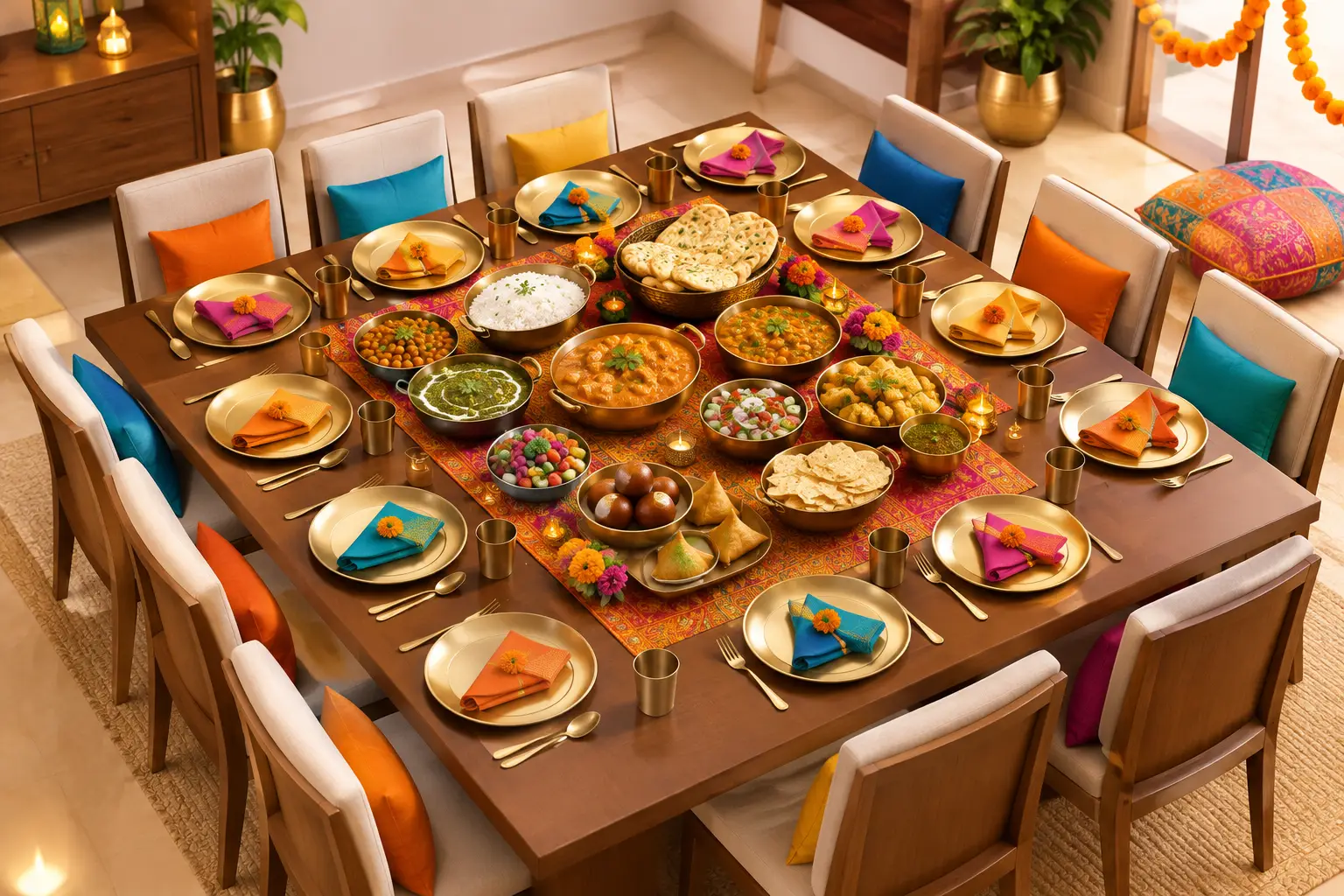
If you are hosting at home, serve the food in the center of the table rather than plating everything individually. Indian food is naturally social: guests can taste, compare, pass dishes around, and return for the curry they loved most. Keep rice covered until serving, warm the plates if possible, and bring starters out first so the table has a relaxed rhythm rather than one large rush of food.
Choosing Between Delivery, Takeaway, and Dining Out
For a home celebration in Putney, Barnes, Richmond, or nearby neighborhoods, delivery gives you the freedom to set the mood yourself. It works especially well for family gatherings, casual birthdays, and evenings when nobody wants to cook or wash up. Order a little ahead of the usual dinner rush, and make sure someone is available to receive the food so hot dishes can be served promptly.
Takeaway is often the best option when timing matters and you want dishes at their freshest possible moment. Dining in, meanwhile, suits celebrations where the host wants to be part of the occasion rather than manage the table. It depends on the atmosphere you want: intimate and personal at home, or polished and effortless in the restaurant.
Whatever you choose, a well-planned menu gives the evening its warmth. Set out the chutneys, open the naan, pour the drinks, and let the aromas do the welcoming. The most memorable celebration meals are not about having every dish on the menu. They are about giving every guest something they are excited to share.