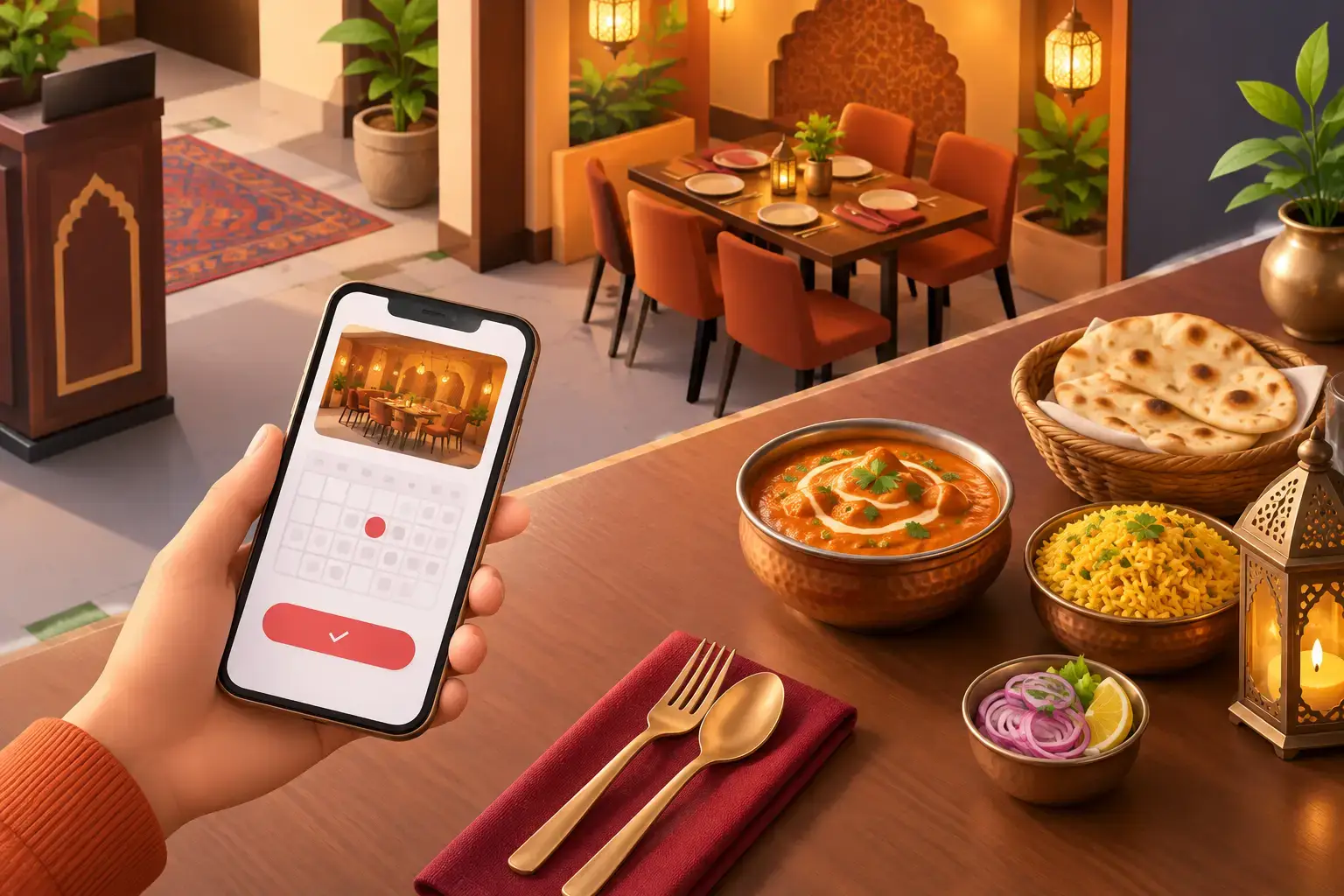
A Friday table can disappear quickly when the week has called for something warmer than another meal at home. This guide to Indian dinner reservations helps you plan the kind of evening that feels easy from the first booking to the last spoonful of dessert: good company, freshly prepared food, and enough time to enjoy both.
Indian dining is naturally made for sharing, lingering, and celebrating. Whether you are arranging a low-key date night, bringing family together, or planning dinner before a local occasion, a little thought before you reserve makes a genuine difference. The best table is not simply the first one available. It is the one that fits your group, your schedule, and the way you want the evening to feel.
Start With the Occasion, Not Just the Time
Dinner reservations are easiest to get right when you begin with the purpose of the meal. A table for two on a weeknight may call for a quieter corner and a relaxed pace. A birthday dinner may need room for cards, gifts, and several dishes arriving for the table at once. For a family meal, convenient seating and a menu with choices for different appetites matter more than formality.
Be clear about the number of guests when you book, including children who will need a seat. If your count may change, say so. Restaurants can often accommodate small adjustments with notice, but a group that unexpectedly grows on a busy evening can affect everyone’s comfort.
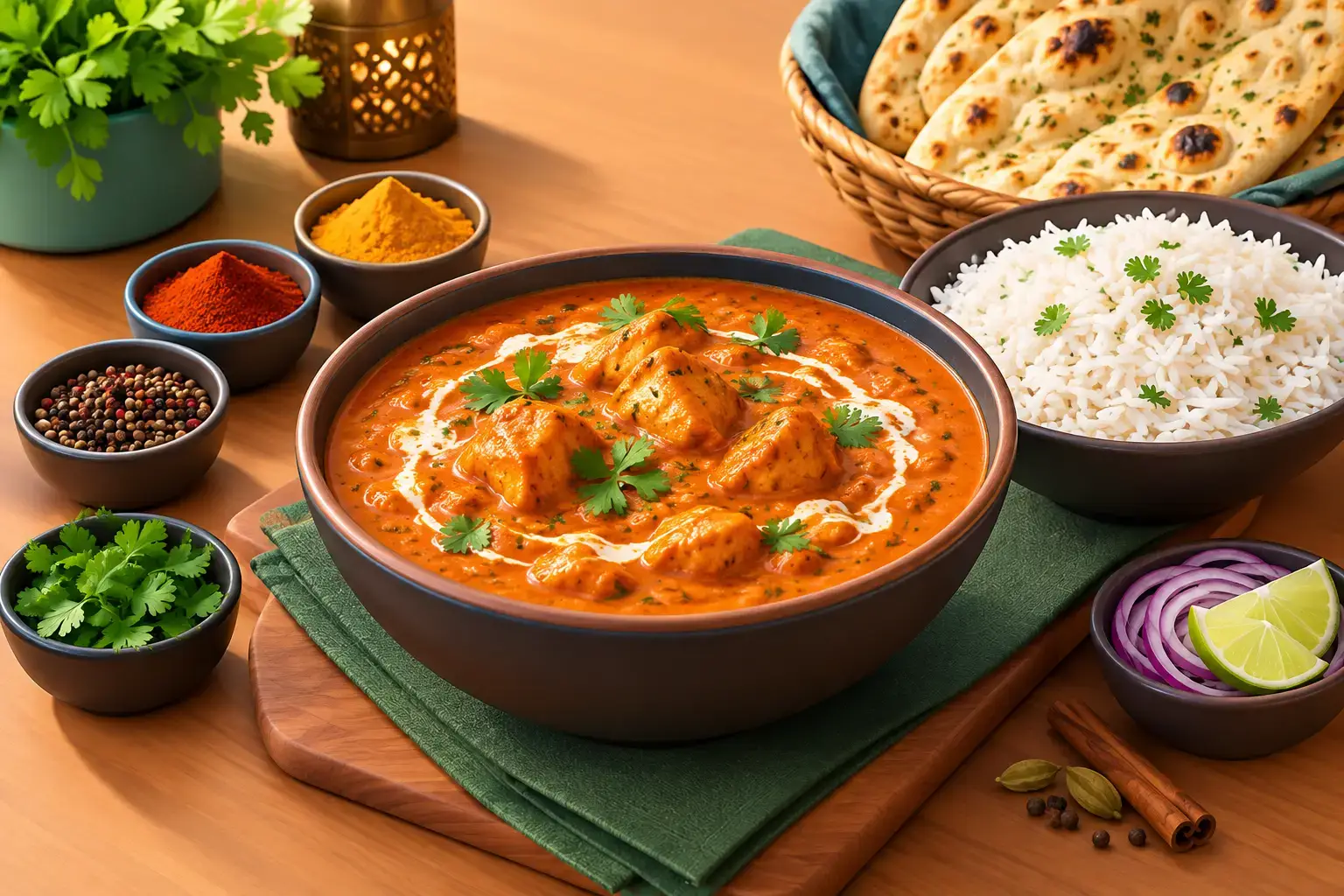
For a polished but welcoming local dinner, consider whether your guests will want to share dishes or order individually. Indian food is particularly generous for a shared table, with tandoori starters, curries, biryani, breads, and sides giving everyone something to try. That works beautifully for groups, though it is worth mentioning if your party has very different dietary requirements.
When to Make Indian Dinner Reservations
For popular Friday and Saturday dinner times, reserving a few days ahead is a sensible approach. If you have your heart set on an earlier table, a later seating, or a particular weekend, booking sooner gives you better choice. Reservations for celebrations, larger parties, or holiday weekends deserve even more notice.
There is no single perfect time, because it depends on the occasion. An early reservation can suit families, guests traveling from Richmond or Wimbledon, and anyone who prefers a quieter dining room. A later table often brings a more social, date-night atmosphere, especially on weekends. Weeknight bookings can offer more flexibility while still feeling like a proper treat.
If plans change, let the restaurant know as early as possible. It is a small courtesy that helps the team prepare fairly for other local diners and gives someone else the chance to enjoy the table. The same applies if you are running late. A quick message is far more useful than arriving well after your reservation time without notice.
For groups, reserve before the guest list is final
A group dinner has more moving parts than a table for two. If you know you are likely to have eight, reserve for eight rather than booking for six and hoping space will appear later. You can ask about the restaurant’s policy for deposits, pre-orders, or final guest numbers, particularly for larger parties.
It is also helpful to choose one person to coordinate. They can confirm the booking, collect dietary details, and make sure the group understands the arrival time. This keeps the occasion focused on catching up rather than sorting logistics at the table.
Share Dietary Needs When You Book
One of the pleasures of Indian cuisine is its range. Thoughtful menus can offer satisfying choices for vegetarians, vegans, and gluten-free diners alongside classic chicken, lamb, seafood, and tandoori dishes. Still, dietary needs should never be treated as an afterthought.
When making a reservation, mention allergies and dietary requirements clearly. An allergy is different from a preference, so use direct language and share the relevant details before you arrive. A restaurant can then advise on suitable dishes and preparation practices. If cross-contact is a serious concern, ask questions when booking rather than waiting until the table is set.
For groups, avoid assuming that one vegetable dish will suit every guest. Vegan, dairy-free, gluten-free, and nut-free needs can involve different ingredients and cooking methods. Giving the restaurant advance notice means your guest can look forward to dinner with confidence, not spend the evening trying to find a last-minute alternative.
At Cilantro London, the focus on made-to-order dishes and lighter, carefully balanced Indian cooking makes advance dietary conversations especially worthwhile. You can enjoy the depth of traditional spices while choosing food that suits the way your group wants to eat.
Choose a Table That Fits the Evening
A reservation is more than a time slot. If seating preferences matter, ask when you book. You may prefer a quieter table for a conversation, space for a stroller, easier access for a guest with mobility needs, or a little more room for a group sharing several dishes. These requests cannot always be guaranteed, especially at peak times, but early communication gives the restaurant the best chance to help.
Think about the rhythm of the evening too. If you are heading to a nearby event, mention that you have a fixed departure time. The team can guide you toward dishes that work well within your schedule. If you are planning to settle in and enjoy a longer catch-up, reserve a time when you are not likely to feel rushed.
For date nights, do not underestimate the value of a simple, well-timed booking. Arriving a few minutes early, ordering a few starters to share, and allowing the meal to unfold at a comfortable pace often feels more special than trying to fit dinner into a narrow gap.
Plan Your Order Without Overplanning It
You do not need to decide every dish before you arrive, but a little familiarity helps, particularly with a larger table. Indian menus can cover a wide range of flavors, from smoky tandoori cooking and fragrant biryani to slow-simmered curries, bright salads, and vegetable-led dishes.
A balanced shared meal usually benefits from contrast. Choose something from the tandoor, one or two richer curries, a lighter vegetable dish, rice or biryani, and breads for the table. If spice preferences vary, ask the server for guidance rather than ordering every dish at the same heat level. A thoughtful meal has variety, not a competition over who can handle the most chili.
This is also where a refined Indian restaurant differs from the old assumption that dinner must be heavy. Fresh ingredients, balanced seasoning, and made-to-order preparation can leave the table satisfied without the overly greasy feeling some people associate with a standard takeaway. If you are booking dinner after work or before a busy weekend, that balance matters.
Ask for guidance, especially with unfamiliar dishes
There is no prize for pretending to know the menu. Tell your server what you enjoy: smoky, creamy, tangy, mild, fiery, vegetarian, or protein-forward. They can suggest dishes that match your preferences and help you build a table that works together.
If someone is new to Indian food, shared starters and a selection of mains are often the most comfortable introduction. They can taste without committing to a single dish, while regular Indian-food fans still get the deeper flavors they came for.
Make the Most of Your Reservation
Arrive close to your reservation time, ideally a few minutes early. This gives your party time to be seated without putting pressure on the next booking. Once you are there, put the logistics away. A dinner reservation should create space for the evening, not become another item to manage.
For special occasions, a brief note when booking can help the restaurant recognize the moment. Keep expectations realistic: a busy service may not allow for elaborate arrangements, but hospitality teams appreciate knowing why the table matters to you.
The best Indian dinner reservations leave room for both planning and spontaneity. Book early when the occasion calls for it, communicate what your guests need, then let the aromas from the kitchen and the conversation across the table do the rest.