
A fragrant curry can look deceptively simple: tomatoes, onions, chilies, spices, and tender vegetables or meat. But are Indian curries dairy free? Some are naturally made without dairy, while others rely on yogurt, cream, butter, ghee, or paneer for their signature richness. The answer depends on the dish, the regional style, and, crucially, how the kitchen prepares it.
For diners avoiding dairy because of an allergy, intolerance, vegan lifestyle, or personal preference, that difference matters. The good news is that Indian cooking offers an exceptional range of dairy-free flavors. Spices, ginger, garlic, toasted cumin, tamarind, coconut, and slow-cooked onions can create plenty of depth without a spoonful of cream.
Are Indian Curries Dairy Free? It Depends on the Recipe
Indian cuisine is not one single style of cooking. It spans many regions, ingredients, and family traditions, so it is never accurate to assume that every curry contains dairy – or that every curry is automatically dairy-free.
Many classic tomato- and onion-based curries can be prepared without milk products. A traditional vegetable curry, lentil dal, chickpea curry, or tangy South Indian-style sauce may be naturally dairy-free when made with oil rather than ghee. Coconut milk and coconut cream are also common in many coastal and southern dishes, delivering a silky texture without dairy.
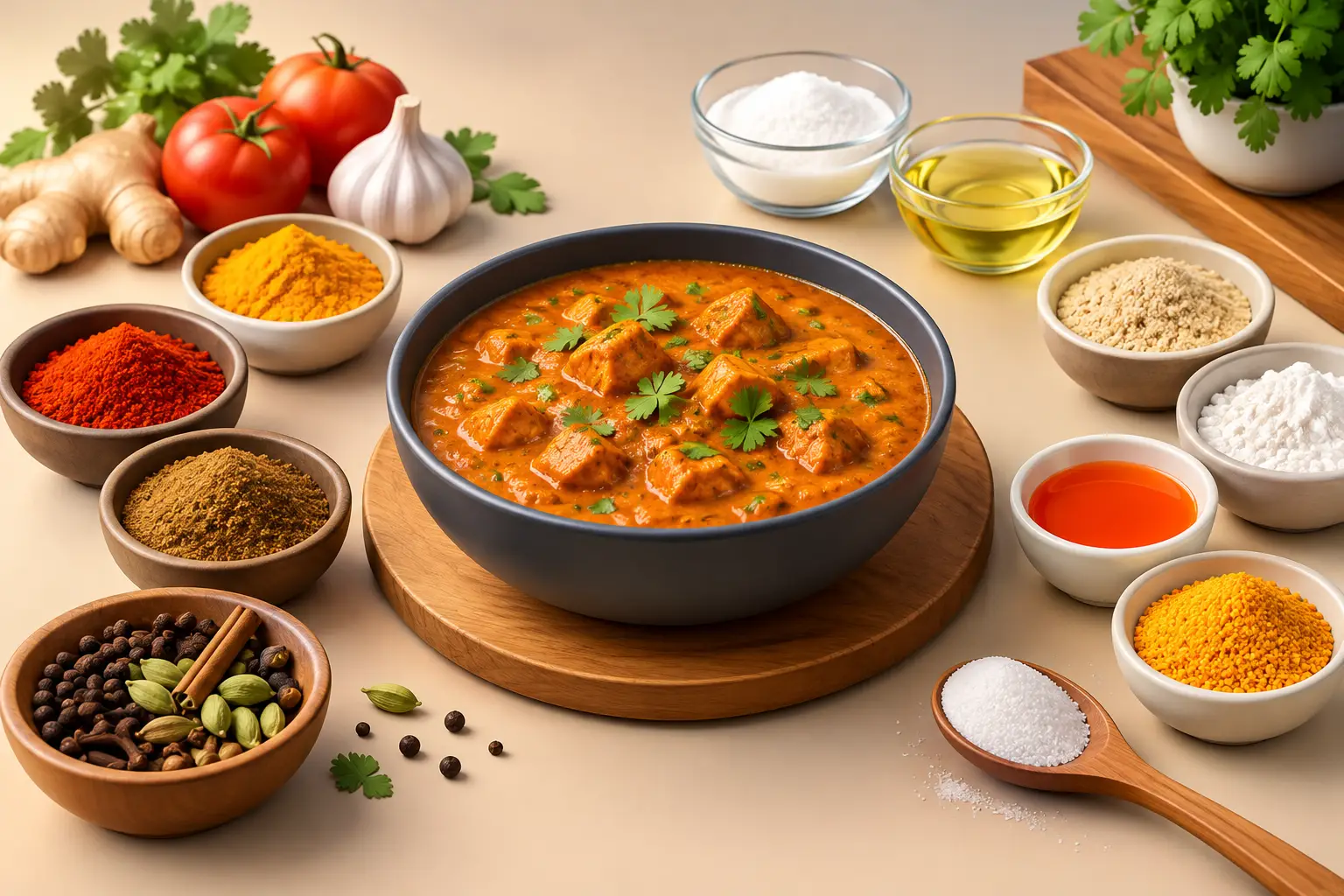
At the same time, several well-known restaurant favorites are usually made with dairy. Butter chicken commonly contains butter and cream. Chicken tikka masala often includes cream, yogurt, or both. Korma sauces may use yogurt, cream, butter, or ground nuts, depending on the recipe. Saag paneer, of course, contains paneer, while some spinach curries are finished with cream or ghee.
The important distinction is between the dish name and the actual preparation. Two restaurants can serve a curry with the same name but use different recipes. Asking before you order is not an inconvenience. It is the most reliable way to enjoy your meal comfortably.
Where Dairy Hides in Indian Food
Dairy is sometimes obvious, as with paneer cubes in a curry or a creamy butter sauce. Other times, it is used in smaller amounts that can still be significant for someone with an allergy or intolerance.
Ghee
Ghee is clarified butter, and it is widely used in Indian cooking for its nutty aroma and rich finish. Because the milk solids are removed, some people with lactose sensitivity may tolerate it better than regular butter. However, ghee is not dairy-free and is not suitable for a dairy allergy or a vegan diet. It may be used to temper lentils, sauté spices, brush breads, or finish rice.
Yogurt
Yogurt is often used to marinate chicken, lamb, or vegetables for tandoori dishes. It can also appear in curry sauces, particularly in milder northern Indian recipes. Yogurt adds tang and helps tenderize proteins, but it means a dish is not dairy-free unless the kitchen uses a plant-based alternative.
Cream and Butter
Cream softens heat and gives sauces a luxurious texture, especially in restaurant-style curries. Butter has a similar effect, adding richness to tomato-based dishes. These ingredients are common in creamy curries, but they are not essential to flavorful Indian cooking. A skilled kitchen can build body through roasted onions, tomatoes, cashews, coconut, or a careful blend of spices.
Paneer and Breads
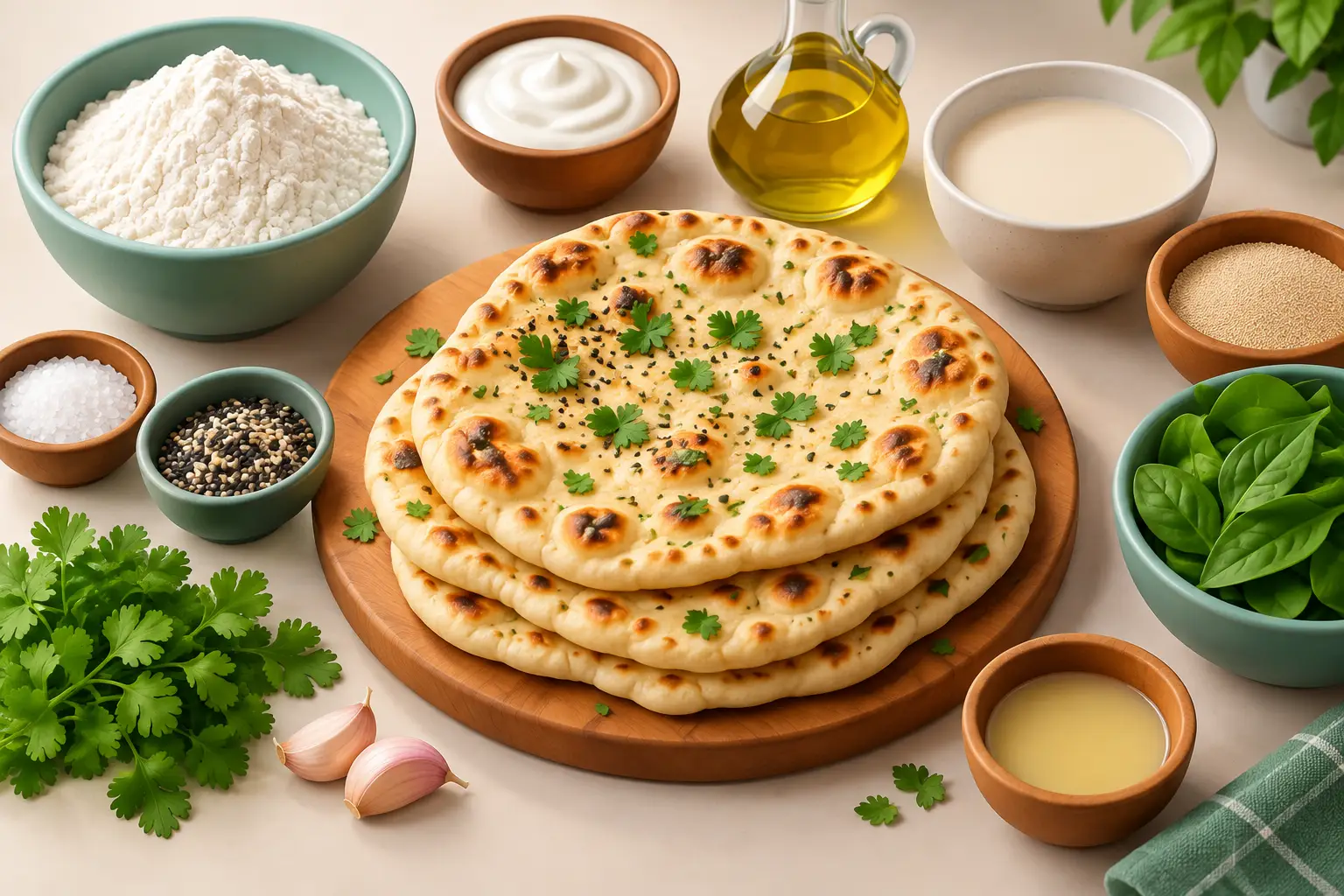
Paneer is a fresh Indian cheese, so any paneer dish contains dairy. Dairy can also appear outside the curry itself. Naan is often brushed with butter or made with yogurt, while stuffed breads may include paneer. Even rice can be finished with ghee. If you need a fully dairy-free meal, ask about the whole order, not just the main dish.
Curries That Are Often Easier to Make Dairy-Free
Certain choices tend to be more straightforward, though the kitchen should always confirm ingredients and preparation. Lentil dal, chana masala, vegetable jalfrezi, aloo gobi, bhindi, and many chickpea or vegetable curries can often be made without dairy. A tomato, onion, ginger, garlic, and spice base has plenty of character on its own.
Tandoori dishes can also be a good option when the marinade is dairy-free or adapted without yogurt. They are cooked at high heat, which brings a smoky, lightly charred flavor without the need for a rich sauce. Pairing a dairy-free grilled dish with salad, plain basmati rice, or a confirmed dairy-free curry can make for a satisfying, lighter meal.
South Indian-inspired dishes featuring coconut are another appealing route. Coconut brings a naturally creamy feel, but it has a distinct flavor, so it is not simply a substitute for dairy in every recipe. For diners who enjoy a gentle sweetness and aromatic spice, it can be a delicious choice.
Be aware that “spicy” does not mean dairy-free, and “vegetarian” does not mean vegan. A mild vegetable korma may contain substantial dairy, while a hot lentil curry may be made entirely with plant-based ingredients. Labels are useful starting points, not guarantees.
How to Order Dairy-Free Indian Food With Confidence
A clear, specific request makes all the difference. Rather than simply saying “no dairy,” explain whether you are avoiding dairy for a preference, vegan diet, intolerance, or allergy. A dairy allergy requires additional care around shared utensils, cooking surfaces, marinades, and garnishes.
Ask whether the curry contains ghee, butter, cream, yogurt, milk, or paneer. If the dish is usually finished with cream or butter, ask whether it can be omitted. It is also sensible to confirm the cooking fat used for rice, vegetables, lentils, and breads.
For takeaway or delivery, include the request in the order notes and call if the information is especially important. Online menus are helpful, but they cannot always capture recipe changes or cross-contact considerations. A quick conversation with the restaurant gives the team an opportunity to guide you toward the safest and most enjoyable choice.
At Cilantro London, made-to-order cooking gives diners more room to discuss dietary preferences with the team. Whether you are planning a relaxed dinner in Putney or arranging a takeaway for the family, it is worth sharing your needs before the order is prepared rather than trying to identify ingredients after the meal arrives.
Dairy-Free Does Not Have to Mean Less Indulgent
There is a lingering idea that dairy-free curry must be thin, less comforting, or somehow missing the point. That is not how thoughtful Indian cooking works. The fullness of a curry can come from patiently caramelized onions, blended tomatoes, ground cashews, coconut, lentils, or a spice mixture layered at different stages of cooking.
The trade-off is flavor profile. Removing cream from a butter-style curry will make it brighter, tangier, and less mellow. Replacing ghee with oil can reduce its buttery aroma. Those changes are real, but they can be delicious in their own right. A well-balanced dairy-free curry should taste purposeful, not like a compromise.
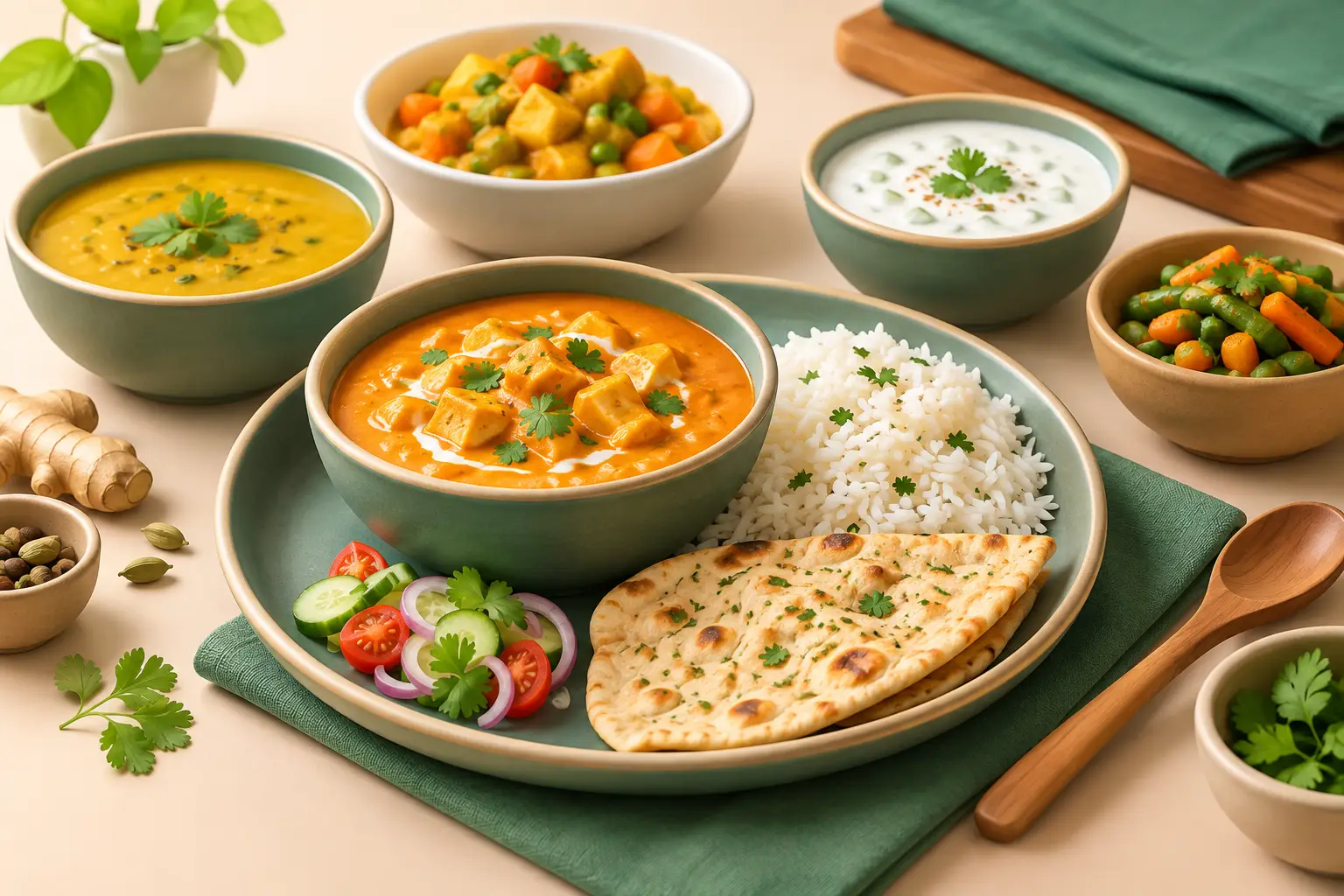
For a lighter meal, choose a tomato-based, lentil, chickpea, or vegetable dish that has been confirmed dairy-free, then add rice and a fresh salad. If you are choosing bread, ask whether a dairy-free option is available. This approach keeps the table generous and flavorful without relying on rich sauces.
Frequently Asked Questions
Is butter chicken dairy-free?
Usually, no. Butter chicken traditionally contains butter and often cream, while the chicken may also be marinated in yogurt. It may be possible for some restaurants to adapt it, but it should never be assumed to be dairy-free.
Is tikka masala dairy-free?
Not usually. Tikka masala sauces often include cream, yogurt, or butter. Recipes vary widely, so ask the restaurant about the specific sauce and marinade.
Is naan dairy-free?
Often it is not. Naan may contain yogurt, milk, butter, or ghee. Some restaurants offer dairy-free flatbread, but confirm how it is made and whether it is brushed with butter after cooking.
Can someone with a dairy allergy eat Indian food?
Yes, but careful communication is essential. Ask about every ingredient, the cooking fat, and possible cross-contact. A restaurant can only help effectively when it understands that the request relates to an allergy rather than a general preference.
A dairy-free Indian meal should still feel generous: aromatic rice, vibrant vegetables, warming spices, and a curry made with care. Choose the conversation as carefully as the dish, and your order can be every bit as comforting as the classic you had in mind.