A fragrant dal, a spoonful of chickpea curry, and warm basmati rice can feel like pure comfort. They can also make a genuinely satisfying plant-based meal. This guide to vegan Indian proteins helps you choose the ingredients that bring substance to the table, then use Indian spices and cooking methods to make every bite feel generous rather than worthy.
Indian food has long offered brilliant answers for people who want more plant-based protein without relying on bland substitutes. Lentils, beans, peas, soy, nuts, seeds, and grains all have a place in the cuisine. The key is not trying to force every dish into a nutrition project. It is building meals with variety, good texture, and the kind of layered flavor that makes you look forward to dinner.
Why Indian Food Works So Well for Vegan Protein
Protein is rarely the difficult part of a well-planned vegan Indian meal. The more common issue is repetition: eating the same lentil soup every day, or choosing a light vegetable curry that tastes wonderful but does not keep you full for long. Indian cooking gives you many ways to change the base ingredient, the spices, the texture, and the accompaniments without losing the feeling of a comforting home-style meal.
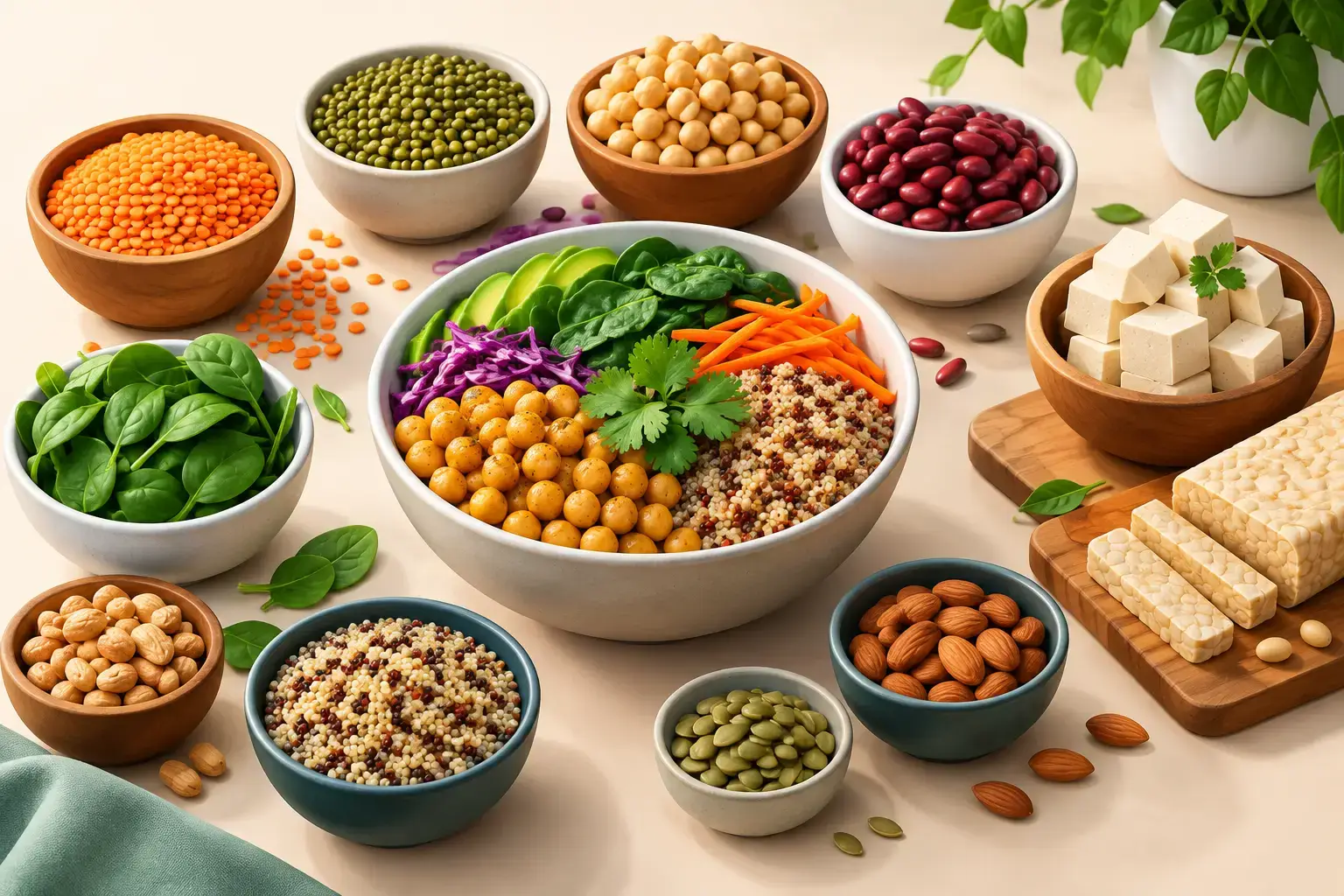
Legumes are the foundation. Red lentils cook quickly into a soft, warming dal, while whole green mung beans, black chickpeas, kidney beans, and black lentils offer more bite. Soy can be equally useful, whether in the form of tofu, tempeh, or soy chunks. Add whole grains, vegetables, and a modest amount of nuts or seeds, and the plate becomes more balanced and satisfying.
You do not need to combine every amino acid perfectly at every meal. Across the day, eating a range of legumes, grains, nuts, seeds, and vegetables provides what your body needs. Still, there is a practical reason that dishes such as dal with rice or chana with roti have endured for generations: they are filling, affordable, and delicious together.
A Guide to Vegan Indian Proteins: The Best Staples
Lentils and dals
Dals are the everyday heroes of vegan Indian cooking. A cup of cooked lentils can provide roughly 15 to 18 grams of protein, depending on the variety and preparation. Masoor dal is quick and mellow, toor dal has a slightly nutty character, and moong dal is light and versatile. Urad dal brings richness and body, especially in slow-cooked dishes.
The real pleasure comes from the tempering. Cumin, mustard seeds, garlic, ginger, curry leaves, dried chilies, and turmeric transform a simple pot of lentils into something deeply aromatic. If you are cooking at home, a little lemon added at the end can brighten the dish without making it heavy.
Chickpeas, beans, and peas
Chickpeas are a reliable choice when you want a fuller, heartier texture. Chana masala, made with chickpeas, tomatoes, onions, ginger, and warming spices, is a classic for good reason. One cooked cup generally provides around 14 to 15 grams of protein, along with plenty of fiber.
Kidney beans in rajma, black-eyed peas in lobia, and black chickpeas in kala chana are equally valuable. These ingredients take well to slow cooking, which allows the spices to settle into the sauce and creates a meal that feels substantial. Pair them with rice, whole-wheat roti, or a grain salad for an easy dinner that travels well as lunch the next day.
Tofu, soy chunks, and tempeh
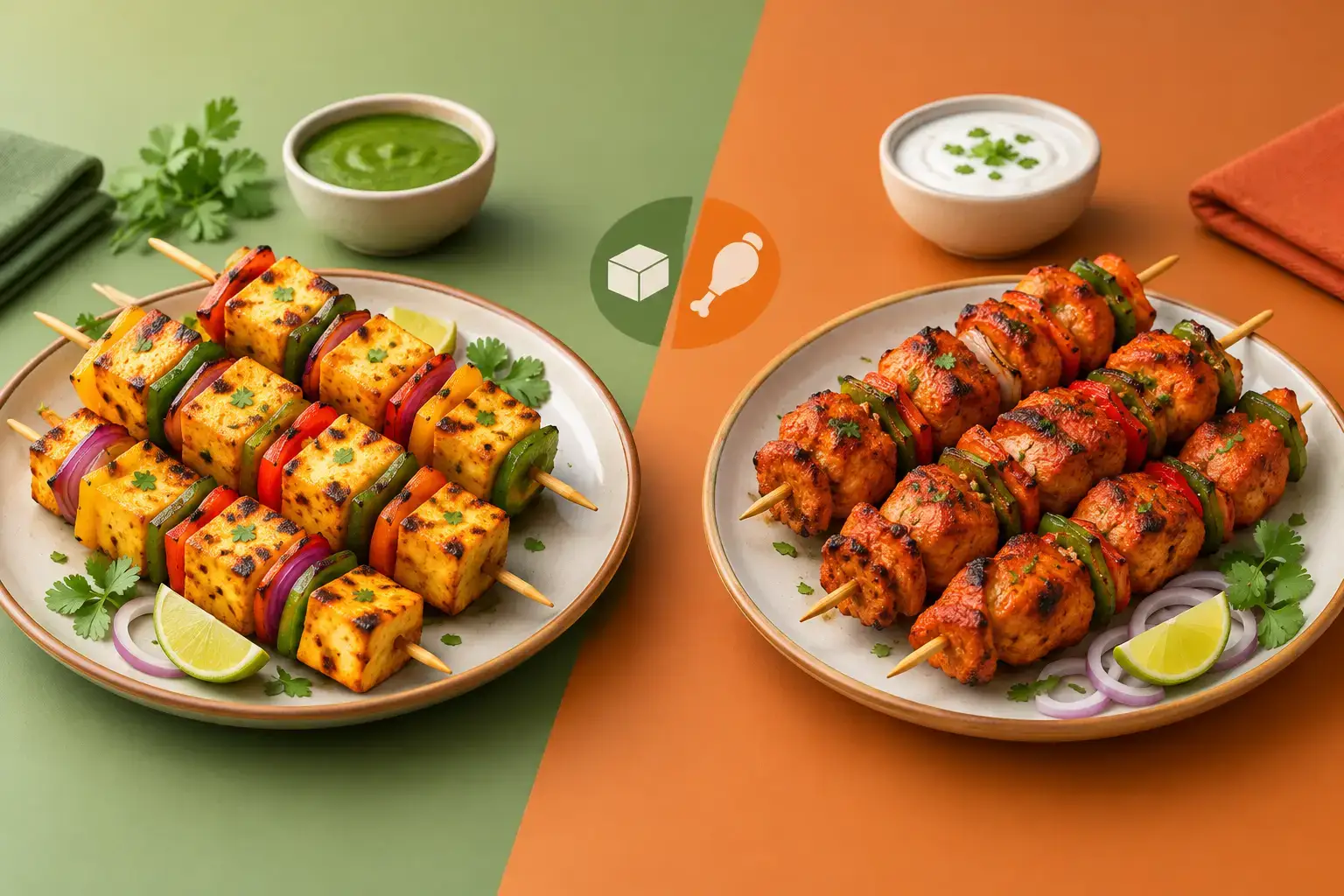
Soy is one of the most concentrated vegan protein choices, and it fits Indian flavors beautifully. Firm tofu can take the place of paneer in a tomato-based curry, a spinach sauce, or a dry stir-fry with peppers and onions. A serving can deliver about 10 to 20 grams of protein, depending on its size and brand.
For a more traditional pantry-style option, soy chunks are inexpensive, filling, and particularly good in a masala sauce or biryani. They need soaking and thorough seasoning, as they start with a neutral flavor. Tempeh has a firmer, nuttier taste and works well when pan-seared with cumin, coriander, chili, and a touch of tangy tamarind.
Nuts, seeds, and peas
Cashews, almonds, peanuts, sesame, pumpkin seeds, and hemp seeds are useful supporting players. They add some protein, but their bigger contribution is richness and texture. A spoonful of ground cashews can make a curry feel creamy without dairy, while roasted peanuts give poha or a vegetable dish welcome crunch.
Green peas deserve more attention, too. They are not as protein-dense as lentils or soy, but they add sweetness, color, and a useful boost to dishes such as aloo matar, vegetable pulao, and stuffed paratha. Think of these ingredients as additions that round out a meal, rather than the only source of protein.
Build a Vegan Indian Plate That Actually Satisfies
A good vegan meal is more than a curry with the dairy removed. Start with a clear protein base, then add a satisfying carbohydrate, vegetables, and a fresh element. Dal with rice and a crisp cucumber salad is simple, but it works because each part has a purpose. Chana masala with whole-wheat roti and roasted cauliflower follows the same idea.
For a lighter lunch, try a lentil-based soup with a side of quinoa or brown rice, plus a salad dressed with lime and toasted seeds. For a more celebratory meal, serve a tofu curry alongside fragrant rice, sautéed greens, and tomato-onion salad. The choice depends on your appetite and the rest of your day. A rich cashew sauce can be lovely, but a tomato-forward dal may suit a regular weeknight better.
Portion size matters, especially if protein is a priority. A small bowl of dal alongside mostly rice may not be enough after a busy day. Increase the lentils or beans, add tofu, or include a side of chickpeas. This is not about making Indian food clinical. It is about giving a flavorful meal enough staying power.
Watch for the Vegetarian-to-Vegan Gap
Indian menus are often vegetarian-friendly, but vegetarian and vegan are not interchangeable. Ghee, butter, yogurt, cream, paneer, and milk can appear in dishes that seem vegetable-forward. Ask how a dish is prepared, particularly with dal, breads, sauces, and rice.
At Cilantro London, guests looking for vegan choices can ask the team which dishes can be prepared without dairy and which plant-based protein options best suit their meal. That simple conversation makes it easier to enjoy authentic flavor while honoring your dietary preferences. If you are ordering takeout for a group, clearly label vegan items so everyone can serve themselves with confidence.
Make the Most of Spice, Not Just Protein Counts
A pantry full of pulses becomes much more exciting when you vary the flavor profile. Use ginger, garlic, cumin, coriander, turmeric, black pepper, fennel, cardamom, cinnamon, and chilies with intention. Acid is just as useful: lemon, lime, tomato, tamarind, and mango powder can lift earthy lentils and beans.
Texture keeps meals interesting, too. Leave chickpeas whole in one dish, blend lentils into a smooth dal in another, and crisp tofu in a hot pan before adding it to sauce. Fresh herbs, pickled onions, sliced chilies, and toasted seeds can turn a familiar bowl into something you would happily order again.
For a nourishing weeknight dinner, begin with one dependable staple: a pot of dal, a tray of roasted tofu, or a batch of chickpeas. Add rice or roti, a bright vegetable side, and the spices you enjoy most. The result is not a compromise meal. It is warm, flavorful Indian food with the protein to carry you through the evening.