A generous Indian dinner should feel layered, not heavy: something crisp to begin, a bright chutney on the table, fragrant rice, warm bread, and curries with distinct personalities. This vegan indian dinner menu example is designed for six people, whether you are hosting friends at home or planning a relaxed Friday night feast. It brings real contrast to the table without requiring every pan in the kitchen.
The key is to avoid treating vegan cooking as a set of substitutions. Indian cuisine already offers an extraordinary range of plant-led dishes, from smoky eggplant and slow-cooked lentils to tangy chickpea curries and vegetable-packed sides. With fresh aromatics, good spices, and enough texture, no one will miss dairy or meat.
A Vegan Indian Dinner Menu Example That Feels Complete
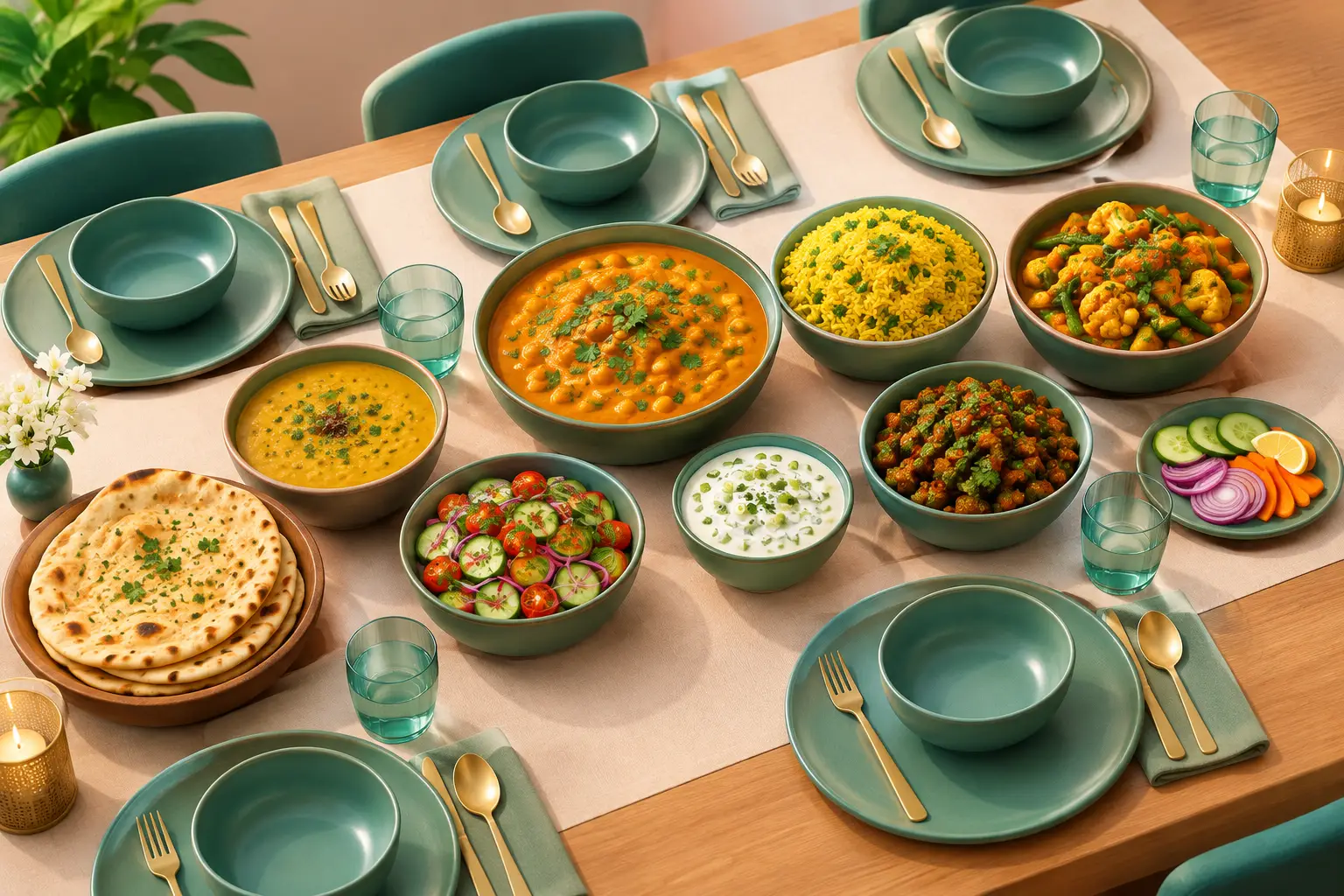
For a six-person dinner, serve the following menu family-style. It is colorful, generous, and balanced between gentle, warming, and lively flavors.
- Crispy onion bhajis with mint-cilantro chutney
- Chickpea chaat with tamarind, tomato, and crunchy sev
- Chana masala with slow-cooked chickpeas
- Roasted eggplant bharta with tomato and peas
- Creamy coconut dal tadka
- Cumin basmati rice and vegan roti or naan
- Cucumber, red onion, and lemon salad
- Mango and cardamom coconut rice pudding
It may sound like a large spread, but several elements can be made ahead. The chaat is assembled just before serving, while the bhajis are best cooked fresh. The curries, dal, rice, chutneys, and dessert can be prepared earlier, leaving you free to welcome guests rather than spending the evening at the stove.
Begin With Crunch and Brightness
Onion bhajis make an inviting first bite because they are crisp, warmly spiced, and easy to share. Thinly sliced onions are folded through a chickpea flour batter with cumin, coriander, chili, and a pinch of turmeric, then fried until deeply golden. Serve them with a fresh mint-cilantro chutney made with lemon juice, green chili, and a touch of sugar. The herbal sharpness cuts through the richness of the bhajis beautifully.
Alongside them, offer chickpea chaat. This is less formal than a plated starter and more fun for a dinner table. Toss cooked chickpeas with diced tomato, red onion, cilantro, chaat masala, lemon, tamarind chutney, and a little crunchy sev. Check that your sev is vegan, as recipes vary. The combination of sweet, sour, spicy, and crisp flavors wakes up the palate before the warmer dishes arrive.
If your guests prefer mild food, keep fresh chili out of the main dishes and place sliced chili on the table instead. That small decision lets everyone find their own heat level without flattening the flavors for the whole group.
Choose Mains With Different Textures
A good vegan Indian dinner needs more than one curry, but they should not all eat alike. Chana masala provides satisfying bite and a tangy tomato base. Eggplant bharta is soft, smoky, and comforting. Dal is silky and deeply savory. Together, they make a full meal rather than a collection of similar sauces.
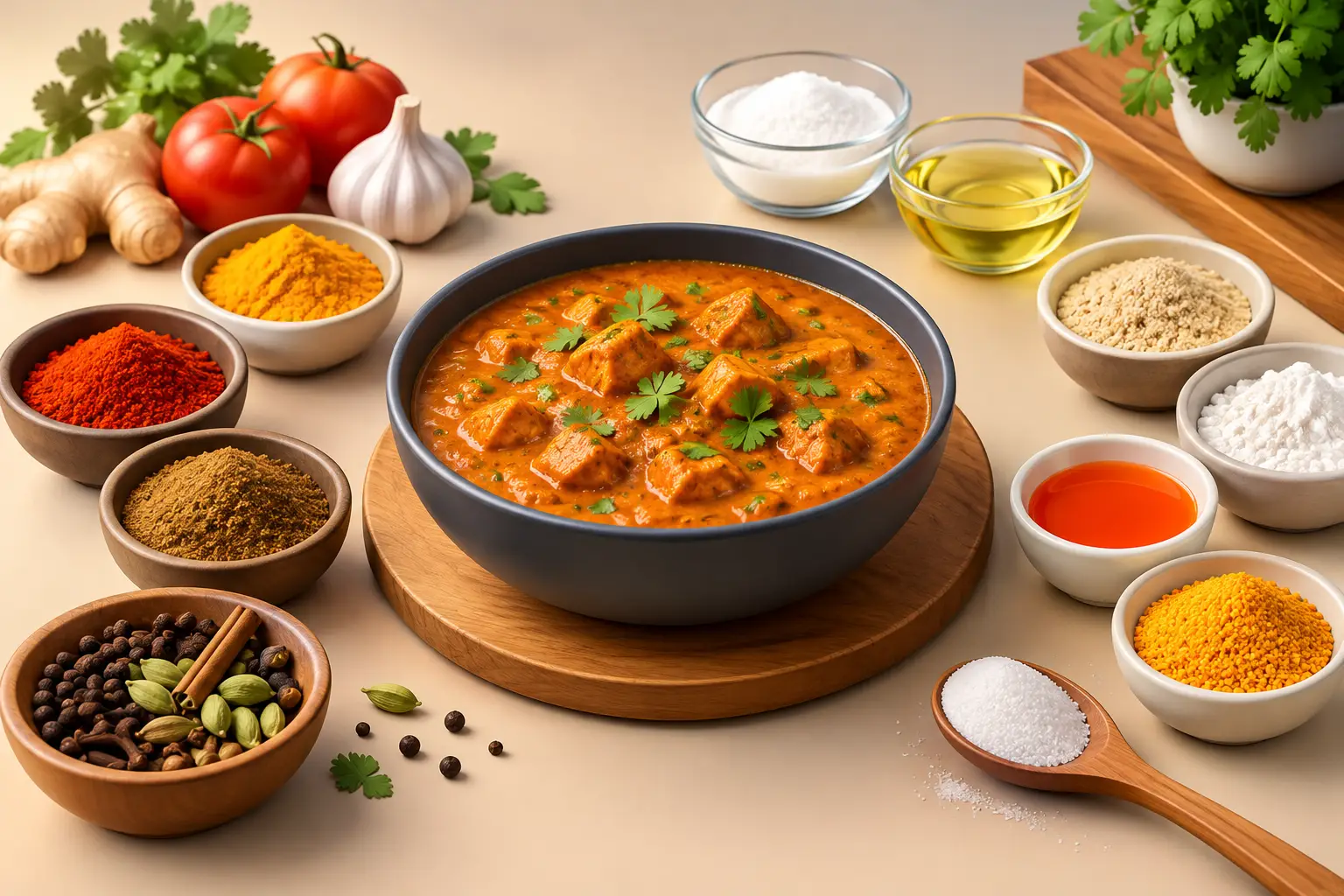
For the chana masala, start by cooking onions until genuinely golden, not merely softened. Add ginger, garlic, tomatoes, ground coriander, cumin, turmeric, and a little chili powder, then simmer with chickpeas until the sauce clings to them. A final squeeze of lemon and scattered cilantro make the dish taste fresher. If you have time, make it a day ahead. The spices settle and deepen overnight.
Eggplant bharta brings a restaurant-quality note to the menu without being complicated. Roast or char whole eggplants until the skins collapse and the flesh is soft with a light smokiness. Scoop out the flesh and cook it with onions, tomatoes, peas, ginger, garlic, and garam masala. The finished dish should be thick enough to scoop with roti, not watery. Charred eggplant has a distinctive flavor, so this is the dish that makes the menu feel especially considered.
For dal tadka, use red lentils for convenience or yellow split lentils for a more traditional texture. Simmer them with turmeric until tender, then finish with a sizzling tempering of cumin seeds, garlic, dried red chili, and curry leaves in neutral oil. Coconut milk gives the dal a gentle richness without making it overly sweet. It is a useful dish for a mixed group because it softens the sharper spices found in chana masala and chaat.
At Cilantro London, the approach to vegan Indian cooking is rooted in the same principle: fresh ingredients, carefully built spice, and satisfying dishes that feel lighter than a typical curry-house meal. A plant-based dinner can still be generous, fragrant, and full of comfort.
Rice, Bread, and the Fresh Side That Matters
Cumin basmati rice is the quiet backbone of this menu. Rinse the rice until the water runs mostly clear, then cook it with toasted cumin seeds, a bay leaf, and salt. Fluff it carefully before serving. Plain basmati works too, but cumin rice adds aroma without competing with the curries.
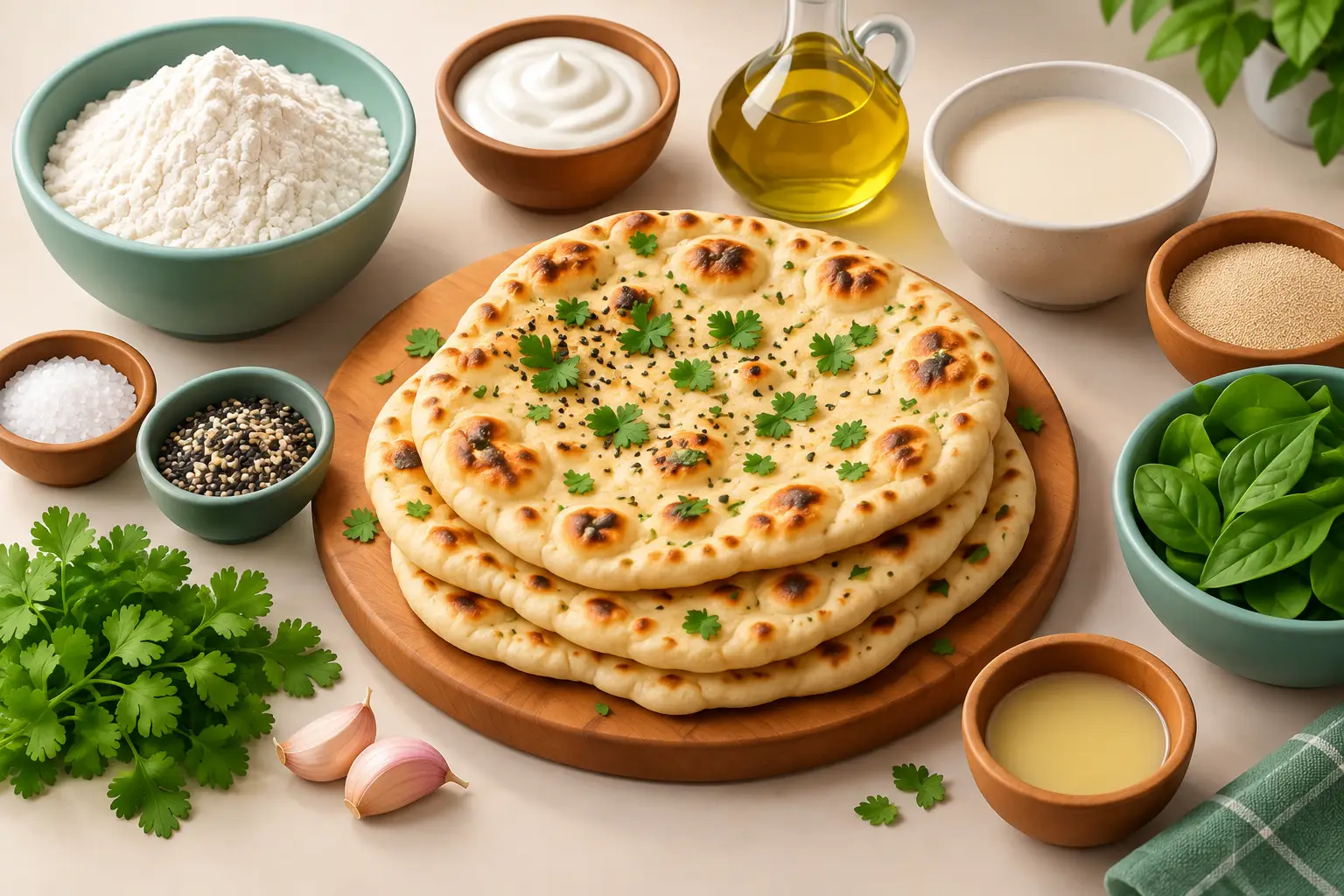
Add vegan roti, or source a vegan naan that does not contain yogurt, milk, butter, or ghee. Roti is often the easier option for a fully vegan table, but always check the recipe or supplier. Bread gives guests a way to enjoy every last spoonful of bharta and dal, and it makes the meal feel more relaxed.
Do not skip the cucumber salad. Slice cucumber and red onion finely, then dress with lemon juice, salt, black pepper, cilantro, and a pinch of roasted cumin. Its cool crunch resets the palate between rich bites. A simple salad is not an afterthought here. It makes the whole menu feel lighter and more balanced.
Finish With a Dessert That Can Wait in the Fridge
Mango and cardamom coconut rice pudding is an easy ending because it can be made before guests arrive. Cook short-grain rice slowly with coconut milk, a little sugar, cardamom, and a pinch of salt until creamy. Cool it, then serve with ripe mango, toasted pistachios, and coconut flakes.
For an even simpler finish, offer sliced mango with lime and a little chili salt. It is bright, refreshing, and especially welcome after a generous dinner. Dessert does not need to be heavy to feel celebratory.
A Stress-Free Cooking Timeline
The day before, make the coconut rice pudding, chutneys, chana masala, and eggplant bharta. Refrigerate them in covered containers. On the day, prepare the salad ingredients and chaat components, but keep anything crisp separate until serving.
About an hour before dinner, reheat the curries slowly with a splash of water if needed. Cook the dal, make the rice, and set out serving bowls. Fry the bhajis close to arrival time, then assemble the chaat while guests have their first drink. Warm the bread last.
This order matters. Freshness is not only about ingredients. It is also about temperature, texture, and serving each dish when it is at its best. Bhajis lose their crispness, rice dries out, and chaat turns soft if prepared too far ahead.
Small Adjustments for Real Dinner Guests
For a gluten-free menu, serve rice and use chickpea flour bhajis, but confirm your chaat toppings and spice blends are certified gluten-free. For nut allergies, leave out pistachios and check packaged naan, chutneys, and desserts carefully. If you are cooking for children or spice-sensitive guests, make the curries mild and offer chili oil or chopped green chilies separately.
Portion-wise, plan for roughly one cup of cooked rice per person, two to three bhajis each, and enough curry for guests to sample every dish. Indian dinners are built around sharing, so abundance is part of the welcome. The best table is one where there is enough to go back for a spoonful of dal, another piece of roti, and one more bite of something bright.