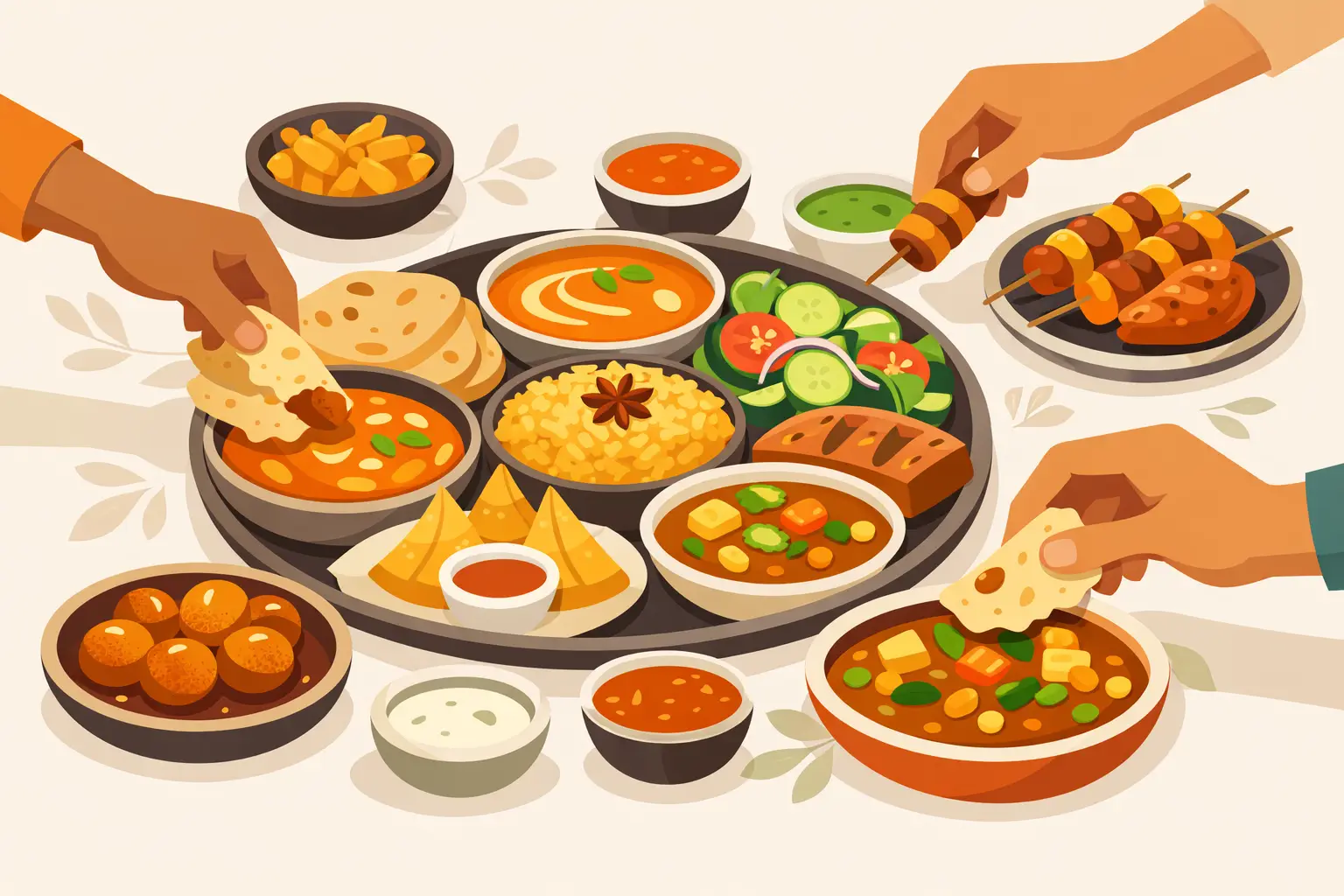
Some meals are built for one plate and a quick fork. Indian food is not one of them. The best indian dishes for sharing bring people closer to the table – passing warm naan, comparing curries, and arguing over who gets the last piece of tandoori chicken. That sense of variety is part of the appeal, especially when you want a meal that feels generous without turning heavy.
For couples, families, office lunches, or a relaxed dinner with friends, sharing works because Indian cuisine is naturally designed around contrast. You want something from the grill, something rich and slow-cooked, a vegetable side with texture, rice to bring it all together, and bread to scoop up every last bit of sauce. The right mix matters. Order too many dishes from the same corner of the menu and everything starts to taste one-note. Get the balance right and the meal feels abundant, fresh, and far more satisfying.
What makes the best Indian dishes for sharing work
The strongest sharing spreads have range. You need different textures, different spice levels, and at least one or two dishes that appeal to everyone at the table. A bubbling curry may be the center of the meal, but it is usually the combination around it that makes people remember dinner.
There is also a practical side to it. Dishes that hold their quality well, travel well for takeaway or delivery, and stay flavorful after a few minutes on the table are often better for groups than anything too delicate. Tandoori starters, biryani, lentil dishes, and well-made curries all tend to perform well here. They are generous, easy to portion, and suitable for different appetites.
If your group has mixed dietary preferences, sharing becomes even more useful. Indian food is one of the easiest cuisines to build around vegetarians, vegans, and gluten-free diners without making anyone feel like they are getting the backup option. A thoughtful menu lets everyone eat well, not just adequately.
12 best Indian dishes for sharing
1. Tandoori mixed grill
If you want one dish that immediately makes the table feel lively, this is it. A tandoori mixed grill usually brings together chicken, lamb, and kebab-style pieces with charred edges, aromatic spices, and that unmistakable smokiness from the clay oven.
It is ideal for sharing because it arrives with built-in variety. Some people want leaner chicken, others go straight for richer cuts or seekh kebabs. It also feels lighter than starting with fried appetizers, which is useful if you plan to order several mains.
2. Chicken tikka
Simple, reliable, and almost always one of the first plates to disappear, chicken tikka earns its place because it suits nearly everyone. Boneless pieces are easy to share, and the marinade brings plenty of flavor without the weight of a creamy sauce.
For groups who want a fresher start, it is one of the smartest choices. It also works well alongside chutneys and salad, making it a good bridge between starters and heavier mains.
3. Paneer tikka
A proper sharing order should not treat vegetarians as an afterthought. Paneer tikka gives the table a satisfying vegetarian option with real presence. The cheese holds spice beautifully, develops a gentle char, and has enough substance to stand beside grilled meats rather than get lost next to them.
This is also one of the best examples of how Indian food can feel indulgent and balanced at the same time. It is rich, yes, but not greasy, and it adds a different texture to the spread.
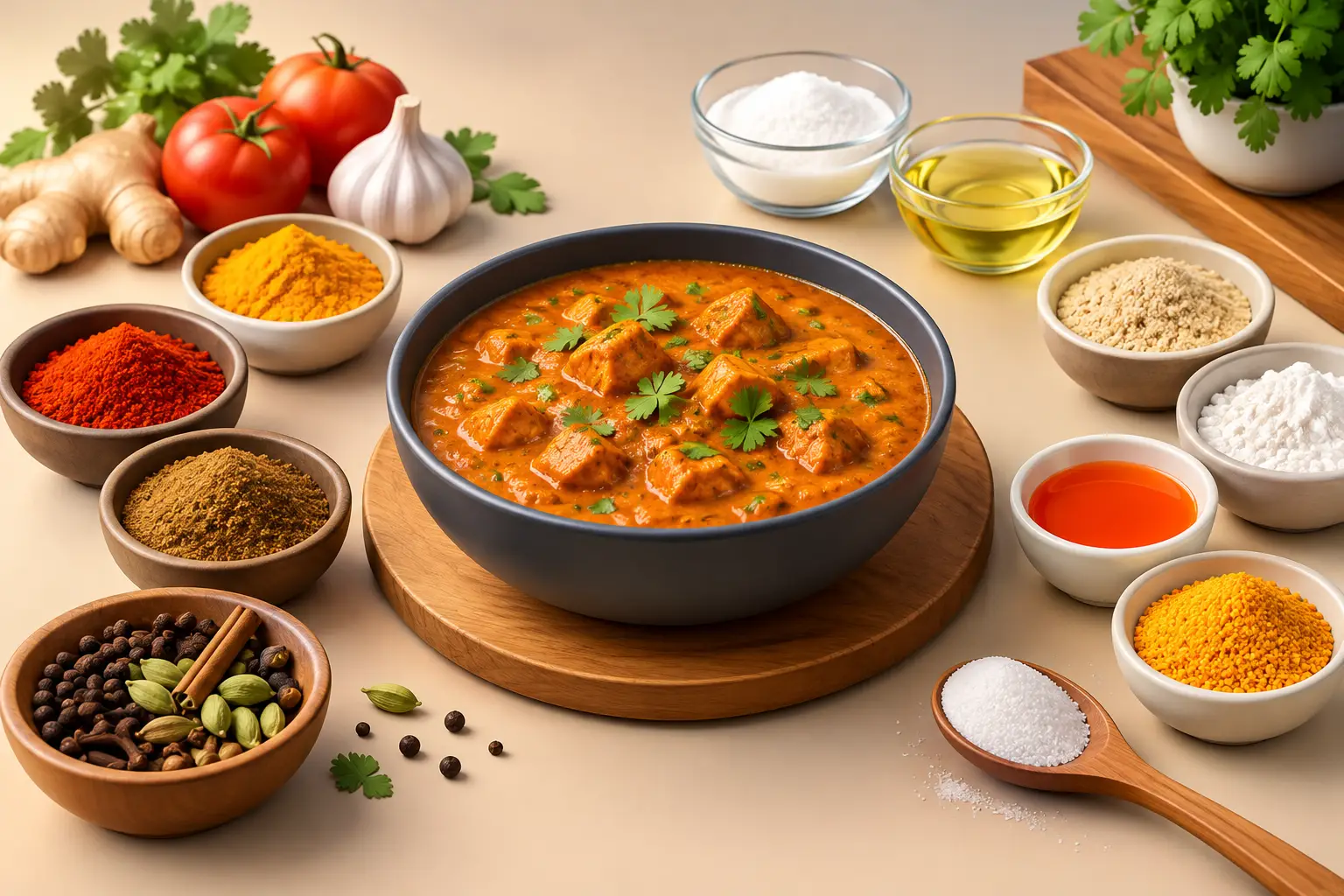
4. Butter chicken
There is a reason this dish remains a group favorite. Butter chicken is approachable, creamy, gently spiced, and widely loved even by diners who prefer milder food. For sharing, that matters. Not every table wants a heat challenge.
The trade-off is that it should not be your only curry if everyone likes bold flavors. Pair it with something deeper or spicier and it does its job beautifully – giving the meal a smooth, comforting center.
5. Lamb rogan josh
For a table that wants more depth, lamb rogan josh brings slow-cooked richness without becoming overly heavy. The sauce is layered with warming spices, and the lamb adds a softer, more luxurious feel than chicken.
This is one of those dishes that makes a meal feel a little more special, whether you are dining in or ordering for a Friday night at home. It is especially good for smaller groups who want one crowd-pleasing curry and one more characterful option.
6. Dal makhani or black lentils
A sharing meal without a lentil dish often misses a trick. Dal makhani adds creaminess, earthiness, and comfort, and it pairs with almost everything else on the table. It is also one of the best value dishes in any shared order because it stretches well and satisfies everyone.
For diners looking for a more balanced meal, lentils help round out richer meats and buttery sauces. They also make the spread feel more complete, especially if your group includes vegetarians.
7. Chana masala
Chickpeas may not sound dramatic next to grills and curries, but a good chana masala brings brightness and structure to the meal. It has body without heaviness, and the spice profile often leans sharper and more tomato-forward than cream-based dishes.
That contrast matters. Shared meals are better when every dish has a distinct role, and chana masala gives the table something lighter and more vibrant.
8. Biryani
If you are feeding a hungry group, biryani is one of the smartest choices on the menu. It is fragrant, layered, and substantial enough to feel like more than a supporting side. Whether you choose chicken, lamb, or vegetable, a well-made biryani brings spice, texture, and aroma in one dish.
It is particularly useful for takeaway and delivery because it travels well and stays satisfying even after the first rush of serving. For office lunches, family dinners, or casual weekend meals, biryani can easily anchor the whole order.
9. Saag paneer
Spinach-based dishes bring freshness that richer spreads often need. Saag paneer combines gentle spice, soft paneer, and a smoother texture that works beautifully with naan or rice.
This is a strong sharing dish for tables that want balance without sacrificing comfort. It also helps create a meal that feels more varied in color, texture, and flavor, which is one reason refined Indian menus often include it.
10. Aloo gobi
Aloo gobi is often underestimated until it arrives and everyone keeps going back for more. Potatoes and cauliflower absorb spice well, and the dry-style preparation makes it a useful contrast to saucier curries.
For sharing, that matters more than people think. Not every dish should be spooned from a deep bowl. Dry vegetable sides add texture and make the whole meal feel less repetitive.
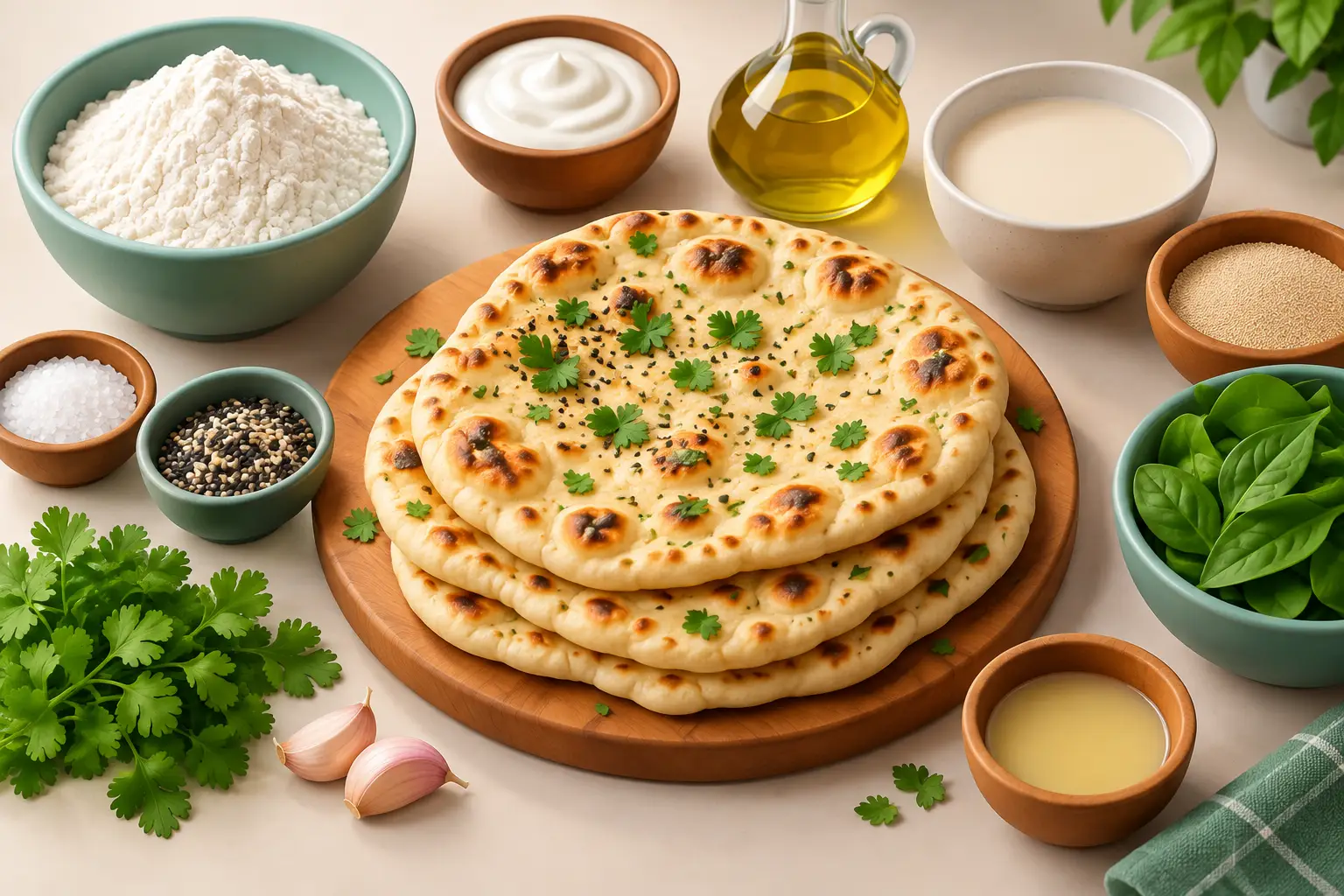
11. Garlic naan
Bread is not an extra when you are sharing Indian food. It is part of the structure of the meal. Garlic naan, in particular, brings warmth, aroma, and that irresistible mix of softness and slight chew that works with nearly every curry.
Order enough. Tables routinely underestimate naan because it seems secondary, but it disappears quickly, especially when sauces are good. If your group is sharing several mains, extra bread is rarely wasted.
12. Jeera rice or pilau rice
Rice keeps the meal grounded. Jeera rice is especially good if you want something fragrant but not too rich, while pilau adds a touch more perfume and color. Either one helps separate bites and lets spicier or creamier dishes shine.
For sharing, rice also makes portioning easier. It helps the meal go further and gives everyone a way to build their own plate rather than relying only on bread.
How to build a better sharing order
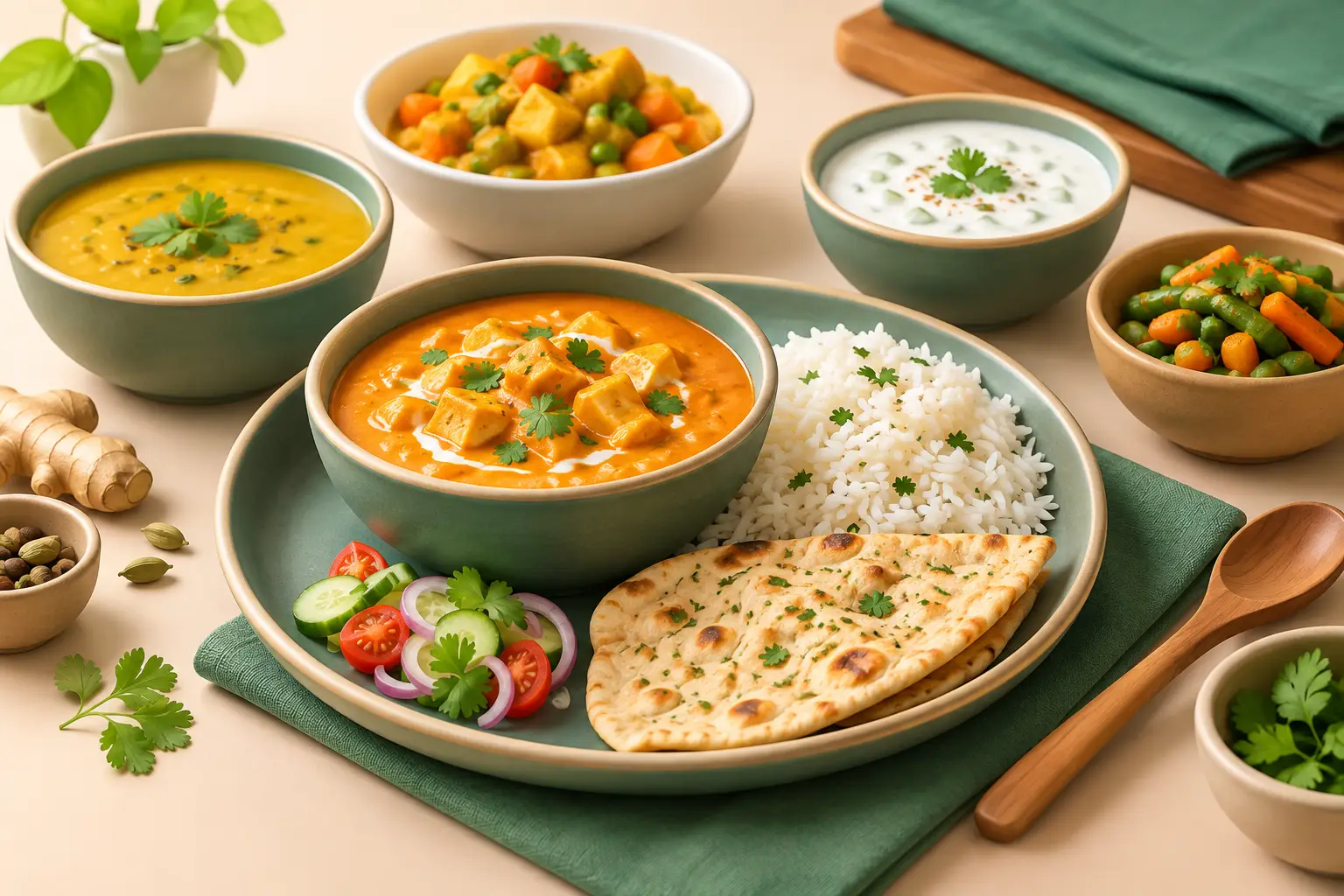
The best Indian dishes for sharing are not just about picking popular items. They need to work together. A good rule is to think in layers: one grill dish, two mains with different personalities, one lentil or chickpea dish, one vegetable side, rice, and naan. That gives enough variety for most groups without flooding the table.
If you are ordering for two, keep it tighter. One starter, one richer curry, one lighter or vegetarian dish, plus rice or naan usually feels generous without becoming excessive. For four or more, this is where biryani and a mixed grill really come into their own.
It also helps to think honestly about spice tolerance. A table full of heat lovers can handle a bolder mix, but many groups are mixed. The strongest shared meals usually include one mild dish, one medium dish, and sides that offer relief and contrast.
Sharing at home should still feel restaurant quality
A shared Indian meal should feel abundant, but it should also feel fresh. That is where ingredient quality and cooking style make a real difference. Well-marinated grilled dishes, balanced sauces, and made-to-order breads create a meal that feels polished rather than overly oily or weighed down.
That is exactly why many local diners in Putney and nearby neighborhoods now look for Indian food that keeps the comfort and depth of traditional recipes while feeling cleaner and more refined. At Cilantro London, that balance is part of the appeal – authentic dishes, carefully prepared, with options that suit date nights, family dinners, and easy midweek takeaway without the usual heaviness.
When you are ordering for a group, think less about individual favorites and more about the table as a whole. The best meals are the ones where everyone reaches across, tries a bit of everything, and already knows they will be ordering the same way again.