A great Indian meal should feel generous, fragrant, and full of choice – not like a stressful guessing game. Knowing how to order gluten free Indian food starts with understanding where gluten may appear, then having a clear conversation with the restaurant before your order is prepared. Indian cooking offers plenty of naturally gluten-free possibilities, from slow-cooked lentils and grilled tandoori dishes to rice-based biryanis, but a few ingredients and kitchen practices deserve a closer look.
For diners with celiac disease, a wheat allergy, or gluten sensitivity, the goal is not simply to choose a dish that does not look like it contains bread. It is to make sure the ingredients, preparation, and handling suit your needs. A thoughtful restaurant will welcome those questions and help you enjoy the meal with confidence.
Start With Naturally Gluten-Free Indian Dishes
Many of the most loved Indian dishes are built around rice, lentils, vegetables, yogurt, herbs, and spices rather than wheat. This makes Indian food a wonderfully varied option when you know what to look for.
Rice is often a dependable starting point. Steamed basmati rice, jeera rice made with cumin, and many biryanis can be gluten-free, provided no wheat-based ingredients or stock mixes are used in preparation. Lentil dishes such as dal are also commonly suitable, while chickpeas, kidney beans, and vegetable curries can offer satisfying gluten-free choices with plenty of depth.
Tandoori cooking is another promising route. Chicken, fish, paneer, or vegetables cooked in the tandoor often rely on yogurt, ginger, garlic, lemon, and spices for their marinade. The smoky char and bright spice profile bring plenty of character without requiring a flour-based coating. Still, never assume a tandoori dish is automatically gluten-free. Some marinades or spice blends may contain an unexpected thickener, so it is always worth asking.
Naturally gluten-free ingredients do not automatically create a gluten-free dish. A lentil curry may be suitable on paper but prepared beside wheat breads or finished with a seasoning that contains gluten. The restaurant’s knowledge and care matter as much as the name of the dish.
How to Order Gluten Free Indian Food With Confidence
The clearest approach is to mention your dietary requirement when you place the order, rather than adding a note after choosing your food. Say whether you have celiac disease, a wheat allergy, or a non-celiac gluten sensitivity. These needs can require different levels of cross-contact control, and a restaurant can only guide you properly when it understands the reason for your request.
A simple, direct message works well: “I need a gluten-free meal. Can you confirm which dishes are suitable and whether they can be prepared to avoid cross-contact with wheat?” This gives the kitchen a useful instruction without asking staff to make assumptions.
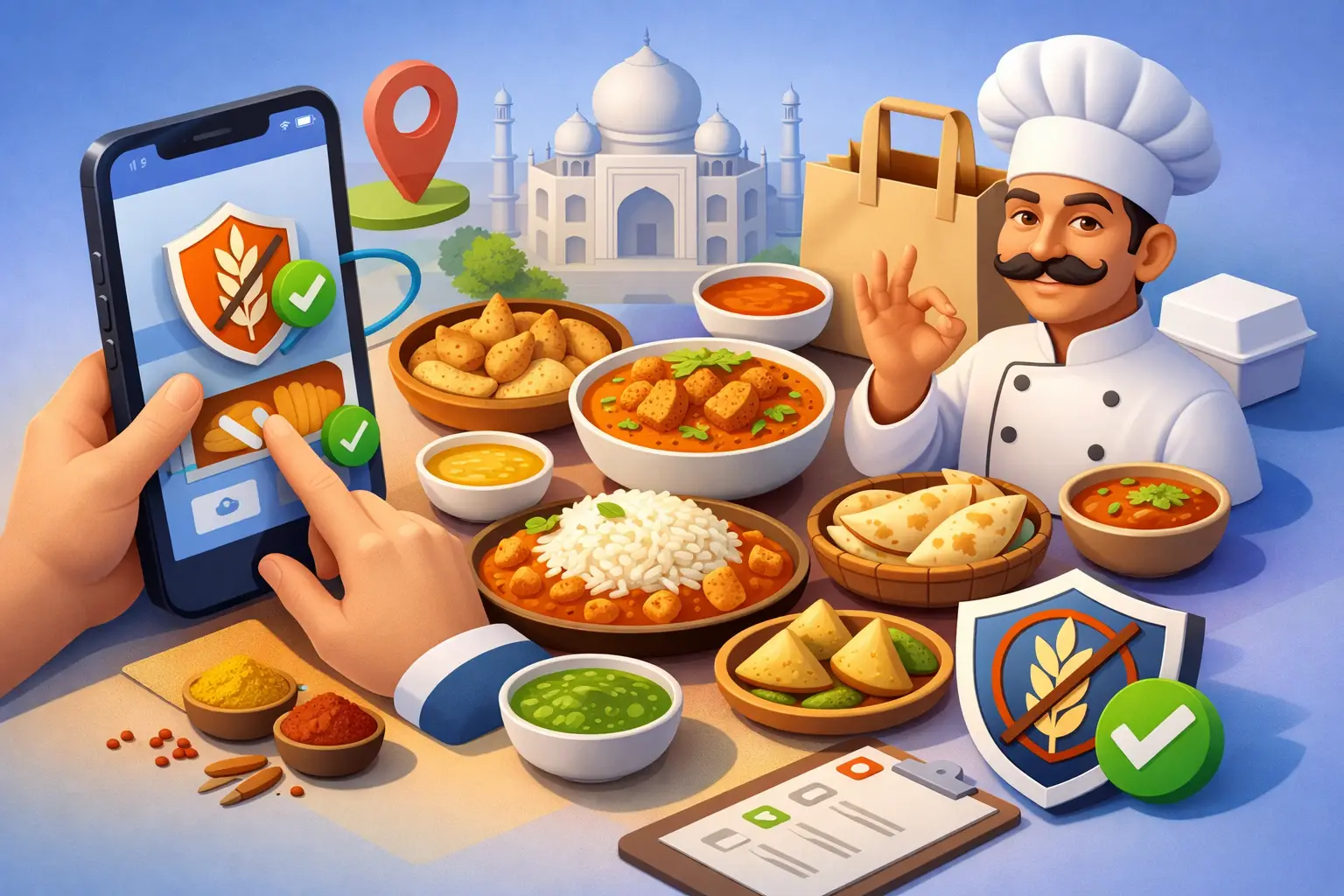
When ordering online, use the dietary notes field if one is available, but do not rely on a note alone for a serious allergy or celiac requirement. Calling the restaurant before ordering can be the better choice, particularly during a busy evening. It gives the team the chance to check a recipe, explain options, and flag any limitations honestly.
Ask about the full dish, not just the main ingredient. A chicken curry may sound straightforward, but the sauce, marinade, garnish, and side dishes all matter. If you are ordering a shared meal for family or friends, make it clear that your gluten-free food should be packed separately from naan, roti, samosas, or other wheat-containing items where possible.
Questions worth asking before you order
For a reliable answer, focus on the details that change from one restaurant and recipe to another:
- Is this dish made with any wheat flour, breadcrumbs, soy sauce, or gluten-containing seasoning?
- Does the marinade, curry base, or sauce use a thickener that contains wheat?
- Are the gluten-free dishes cooked or fried in equipment shared with breaded or flour-based food?
- Can my order be prepared separately from naan, roti, paratha, and other wheat items?
These questions are particularly valuable for celiac diners. No restaurant should promise a completely risk-free meal if its kitchen handles wheat, but a careful team can explain its procedures and help you decide what feels appropriate for you.
Dishes and Ingredients That Need a Second Look
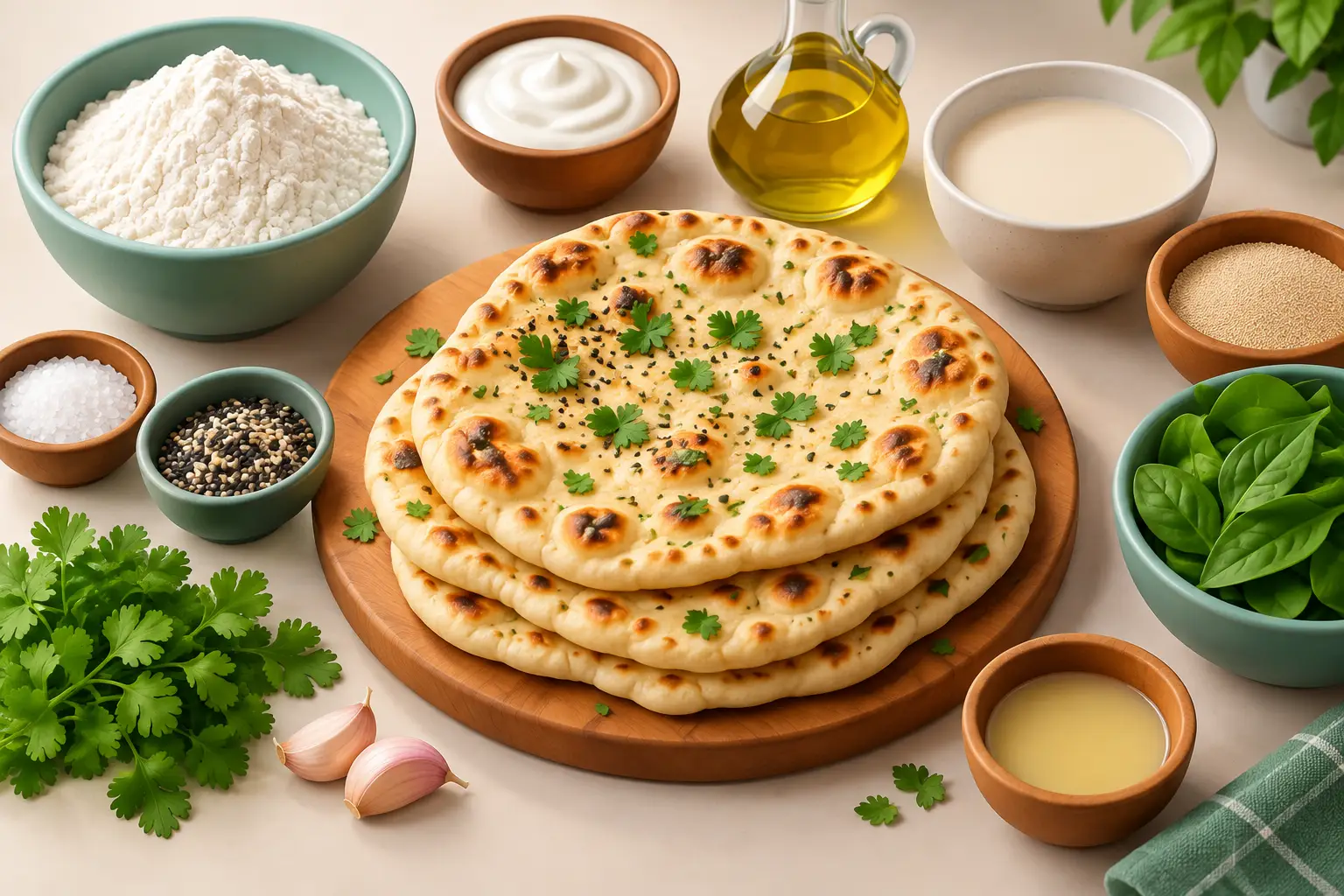
The obvious items are wheat breads. Naan, roti, chapati, paratha, and kulcha are generally made with wheat flour and should be avoided on a gluten-free diet. They can also create flour dust and cross-contact around the tandoor, prep counters, and serving area.
Some less obvious choices require care too. Samosas often have a wheat pastry shell. Pakoras may be made with chickpea flour, which is naturally gluten-free, but recipes vary and fried items may share oil with wheat-coated foods. Papadums can be made from lentil flour, but ingredients differ by supplier, so confirmation is sensible.
Watch for asafoetida, sometimes called hing. This classic aromatic spice is frequently blended with wheat flour to prevent clumping, although gluten-free versions are available. It may be used in dals, vegetable dishes, and tempering oil, so asking about it can be especially useful for someone with celiac disease.
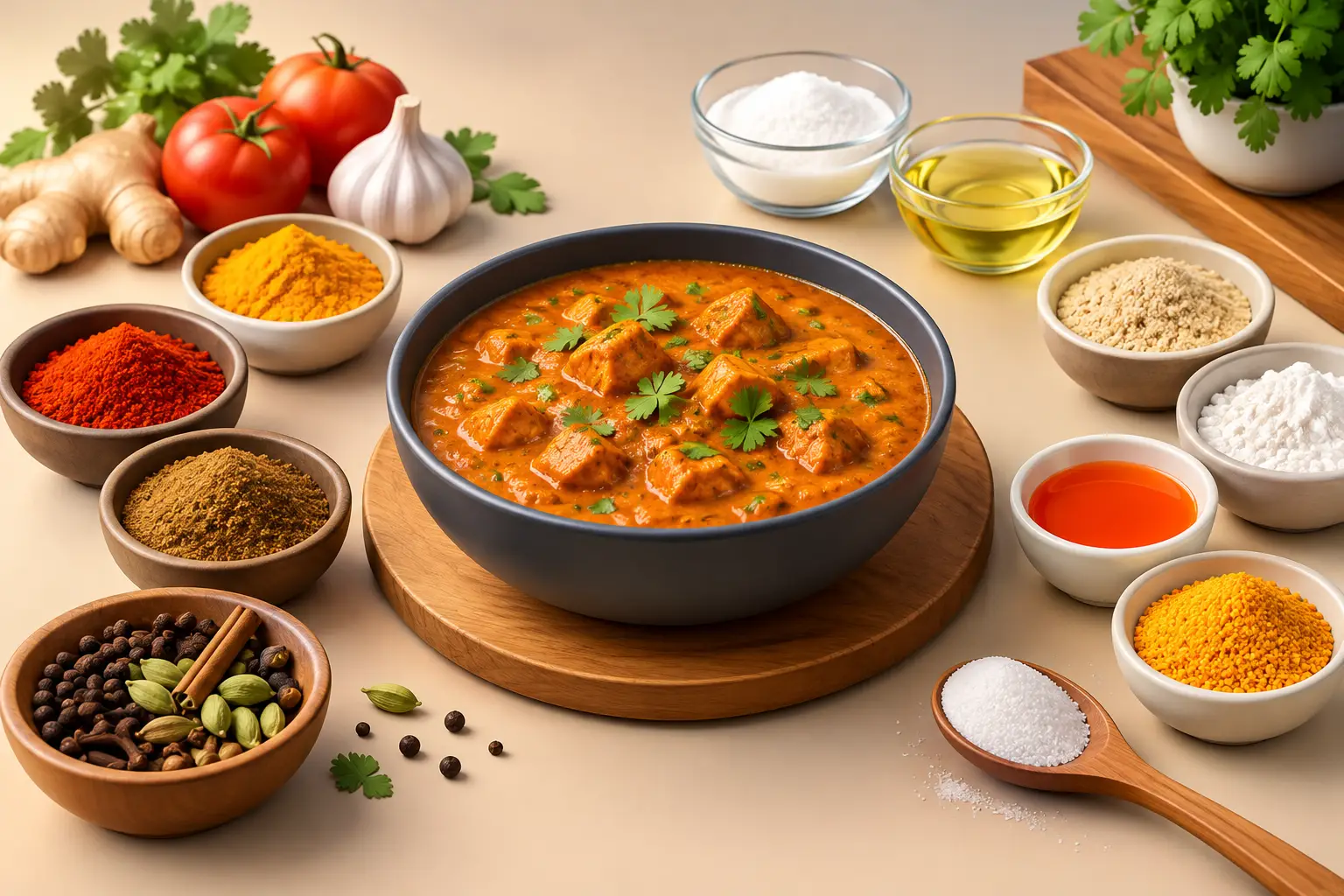
Restaurant sauces can be another variable. Traditional Indian cooking does not need wheat flour to produce rich, silky curries, yet some kitchens use flour, prepared sauces, or commercial spice mixes that may contain gluten. Desserts can also be unpredictable. Rice pudding may be a good option, while pastries and some sweets made with flour are not. The answer depends on the recipe, not the category.
Build a Gluten-Free Indian Order That Still Feels Special
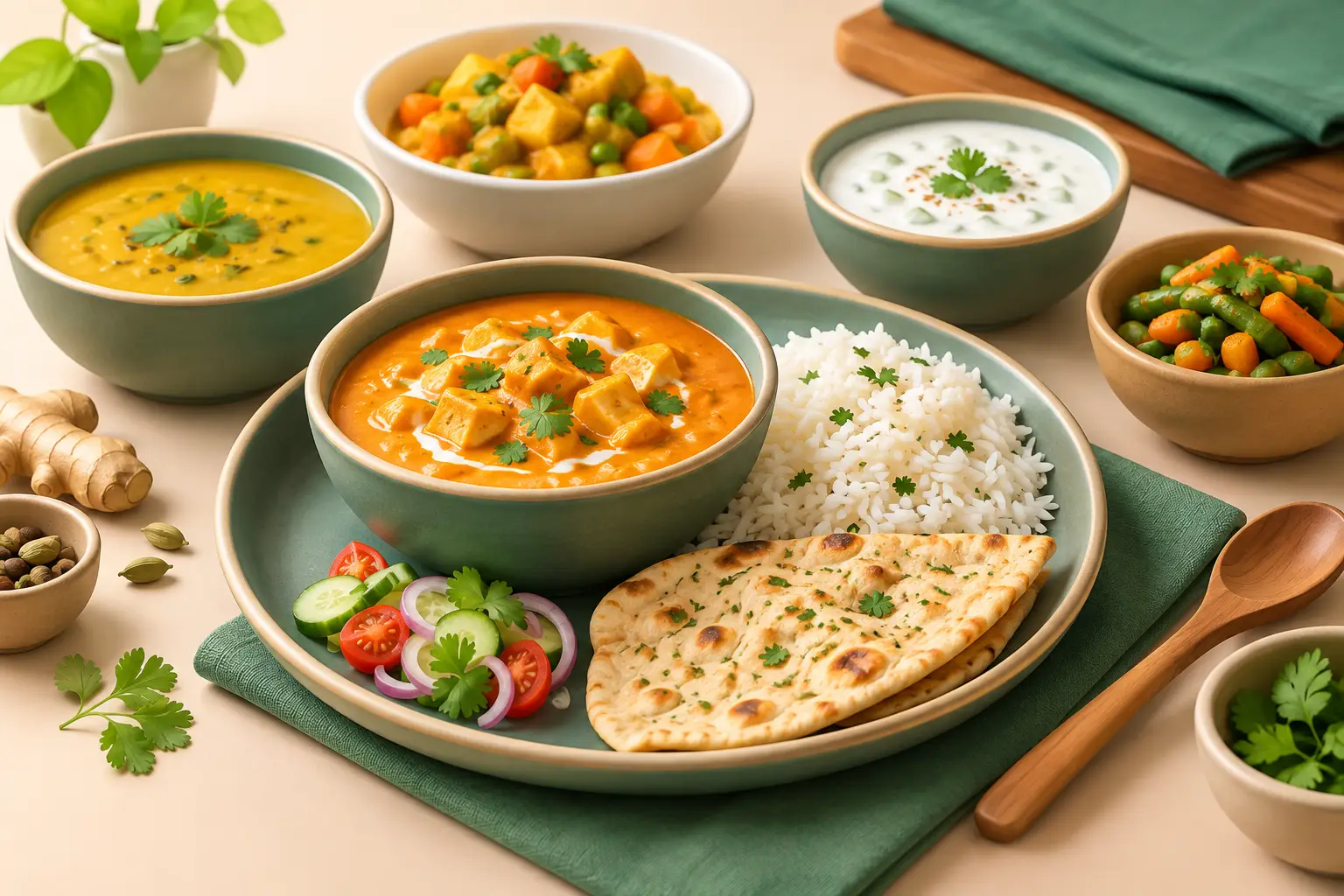
Gluten-free ordering should never mean settling for a plain plate. Begin with a grilled starter or a fresh salad, choose a vegetable, lentil, fish, chicken, or paneer main that the restaurant confirms is suitable, then add rice instead of bread. The result can be a complete meal with contrasting textures: smoky tandoori edges, fragrant sauce, bright herbs, cooling yogurt, and warm basmati rice.
For a lighter dinner, grilled tandoori protein with a vegetable side and rice is often a balanced choice. For comfort food, a well-made dal alongside a confirmed gluten-free curry can be deeply satisfying without feeling heavy. If you are vegetarian or vegan as well as gluten-free, explain both requirements at once. Ghee, cream, yogurt, and paneer are common in Indian cooking, but many vegetable and lentil dishes can be adapted or selected to suit plant-based diners.
Spice level is separate from gluten safety, so do not hesitate to ask for your preferred heat. A good Indian kitchen builds flavor through layered spices, toasted aromatics, and slow-cooked sauces, not simply chili. Mild can still be vibrant, and hot can still be balanced.
Takeout and Delivery Need One Extra Step
For delivery, clear packaging makes a real difference. Ask for gluten-free dishes to be labeled and, where possible, packed apart from wheat breads. If you are ordering for a group, identify which container is yours before everyone starts serving. Sharing spoons between dishes can create cross-contact at the table even when the food left the kitchen safely separated.
At Cilantro London, diners in Putney and nearby neighborhoods can speak with the team about dietary needs before placing an order. That conversation is the most useful part of ordering: it helps the kitchen recommend dishes based on current ingredients and preparation, rather than relying on broad assumptions about Indian food.
When “Gluten-Free Friendly” Is Not Enough
The phrase “gluten-free friendly” can mean different things. For someone choosing gluten-free for personal preference, a dish without wheat ingredients may be enough. For someone with celiac disease or a serious allergy, shared fryers, utensils, surfaces, and tandoor handling may be a deciding factor.
Be open about the level of care you need, and listen to the restaurant’s answer. If staff cannot confirm ingredients or cross-contact procedures, choose a simpler dish or another option. This is not being difficult. It is the practical way to protect your health while still enjoying a meal out.
A trusted local restaurant should make dietary questions feel normal, not awkward. Ask early, order clearly, and choose the dishes the kitchen can stand behind. Then you can focus on what Indian food does best: bringing warmth, spice, and genuine comfort to the table.