Some curries are naturally gluten free. Others only look that way until a hidden thickener, marinade, or side dish gets involved. That is exactly why a practical guide to gluten free curries matters – especially if you love Indian food and want the comfort, spice, and depth without second-guessing every bite.
Indian cuisine can be an excellent choice for gluten-free diners because many traditional dishes rely on rice, lentils, vegetables, yogurt, and spice blends rather than wheat. But gluten free is not automatic. The difference usually comes down to how a dish is prepared, what goes into the sauce, and whether the kitchen handles dietary needs with real care.
Your guide to gluten free curries starts with the basics
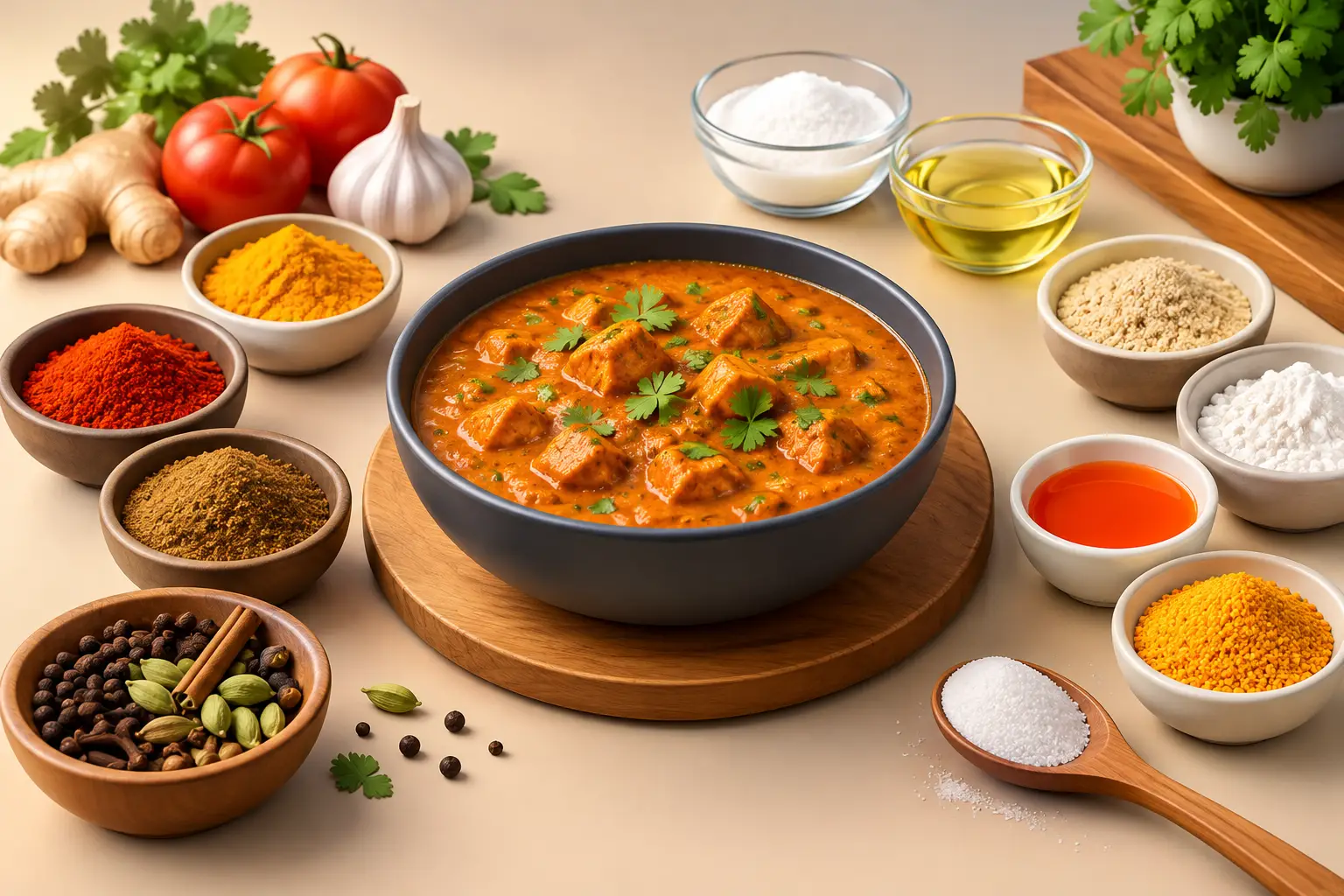
At its best, curry is built on ingredients that are naturally free from gluten. Onion, garlic, ginger, tomatoes, chilies, herbs, coconut milk, cream, lentils, and whole spices all fit comfortably into a gluten-free diet. Rice is naturally gluten free too, which is one reason Indian meals can work so well for diners avoiding wheat.
Where things become less clear is in the finishing touches. Some restaurants use flour to thicken a sauce, add malt vinegar to a marinade, or include spice mixes that contain anti-caking agents or fillers. Fried items can also be risky if the same oil is used for breaded foods. Even something as simple as naan on a shared prep surface can create a problem for anyone with celiac disease or a high level of sensitivity.
That is why the safest approach is not just picking the right curry name from a menu. It is understanding how the dish is made.
Which curries are usually gluten free?
Many classic Indian curries are often gluten free by design, provided the kitchen avoids unnecessary additives. Tomato-based curries tend to be a strong option. Dishes like chicken tikka masala, jalfrezi, rogan josh, and bhuna can be gluten free when prepared from scratch with clean spice blends and no wheat-based thickener.
Creamy curries can also work well. Korma is often gluten free because its richness comes from cream, yogurt, nuts, or coconut rather than flour. That said, recipes vary from kitchen to kitchen. A lighter, made-to-order korma may be very different from a bulk-prepared version designed for speed.
Lentil and vegetable curries are often among the most reliable choices. Dal, chana masala, saag dishes, and many mixed vegetable curries are commonly based on naturally gluten-free ingredients. They are also a good fit if you want something satisfying without feeling overly heavy afterward.
Fish and grilled meat curries can be another smart route, especially when the protein is marinated in yogurt, lemon, garlic, and spices rather than any packaged seasoning mix. Tandoori-style preparations are often a helpful sign because they lean on direct flavor rather than hidden fillers, although cross-contact still matters.
Curries that need a closer look
If you are ordering gluten free, caution is usually needed with anything battered, breaded, or pre-fried. Some house specials may contain flour without advertising it clearly, especially if the sauce has been adjusted for texture. Thick, glossy gravies are not always a problem, but they are worth asking about.
You should also pause at dishes that come with dumplings, kofta, or processed paneer fillings. Kofta can be made with chickpea flour, which is fine, but it may also contain breadcrumbs. The same goes for cutlets and snack-style starters that are later folded into a sauce.
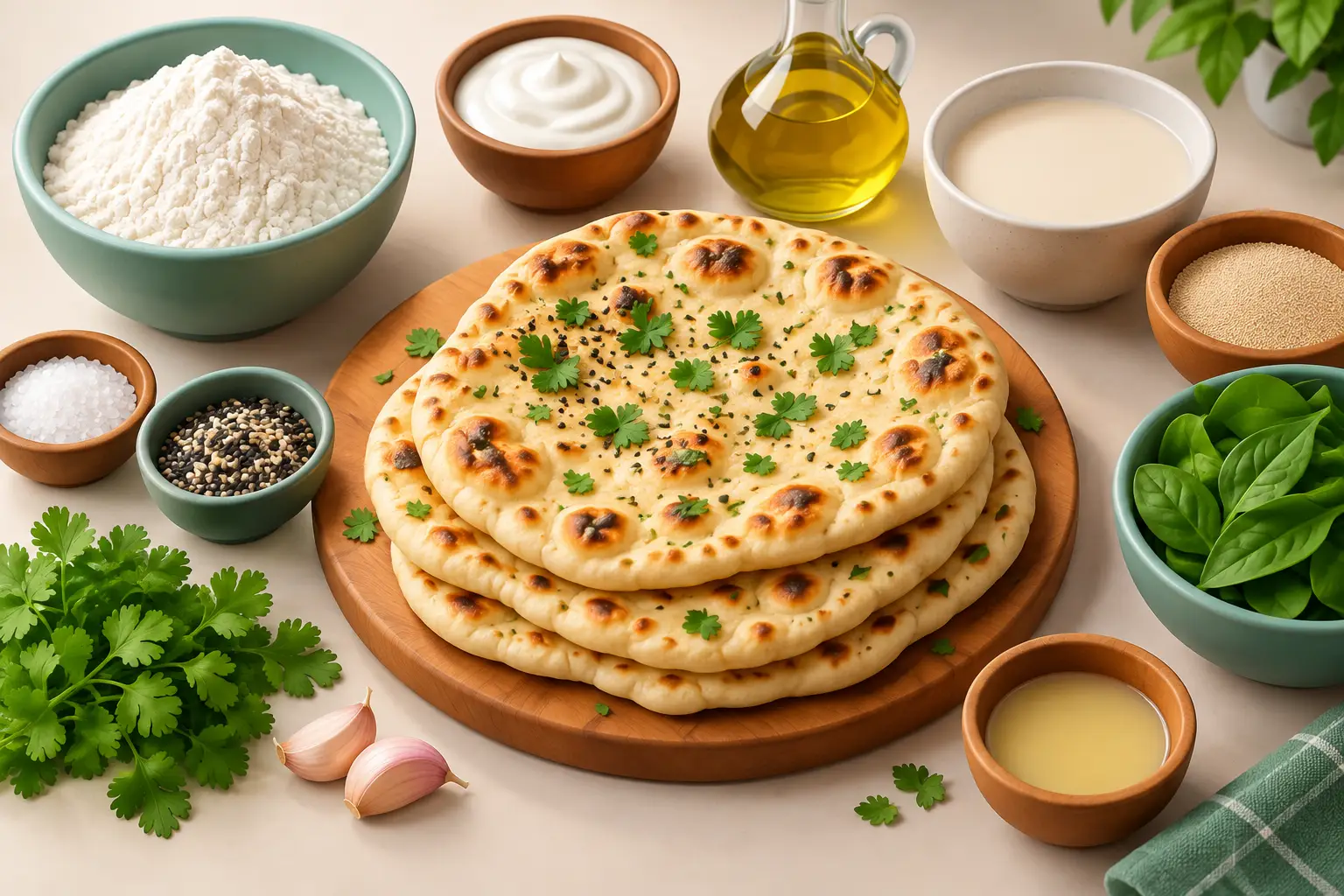
Then there are the obvious extras. Naan, roti, paratha, and samosas are generally off the table for a gluten-free diet. Papadum is often gluten free because it is typically made from lentil flour, but not always. Chutneys and pickles can also vary depending on vinegar and stabilizers.
This is where a polished restaurant experience makes a difference. A kitchen that cooks to order and understands dietary requests can usually tell you what is safe, what can be adapted, and what is better avoided.
How to order with confidence
The best guide to gluten free curries is not a memorized list. It is knowing the right questions to ask. Start simple. Ask whether the curry contains wheat, flour, or soy sauce. Then ask whether it is prepared separately from breads or battered items if your sensitivity is severe.
It also helps to mention whether you are avoiding gluten by preference or for medical reasons. Restaurants that take hospitality seriously will appreciate the clarity and respond more carefully. You are not being difficult. You are giving the kitchen the information it needs to serve you well.
When in doubt, choose dishes with shorter ingredient lists and clearer preparation methods. A grilled starter with rice and a tomato- or coconut-based curry is usually easier to assess than a heavily customized house special. Plain basmati rice is typically the safest side and still gives you the full experience of the sauce.
If you are ordering takeout or delivery, do not assume the online menu tells the whole story. It is often worth calling ahead, especially for first-time orders. A quick conversation can save a disappointing meal and help you find a few dishes you can return to confidently.
What makes Indian food work so well for gluten-free diners
One of the pleasures of Indian cooking is that flavor does not depend on breading, heavy roux, or processed sauces. It comes from layers – toasted cumin, fragrant cardamom, slow-cooked onions, fresh cilantro, black pepper, fenugreek, curry leaves, mustard seeds, and chili heat balanced with acid or cream. That style of cooking naturally leaves plenty of room for gluten-free dining without compromise.
It also means gluten-free does not have to feel restrictive. You are not settling for a lesser version of the meal. In many cases, you are eating dishes that were always meant to be built around whole ingredients. That is especially appealing if you want food that feels comforting but not greasy, generous but still balanced.
For many diners, the real challenge is not the cuisine itself. It is finding a restaurant that treats dietary needs with the same seriousness as flavor. The best kitchens do both.
A few smart pairings for a better meal
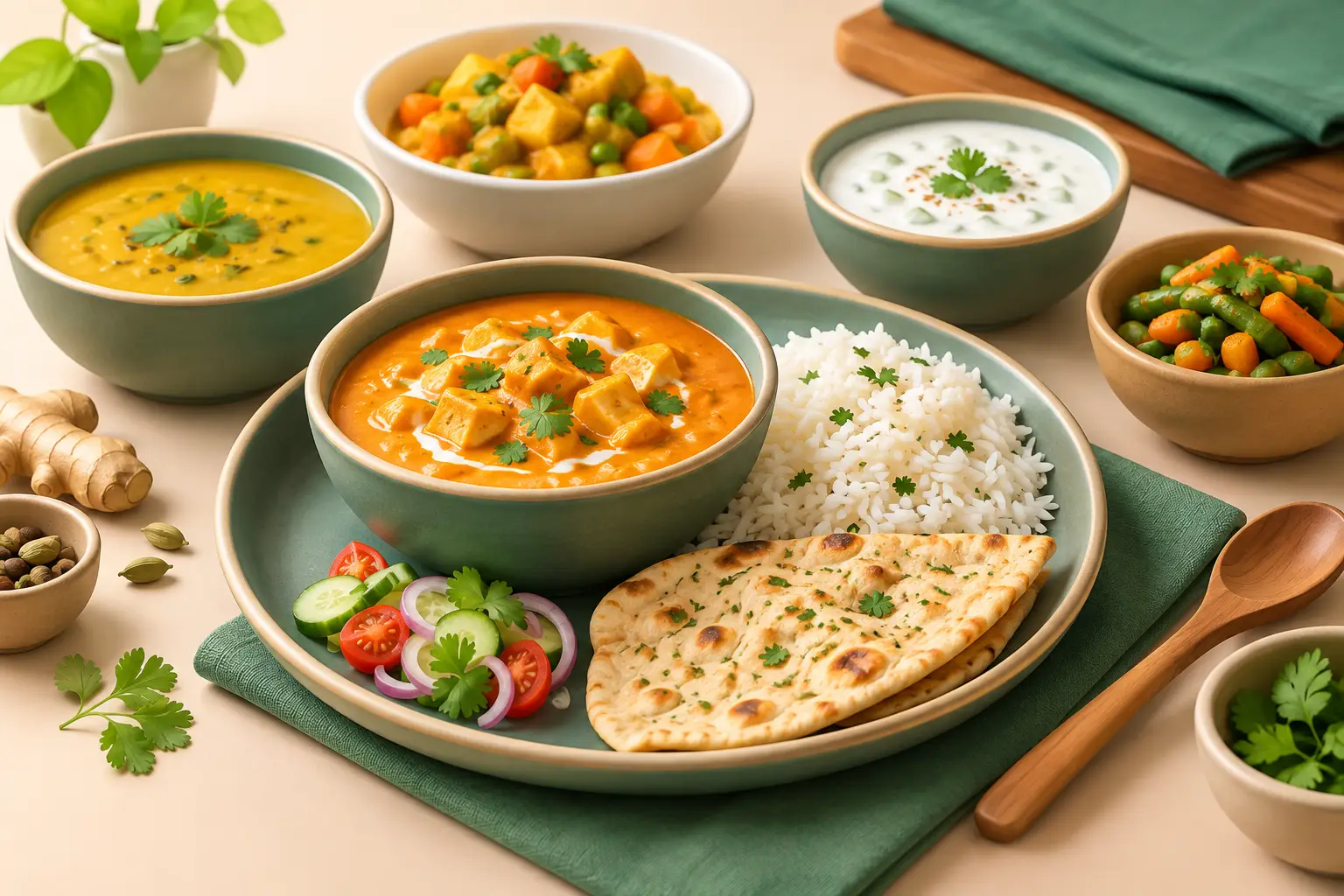
Once you know which curry is safe, the rest of the meal gets easier. Rice is the obvious anchor, but it is not the only one. A lentil side, sautéed greens, or a fresh salad can round out the table and keep the meal lighter. If dairy suits you, cooling yogurt-based sauces may work well too, as long as they are made without packaged additives.
Balance matters. Rich curries like korma or butter-style sauces pair well with simpler sides. Sharper dishes like jalfrezi or madras-style curries often benefit from plain rice and a mild vegetable dish. Gluten free should still feel abundant, not narrowed down to one safe bowl and nothing else.
If you are dining with a group, speak up early. Shared meals are one of the joys of Indian food, but they can become awkward if gluten-free needs are mentioned after everything is ordered. A good restaurant can guide the table toward dishes everyone can enjoy with minimal compromise.
What to look for in a restaurant
A trustworthy Indian restaurant will be clear, calm, and informed when you ask about gluten free options. That usually signals a kitchen that cooks with intention rather than relying on shortcuts. Made-to-order dishes, fresh ingredients, and a menu with vegetarian, vegan, and gluten-free awareness are all encouraging signs.
This is part of what modern Indian dining should offer. Not less authenticity, but more care. Cleaner preparation, better ingredient quality, and attention to how people actually want to eat now. For local diners around Putney and nearby neighborhoods, that can mean enjoying your favorite curries more often because they leave you satisfied rather than weighed down.
Cilantro London takes that approach seriously, which is why gluten-free diners often look for restaurants that combine authentic recipes with a more thoughtful kitchen. When the food is fresh, balanced, and prepared with consistency, ordering gluten free becomes far less stressful and much more enjoyable.
A good curry should leave you thinking about the flavor, not the risk. If a restaurant can offer that peace of mind along with warmth, spice, and real hospitality, you have found somewhere worth returning to.