Choosing for a mixed table can get awkward fast. One person wants something rich and comforting, another wants something light, and the vegan diner is left scanning the menu for the one safe option. The better question is not simply what dishes suit vegan diners, but which ones feel generous, satisfying, and full of character rather than like an afterthought.
That is where Indian food can be a genuinely good fit. When it is cooked with care, vegan dishes are not stripped-back compromises. They are layered, aromatic, naturally colorful, and often built around ingredients that already belong at the heart of the cuisine – lentils, chickpeas, cauliflower, spinach, potatoes, aubergine, okra, tomatoes, coconut, and fragrant spices. For diners who want food that feels fresh yet comforting, there is plenty to choose from.
What dishes suit vegan diners in Indian cuisine?
The strongest vegan dishes are usually the ones that were always meant to celebrate vegetables and pulses, rather than copy meat-based mains. That matters because flavor comes through more clearly when the recipe is designed around the ingredients from the start. A chickpea curry with tomato, ginger, and cumin has its own identity. So does a dal that has been simmered properly until it turns silky and deeply savory.
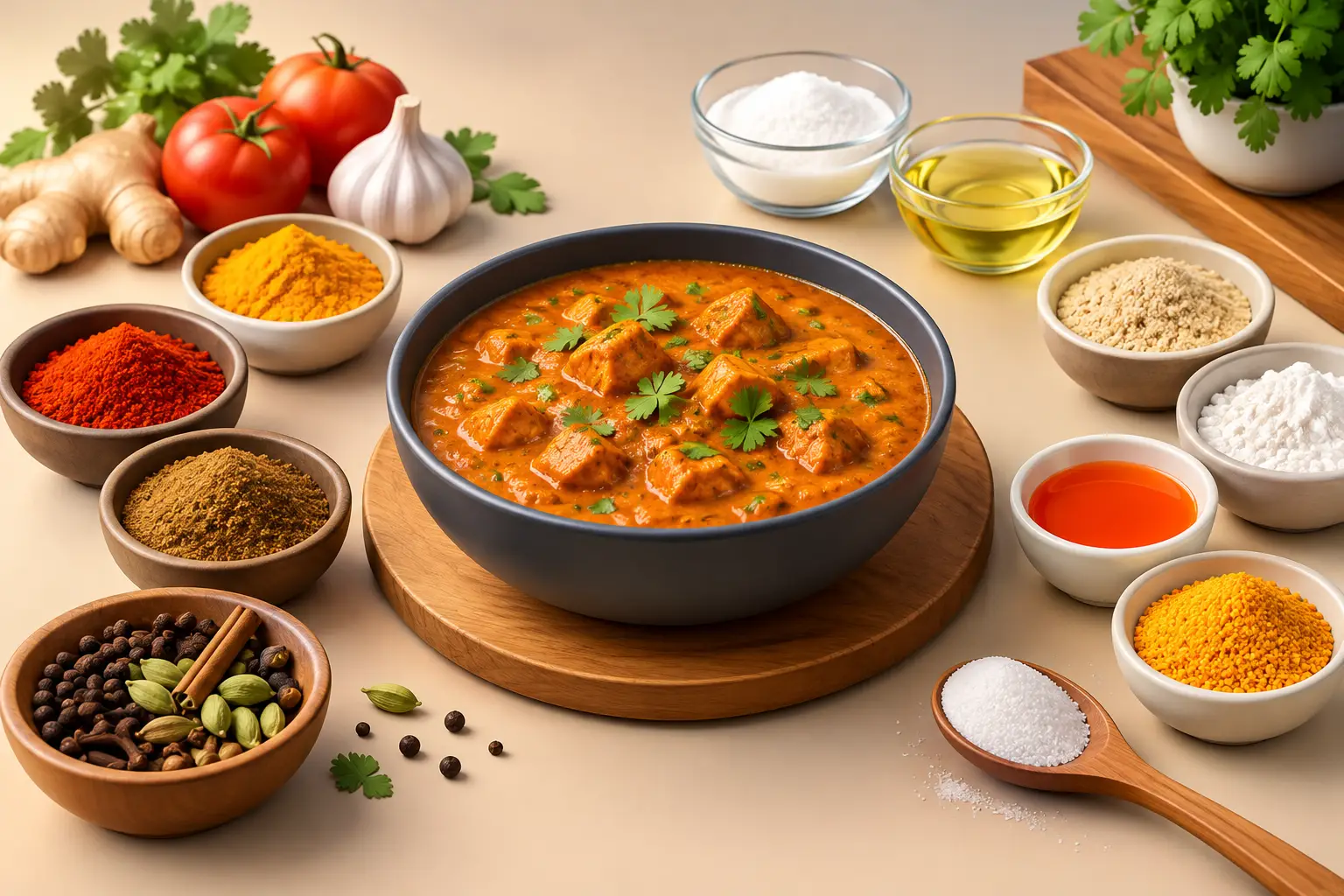
Indian cuisine offers an advantage here because vegan-friendly cooking does not have to rely on novelty ingredients or heavy substitutes. Instead, it uses technique. Slow-cooked onions create sweetness and body. Garlic, ginger, mustard seeds, curry leaves, coriander, turmeric, and green chili bring depth without needing cream or butter. The result can be lighter on the palate while still feeling complete.
That said, not every Indian dish is automatically vegan. Ghee, cream, yogurt, paneer, and butter are common in many restaurant favorites. A dish may look vegetable-led and still include dairy in the sauce. For vegan diners, the most suitable dishes are the ones prepared clearly and deliberately without those additions.
The vegan dishes that deliver the most satisfaction
A good vegan order should offer contrast. You want one dish that feels hearty, one that adds freshness or texture, and sides that make the meal more rounded.
Chana masala is one of the most reliable choices. Chickpeas hold their bite well, absorb spice beautifully, and make the dish feel substantial without becoming too heavy. When the sauce is built on tomatoes, onions, ginger, garlic, and warming spices, it has real depth and enough brightness to keep each bite lively.
Dal is another standout, especially for diners who want comfort. Whether it is made with red lentils, yellow lentils, or black lentils prepared in a vegan style, a well-made dal has richness that comes from slow cooking rather than dairy. It works particularly well for lunch, a lighter dinner, or a shared table where not everyone wants an intensely spiced main.
Aloo gobi deserves more respect than it often gets. When potatoes and cauliflower are cooked carefully, they give both texture and warmth, and the spices cling beautifully to the vegetables. It is familiar enough for cautious eaters but still full of character. It also pairs easily with rice, breads, and other mains, which makes it useful when several people are ordering together.
Baingan dishes, especially aubergine-based curries or smoky mashed aubergine, can be excellent for vegan diners who like deeper, earthier flavors. Aubergine has a naturally soft, luxurious texture when cooked well, which makes it one of the few vegetables that can feel almost indulgent without cream or butter.
Then there are spinach and okra dishes. These can be brilliant when made fresh because they bring a greener, lighter note to the table. They are especially appealing for diners who want balance rather than pure richness. The trade-off is that they depend heavily on careful cooking. Overcook either one, and the texture suffers.
What to look for beyond the main dish
If you are ordering for one person, a single vegan curry with rice may be enough. But most people ordering Indian food want the full experience, and that means thinking about the supporting dishes too.
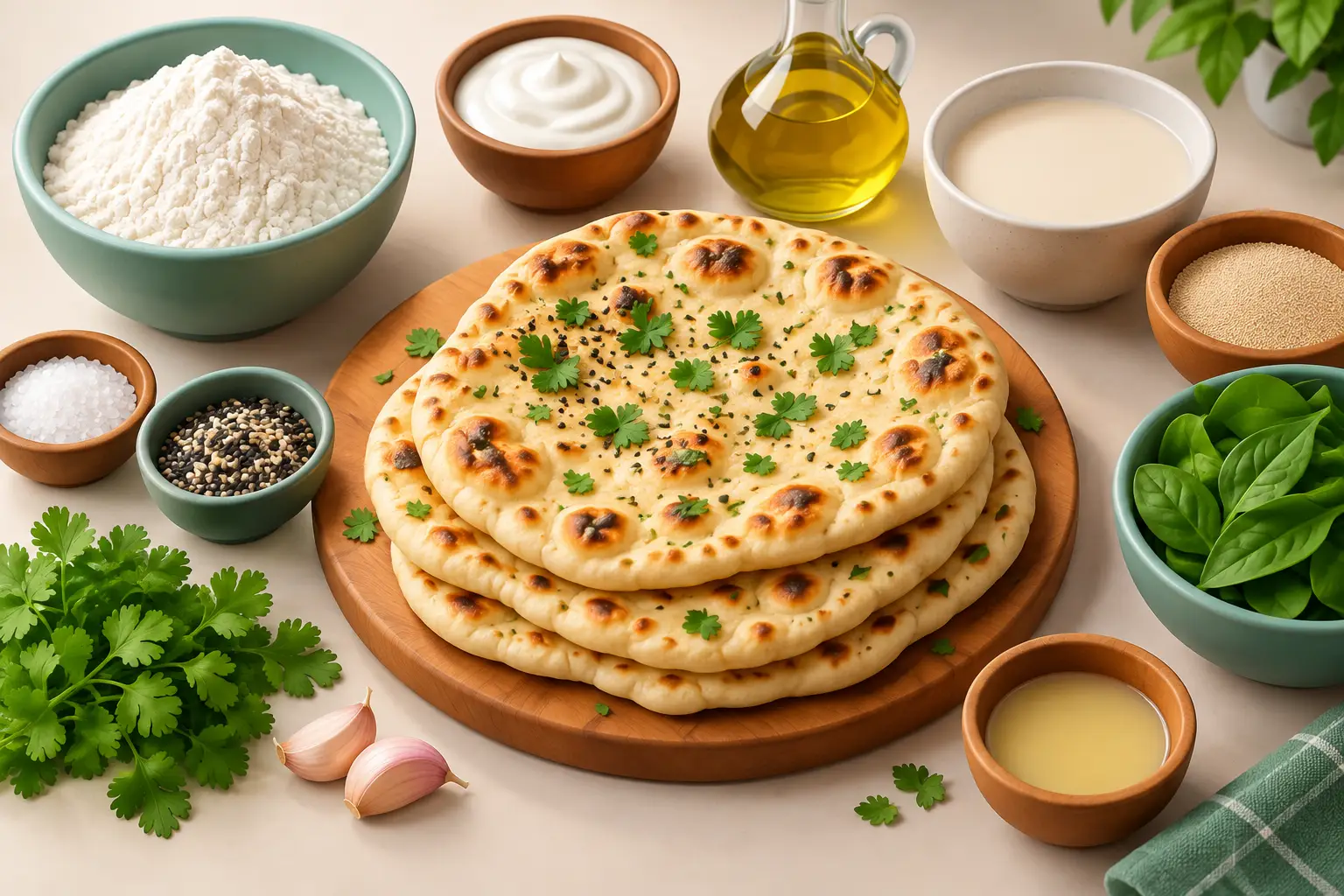
Steamed basmati rice is the obvious safe choice, but pilau rice is not always vegan, since some versions use butter or ghee. The same goes for breads. Plain roti can often be vegan, while naan usually contains yogurt or butter unless it is specifically made otherwise. This is one of those small details that can make the difference between a restricted meal and a properly enjoyable one.
Starters can also shape the meal. Vegetable samosas are often suitable, but it depends on the pastry and frying method. Onion bhajis are another popular option and can be excellent when crisp, fresh, and not overly oily. A bright salad or a side of stir-fried greens can make the whole order feel lighter and more balanced, especially for diners who enjoy Indian food but want to avoid the heavier takeaway feel.
What dishes suit vegan diners when ordering for a group?
Shared meals need flexibility. The most useful vegan dishes for a group are the ones that appeal to everyone at the table, not just the vegan diner. Chana masala, dal, aloo gobi, vegetable biryani made without ghee, and dry vegetable sides tend to work well because they are flavorful, familiar, and easy to share.
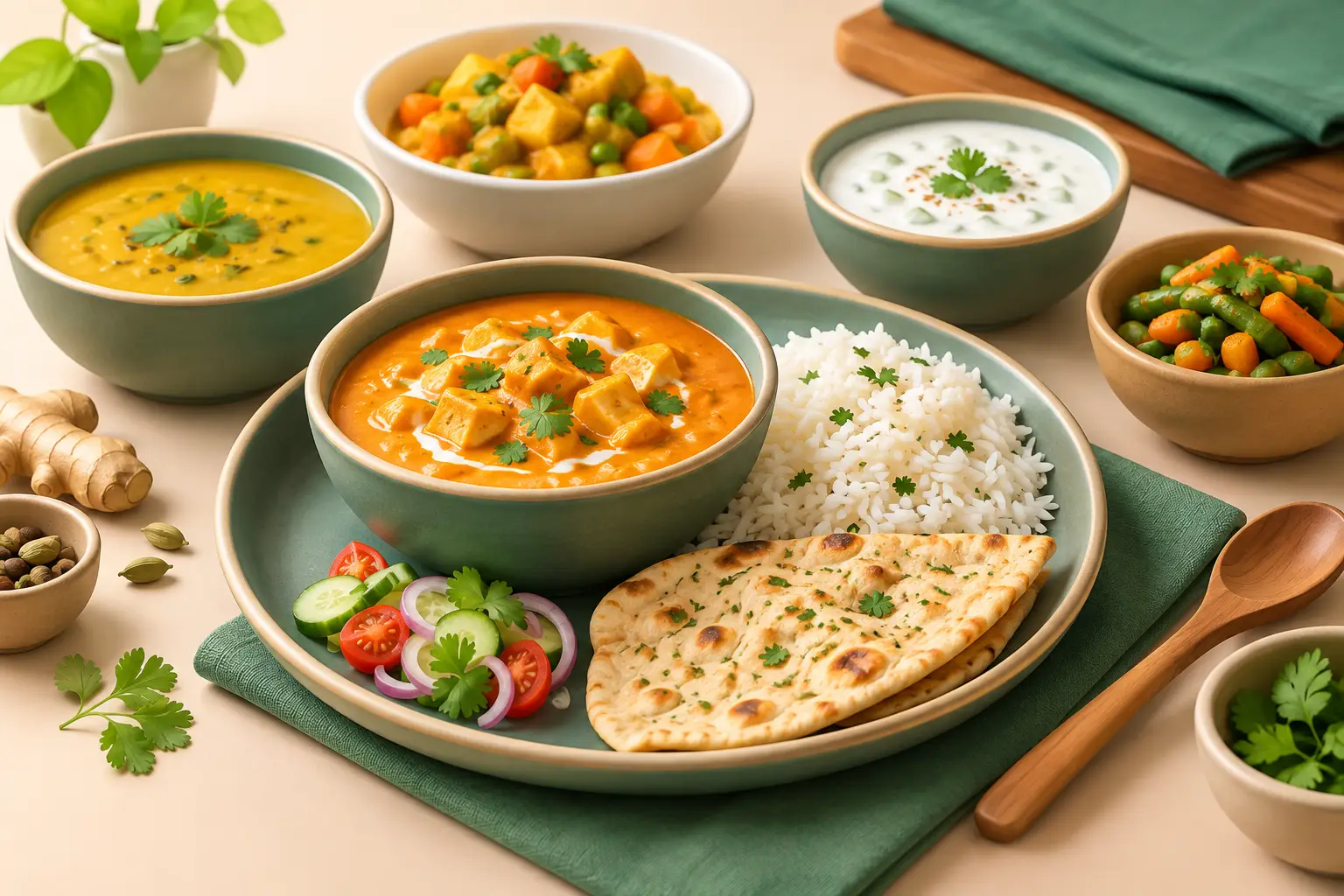
This matters for birthdays, family dinners, and office meals, where no one wants one guest to feel boxed into a token choice. A thoughtful spread usually includes a lentil dish for comfort, a chickpea or mixed vegetable curry for body, rice, and at least one dry side for texture. If breads are being ordered, it is worth checking which can be made vegan rather than assuming all of them are suitable.
The best group orders also avoid making vegan food feel separate from the rest of the meal. If the dishes are chosen well, everyone ends up eating them.
Flavor matters more than labels
There is a reason some vegan dishes get reordered constantly while others are tried once and forgotten. The difference is rarely the label. It is flavor, texture, and how satisfying the dish feels after a few bites.
A vegan curry that is all sauce and no structure can seem flat. One that includes properly cooked chickpeas, cauliflower with bite, or aubergine with smoky softness feels far more complete. Spice matters too. Not every vegan diner wants intense heat, but most do want depth. Good seasoning should taste rounded and layered, not simply hot.
Freshness is just as important. Crisp herbs, bright tomato, carefully cooked vegetables, and made-to-order preparation give vegan dishes clarity. That is often what sets apart a polished Indian meal from the kind of takeaway people associate with heaviness. At Cilantro London, that fresher approach is part of what makes vegan-friendly Indian food feel so easy to come back to.
A few things vegan diners should always check
Even the most suitable dishes can vary from kitchen to kitchen. One restaurant’s vegetable curry may be fully plant-based, while another adds cream or butter as standard. The same goes for biryani, rice, breads, and sides.
The safest approach is to look for a menu that treats vegan dining as a real part of its offering rather than a last-minute adjustment. Clear labeling helps, but so does a kitchen that understands how to preserve flavor while keeping the dish fully vegan. That means no hidden dairy, no watered-down sauces, and no sense that the dish is missing something.
For diners in Putney, Roehampton, Barnes, or nearby who want Indian food that feels both authentic and considered, this is often the difference between a one-off order and a local favorite.
The best answer depends on the diner
Some vegan diners want comfort first. For them, a warming dal, a fragrant chickpea curry, and rice will do the job beautifully. Others want variety and freshness, so a combination of a dry vegetable dish, a lighter curry, and a crisp starter may feel more appealing.
It also depends on the occasion. A quiet dinner at home calls for something different than a date night, a family meal, or a takeaway ordered after a long workday. The most suitable dishes are the ones that fit the moment as much as the diet.
A good vegan meal should never feel like the backup plan. When the cooking is thoughtful, the ingredients are fresh, and the menu is built with real care, vegan diners can enjoy Indian food that is rich in flavor, naturally balanced, and every bit as inviting as anything else on the table. The right dish is the one that makes ordering feel easy and eating feel generous.