A satisfying Indian meal has never depended on meat. Dal simmered with tempered spices, smoky eggplant, fragrant vegetables, chickpeas, lentils, and fresh flatbreads have always held their own at the table. What is changing is how diners see them. Plant based Indian trends are moving beyond a single vegan option and toward a more thoughtful way of ordering: flavorful food that feels generous, fresh, and suited to the way people want to eat.
For diners in Putney and neighboring southwest London communities, that shift is especially welcome. A weekday delivery can still feel like comfort food, but it does not have to leave the table feeling overly rich or limited for guests with different dietary needs. The best plant-forward Indian cooking is not an imitation of another meal. It is Indian cooking given the space to show its range.
Why plant based Indian trends feel so natural
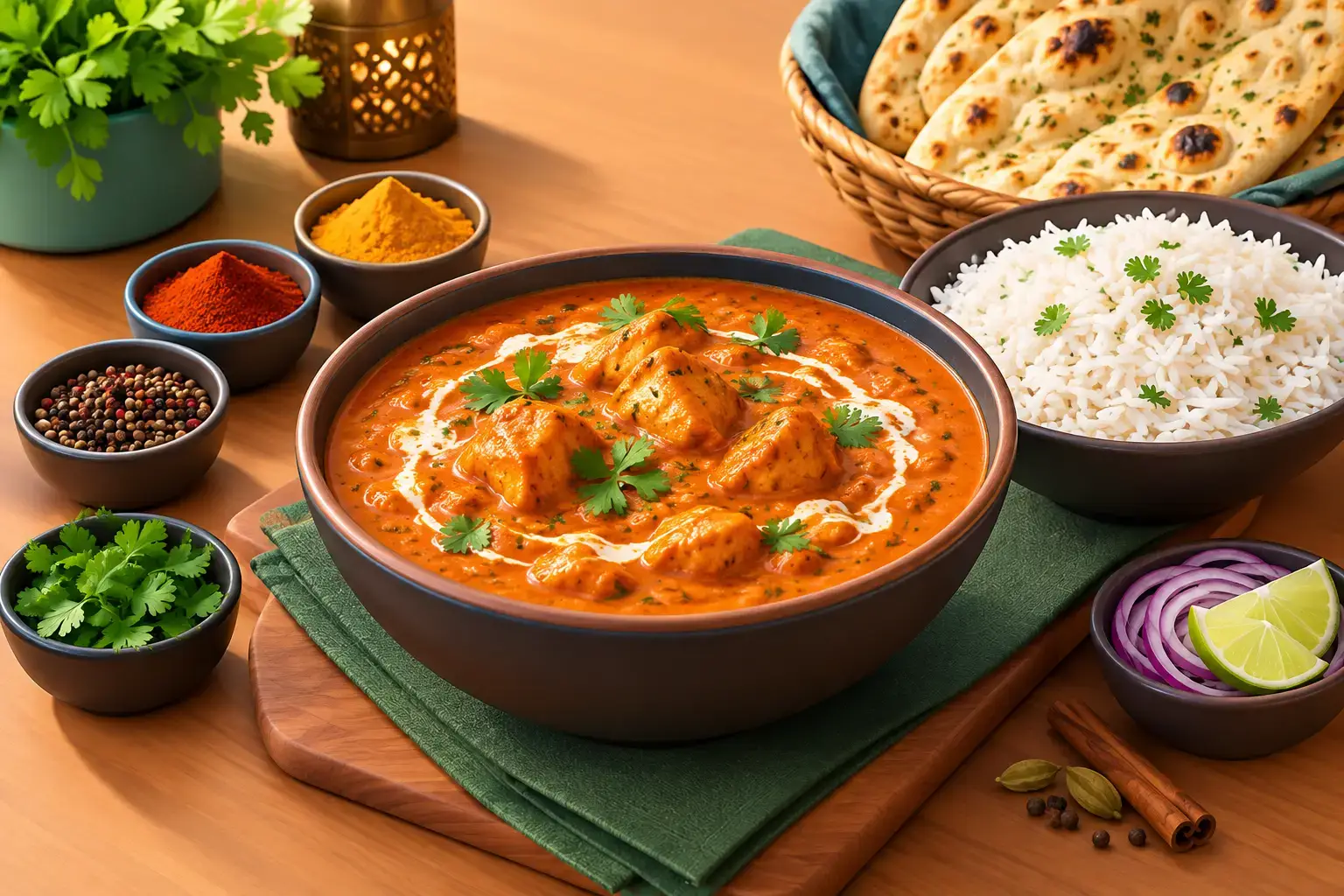
Indian regional cuisines have long made vegetables, pulses, grains, herbs, and spices central to everyday eating. That history matters because it separates plant-based Indian food from dishes built around substitutes. A well-cooked chana masala does not need to pretend to be something else. The chickpeas bring substance, the tomato and onion base gives depth, and the spice blend creates warmth that develops with every bite.
This is one reason the trend has staying power. Diners are increasingly looking for meals that offer both pleasure and balance, not food that feels like a compromise. Lentils and chickpeas provide protein and fiber. Vegetables can be grilled, roasted, sautéed, or slow-cooked to create distinct textures. Aromatics such as ginger, garlic, cumin, coriander, mustard seeds, and curry leaves give a dish real character without relying on excess cream or oil.
There is also a social benefit. Plant-forward ordering makes a shared Indian meal easier when one guest is vegan, another avoids gluten, and someone else simply wants a lighter dinner. A table can order a few dishes with different colors, textures, and levels of heat, then enjoy them together rather than treating dietary preferences as an afterthought.
The plant based Indian trends worth watching
Vegetables are taking the center of the plate
The most exciting menus are moving beyond side-dish thinking. Cauliflower, eggplant, okra, spinach, potatoes, and mixed seasonal vegetables are being prepared as dishes with their own point of view. Charred notes from the tandoor, a bright tomato sauce, toasted spices, or a slow-cooked onion base can change the personality of familiar produce completely.
Eggplant is a useful example. When it is cooked patiently, it becomes soft and smoky, ready to carry ginger, tomato, and warming spices. Okra needs a different touch: enough heat to keep it lively, with seasoning that respects its delicate texture. These are not interchangeable vegetable curries. Good cooking recognizes what each ingredient does best.
For guests who associate Indian takeaway with heavier dishes, vegetable-led mains can be a welcome reset. They still deliver the deep spice profile people crave, but they often feel cleaner and more balanced, especially when paired with rice, a salad, or a simple dal.
Lentils and beans are becoming the everyday power choice
Dal has always been a staple, yet more diners are recognizing it as a satisfying main course rather than a supporting dish. Whether made with yellow lentils, black lentils, split pigeon peas, or a combination, dal brings comfort without needing a complicated formula. Its appeal is practical as well as delicious: it is filling, naturally plant-based when prepared without dairy, and easy to pair with vegetables and breads.
Chickpeas, kidney beans, and black-eyed peas are also gaining attention for the same reason. They make plant-based meals feel substantial. For an office lunch, a family order, or a relaxed dinner at home, a bean or lentil dish can anchor the meal while other plates add variety.
That said, not every lentil dish is automatically light. Some classic preparations rely on butter, cream, or generous amounts of ghee for their signature richness. There is nothing wrong with that when it is what you want. The useful trend is choice: diners can now look for brighter, dairy-free dals alongside more indulgent favorites.
Better plant-based food is less dependent on imitation meat
Meat alternatives have a place, particularly for people who miss a specific texture or want a familiar entry point into plant-based eating. But Indian food does not need to rely on processed substitutes to be exciting. Its natural advantage is variety: crisp vegetables, creamy lentils, chewy chickpeas, soft potatoes, and fragrant basmati all contribute something different.
A restaurant can create a memorable plant-based menu by treating produce with the same care as any premium ingredient. Fresh preparation, well-built sauces, properly toasted spices, and attention to texture matter more than a label on the menu. This approach also lets the food remain connected to traditional recipes rather than chasing a passing novelty.
Lighter cooking is becoming part of the expectation
“Lighter” should not mean under-seasoned or overly restrained. It means that oil, salt, cream, and sweetness are used with purpose, while fresh ingredients and spice layers do more of the work. A dish can be aromatic and full-bodied without feeling greasy.
This is particularly relevant for delivery and takeaway. Food that travels well needs enough sauce to stay moist and flavorful, yet not so much richness that every dish tastes the same by the time it reaches the table. Tandoori vegetables, salads with Indian seasoning, lentil dishes, and tomato-based curries can offer that balance when made to order.
For many guests, the ideal order combines both comfort and freshness. A richly flavored curry may sit alongside a crisp salad, steamed rice, or a vegetable dish with a brighter profile. Balance is not about denying yourself the dishes you love. It is about building a meal that feels good from the first bite to the last.
How to order a plant-forward Indian meal well
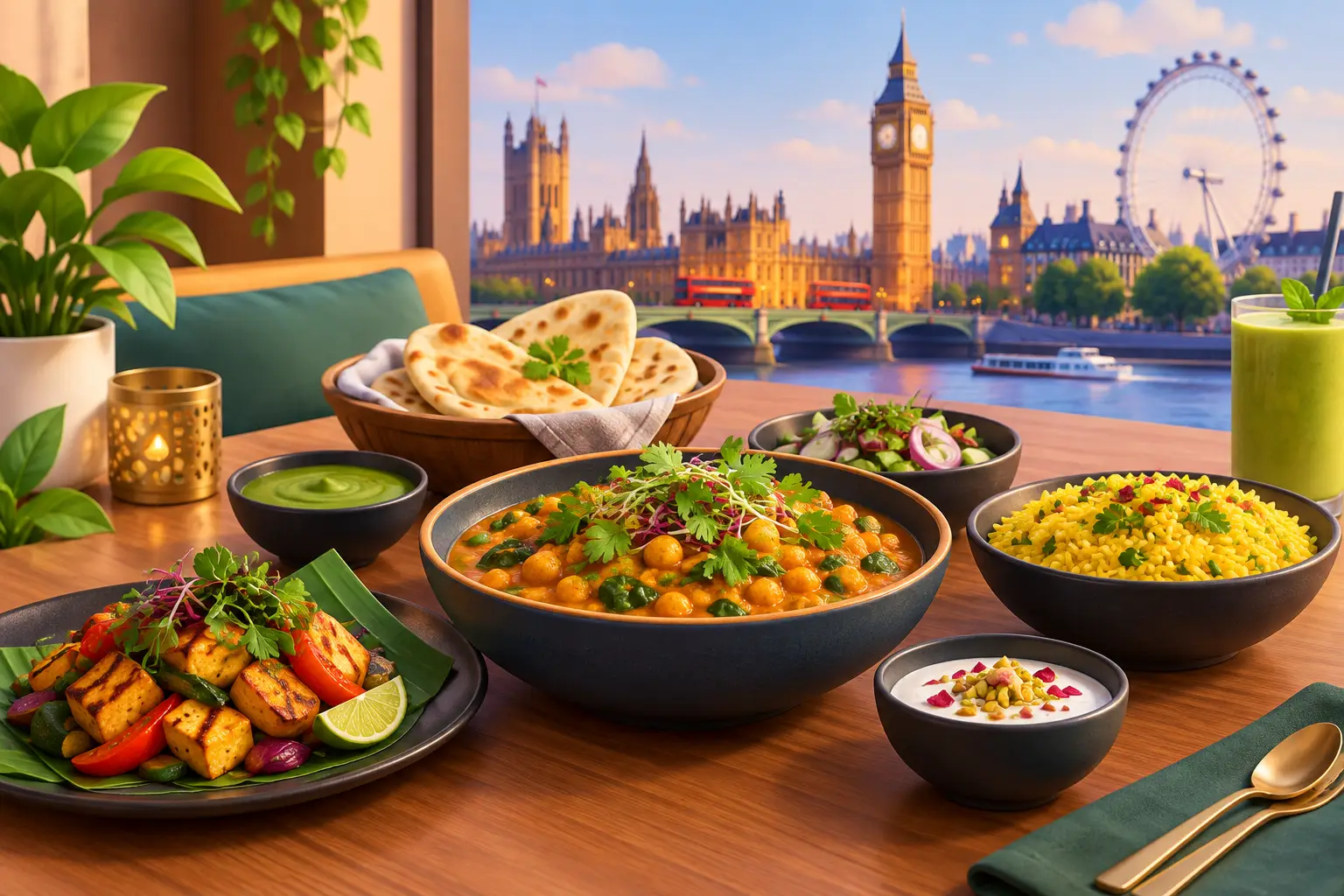
A thoughtful order is more satisfying than selecting several dishes with the same sauce and texture. Start with one protein-rich base, such as dal or chickpeas, then add a vegetable main with a contrasting style. A smoky tandoori preparation works well beside a comforting curry, while a fresh salad can bring lift to warmer, slower-cooked dishes.
Ask direct questions if you are ordering for vegan or gluten-free guests. Vegetarian and vegan are not the same thing in Indian cooking. Ghee, yogurt, cream, paneer, and butter are common in traditional recipes, and they may appear in sauces, marinades, breads, or finishing touches. Gluten can also be present in wheat-based breads and in occasional recipe variations. A good restaurant will be clear about ingredients and practical about cross-contact considerations.
Heat is another choice worth making intentionally. More chili does not always mean more flavor. Indian food gets its depth from a combination of spices, herbs, acidity, and cooking methods. If everyone at the table has a different tolerance, choose a moderate level for shared dishes and let the natural character of the food come through.
What this means for Indian dining in southwest London
Plant-based dining is often discussed as if it belongs only to specialist cafés or strict wellness menus. In reality, it belongs naturally in a great Indian restaurant, where heritage recipes and modern expectations can meet without losing either one. Diners want food that respects tradition, accommodates real lives, and arrives with the same care whether it is served at a table or enjoyed at home.
That is the opportunity for restaurants serving Putney, Barnes, Richmond, Wimbledon, and nearby neighborhoods. A thoughtful menu can welcome the committed vegan, the curious flexitarian, and the family member who simply wants a flavorful vegetable dish tonight. It can offer celebration, convenience, and nourishment in the same order.
At Cilantro London, the most rewarding way to explore these flavors is to order with contrast in mind: choose a warming lentil or chickpea dish, add a vegetable-led favorite, and include something fresh alongside it. Plant-based Indian food is at its best when it feels less like a restriction and more like a generous invitation to eat well.