If you have ever looked at an Indian menu and wondered, is tandoori food healthy, you are asking the right question. Tandoori dishes often have a healthier reputation than creamy curries or deep-fried starters, and in many cases that reputation is deserved. But the real answer depends on how the food is marinated, cooked, and served, and what you order alongside it.
Tandoori cooking has a lot going for it. The food is traditionally cooked at high heat in a clay oven, which creates char, smoke, and depth of flavor without needing heavy sauces or large amounts of oil. That alone makes it appealing to diners who want Indian food that feels satisfying without feeling overly rich.
Is tandoori food healthy compared with other Indian dishes?
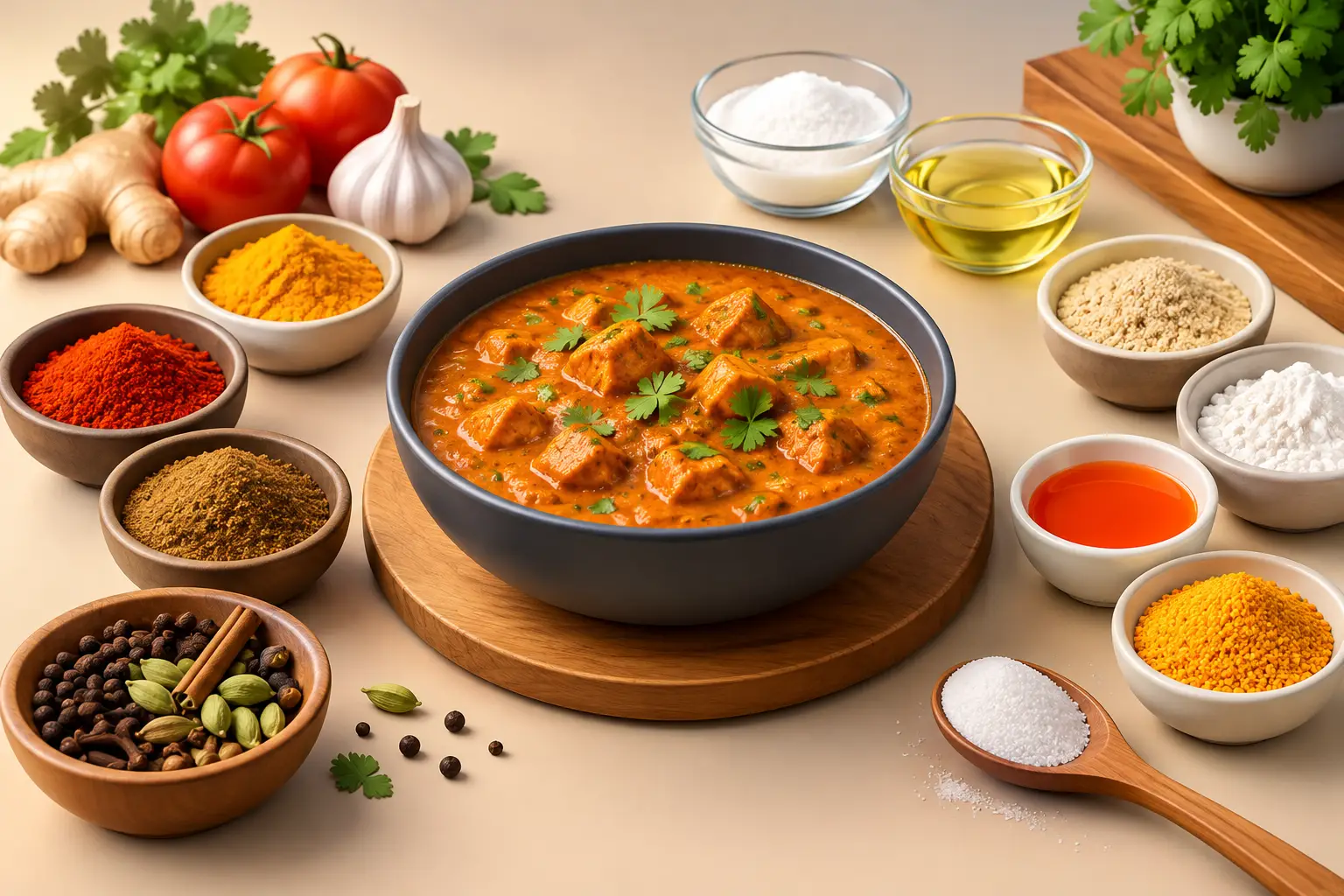
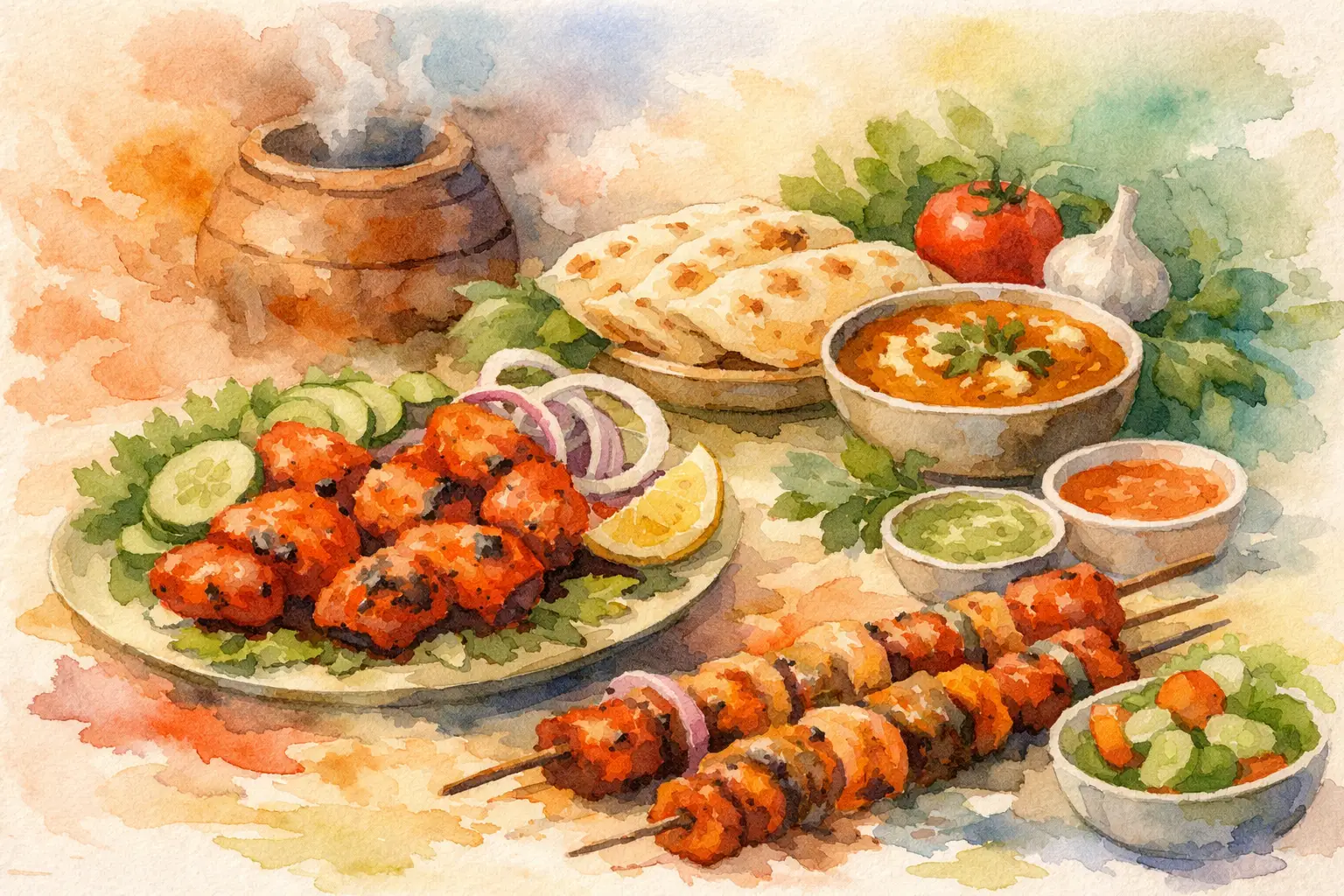
Usually, yes. Tandoori food is often one of the lighter sections of an Indian menu because the cooking method is based on roasting rather than frying. Chicken, fish, shrimp, paneer, and vegetables are marinated with yogurt and spices, then cooked until lightly charred on the outside and tender inside. That means you get bold flavor from cumin, coriander, turmeric, garlic, ginger, chili, and garam masala rather than from butter or cream.
Compared with dishes built around ghee-heavy sauces, sweet creamy bases, or deep-fried ingredients, tandoori options can be lower in calories and saturated fat. They also tend to be higher in protein, especially when you choose chicken, fish, or shrimp. For anyone trying to eat more mindfully without giving up proper flavor, that is a strong advantage.
That said, lighter does not always mean low-calorie, and healthy does not mean identical for every diner. A paneer tikka cooked in the tandoor may still be nutritious, but it will naturally be richer than grilled chicken because paneer contains more fat. Lamb can be a good source of protein and iron, but it is usually fattier than chicken breast or white fish. The method is healthy-friendly, but the ingredient choice still matters.
Why tandoori cooking can be a healthier option
The biggest reason tandoori food is often seen as healthy is the oven itself. A traditional tandoor cooks at very high temperatures, which gives food a roasted finish quickly. Because the heat is intense, the marinade clings to the food and develops flavor fast, so there is less need for excess oil during cooking.
Yogurt-based marinades also play a helpful role. Yogurt adds tang, helps tenderize proteins, and creates a coating that carries spices well. In moderation, this kind of marinade is usually lighter than a sauce based on cream, butter, or coconut milk. Spices bring more than taste too. Ginger, garlic, turmeric, and chili are widely valued in balanced cooking because they add character without relying on sugar or heavy fat.
Another benefit is portion clarity. With tandoori food, what you see is usually what you get: grilled protein or vegetables, often served with onions, lemon, mint chutney, or salad. That makes it easier to build a meal with balance. You are not guessing how much butter went into the sauce.
When tandoori food is not as healthy as it sounds
This is where nuance matters. Not every tandoori dish is automatically a light choice.
Some restaurant versions use more oil in the marinade than you might expect. Others pair the grilled item with buttery naan, creamy sauces, fries, or rich rice dishes that shift the meal from balanced to heavy. Sodium can also climb quickly, especially in restaurant cooking where seasoning needs to hold up through takeaway and delivery.
Charring is another area where moderation matters. A little char is part of the appeal of tandoori cooking, but heavily blackened meat is not the goal. Well-cooked and lightly charred is ideal. Burnt food is a different story.
Portion size can also change the health picture. A plate of tandoori chicken with salad is very different from ordering multiple starters, naan, rice, and a rich side dish on the same meal. The tandoori item may still be the leanest part of the table, but the overall dinner becomes much heavier.
The healthiest tandoori choices on the menu
If your goal is to keep things lighter while still enjoying authentic Indian flavors, a few tandoori options tend to stand out.
Tandoori chicken
This is often one of the best choices. Chicken is naturally high in protein, and when it is marinated in yogurt and spices and cooked in the tandoor, it delivers a lot of flavor without needing a rich sauce. Chicken breast is the leanest option, though bone-in cuts can be juicy and satisfying too.
Tandoori fish or shrimp
Fish and shrimp can be excellent if you want something lighter and clean-tasting. They are usually quick-cooking, high in protein, and lower in fat than many red meat options. The key is simple preparation that lets the marinade and smoke come through.
Tandoori vegetables
Vegetable tandoori dishes deserve more credit than they get. Cauliflower, mushrooms, bell peppers, and onions respond beautifully to the tandoor. They can bring texture and depth without making the meal feel heavy. For vegetarians, this can be one of the easiest ways to eat well while still feeling fully included in the menu.
Paneer tikka
Paneer tikka can absolutely be part of a healthy meal, especially if you want a satisfying vegetarian option. It is filling and rich in protein, but paneer is also more calorie-dense than chicken or fish. If you love it, the smartest move is not to avoid it, but to pair it with vegetables or salad instead of multiple breads.
What you eat with tandoori matters just as much
A healthy tandoori main can be undone by heavy sides, but it can also become an excellent balanced meal with the right pairings.
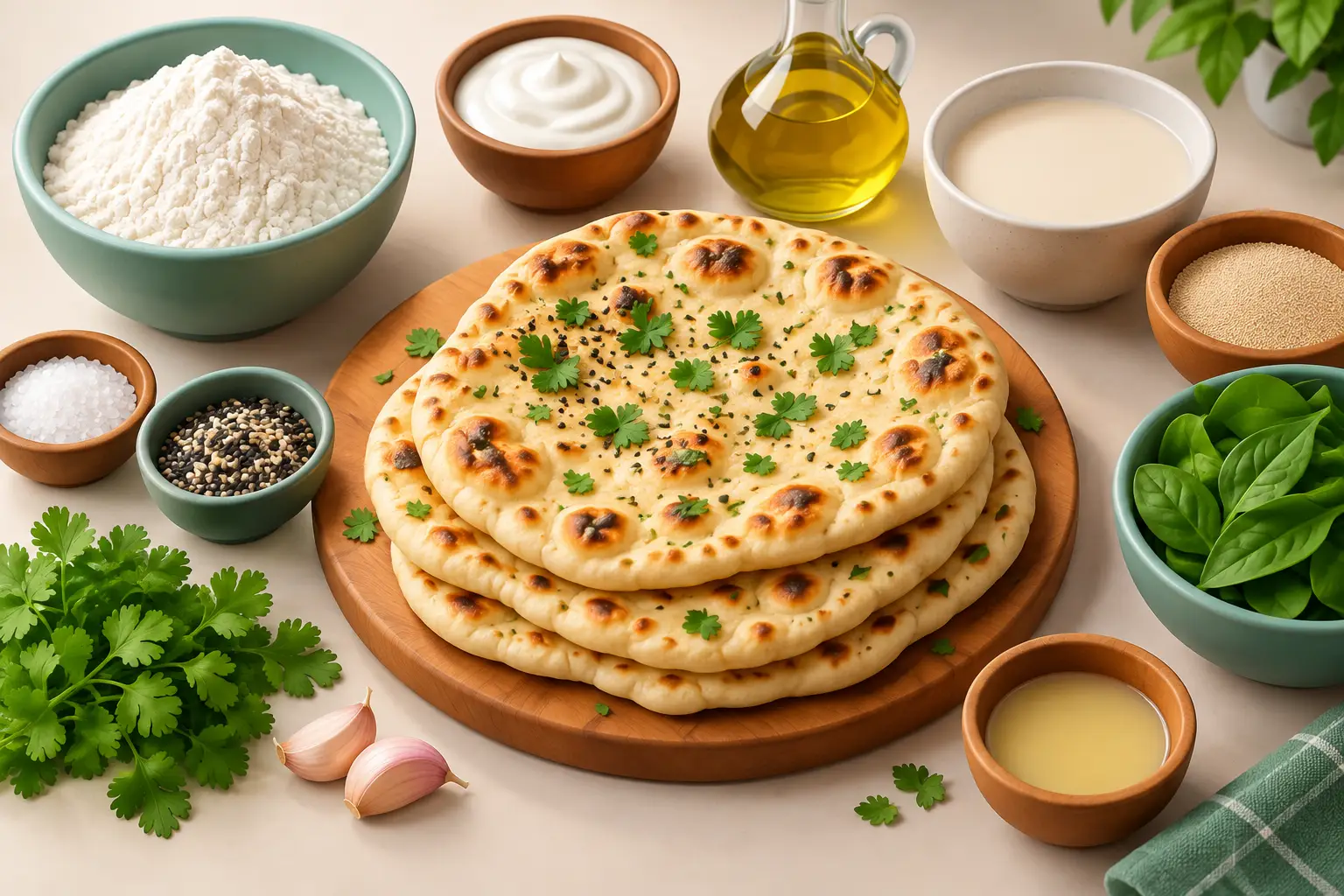
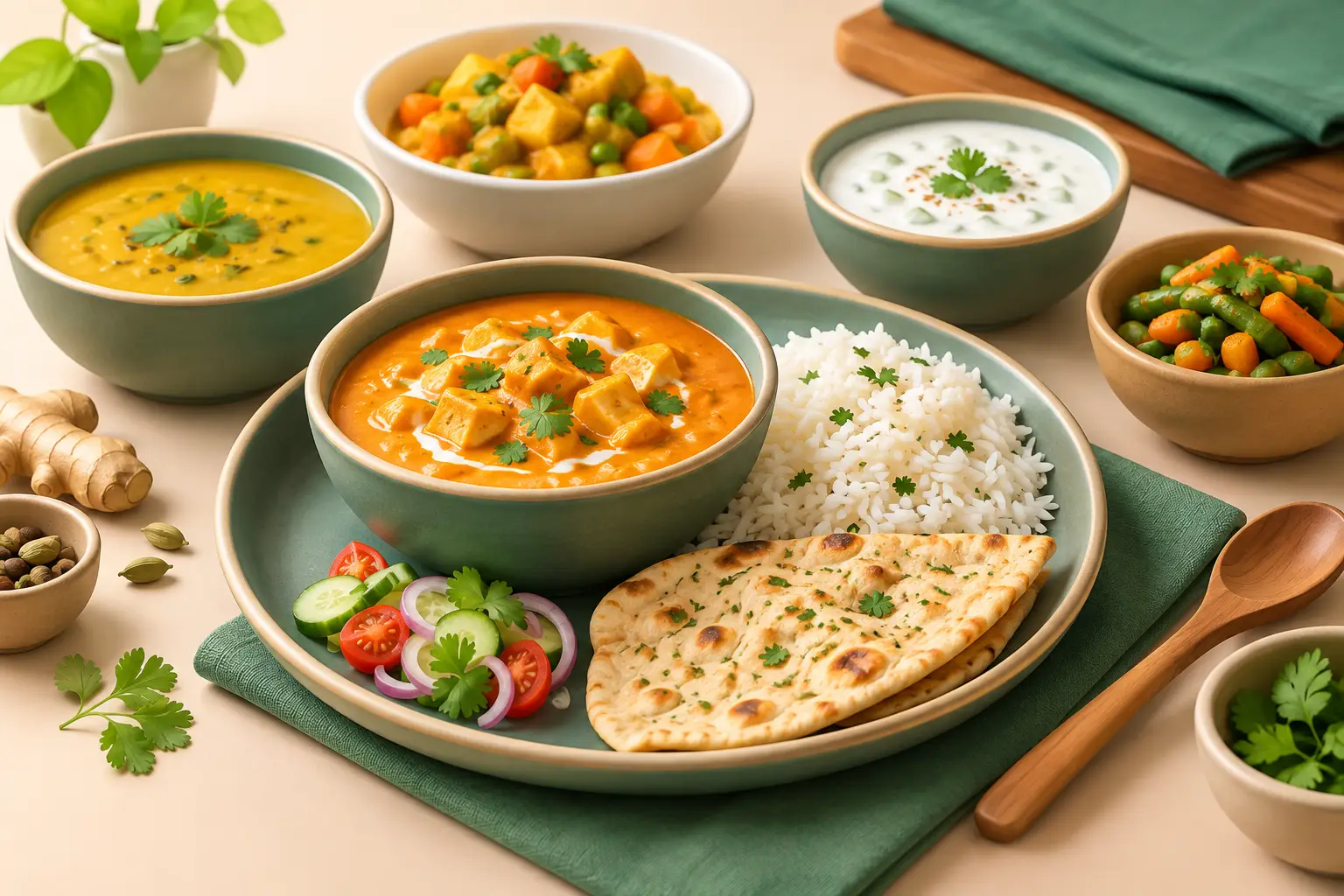
Mint chutney, cucumber salad, grilled vegetables, or a simple lentil side can keep the meal fresh and complete. Rice can fit comfortably too, especially if portions are sensible. Naan is not off-limits, but sharing it or choosing one bread for the table instead of one per person often makes a noticeable difference.
If you are ordering for delivery or takeaway, this is where intention helps. It is easy to add extras out of habit. A more balanced order might be a tandoori main, a vegetable side, and one carb to share rather than several rich dishes competing on the same table.
Is tandoori food healthy for different eating goals?
For high-protein eating, tandoori food can work very well. Chicken, fish, and shrimp are especially strong picks.
For lower-carb eating, tandoori dishes are often a natural fit as long as you go easy on naan, rice, and sweeter sauces. For gluten-free diners, many tandoori items can be suitable, though cross-contact and marinade ingredients should always be checked with the restaurant.
For vegetarian diners, tandoori vegetables and paneer tikka can be satisfying options, though the balance may look different from a lean meat dish. If you are watching sodium, restaurant food in general requires a bit more care, so portion size and frequency matter.
This is one reason modern Indian kitchens that focus on fresh, made-to-order cooking tend to stand out. When food is prepared with care and not overloaded with grease, tandoori dishes can feel both comforting and clean. At Cilantro London, that balance between authentic flavor and a lighter touch is exactly what many local diners are looking for.
How to order tandoori food more thoughtfully
You do not need to overcomplicate it. Start with the protein or vegetable you genuinely want, then think about the rest of the plate. Ask yourself whether you want the meal to feel light, hearty, or somewhere in the middle.
If you want the healthiest version, go for a grilled tandoori main with vegetables or salad and keep breads and creamy sides modest. If you are out for a fuller dinner, enjoy the naan or biryani, just know that the tandoori item is no longer the whole story of the meal.
There is also value in how the food leaves you feeling afterward. A well-made tandoori dish should taste vibrant and satisfying, not greasy or weighed down. That is often the difference between food that feels indulgent in the best way and food that simply feels too much.
So, is tandoori food healthy? Often, yes – especially compared with heavier Indian dishes. It is one of the best examples of how Indian food can be deeply flavorful, rooted in tradition, and still feel fresh and balanced. The smartest approach is not to label it automatically healthy or unhealthy, but to pay attention to the full meal, because that is where the real answer usually lives.