A great Indian meal should leave you satisfied, not weighed down. Indian cuisine is often reduced to a single idea of rich curries and late-night takeout, but its real character is far more varied: fragrant rice, flame-charred tandoori dishes, bright herbs, slow-cooked sauces, crisp vegetables, and spices used with purpose. It can be celebratory and comforting, yet also fresh, balanced, and perfectly suited to an easy weeknight dinner.
What Makes Indian Cuisine So Distinctive?
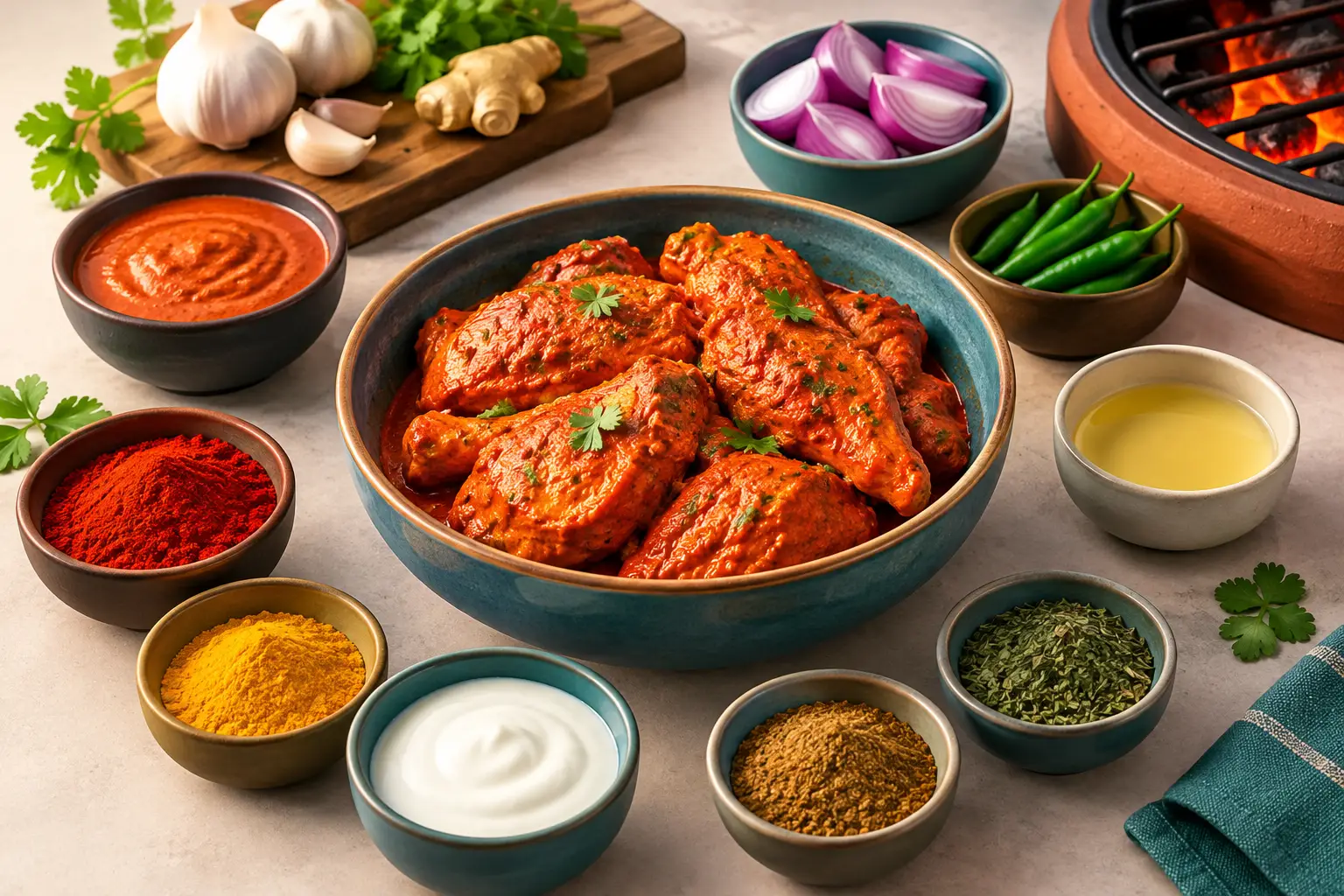
The depth of Indian food comes from layering, not simply adding heat. Cumin brings warmth, coriander adds a citrusy lift, turmeric offers earthiness and color, while cardamom, cloves, cinnamon, and black pepper can create a deeper, more aromatic finish. The best cooking lets each ingredient play a role. A dish may be gently spiced and still full of flavor, while a hotter curry should have complexity beyond its chili heat.
There is no single version of Indian cooking. Regional traditions are shaped by climate, local produce, religion, trade, and generations of family recipes. Coastal dishes may feature coconut, tamarind, and seafood. Northern cooking is known for the tandoor, rich tomato-based gravies, breads, and warming whole spices. In other regions, lentils, vegetables, rice, mustard seeds, curry leaves, and tangy yogurt take center stage.
That variety is why Indian food works so well for shared tables. One person might choose a smoky chicken tikka, another a vegetable curry, and someone else a fragrant biryani. With rice, bread, chutneys, and a fresh side dish alongside, the meal feels generous without every plate needing to be heavy.
Freshness Changes the Whole Experience
Freshly prepared Indian food has an energy that is hard to miss. Onions cooked slowly until sweet, ginger and garlic added at the right moment, tomatoes reduced into a proper sauce, and spices bloomed in hot oil all create flavor that cannot be rushed. The difference is especially clear in dishes that look simple. A lentil dal, for example, relies on careful seasoning, texture, and a final tempering of aromatic spices to become memorable.
Freshness also means respecting contrast. A creamy curry benefits from a squeeze of lemon, a scattering of cilantro, or the coolness of yogurt. Tandoori cooking brings char and smokiness, while a crisp salad can make the rest of the meal feel lighter. Biryani should have separate, fragrant grains of rice rather than a dense, overcooked mound.
This is where the old assumption that Indian food must feel greasy falls apart. Traditional cooking has always included grilled proteins, vegetable-led dishes, lentils, salads, and carefully seasoned broths and sauces. Rich dishes absolutely have their place, particularly when celebrating or sharing, but they are only one part of the menu.
Indian Cuisine Can Be Lighter Without Losing Its Soul
A lighter approach should never mean flavorless food or watered-down recipes. It means choosing quality ingredients, cooking to order, and using spice, acidity, herbs, and technique to create satisfaction. Yogurt can add tang and tenderness to a marinade. The tandoor can give chicken, fish, paneer, and vegetables a beautifully smoky exterior without relying on a heavy sauce. Lentils offer warmth and substance, while roasted vegetables bring natural sweetness.
Balance is personal, too. If you are ordering for a quiet dinner at home, you may prefer grilled dishes, a vegetable side, and rice over several creamy mains. For a family gathering, a richer curry alongside a vegan dish, a dal, and fresh bread gives everyone something to enjoy. There is no wrong way to order, but a mix of textures and intensities usually makes the meal more satisfying.
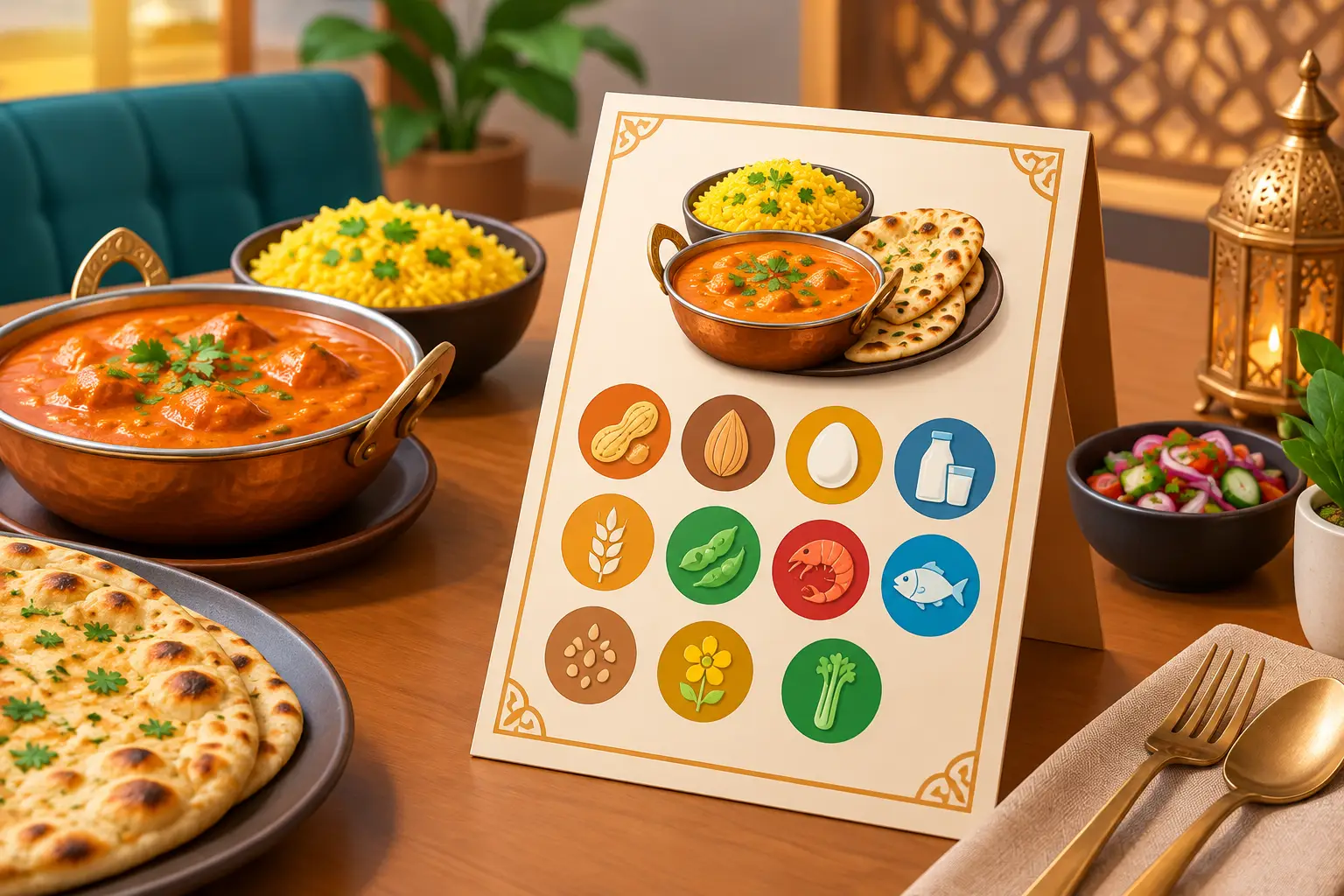
For diners with dietary preferences, Indian food offers real choice rather than an afterthought. Many dishes are naturally vegetarian or vegan, built around chickpeas, lentils, cauliflower, spinach, eggplant, potatoes, and seasonal vegetables. Gluten-free options can also be plentiful, although it is always wise to ask about preparation and ingredients when avoiding allergens. A thoughtful kitchen will help diners choose confidently.
How to Build a Great Indian Meal
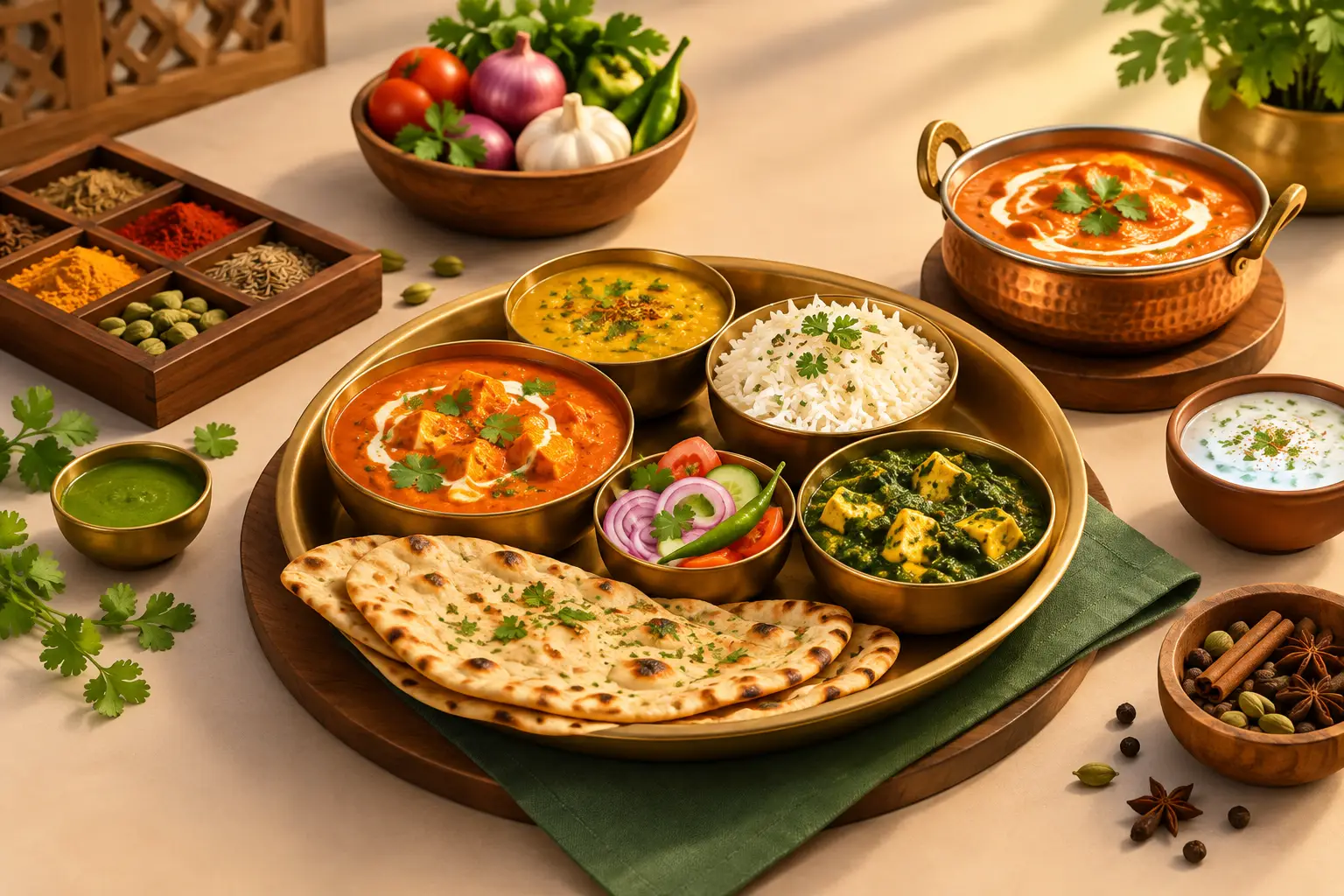
The most enjoyable order has contrast. Start with one main that is saucy and aromatic, then add something grilled or dry-spiced. Pair it with rice or bread, but consider a vegetable dish or salad as well. This gives you warmth, freshness, and a little variety in every bite.
If you are new to a menu, begin with familiar foundations such as chicken tikka, lamb curry, vegetable curry, dal, or biryani. Then add one dish that stretches your usual order. Perhaps try a tandoori vegetable plate, a spiced chickpea dish, or a curry with a brighter tomato, tamarind, or spinach base. You do not need to order the hottest dish to experience authentic spice. Heat can be adjusted, while aromatic depth is what gives the food its character.
For a group, sharing is often the best approach. Choose a combination of meat, seafood or paneer, vegetables, a lentil dish, rice, and breads. Ask for guidance if guests have different spice tolerances or dietary needs. A good restaurant will steer you toward a table that feels considered rather than overwhelming.
The Tandoor: More Than a Cooking Method
The tandoor is central to many beloved Indian dishes because it creates flavor that a standard oven cannot quite replicate. Its intense heat seals marinades quickly, leaving tender interiors and lightly charred edges. Chicken tikka, kebabs, paneer, and vegetables develop a smoky depth that cuts through the brighter flavors of herbs, lemon, and yogurt.
Tandoori dishes are also a smart choice when you want a meal with a lighter feel. They are satisfying on their own, but they pair beautifully with a salad, lentils, or a simple rice dish. That said, no dish should be judged only by whether it is grilled or creamy. A carefully made curry can be deeply comforting and balanced, especially when shared with fresh accompaniments.
A Local Indian Dinner Worth Returning To
For diners in Putney and nearby neighborhoods, the ideal Indian restaurant should work for more than one occasion. It should feel right for a relaxed date night, an easy family dinner, an office meal, or a dependable takeaway after a long day. You should be able to sit down and enjoy attentive hospitality, or order at home knowing the food will arrive with its flavor and care intact.
At Cilantro London, the focus is on authentic recipes prepared with a fresher, more refined approach. That means honoring the comfort and spice depth people love in Indian food while offering choices that suit modern appetites, including vegetarian, vegan, and gluten-free diners. Whether you book a table or order online, the goal is straightforward: restaurant-quality Indian food made to be enjoyed often, not saved only for special occasions.
The next time you are choosing dinner, think beyond one familiar curry. Order something smoky from the tandoor, something slow-cooked and fragrant, and something fresh to bring the whole meal into balance. That is where Indian food becomes not just filling, but genuinely memorable.