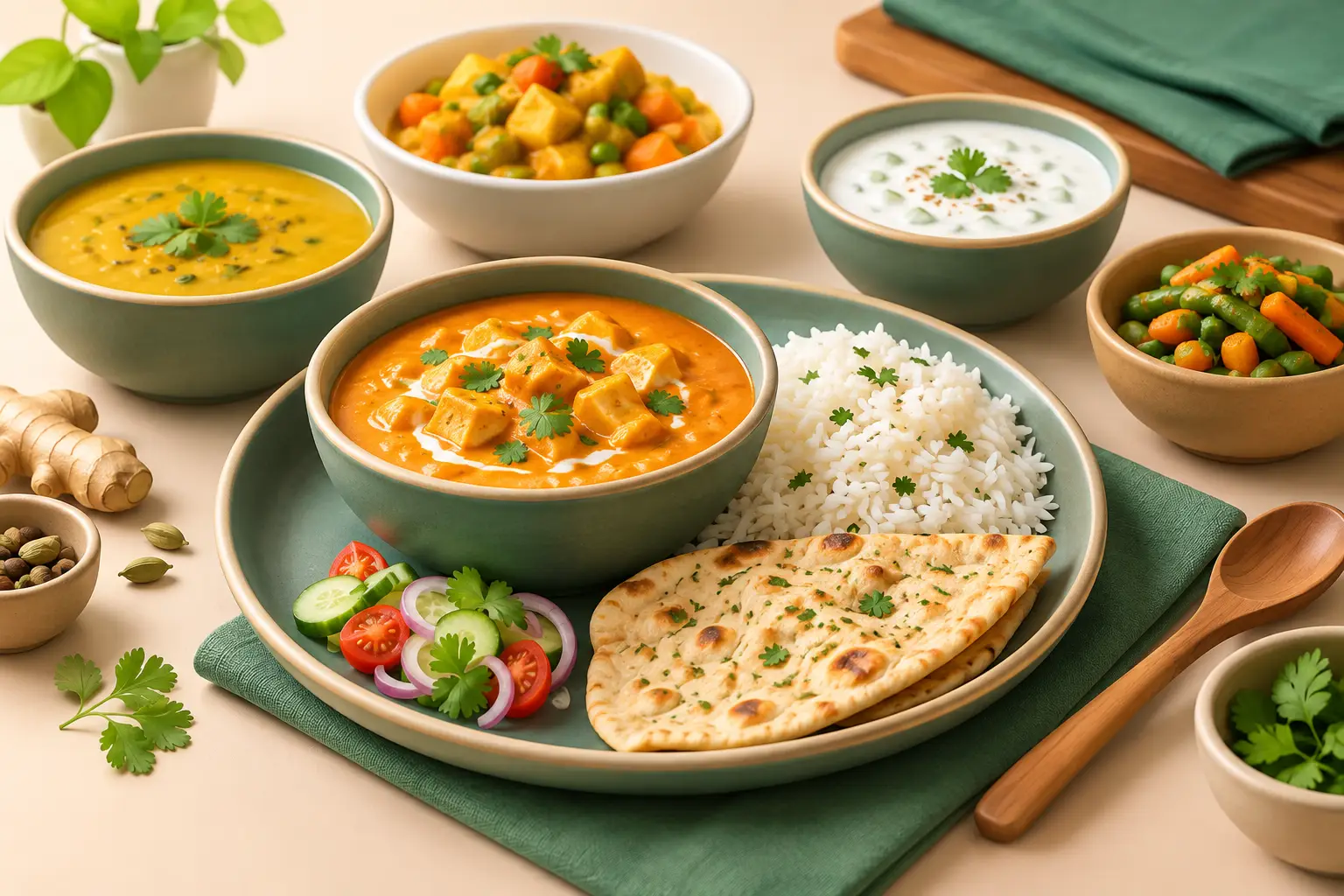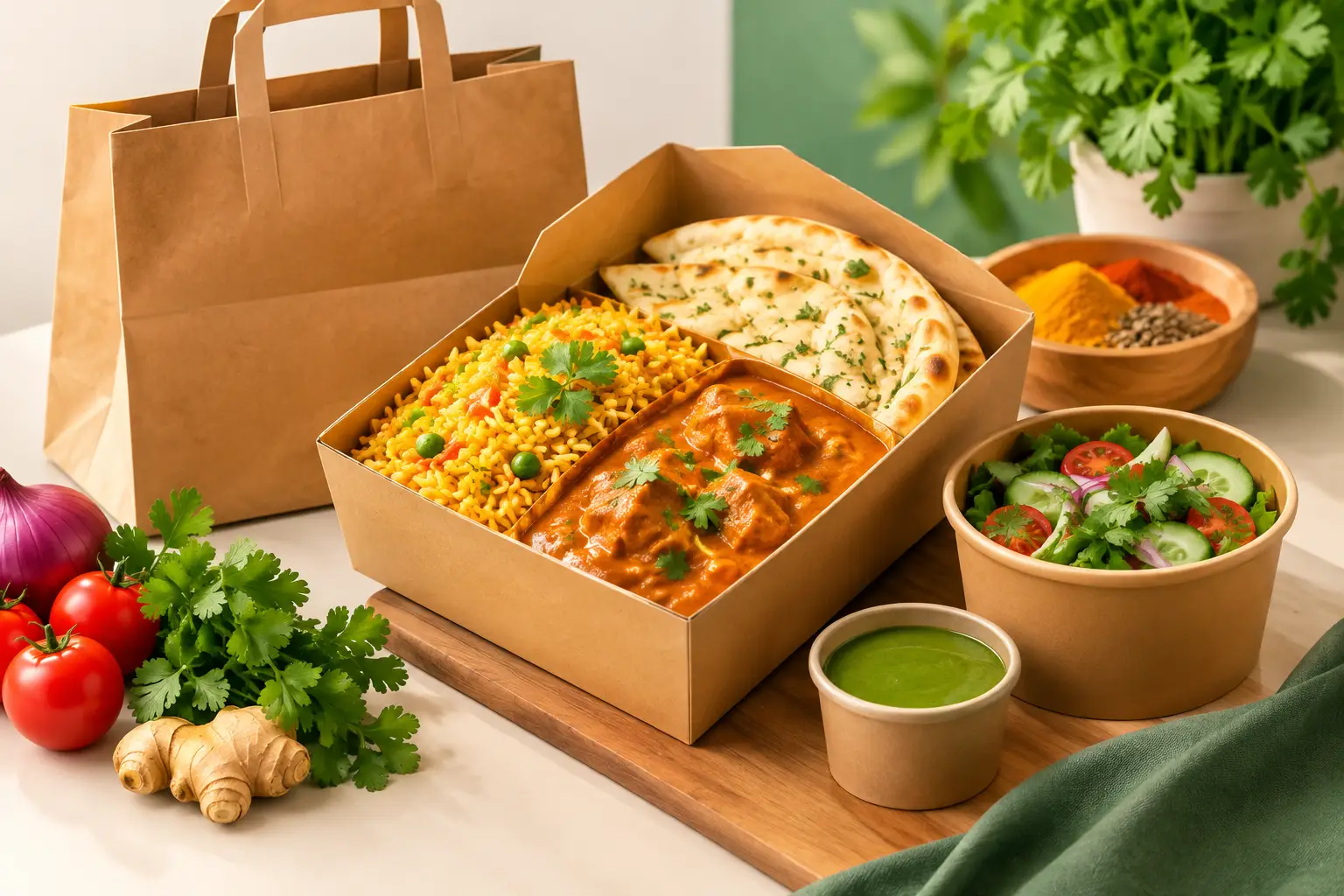
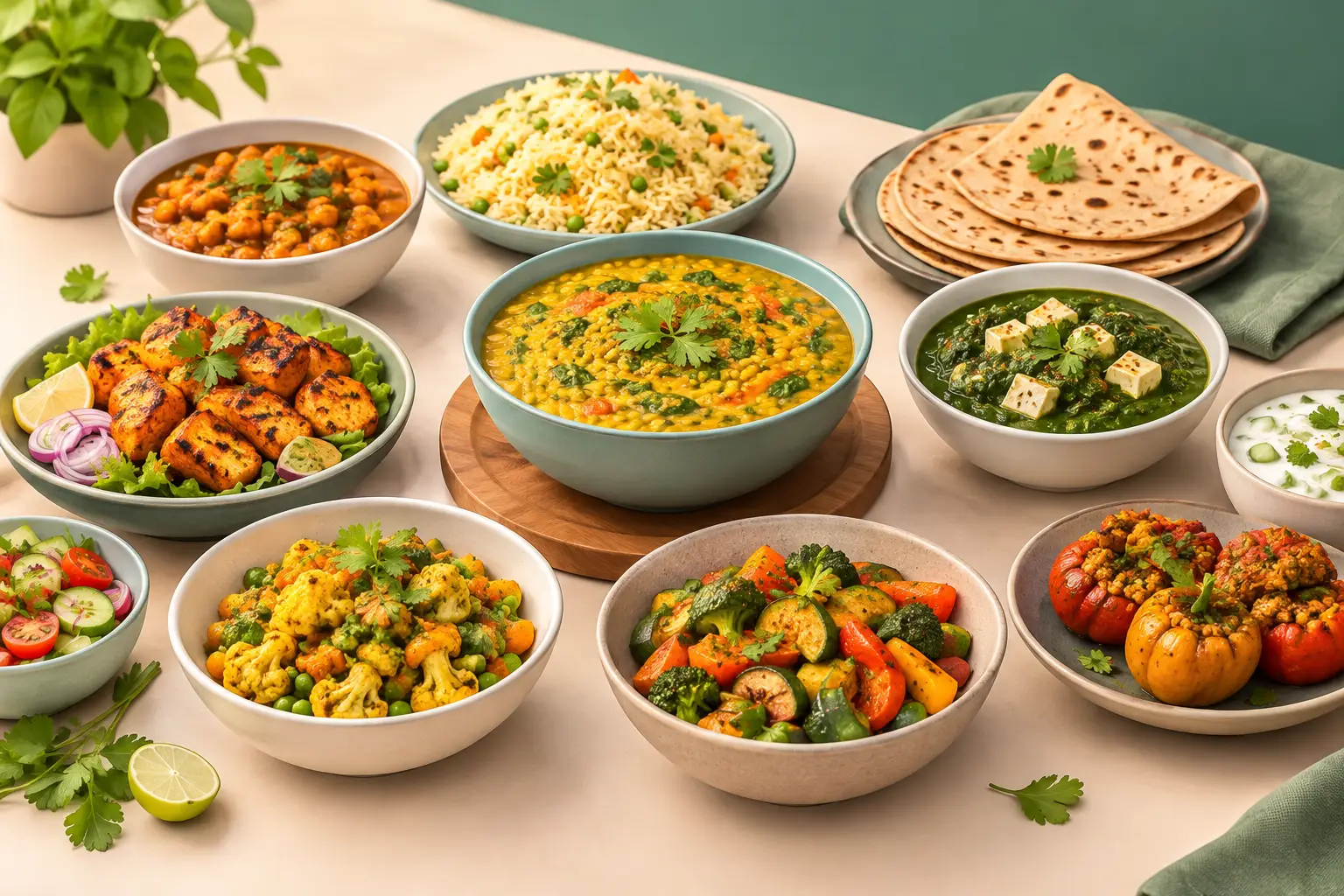
A great Indian meal should leave you satisfied by its spice, fragrance, and warmth – not feeling weighed down by a slick of oil. The best low oil Indian dishes prove that lighter eating does not mean settling for plain food. Slow-cooked lentils, smoky tandoori grills, bright vegetable curries, and carefully layered spices can bring every bit of the comfort people expect from Indian cuisine.
For a lighter dinner in Putney or a relaxed takeout night at home, the key is not to avoid sauce altogether. It is to choose dishes where flavor comes from fresh ingredients, roasting, grilling, tomatoes, ginger, garlic, herbs, and whole spices rather than excess ghee, cream, or frying oil.
What makes an Indian dish lower in oil?
Indian cooking is wonderfully varied, so “low oil” is not one fixed recipe style. A lentil curry can be deeply satisfying with a modest tempering of spices, while a tandoori dish gets its character from a hot clay oven rather than a deep fryer. Tomato, onion, yogurt, lemon, chilies, cumin, coriander, turmeric, and cardamom all create intensity without requiring a heavy hand with fat.
Preparation matters as much as the dish name. A grilled chicken tikka is usually a lighter choice than breaded or fried starters. A vegetable curry built around a tomato and onion base may be a better fit than a cream-rich sauce. That said, oil is not the enemy. A little oil carries spice flavors and helps create the rounded finish that makes a curry taste complete. The goal is balance, not deprivation.
When ordering, it is reasonable to ask for a lighter preparation or less oil where possible. A thoughtful kitchen can often adjust the finish of a dish without losing the recipe’s essential character.
The best low oil Indian dishes for real flavor
Tandoori chicken or chicken tikka
Tandoori chicken and chicken tikka are among the most dependable choices when you want bold flavor without a heavy sauce. Chicken is marinated in yogurt, aromatics, and spices, then cooked at high heat until the edges take on a gentle char. The result is savory, lightly smoky, and bright with spice.
Choose a side salad, grilled vegetables, or a lentil dish to make this a complete meal. If you are especially mindful of richness, ask for sauce on the side rather than adding a creamy accompaniment automatically.
Fish tikka
Fish tikka deserves more attention on lighter Indian menus. Firm fish is marinated with spices and yogurt, then grilled so it stays tender while developing smoky depth. It feels special enough for a date night but is also a practical option for an easy weeknight dinner.
The best version has a clean, fresh finish from lemon, cilantro, and a well-balanced spice blend. It pairs particularly well with a crisp salad or lightly seasoned vegetables instead of a rich rice dish.
Dal tadka
Dal is proof that comforting food can still feel balanced. Made from lentils, dal tadka is naturally filling and brings gentle earthiness, warmth, and a soft, velvety texture. The final seasoning, or tadka, traditionally uses hot oil or ghee to bloom spices such as cumin and garlic. In a lighter preparation, this can be done with restraint rather than skipped entirely.
Dal is an excellent vegetarian choice for people who want a satisfying main without a cream-heavy sauce. It also works well as a shared dish alongside grilled proteins and vegetables. Pair it with a plain roti or a modest portion of steamed basmati rice, depending on your appetite.
Chana masala
Chickpeas have enough substance to carry a meal, and chana masala brings them to life with tangy tomatoes, ginger, garlic, and warming spices. It is naturally vegan when prepared without dairy and can be lower in oil than many richer curry options.
Because chickpeas are hearty, portion balance helps. Share a chana masala with a vegetable side, or choose one bread or rice accompaniment rather than both. You will still have a generous, comforting meal, just with more room for the dish’s bright spice profile to stand out.
Vegetable jalfrezi
For color, crunch, and a fresher style of curry, vegetable jalfrezi is a strong choice. It typically combines mixed vegetables with onions, tomatoes, bell peppers, and lively spices. Unlike slow, creamy curries, jalfrezi is often cooked to preserve some texture in the vegetables, which makes it feel lighter and more vibrant.
It is a particularly good order for vegetarian diners who want something beyond a standard side dish. The exact vegetables and heat level can vary, so this is also a dish where asking your restaurant about ingredients is worthwhile.
Baingan bharta
Baingan bharta begins with roasted eggplant, giving the dish a deep smoky note before it is cooked with tomatoes, onions, and spices. The eggplant’s soft texture makes it feel indulgent, even when the preparation is not overly oily.
This is not always the first choice people make when ordering Indian food, but it is one of the most rewarding for diners who enjoy layered, savory flavor. Eat it with roti for a simple, satisfying meal that lets the roasted vegetables do the talking.
Bhindi masala
Okra, known as bhindi in Indian cooking, has a naturally distinctive texture and works beautifully with onions, tomatoes, and dry spices. When cooked carefully, it can be flavorful without being greasy. It is a smart choice for anyone looking to bring more vegetables into the meal while keeping things interesting.
Bhindi masala is often served fairly dry rather than swimming in sauce. That makes it a useful contrast if you are sharing dal or another saucier dish at the table.
Tandoori vegetables
Tandoori vegetables offer all the appeal of the grill: caramelized edges, gentle smoke, and concentrated sweetness. Peppers, onions, mushrooms, cauliflower, and other seasonal vegetables are often marinated with spices and yogurt, then cooked at high heat.
This is a flexible option for mixed groups because it can complement nearly any main. For vegan diners, check whether the marinade contains yogurt and ask whether a dairy-free preparation is available.
Paneer tikka, with one sensible caveat
Paneer tikka is grilled rather than fried, making it a better choice than many heavy cheese-based dishes. The spices, char, and tangy marinade create plenty of flavor. Still, paneer is naturally rich, so it is lighter in cooking method, not necessarily light in calories.
That does not mean it should be off the table. It simply means paneer tikka works best when balanced with a salad, vegetables, or dal rather than paired with multiple creamy sides. It is a satisfying vegetarian centerpiece when you want something more substantial.
Tomato-based chicken or vegetable curry
A tomato-based curry can be deeply aromatic without relying on a heavy cream finish. Look for menus that describe a sauce with tomatoes, ginger, garlic, onions, and traditional spices. Chicken, chickpeas, or mixed vegetables all work well in this style.
Names vary between restaurants, so the description matters more than the title. If a curry is listed as buttery, creamy, korma-style, or finished with a generous amount of cream, it is likely to be richer. If you want a lighter option, ask which tomato-forward curries can be prepared with less oil.
How to order low oil Indian food without losing the fun
A balanced order is more enjoyable than trying to make every element “healthy.” Start with one grilled item or a vegetable-forward main, then add dal or chickpeas for substance. Choose roti over buttery breads when that suits your preference, and treat rice as one part of the meal rather than the whole plate.
Be mindful of the extras that quietly make a meal heavier. Fried appetizers, rich sauces, buttery naan, and large portions of biryani can all be delicious, but combining several at once may overwhelm the lighter dishes you chose. There is no need to avoid them forever. Save the richer favorites for the occasions when that is exactly what you want.
At Cilantro London, the focus on fresh, made-to-order Indian cooking makes it easier to find dishes with real spice depth and a more balanced finish. If you have dietary requirements, tell the team when ordering. Vegan, vegetarian, gluten-free, and lighter-preparation needs are easier to accommodate when they are clear from the start.
A lighter order can still feel like a treat
The best choice depends on the kind of meal you want. For a quick dinner, fish tikka with vegetables may be ideal. For a comforting vegetarian meal, dal tadka and bhindi masala offer warmth without heaviness. For sharing, tandoori chicken, jalfrezi, and a fresh salad create a table that feels generous rather than restrictive.
Choose the dishes you genuinely look forward to eating, then let grilling, vegetables, lentils, and thoughtful portions do the balancing. That is how Indian food stays what it should be: vibrant, generous, and full of comfort.