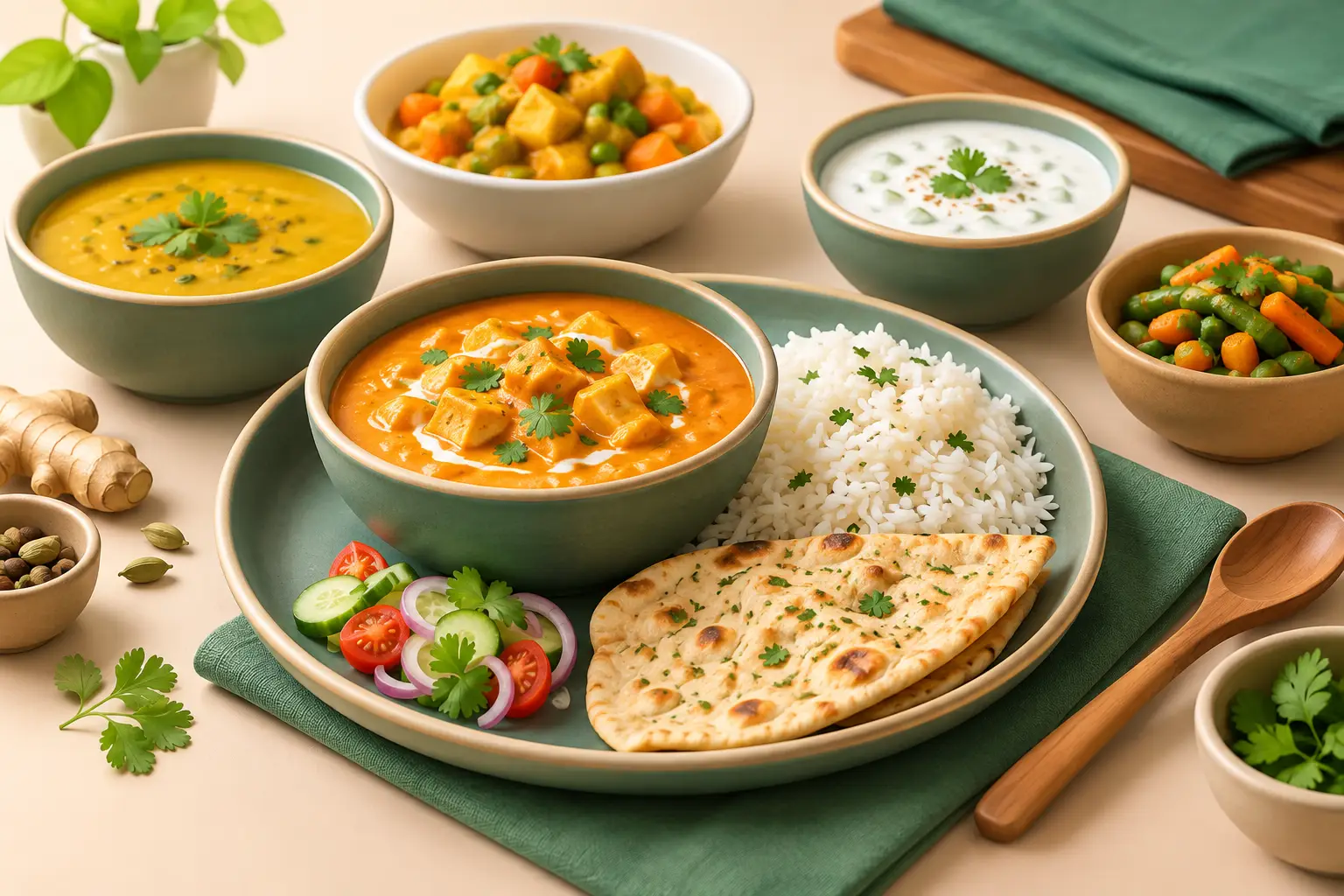
A great curry should arrive smelling of toasted cumin, ginger, and cardamom – not like it has spent hours waiting under a heat lamp. So, can Indian takeaway be fresh? Absolutely. But freshness is not a vague promise or a garnish scattered on top. It comes down to how the kitchen cooks, seasons, packs, and times every order.
For diners who love Indian food but want to avoid the heavy, greasy feeling often associated with a takeaway night, the difference is easy to taste. Fresh Indian food has brightness as well as warmth. The spices are layered rather than blunt, vegetables retain their character, and sauces complement the main ingredient instead of hiding it.
What Fresh Indian Takeaway Really Means
Freshness starts long before the delivery bag leaves the restaurant. It means using ingredients that have been selected carefully, preparing dishes to order where possible, and treating spices as ingredients with flavor and aroma, not simply as a source of heat.
A freshly made masala, for example, should have depth from onions, tomatoes, ginger, garlic, and whole spices cooked at the right pace. It should not taste flat, overly sweet, or dominated by oil. Tandoori dishes should carry the light smokiness of the grill, while biryani should have separate, fragrant grains of rice rather than a dense, steamed mass.
Fresh does not mean every component begins from scratch after you place an order. In a professional kitchen, some foundations are prepared in advance for consistency and food safety. Stocks, base sauces, marinades, and dough may be readied earlier in the day. What matters is that they are handled with care, used at their best, and finished properly when your meal is cooked.
Why Some Takeaway Feels Heavy
Indian cuisine itself is not inherently rich or greasy. It includes grilled meats, lentils, vegetables, yogurt-based dishes, aromatic rice, vibrant salads, and naturally plant-forward recipes. The heaviness people associate with takeaway often comes from shortcuts: too much oil, cream used where balanced spice would do more, oversized portions of sauce, or food held too long before it is served.
There is a practical reason some restaurants rely on richer sauces. Fat carries flavor and can help food remain appealing after travel. Yet it should support the dish, not overwhelm it. A thoughtful kitchen can build satisfying flavor through slow-cooked onions, ripe tomatoes, roasted spices, herbs, citrus, and careful seasoning, then use oil, butter, or cream with restraint.
That balance matters particularly for a midweek dinner. You may want the comfort of a curry after a long day, but still want to feel ready for tomorrow. Choosing a restaurant that values lighter preparation does not mean giving up indulgence. It means enjoying food with clarity, texture, and a finish that does not feel weighed down.
Can Indian Takeaway Be Fresh After Delivery?
Yes, although the journey home changes what a dish needs. Some foods travel exceptionally well. Slow-cooked curries often develop even more harmony over a short period, while lentil dishes, biryani, and grilled items can hold their warmth and flavor when packed carefully.
Other elements need more attention. Crisp starters can soften in a sealed container, naan can lose its just-baked texture, and fresh herbs can wilt if trapped under steam. This is why timing and packaging are part of quality, not an afterthought. Hot food needs to stay hot without becoming soggy, and cold accompaniments should remain separate from warm dishes.
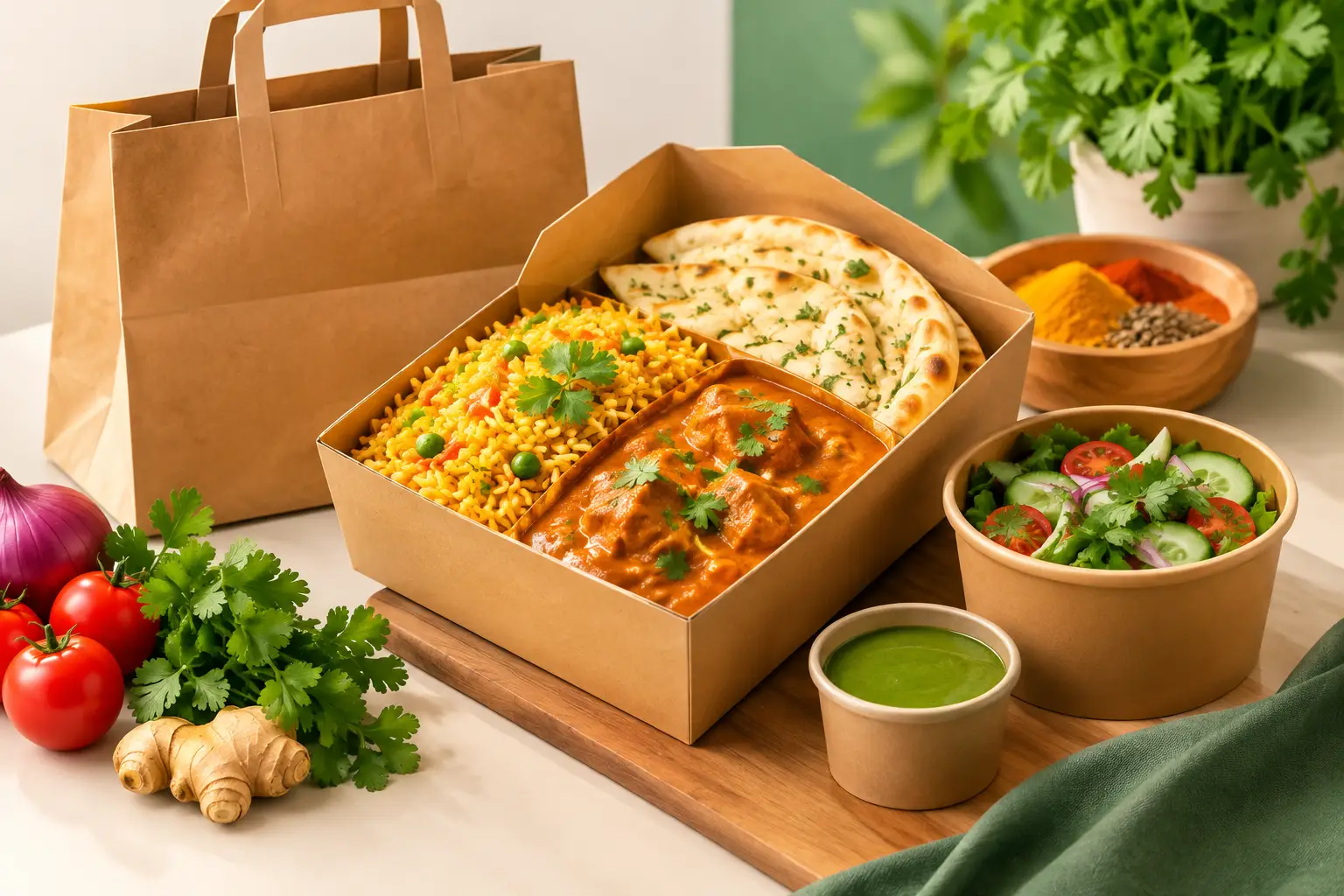
The best approach is to order with the trip in mind. A curry, dal, tandoori main, or biryani is often a dependable choice for delivery. Add a fresh salad, raita, or chutney for contrast, and serve naan promptly once it arrives. If you live a little farther from the restaurant, dishes with sauce may retain their character better than delicate fried items.
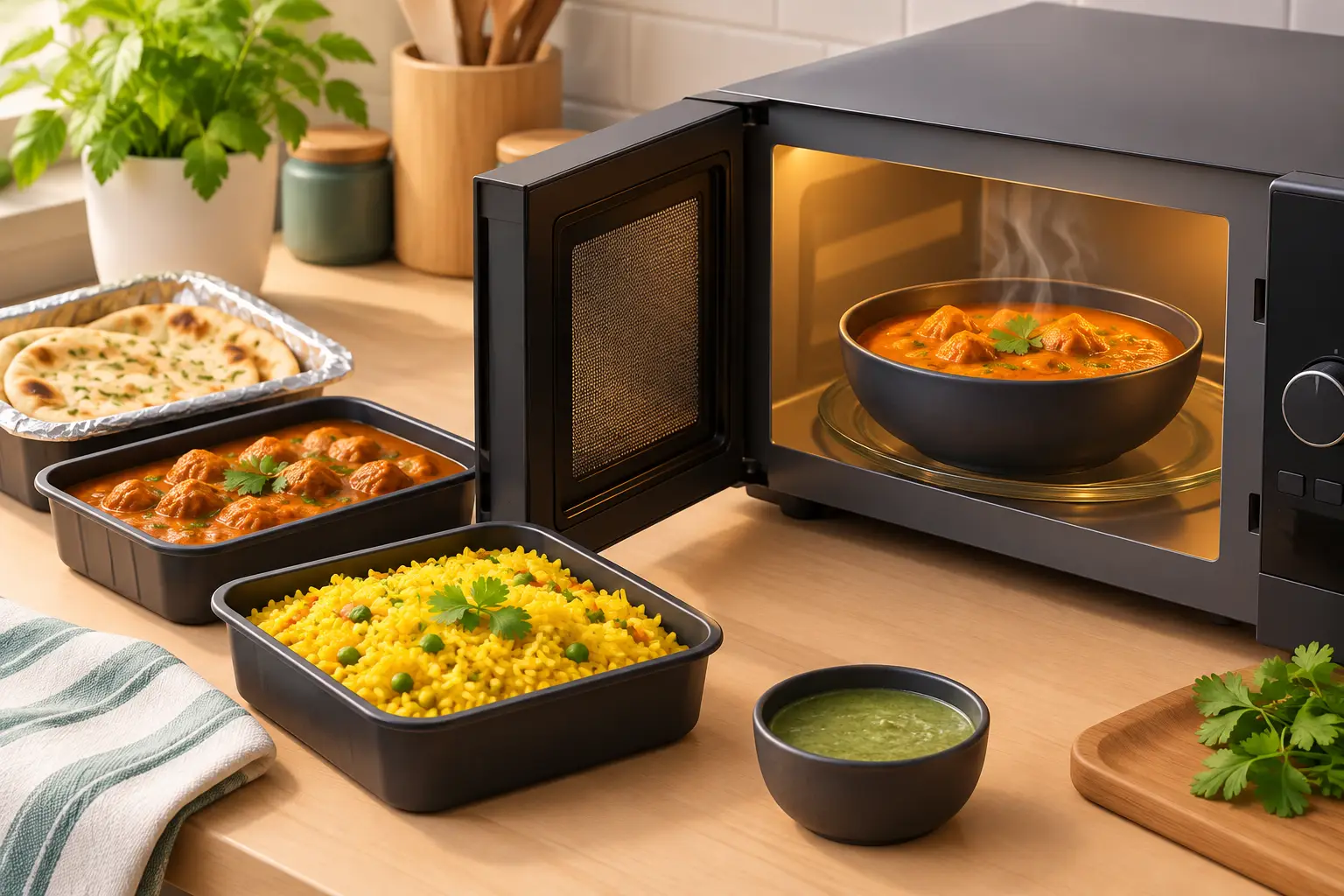
At home, take the food out of the bag soon after it arrives. Open containers carefully to release excess steam, especially for breads and starters. If you need to reheat a curry, use a gentle pan rather than blasting it in the microwave. A splash of water can loosen a thick sauce, and a final squeeze of lemon or scattering of cilantro can bring back a little lift.
Signs of a Fresh, Well-Cooked Order
You do not need to be a chef to recognize care in Indian takeaway. Start with the aroma. Freshly toasted spices smell rounded and warm, while stale or overheated spices can smell dusty or harsh. Look for color, too: spinach should still look green, vegetables should not all be the same softness, and a tomato-based sauce should have life rather than a dull, oily sheen.
Texture tells an equally useful story. Chicken, paneer, fish, or vegetables should feel like the focus of the dish, not like pieces lost in a thick blanket of sauce. Rice should be fluffy and fragrant. A well-made dal should be comforting and silky, but not gluey. Even a rich dish such as butter chicken should have a balanced sweetness, gentle acidity, and spice beneath its creamy finish.
Portioning is another quiet sign of confidence. A satisfying meal does not need to be swimming in sauce. The right amount allows you to enjoy the main ingredient, pair it with rice or bread, and still taste the detail in the cooking.
How to Order a Lighter, Fresher Indian Meal
The simplest choice is often a varied one. Pair a grilled or tandoori dish with a vegetable side, lentils, or a salad rather than ordering several creamy mains. Choose plain rice or fragrant basmati when you want the spices in the curry to stand out, or share a biryani as the centerpiece of the table.
Dietary preferences do not have to limit the experience. Indian cooking offers excellent vegetarian, vegan, and gluten-free possibilities, but the details still matter. Ask about preparation where needed, particularly for sauces, breads, marinades, and shared cooking surfaces. A good restaurant will be clear about what can be adapted and what is best left unchanged to preserve the dish.
It is also worth being honest about the meal you want. Sometimes a celebratory, richer curry is exactly right. On another evening, you may prefer grilled salmon, chicken tikka, dal, or a vegetable-led dish. Freshness is not about judging one choice as better than another. It is about receiving food prepared with enough care that each dish tastes as it should.
A Better Takeaway Night Starts in the Kitchen
For a restaurant, fresh takeaway requires discipline. Orders need to be paced so dishes are finished close together, checked before packing, and sent out quickly. The chef has to consider not only the flavor from the pan, but the condition of the food 20 or 30 minutes later at your table.
That is the standard worth looking for in Putney and nearby neighborhoods: authentic Indian cooking that feels considered from the first spice to the final delivery bag. At Cilantro London, the aim is restaurant-quality flavor with a more balanced, made-to-order approach – whether you are planning a relaxed dinner at home, feeding the family, or adding something special to an ordinary Tuesday.
Fresh Indian takeaway should leave you comforted, not compromised. Order dishes that suit the journey, give them a moment of care once they arrive, and choose a kitchen that treats convenience as part of hospitality rather than a reason to lower the standard.