A family meal should not require a separate order for every person at the table. Selecting dishes for children at an Indian restaurant can be a chance to introduce familiar ingredients in new forms: tender chicken from the tandoor, fragrant rice, warm flatbread, and gently spiced sauces made to order. The aim is not to persuade a child to eat the hottest curry on the menu. It is to build a meal that feels comforting, colorful, and worth sharing.
At Cilantro London, Indian cooking is approached with freshness, balance, and the depth of traditional recipes. That makes it easier for families to choose dishes that suit younger diners while still giving adults the flavor and quality they came for.
Start With Familiar Textures and Flavors
Children often decide whether to try a food before the first bite. Texture, color, and aroma matter as much as heat. A dish with recognizable ingredients gives them a comfortable starting point, especially if Indian food is new to them.
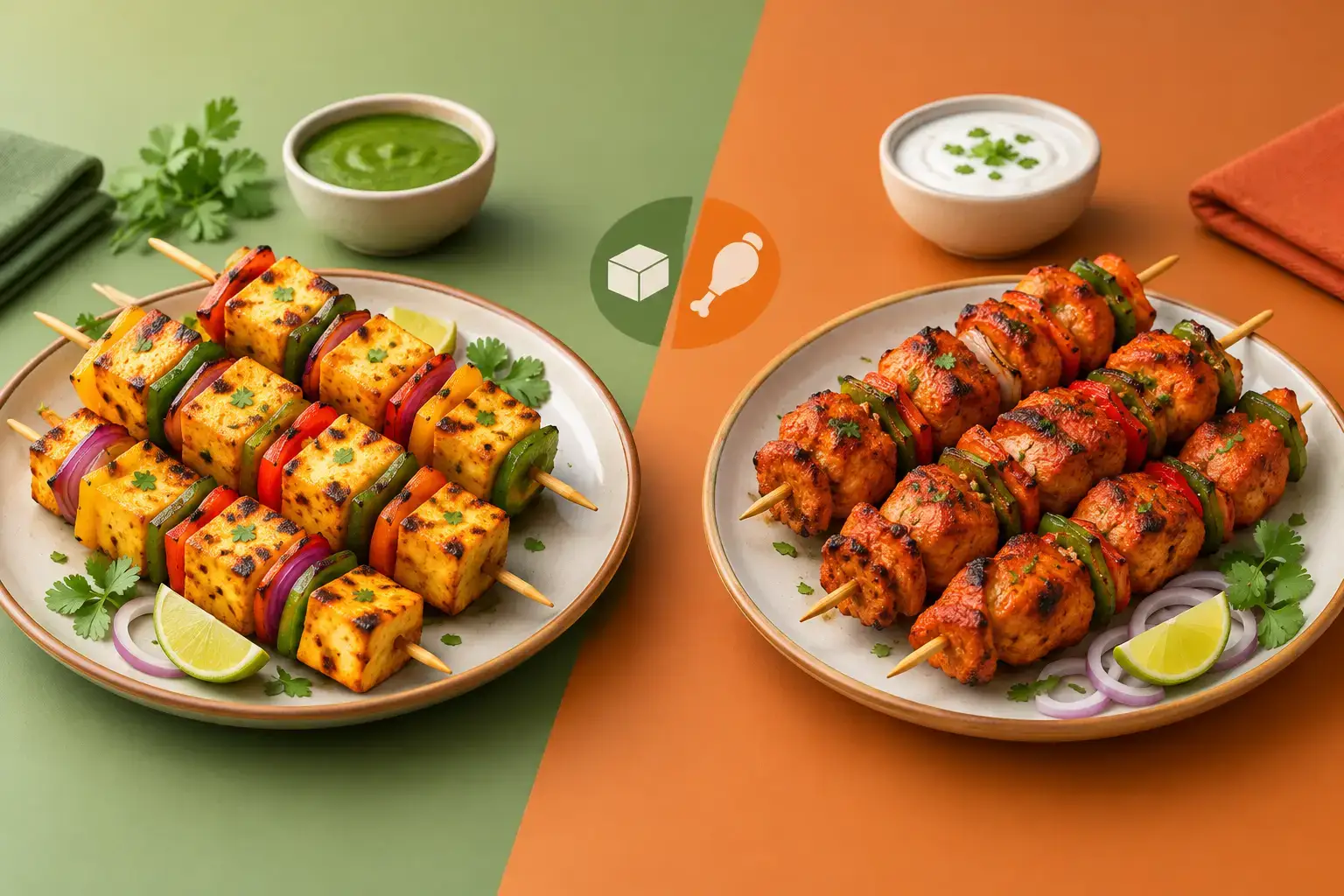
Grilled chicken is usually an easy introduction. Tandoori-style dishes offer a lightly charred exterior and tender center, with the warm flavor of spices rather than a heavy sauce. Ask for a mild preparation where possible, then serve it with rice or naan so every bite can be adjusted to a child’s preference.
Rice is another reliable foundation. Plain basmati rice has a soft texture and subtle fragrance, while a mild vegetable rice dish can encourage children to try peas, carrots, or other familiar vegetables in a different setting. A small portion is sensible at first. Children can always have more, but a full plate of an unfamiliar dish can feel overwhelming.
Flatbread deserves a place at the table, too. Soft naan or roti can be used for dipping, wrapping grilled chicken, or scooping up a mild curry. For many children, this hands-on way of eating turns a new meal into something playful and approachable.
Choose Mild Dishes Without Choosing Boring Ones
A mild dish should still taste like Indian food. The best choices have layers of flavor from ginger, garlic, cumin, coriander, tomatoes, yogurt, or gentle warming spices, rather than relying only on sweetness or creaminess. Children deserve the pleasure of a properly cooked sauce, simply with the chili kept in check.
Creamy, tomato-based curries are often a good place to begin. They pair naturally with chicken, paneer, or vegetables and can feel familiar to children who enjoy pasta sauces or mild stews. A yogurt-based preparation may also offer a softer profile, though every child is different. Some prefer a smooth sauce, while others are happiest with plainly grilled food and a sauce served separately.
This is where ordering made-to-order food can make a real difference. Let the restaurant know that the dish is for a child and request mild spice. Mild does not always mean completely spice-free, so it is worth being clear if a child is especially sensitive to heat. Chili can overpower developing palates quickly, and it is easier to add heat for adults than to take it away.
Selecting Dishes for Children as a Shared Meal
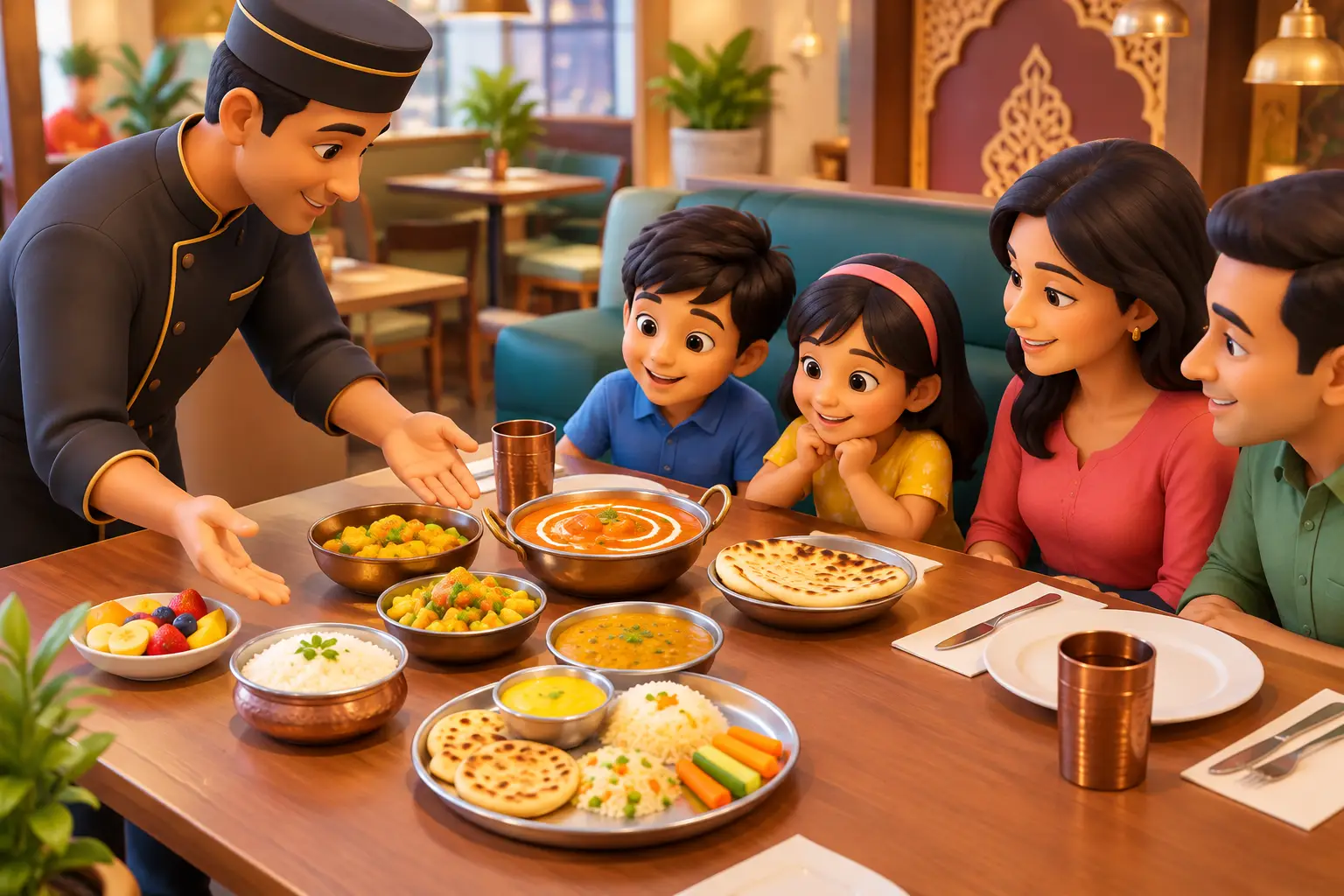
Ordering a few dishes for the center of the table is often more successful than choosing one large entrée for each person. A shared spread lets children try small tastes without pressure and keeps the meal sociable. It also reflects the generous, family-style spirit of Indian dining.
A balanced order might include a mild grilled protein, a gently flavored curry, basmati rice, naan, and one vegetable side. That combination gives children several routes into the meal. One may like the chicken and bread, another may prefer rice with sauce, while a more adventurous eater may enjoy tasting each dish.
Avoid making a child’s plate too complicated at the start. Offer two or three elements, then allow them to return for what they enjoy. This approach reduces waste and makes the meal feel relaxed rather than like a test. If they only eat naan and a few pieces of chicken on the first visit, that is still a positive introduction. Familiarity grows over several meals.
For families with children of different ages, shareable ordering is particularly useful. Younger children may need very mild flavors and simple textures, while older children may be ready to try a little more spice, lentils, or vegetable curries. The table can accommodate both without forcing anyone into the same dish.
Make Vegetables Feel Like Part of the Feast
Vegetable dishes do not need to be treated as an obligation beside the food children actually want. When prepared with care, they bring color, texture, and sweetness to the table. Mildly cooked spinach, potatoes, cauliflower, peas, or chickpeas can be especially appealing alongside rice and bread.
Paneer is another useful choice for many families. Its gentle flavor and soft, satisfying bite can be a welcoming alternative for vegetarian children or a familiar bridge for anyone hesitant about stronger flavors. Served in a mild sauce or lightly grilled, it can feel less intimidating than a heavily spiced vegetable dish.
There is a trade-off to consider with richer preparations. A creamy curry may be the easiest first choice, but variety matters over time. Pairing it with grilled dishes, vegetables, and rice helps create a more balanced family meal and reflects a lighter, more considered way to enjoy Indian food.
Consider Dietary Needs Before You Order
For children with allergies, intolerances, or dietary preferences, clarity matters more than assumptions. Indian cuisine naturally offers many vegetarian and vegan possibilities, and dishes based on rice, lentils, vegetables, and grilled proteins can work well for varied diets. However, sauces may contain dairy, nuts, gluten, or ingredients prepared in shared kitchen areas.
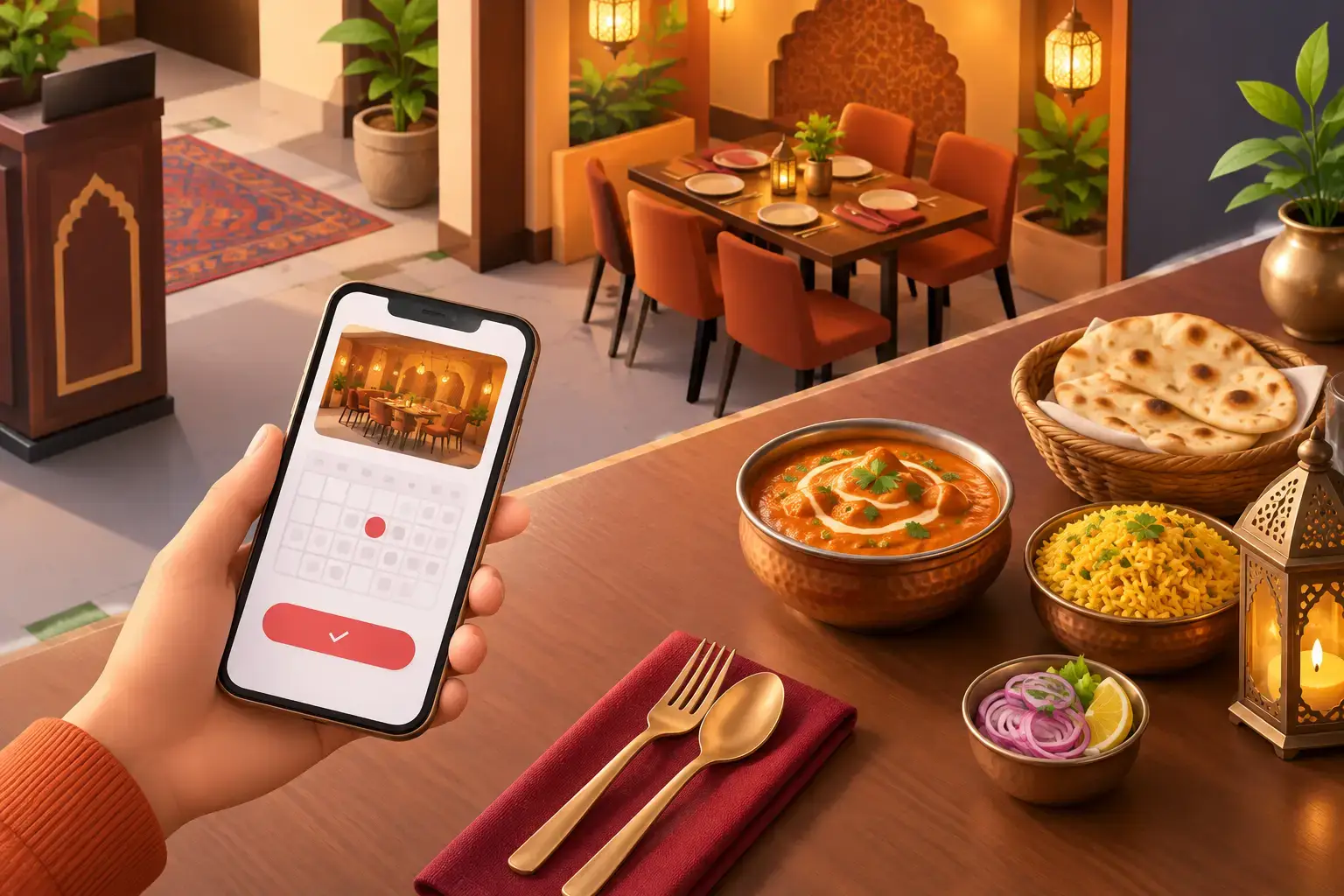
Tell the restaurant about any allergy when ordering or booking, and ask which dishes can be adapted safely. Be specific about the ingredient and the level of sensitivity. A preference for no dairy is different from a serious milk allergy, and the kitchen needs accurate information to guide you properly.
Gluten-free choices also deserve a closer look. Rice-based dishes may be a good fit, but breads are generally not. Children who avoid gluten should not have to settle for a plain plate, so ask about suitable curries, grilled options, and sides that retain the character of the meal.
Help Children Build Confidence With Indian Food
The most memorable family meals are not about getting every bite right. They are about giving children the confidence to be curious. Let them choose one familiar item and one new taste. Describe food in simple, appealing terms: warm bread, grilled chicken, creamy tomato sauce, fluffy rice, sweet peas. Avoid labels such as “spicy” unless it truly is, because children often hear the word as a warning.
At home, keep the pace easy. Serve sauces on the side, offer water or yogurt alongside the meal if appropriate, and let children use a spoon, fork, or their hands with flatbread. At the restaurant, a calm shared order can turn dinner into an occasion rather than a negotiation.
A child who declines a curry today may happily ask for a spoonful next month. Keep offering fresh, mild, well-prepared choices, and let the table do what it does best: bring people together, one small taste at a time.