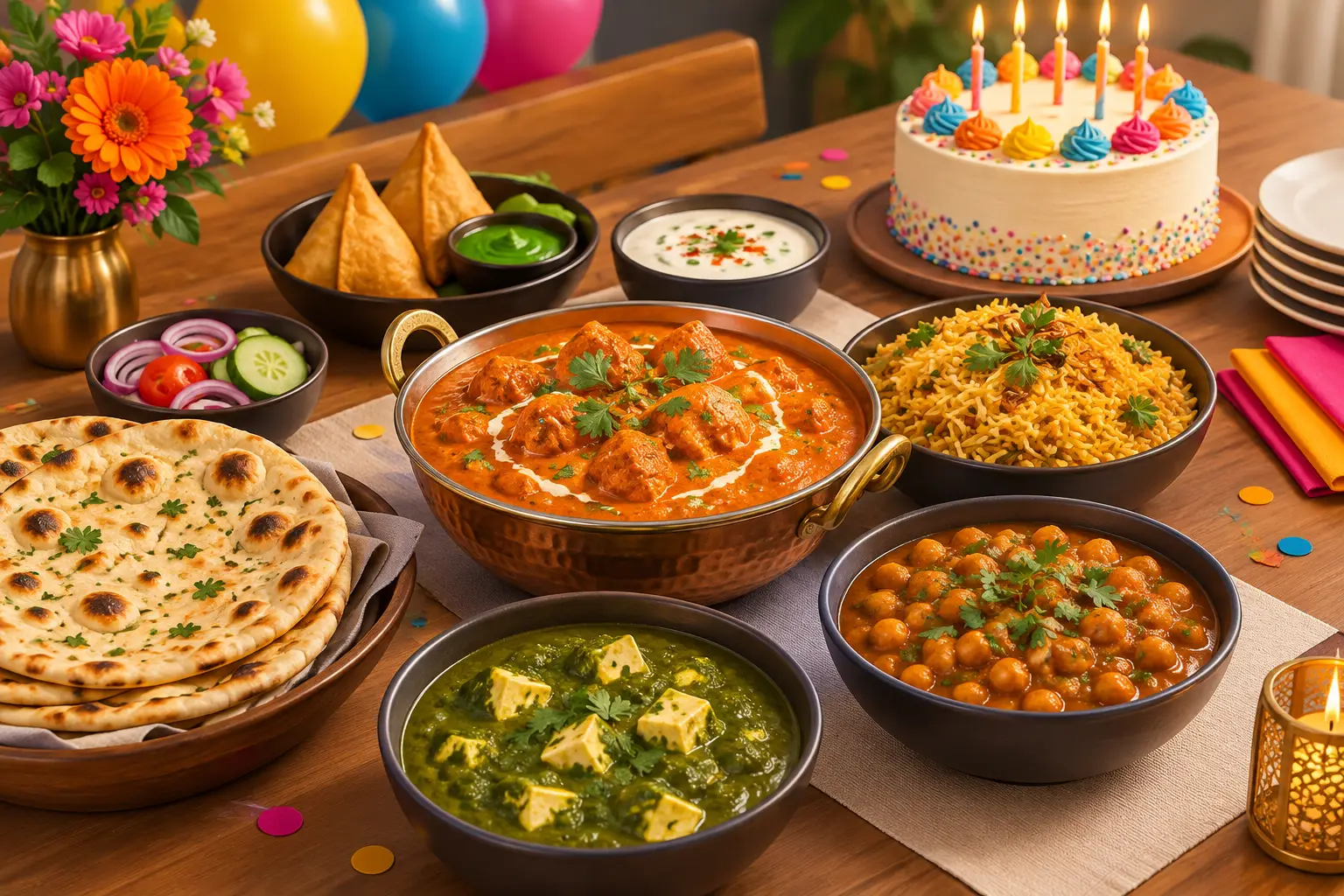
A great birthday curry menu does more than feed a table full of people. It creates that unmistakable feeling of a proper celebration: warm plates arriving in the middle, fragrant spices in the air, guests passing naan across the table, and everyone finding a dish they genuinely want to try. The secret is not ordering every favorite on the menu. It is choosing a balanced spread with enough variety to feel generous, without turning dinner into a guessing game.
For a birthday dinner in Putney, Roehampton, Barnes, or nearby southwest London, Indian food suits almost every kind of gathering. It can be relaxed enough for an at-home celebration, polished enough for a restaurant table, and flexible enough to welcome meat eaters, vegetarians, vegans, and gluten-free guests with equal care.
Start With the Shape of the Celebration
Before choosing dishes, decide what kind of birthday you are hosting. A dinner for four or six can support a more considered selection of starters and individual main courses. A larger group benefits from sharing dishes in the center of the table, with two or three curries chosen to offer contrast.
Think about the time of day, too. For a weekday birthday, a lighter menu with grilled tandoori dishes, fresh sides, and one comforting curry can feel festive without leaving everyone ready for the sofa by 8 p.m. For a Saturday evening gathering, guests may welcome a fuller spread with appetizers, biryani, breads, curries, and a sweet finish.
The number of guests matters, but appetite matters more. A group that knows and loves Indian food may enjoy a bolder selection, while a mixed group is usually happiest with familiar dishes alongside one or two more adventurous options. There is no need to make every dish fiery. Depth of flavor and heat are not the same thing.
Build a Birthday Curry Menu Around Contrast
The most memorable curry menus are balanced in color, texture, richness, and spice. If every main is creamy, the meal can feel heavy. If everything is tomato-based or intensely hot, the flavors begin to blur. Aim for variety rather than sheer volume.
A reliable foundation includes one grilled or tandoori dish, one rich curry, one brighter or more gently spiced curry, a vegetable-centered option, and a rice or bread selection. This gives guests different ways to fill their plates while keeping the meal cohesive.
For starters, choose two or three options with distinct textures. Crisp onion bhajis bring crunch, while vegetable samosas add a satisfying, spiced filling. Chicken tikka or paneer tikka offers the charred, smoky notes that make an Indian celebration menu feel special. For a smaller party, two starters are usually plenty. For eight or more guests, adding a third helps ensure everyone has a favorite before the mains arrive.
Choose Main Courses With Different Personalities
A creamy chicken tikka masala or butter chicken is often the familiar crowd-pleaser, especially for guests who prefer mild warmth. Pair it with something more aromatic, such as a chicken or lamb rogan josh, where the spices feel layered rather than overpowering.
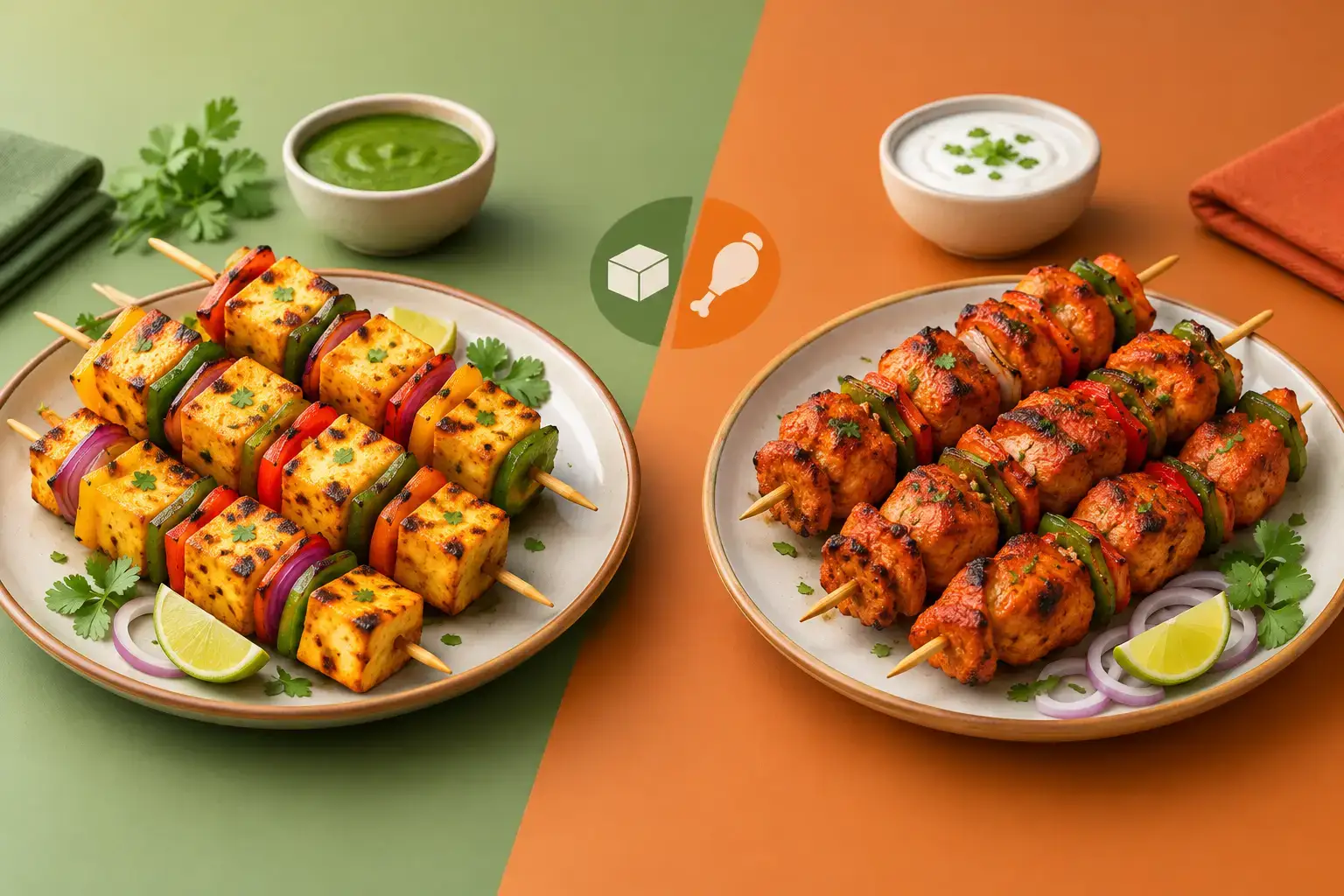
For a lighter contrast, a tandoori main can be a smart choice. Grilled chicken, salmon, or paneer brings a cleaner, smokier element to the table and prevents the menu from becoming a collection of sauces. It also works well for guests who want a satisfying meal with a little more balance.
Vegetarian dishes should never feel like an afterthought at a birthday dinner. A well-made dal, palak paneer, chana masala, or mixed vegetable curry adds comfort, color, and real substance. If vegan guests are attending, confirm which dishes can be prepared without dairy and choose at least one main they can enjoy as generously as everyone else.
At Cilantro London, the emphasis on fresh, made-to-order Indian food makes this kind of mixed menu especially easy to plan. Traditional flavors can still feel refined and lighter on the table, which is ideal when you want the birthday meal to be indulgent without feeling overly greasy.
Do Not Let the Sides Become an Afterthought
Rice, breads, and vegetables are what turn a few excellent curries into a complete birthday feast. Plain basmati rice gives richly spiced sauces room to shine, while pilau rice adds fragrance and color. If you are serving biryani, plain rice may be unnecessary, but a cooling side such as raita becomes even more useful.
Naan is part of the celebration, but variety helps. A classic naan or garlic naan is a safe choice for sharing, while roti can feel lighter and is useful for guests who prefer a less rich bread. Check dietary needs before ordering, particularly for gluten-free diners, and avoid assuming that every bread or accompaniment suits every guest.
A fresh cucumber salad, crisp green salad, or vegetable side can make a remarkable difference. These are not filler dishes. Their freshness cuts through richer curries and gives the table a more considered feel. Add chutneys, pickles, and raita in small bowls so guests can adjust each bite to their own taste.
How Much Food Should You Order?
The right amount depends on the menu, the guest list, and whether you want leftovers. As a practical starting point, plan one starter for each person, with an extra sharing starter for every four guests. For mains, two curries can serve three to four people when they are shared alongside rice, breads, and sides. For a party of eight, three to four mains with a vegetarian option, two rice dishes or one rice and one biryani, and several breads usually creates a generous table.
That said, the equation changes if your guests are big eaters or if the birthday dinner is the main event after a long day. It also changes when children are attending. A mild chicken dish, simple rice, and naan can prevent a children’s option from becoming an afterthought, while still fitting naturally into the menu.
If you are ordering takeaway, it is worth choosing one extra vegetable dish or rice portion rather than over-ordering several rich mains. It gives you a useful buffer and travels well. Curries are often even more flavorful the next day, so a little leftover food is rarely a problem.
Make Dietary Choices Feel Generous
A birthday should not leave anyone scanning the table for the one dish they can eat. Ask about allergies and dietary preferences before finalizing the order, not when the food is already on the table. This is particularly important for dairy, nuts, gluten, and vegan requirements.
The best approach is to build inclusive choices into the menu from the start. A vegetable curry, a lentil dish, grilled vegetable starter, fresh salad, and suitable rice can give vegetarian and vegan guests a complete meal rather than a collection of side dishes. If someone needs gluten-free options, ask the restaurant directly about preparation and cross-contact. A little planning protects both comfort and confidence.
You can also label serving dishes at home, especially for a larger party. A small handwritten card saying “mild,” “medium,” “vegan,” or “contains nuts” is a simple, thoughtful touch that lets guests help themselves without having to ask repeatedly.
Set the Table for Sharing
A curry birthday dinner does not need formal place settings to feel special. Warm the plates if you can, place the dishes in the center of the table, and keep serving spoons with every bowl. The food itself becomes the centerpiece when it is presented with care.
Bring starters out first rather than putting everything on the table at once. It gives guests time to settle in and creates a natural rhythm to the evening. When the mains arrive, open the containers or transfer the food to serving bowls just before eating to keep heat and aroma at their best.
For drinks, choose refreshment over complexity. Sparkling water with lime, crisp lager, aromatic white wine, or a chilled mango lassi can all work well, depending on the menu. If the curries are spicy, avoid making every drink too sweet. Something cool and clean gives the spices space.
A Simple Menu for Eight Guests
For a birthday group of around eight, consider three starters: vegetable samosas, onion bhajis, and chicken or paneer tikka. Follow with a mild creamy curry, a deeper tomato-based curry, a tandoori main, a hearty vegetarian curry, and dal. Add pilau rice, plain basmati rice or biryani, garlic naan, roti, raita, salad, and chutneys.
This combination feels celebratory because every plate can be different. One guest may build their dinner around grilled chicken and salad, another may go straight for dal, naan, and vegetable curry, while a more adventurous eater can sample a little of everything. That freedom is part of the joy of sharing Indian food.
A birthday meal is at its best when the host is relaxed enough to enjoy it, too. Choose dishes your guests will love, make room for different tastes, and let the food do what it does best: bring everyone closer around the table.