A Friday-night curry can be deeply comforting, but it does not have to leave you feeling weighed down. So, is Indian food healthy? It can be remarkably balanced, full of vegetables, lentils, lean proteins, warming spices, and satisfying whole-food ingredients. The answer depends less on the cuisine itself and more on the dish, cooking method, portion size, and what you pair it with.
Indian food is not one fixed style of eating. It spans countless regional traditions, from lentil-rich home cooking to celebratory biryanis and rich North Indian gravies. That variety is good news for diners who want bold flavor without assuming every meal has to be heavy.
Why Indian Cuisine Can Be a Healthy Choice
At its best, Indian cooking is built around ingredients with genuine nutritional value. Lentils, chickpeas, kidney beans, spinach, eggplant, cauliflower, tomatoes, onions, herbs, yogurt, fish, and grilled meats all have a natural place on the table. A well-chosen Indian meal can provide protein, fiber, vegetables, and complex carbohydrates in one satisfying sitting.
Lentil dishes such as dal are a particularly smart choice. Lentils provide plant-based protein and fiber, which can help a meal feel filling and steady rather than leaving you hungry again an hour later. Chana, made with chickpeas, brings similar benefits, especially when it is prepared with a tomato-based sauce rather than a heavy cream finish.
Vegetables are also far from an afterthought in Indian cuisine. Saag, bhindi, aloo gobi, baingan dishes, and mixed vegetable curries can bring color, texture, and a welcome balance to a meal. For vegetarian and vegan diners, this range makes Indian food one of the most naturally accommodating cuisines around.
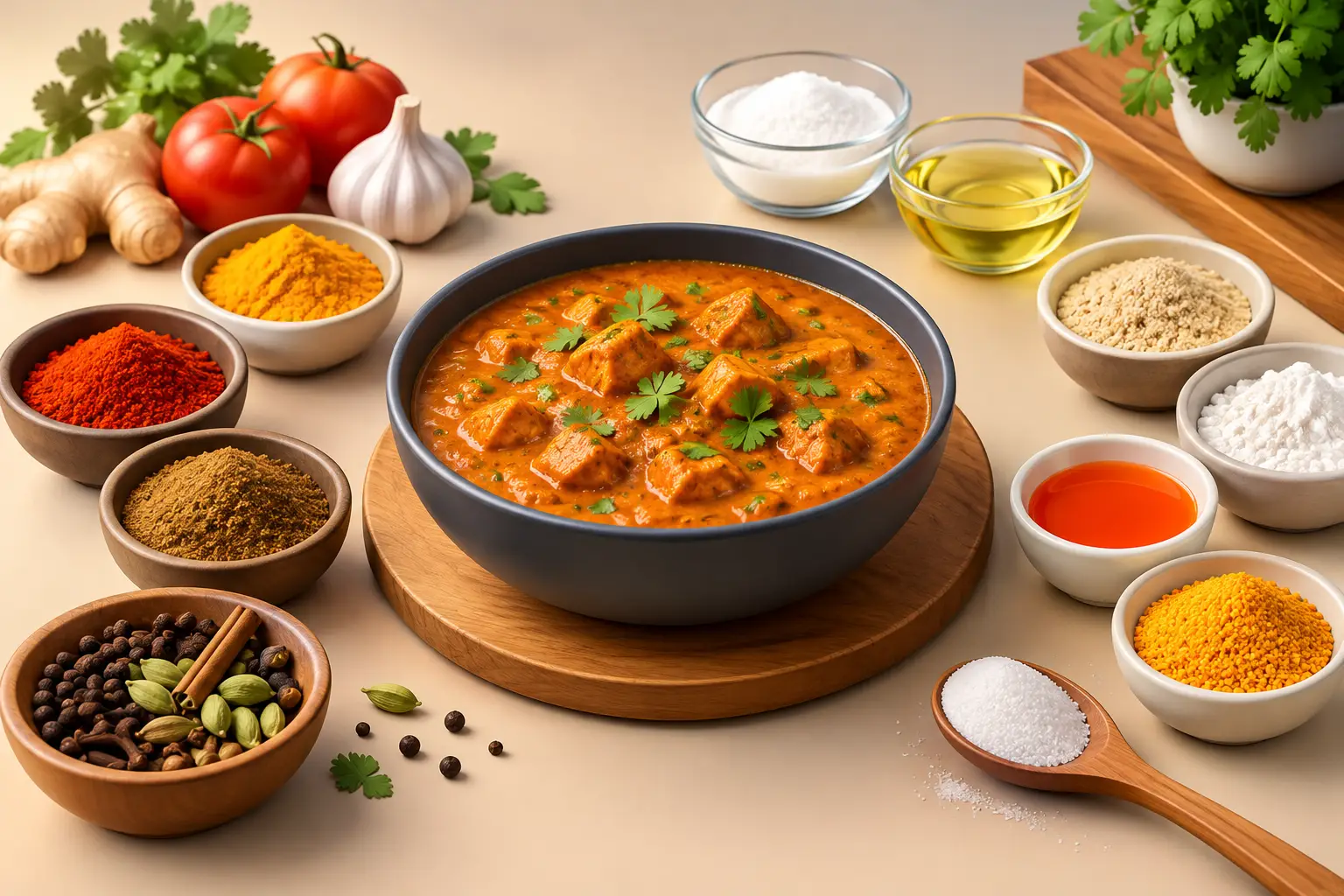
Spices contribute more than aroma. Turmeric, ginger, cumin, coriander, garlic, chili, cinnamon, and cardamom create layers of flavor that reduce the need to rely on excess salt or fat for impact. They are not a magic health solution, but they make fresh, thoughtfully cooked food exciting.
Is Indian Food Healthy When You Order Takeout?
Takeout can absolutely fit into a balanced routine, although some choices are naturally lighter than others. The biggest difference usually comes from cooking technique. Tandoori dishes are traditionally cooked at high heat in a clay oven, producing smoky flavor and char without the need for deep-frying. Tandoori chicken, grilled fish, paneer tikka, and vegetable kebabs are often excellent starting points.
Tomato-, onion-, or spinach-based curries can also be satisfying choices. Dishes such as chicken jalfrezi, chicken tikka masala prepared with restraint, saag chicken, dal, or vegetable curry can offer plenty of flavor without necessarily being overly rich. Ask for your meal to be made with less oil where possible, and choose a restaurant that cooks dishes to order rather than relying on sauces that have been held for long periods.
The dishes that deserve a little more awareness are not “bad” foods. Creamy kormas, buttery sauces, deep-fried starters, rich biryanis, and breads brushed generously with butter can simply make a meal more calorie-dense. They are wonderful for a celebration or when that is exactly what you are craving. The point is to enjoy them deliberately, rather than treating every dish on the menu as nutritionally identical.
The balance matters more than perfection
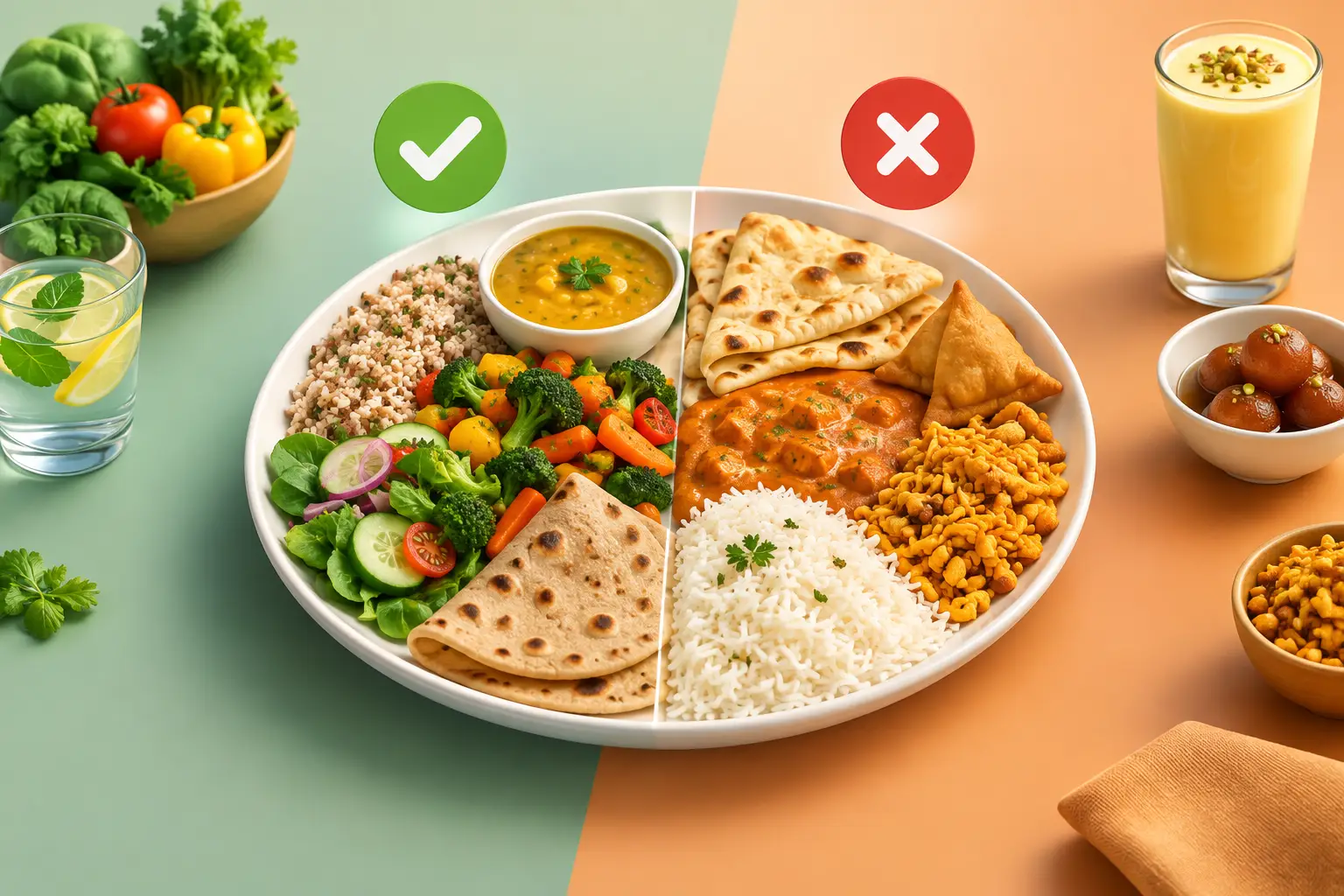
A rich curry can sit very comfortably in a healthy meal when it is shared alongside grilled vegetables, dal, or a fresh salad. Equally, a lighter main can become a very large meal when paired with several fried starters, creamy sides, naan, and dessert. Indian dining is made for sharing, which makes it easier to create balance across the table.
For an everyday order, try choosing one protein or vegetable-led main, one fiber-rich side such as dal or chickpeas, and a sensible portion of rice or bread. If you are especially hungry, add vegetables before adding another rich sauce. You will still get the comfort and generosity of a proper Indian meal, with more variety on the plate.
Smart Choices for a Lighter Indian Meal
There is no need to order bland food in the name of wellness. The most satisfying approach is to choose dishes that are naturally rich in flavor, then make a few practical swaps.
Start with grilled or tandoori starters instead of fried options. Choose vegetable samosas or pakoras as an occasional treat to share, rather than the automatic beginning to every meal. For mains, look for words such as tandoori, grilled, roasted, spinach, lentil, chickpea, tomato, or vegetable.
Rice is not the enemy. Plain basmati rice is a simple accompaniment, and its light, fragrant texture can work well with a saucy curry. Portion is the deciding factor. If you want bread as well, consider sharing one naan or choosing a roti or whole-wheat option when available. A meal does not need both a large rice portion and multiple breads to feel complete.
Sauce requests can help, too. Asking for a dish with less oil, butter, or cream is a reasonable way to tailor your order, particularly if you eat Indian food regularly. A good restaurant should be able to guide you toward dishes that meet vegetarian, vegan, gluten-free, or lighter-preparation preferences without compromising the character of the food.
What About Sodium, Oil, and Portion Size?
These are the three areas where restaurant meals, Indian or otherwise, can become less balanced. Salt is used to season sauces and marinades, oil helps carry spices and creates body, and generous portions make a takeaway feel like good value. None of that makes Indian cuisine unhealthy. It just means that frequency and overall habits matter.
If you are watching sodium, balance a restaurant meal with lower-salt foods earlier or later in the day and drink water with your dinner. If you are mindful of calories, choose one richer element instead of stacking several. You might have a creamy curry with grilled chicken and a vegetable side, or a lighter curry with naan. Both can be enjoyable choices.
Portioning is especially useful with delivery. Serve your food onto a plate rather than eating from the containers, then save the rest for lunch. Many curries, dals, and grilled dishes taste even better the next day as the spices settle together.
A More Complete Way to Enjoy Indian Food
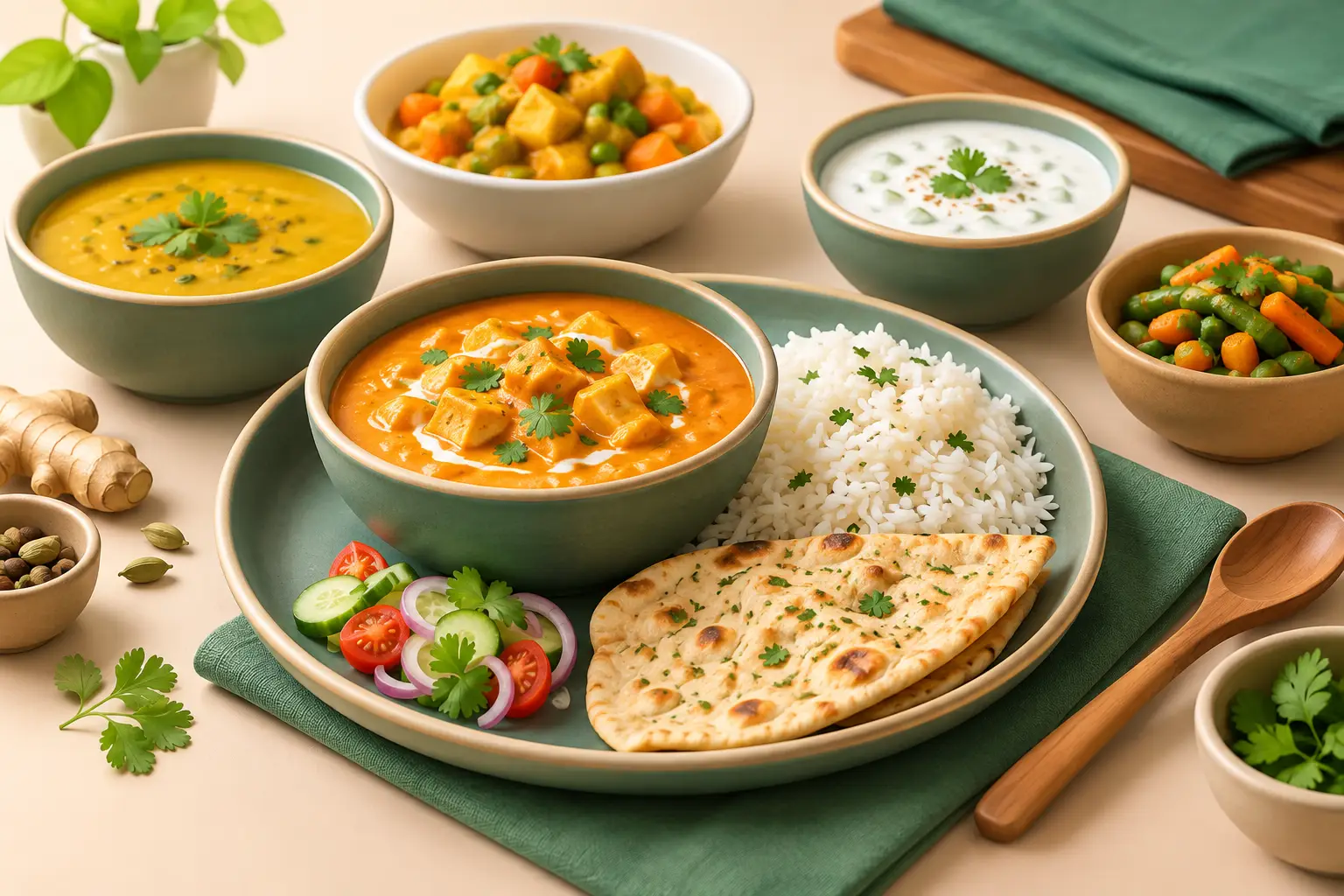
Indian food is often healthiest when it is treated as a full meal rather than a single oversized main. Think contrast: a grilled protein or plant-based centerpiece, a vegetable dish, a lentil side, and a measured serving of rice or bread. This style of eating is generous, communal, and far more satisfying than trying to make every choice ultra-light.
At Cilantro London, the focus is on authentic flavor with a fresher, more refined approach, making it easier to enjoy familiar favorites without the usual greasy takeaway feeling. Whether you are planning a relaxed dinner in Putney or ordering for a busy evening at home, look for food that is prepared with care and gives you real choice.
The healthiest Indian meal is ultimately the one that leaves you satisfied, energized, and happy to come back for more. Choose the dishes you love, add something fresh or fiber-rich, and let balance make room for both everyday dinners and the occasional indulgent feast.