A truly memorable curry does not announce itself with a blanket of oil or one-note heat. It builds slowly: fragrant whole spices, a carefully cooked onion base, the tang of tomato or yogurt, and a finish that leaves every ingredient clear on the palate. This guide to authentic Indian curries is for anyone who wants to order with more confidence, whether you are planning a relaxed dinner at home or choosing dishes for the table.
Indian curries are not one fixed style of food. They are a broad family of dishes shaped by regional produce, religious traditions, home cooking, and generations of culinary technique. Some are creamy, some are bright and tomato-led, some are deeply earthy, and some are intentionally light. Understanding a few essentials makes it easier to find the curry that suits your mood without settling for a heavy, generic takeaway.
What “authentic” really means in Indian curry
Authenticity is not about insisting that every meal follows one narrow rulebook. Indian food is wonderfully varied, and the same dish can change from one household, city, or region to the next. A curry can be authentic when it respects the logic of its ingredients and preparation: spices are treated with care, the sauce has balance, and the main ingredient is allowed to shine.
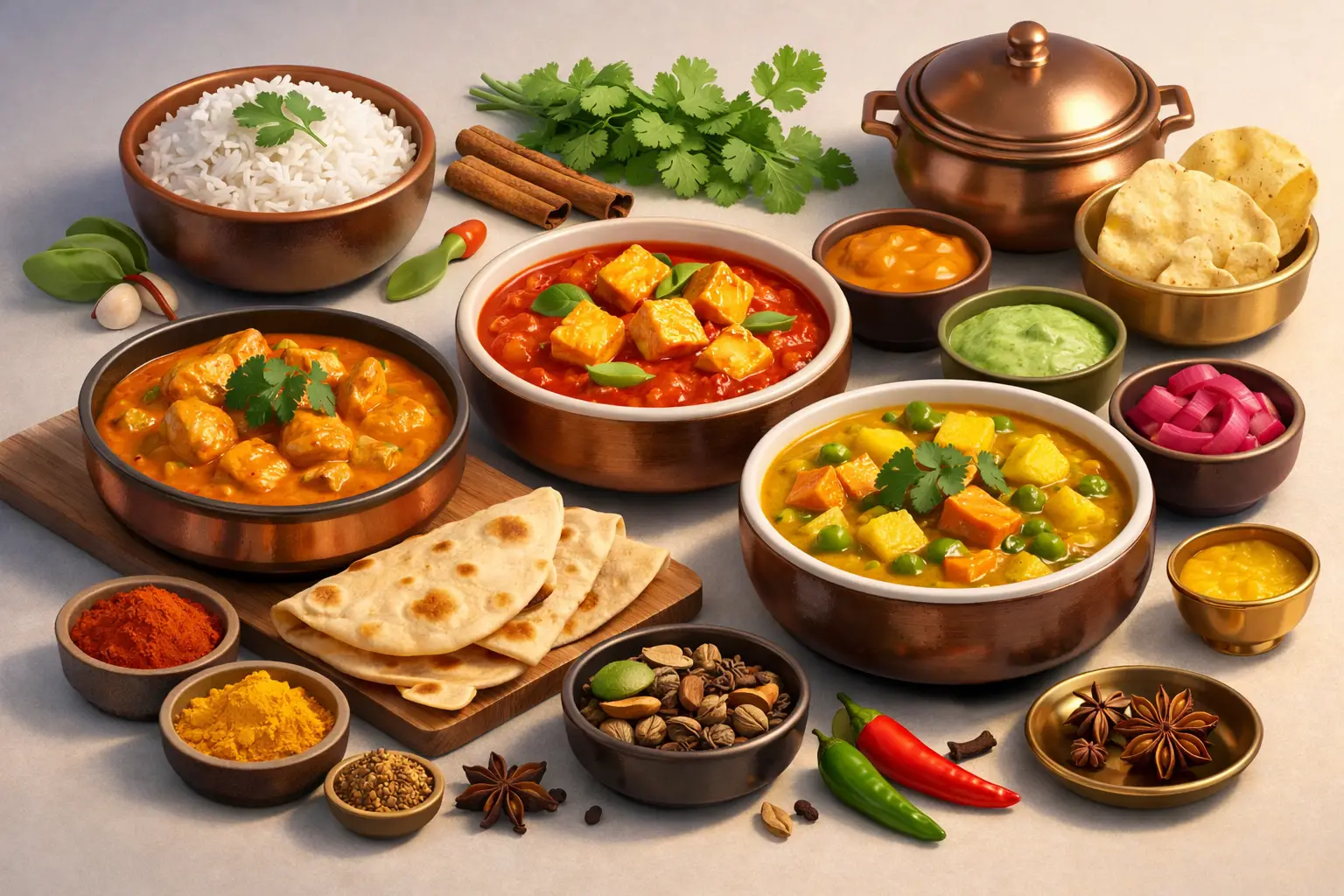
The word “curry” itself is a useful umbrella term, especially in Britain and the US, but it does not describe a single Indian dish. In Indian kitchens, dishes are more often defined by their main ingredient, cooking method, or sauce. A chicken korma, a lamb rogan josh, a vegetable jalfrezi, and dal tadka may all appear on a curry menu, yet they have very different roots and flavor profiles.
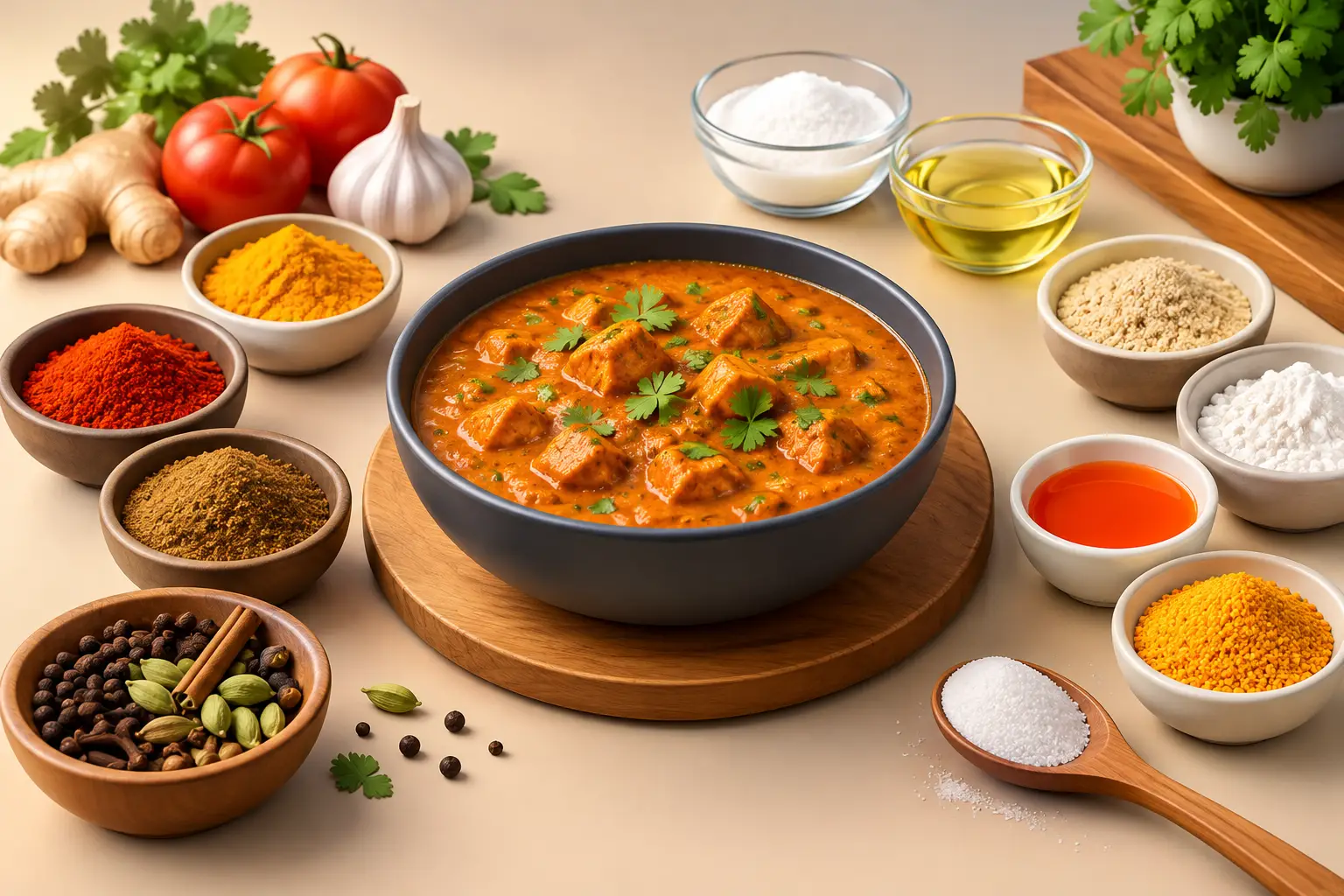
The best versions avoid shortcuts. Rather than relying on excess cream, sugar, or grease to create impact, they develop flavor through patient cooking. Onions may be softened until sweet and golden, ginger and garlic cooked until aromatic, and ground spices added at the right moment so they bloom rather than taste raw. That attention is what creates depth.
A guide to authentic Indian curries and their sauces
Before choosing a dish, it helps to recognize the broad styles of sauce. This is not about memorizing a menu. It is about knowing what you are likely to enjoy.
A tomato-based curry is often lively and warmly spiced. Tomato brings acidity and natural sweetness, while cumin, coriander, turmeric, chili, and garam masala contribute warmth. Dishes in this family can feel full-flavored without being rich, particularly when prepared with fresh tomatoes and a measured hand with oil.
Yogurt-based curries are gently tangy and beautifully balanced. Yogurt can soften heat and carry spices while keeping a sauce lighter than one built around cream. It needs careful cooking so it stays smooth rather than splitting, which is one small sign of a kitchen that respects technique.
Nut- and dairy-led sauces, often associated with korma-style dishes, are silkier and milder. Ground cashews, almonds, cream, or butter can add a luxurious texture, but richness should support the spices, not cover them. These dishes are ideal when you want comfort and a softer level of heat, though they are naturally more indulgent than a tomato or lentil-based choice.
Then there are drier, spice-forward preparations. A bhuna-style dish generally has a thicker coating of intensely cooked spices and less loose sauce. A jalfrezi-style curry often features peppers, onions, and a fresher, sharper finish. Both can be a great choice when you want bold flavor with a lighter feel.
Regional character matters
India’s food traditions are as diverse as its landscapes. Northern dishes are often associated with tandoor cooking, yogurt marinades, warming whole spices, and richer gravies. That does not mean every northern curry is heavy, but it explains why slow-cooked lamb dishes and creamy sauces are so loved.
In the south, coconut, curry leaves, mustard seeds, tamarind, black pepper, and chilies often play a larger role. The result can be deeply savory, aromatic, and tangy rather than creamy. Coastal cooking may highlight seafood, while lentils and vegetables are central to many everyday meals.
Bengali cooking often pairs mustard, fish, and delicate spice blends. Gujarati food can balance sweet, sour, and savory notes, with a strong vegetarian tradition. Across the country, lentils, beans, seasonal vegetables, and grains are not side dishes afterthoughts. They are essential expressions of Indian cooking.
This is why there is no single answer to the question, “What does authentic Indian curry taste like?” It depends on where the inspiration comes from, what is in season, and what the cook is trying to balance.
How to choose the right curry for your table
Start with the experience you want rather than simply choosing the hottest dish on the menu. If you are craving something warming but refined, a slow-cooked lamb curry or a gently spiced chicken dish may be the right fit. If freshness is the priority, look for dishes with vegetables, tomato, ginger, peppers, spinach, or lentils.
Heat is only one dimension of flavor. A well-made hot curry should still taste of cumin, coriander, black pepper, cardamom, and the ingredient at its center. If you enjoy spice but do not want overwhelming chili, ask for medium heat and choose dishes with a more complex sauce. A hotter option is worth choosing when you enjoy the livelier character it brings, not as a test of endurance.
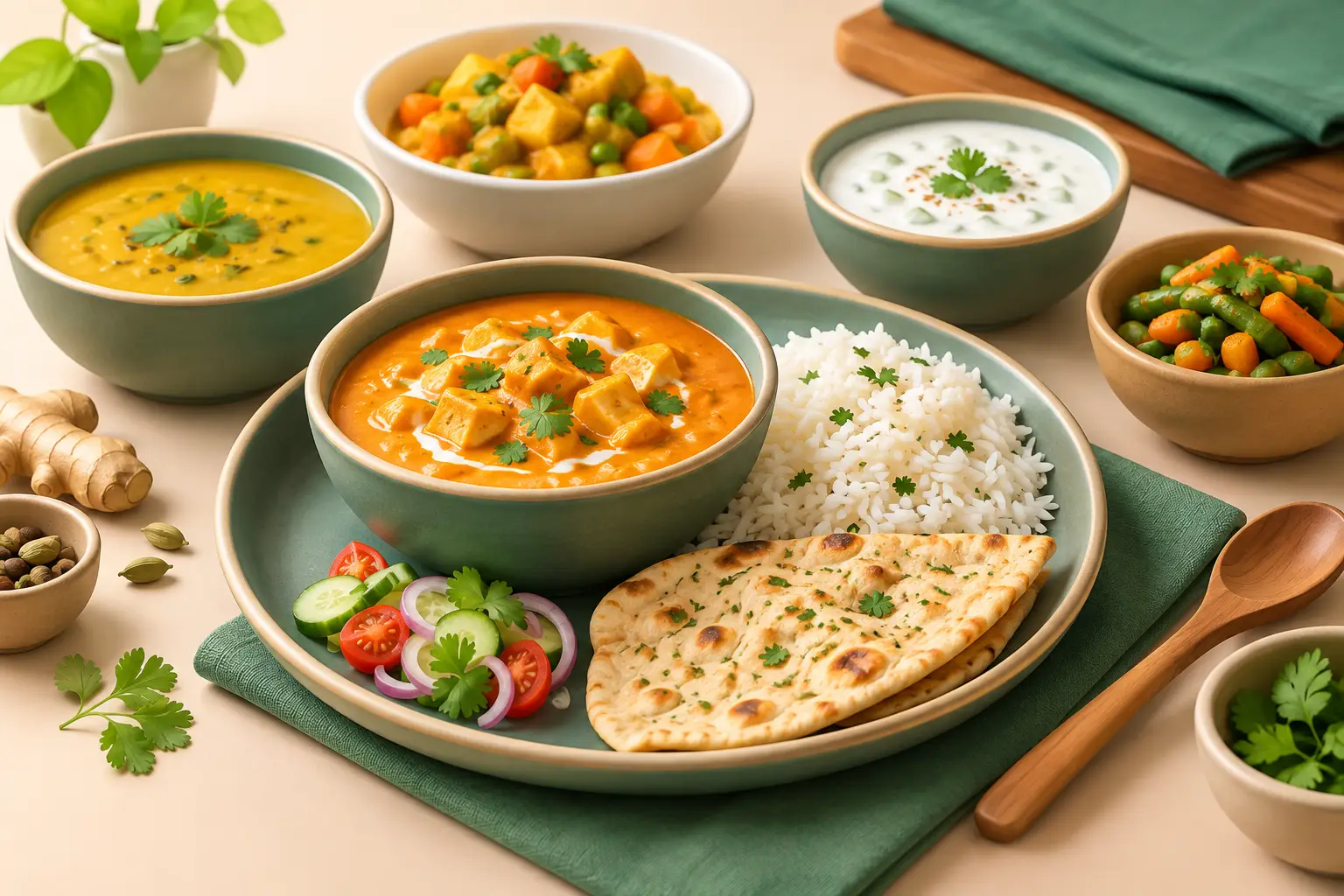
For a shared meal, balance is more satisfying than ordering several dishes with similar creamy sauces. Pair one richer main with a brighter vegetable curry or dal, then add tandoori-grilled protein for smokiness and contrast. Rice is excellent for enjoying a sauce, while naan is made for scooping and sharing. Neither is automatically the better choice – it depends on whether you want a fuller meal or a lighter plate.
Vegetarian, vegan, and gluten-free diners should not have to compromise on flavor. Chickpeas, lentils, eggplant, cauliflower, spinach, okra, and paneer all have distinct textures and work beautifully with Indian spices. For plant-based choices, ask about dairy in sauces and breads. For gluten-free dining, confirm preparation details, especially when ordering for someone with a serious allergy.
Freshness is the difference you can taste
A curry should feel satisfying, not tiring. Fresh ginger, garlic, herbs, vegetables, and made-to-order cooking bring brightness that cannot be replicated by a sauce held too long. You may notice it in a clean finish, a lively aroma, and vegetables that retain character rather than disappearing into the gravy.
Lighter Indian cooking does not mean bland cooking. It means using richness intentionally. A spoonful of yogurt, a little cream, or fragrant oil can make a real contribution, but the dish should still feel balanced. This is especially welcome for weeknight delivery, when you want the comfort of a curry without the sense that dinner has become too heavy.
At Cilantro London, this approach is central to the experience: authentic recipes, carefully sourced ingredients, and made-to-order dishes that bring restaurant-quality Indian food to your table. For diners around Putney, Roehampton, Richmond, and nearby neighborhoods, it is a way to enjoy familiar favorites with more freshness and care.
Small ordering details that improve the meal
If you are ordering for a group, think about timing as well as taste. Tandoori dishes are at their best when enjoyed soon after they arrive, while saucy curries travel particularly well. Keep breads wrapped until serving, and transfer curries to warm bowls if you are setting the table for a longer meal.
Do not overlook the supporting dishes. A cooling raita can make a spicy curry more enjoyable, while a crisp salad adds lift to a richer selection. Pickles and chutneys offer sharpness and sweetness in small amounts, helping each bite taste new again. These contrasts are part of the pleasure, not merely extras.
The next time you choose Indian food, let your appetite lead, but ask a little more of the dish in front of you. Choose the sauce, spice level, and accompaniments that make dinner feel generous and balanced – then take the first bite while it is still fragrant and hot.