You should not have to choose between eating carefully and eating well. A great gluten free curry takeaway gives you both – deep, layered flavor and the confidence that your meal has been prepared with real attention to ingredients, cooking methods, and cross-contact.
That matters more with Indian food than many people realize. Curry can be naturally gluten-free, but not every dish is automatically a safe choice. Thickened sauces, marinades, fried starters, breads, and shared kitchen practices can all change the picture. If you love Indian food and want a takeaway that feels satisfying rather than risky, it helps to know what to look for.
What makes a gluten free curry takeaway genuinely good?
The best gluten free takeaway is not just about removing one ingredient. It is about how the food is built from the ground up. Indian cooking has a natural advantage here because many classic dishes rely on rice, lentils, chickpeas, vegetables, yogurt, tomatoes, onions, and spices rather than wheat.
Still, there is a difference between a menu that happens to include a few gluten-free dishes and a kitchen that takes dietary needs seriously. A genuinely good gluten free curry takeaway starts with fresh ingredients, made-to-order preparation, and a team that understands which sauces, marinades, and sides are suitable. That knowledge shows up in the details – cleaner flavors, lighter textures, and food that tastes balanced rather than weighed down by unnecessary fillers.
For many diners, that is exactly what makes modern Indian takeaway so appealing. You still get richness and warmth, but without the heaviness people often associate with a standard Friday night curry order.
Which Indian dishes are often a good fit?
If you are ordering gluten free curry takeaway, some dishes are usually easier choices than others. Tomato-based curries, lentil dishes, grilled meats from the tandoor, and vegetable mains can often work well, especially when they are prepared simply and freshly.
Dishes built around naturally gluten-free ingredients tend to be the most reliable. Think along the lines of dal, certain chicken or lamb curries, paneer dishes, saag, chana, and biryani served with the right accompaniments. Steamed rice is usually a straightforward side, and many grilled starters can be suitable too.
What changes from restaurant to restaurant is the fine print. One kitchen may use gram flour in a coating, another may use wheat flour. One chef may keep a sauce completely gluten-free, while another thickens it. This is why the dish name only tells part of the story.
Dishes that deserve a second look
Not every favorite is off the table, but some dishes need a little more caution. Anything battered or deep-fried may involve wheat flour or shared fryers. Naan, roti, paratha, and other breads are obvious ones to avoid if you are strictly gluten-free. Some samosas, pakoras, or street food-style snacks may also be unsuitable depending on the recipe.
Creamy sauces can be a gray area too. Many are naturally gluten-free, but some kitchens use flour or pre-made bases. Even small additions matter if you are sensitive or have celiac disease.
That does not mean your options become limited. It just means asking the right question before you order is worth it.
How to order gluten free curry takeaway with confidence
The easiest way to spot a trustworthy restaurant is not flashy wording. It is clarity. If a team can explain which dishes are gluten-free, what can be adapted, and how the kitchen handles preparation, that is usually a very good sign.
When ordering, be specific. Saying you are “avoiding gluten” is less helpful than saying you need a gluten-free meal. If your requirement is medical rather than preference-based, say that plainly. A good restaurant will appreciate the directness and guide you properly.
It also helps to ask about the full meal, not just the curry itself. Rice may be fine, but what about the sauce on the side, the appetizer, or the dessert? Gluten has a habit of sneaking in where people least expect it.
Questions worth asking
A short conversation can save a disappointing dinner. Ask whether the dish itself is gluten-free, whether it is prepared separately where needed, and whether there are any better alternatives on the menu if your first choice is not suitable.
The tone matters here too. You should feel looked after, not brushed off. Restaurants that take pride in hospitality tend to treat dietary needs as part of the service, not an inconvenience.
Why lighter Indian food often works better for gluten-free diners
There is a reason more people are looking for Indian food that feels fresh, balanced, and less greasy. Heavier takeaway can leave you feeling overly full, and when you are already navigating dietary restrictions, that can make the experience even less enjoyable.
A lighter style of cooking tends to be a better match for gluten-free ordering because it often relies less on bulked-up sauces, heavy bread pairings, and fried extras. You taste the actual dish more clearly – the ginger, cumin, coriander, fresh herbs, slow-cooked onions, the tang of tomato, the warmth of chili. That is where the pleasure is.
This is also why chef-led Indian kitchens stand out. When the food is made with care and balance, gluten-free options feel intentional rather than second best. You are not piecing together a meal from side dishes. You are ordering a proper dinner.
Gluten free curry takeaway for different occasions
One of the nicest things about Indian takeaway is how flexible it is. A weeknight order for one person looks very different from a family dinner or a casual night in with friends. Gluten-free dining should fit into all of those moments without stress.
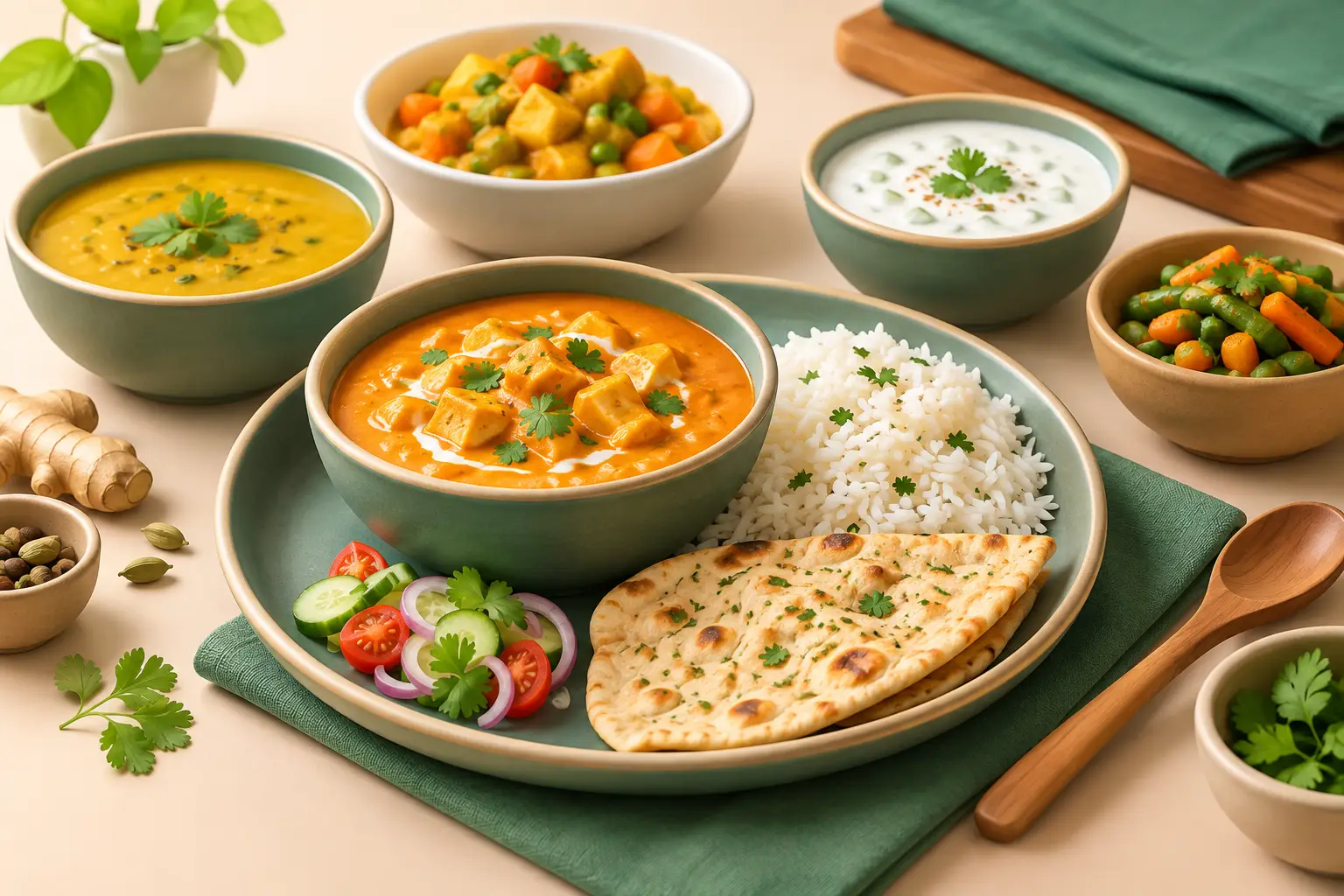
For a solo dinner, a classic curry with rice and a vegetable side can feel complete and comforting. For couples, it is often easier to build a shared meal around naturally gluten-free mains, tandoori dishes, and rice rather than trying to adapt bread-heavy choices. For families or groups, clear labeling becomes especially useful so everyone knows what they can enjoy.
If you are ordering for an office lunch or a gathering, gluten-free options also help make the menu more inclusive. People remember when a restaurant makes group ordering easier rather than more complicated.
What local diners should expect from a quality takeaway
In neighborhoods like Putney, Richmond, Wimbledon, and Barnes, expectations around takeaway have changed. People still want comfort and convenience, but they also want food that feels restaurant-quality at home. That includes reliable delivery, careful packaging, accurate orders, and menus that reflect how people really eat now.
For gluten-free diners, that higher standard is even more valuable. You want to know the kitchen pays attention. You want dishes that arrive fresh, hold their texture well, and taste as though they were cooked for someone, not just processed through a system.
That is where a polished local restaurant can make all the difference. At Cilantro London, that approach is part of the appeal – authentic Indian cooking prepared with care, fresher ingredients, and menu options that suit modern diners without losing the character of the food.
The best gluten free curry takeaway is built on trust
Flavor gets people through the door. Trust is what brings them back. When a restaurant consistently delivers gluten-free meals that are clear, delicious, and thoughtfully prepared, it becomes the kind of place people rely on for ordinary evenings and special ones alike.
That trust is earned in small ways. A knowledgeable answer on the phone. A menu that does not overpromise. A curry that tastes vibrant rather than heavy. A takeaway order that arrives exactly as expected. Those details are easy to overlook until you find a place that gets them right every time.
If you are searching for gluten free curry takeaway, the goal is not just to find something you can eat. It is to find food you genuinely want to order again – fresh, authentic, satisfying, and prepared with the kind of care that lets you relax and enjoy dinner.