A great Indian delivery order should leave you pleasantly full, not ready for a nap. The secret to how to order healthy Indian delivery is not avoiding curries, spice, or comfort food. It is choosing dishes where fresh ingredients, thoughtful cooking, and satisfying portions do the work.
Indian cuisine offers far more than rich sauces and fried starters. Lentils, grilled meats, vegetables, aromatic herbs, yogurt, and whole spices all have a natural place on the table. A few smart choices can turn a weekday delivery into a meal that feels generous, flavorful, and balanced.
Start With the Cooking Method, Not the Calories
Menu descriptions reveal a great deal about how a dish is likely to feel. Look first for grilled, roasted, baked, tandoori, steamed, or lightly sautéed options. These cooking methods bring out the flavor of marinated proteins and vegetables without relying on heavy coatings or excess oil.
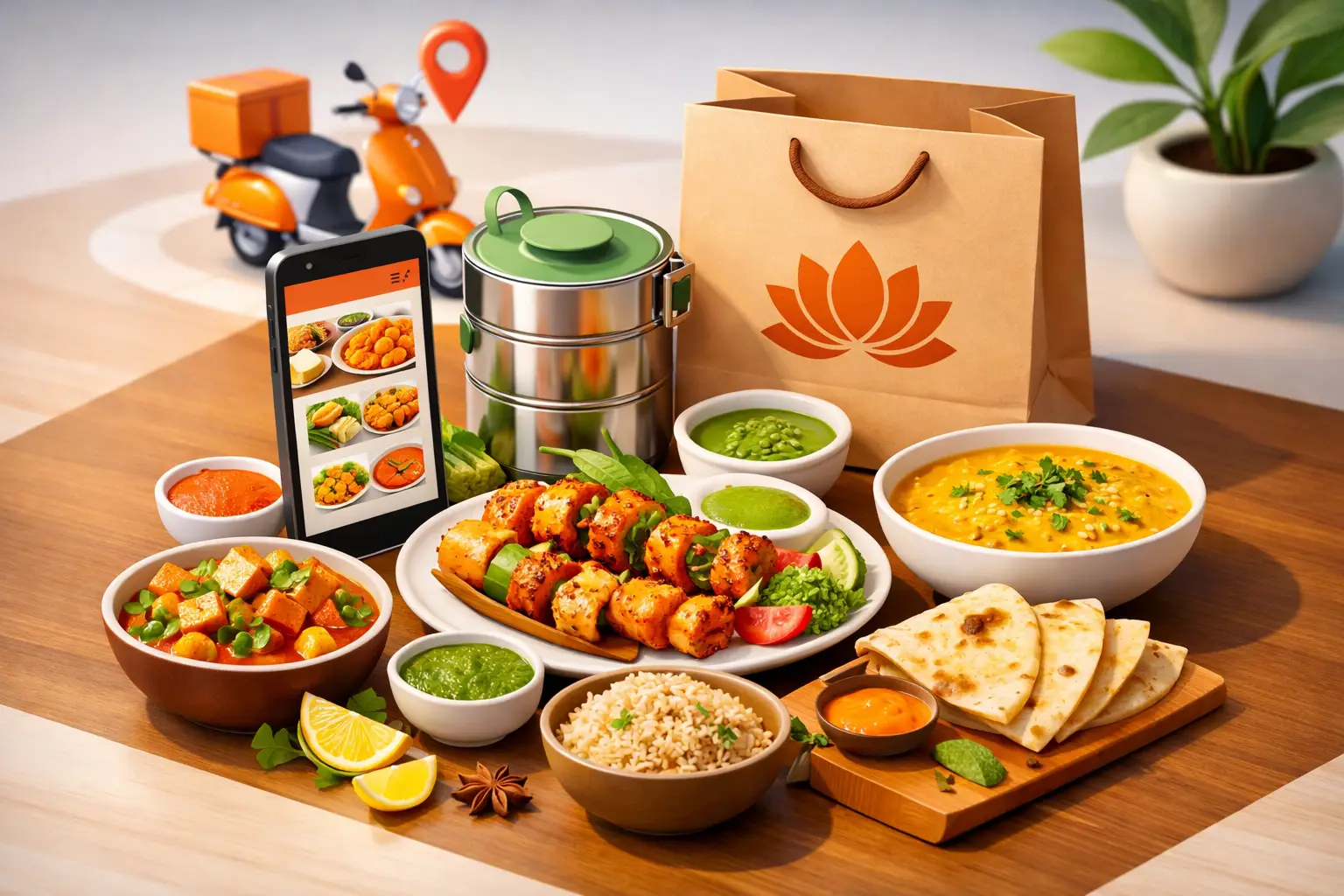
Tandoori dishes are often an excellent starting point. Chicken, fish, paneer, or vegetables are typically marinated with spices and yogurt, then cooked at high heat. The result is charred edges, tender centers, and plenty of flavor before a sauce even enters the picture. A tandoori main paired with vegetables and a modest serving of rice can make for a satisfying dinner.
That does not mean you must rule out every curry. A tomato-based, spinach-based, lentil, or vegetable-forward curry can be a beautifully balanced choice. The key is to recognize that creamier dishes are usually richer by design. Order them when that is what you genuinely want, then balance the rest of the meal around them rather than adding several equally rich sides.
Build a Balanced Indian Delivery Order
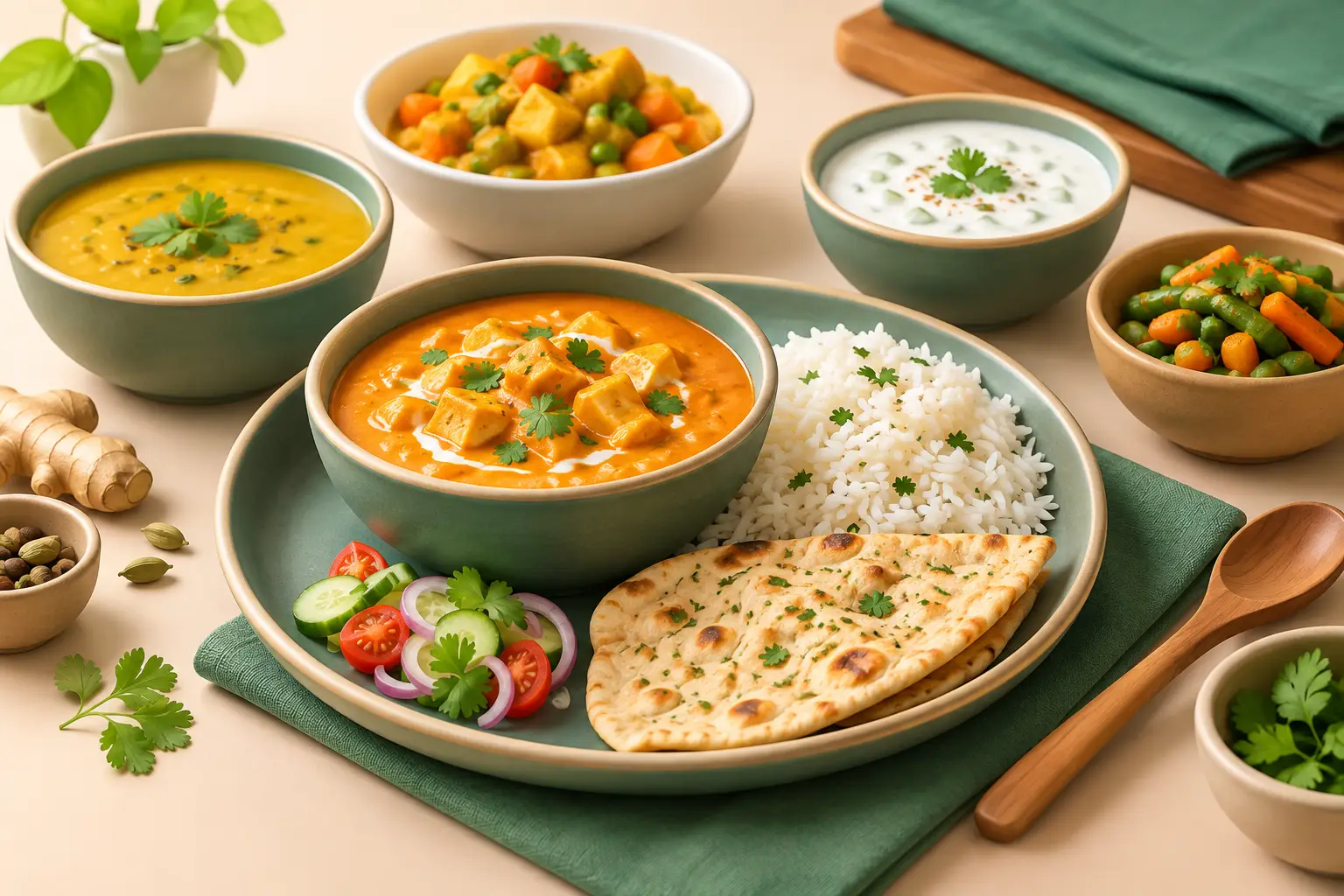
The easiest way to order well is to give your meal a simple structure: a protein or plant-based centerpiece, a vegetable dish, and one carbohydrate you truly enjoy. That approach keeps the order varied without turning dinner into a parade of duplicate, heavy dishes.
For protein, grilled chicken, fish, lamb in a tomato or herb-led sauce, chickpeas, lentils, or paneer can all fit. Vegetarian and vegan diners have particularly strong options in Indian cooking, since dals, chana, beans, cauliflower, eggplant, okra, and mixed vegetables carry so much flavor on their own.
Then add vegetables with real presence. A dry-style vegetable dish, roasted cauliflower, sautéed spinach, or a fresh salad can bring color and texture to the table. Vegetable sides are not a consolation prize. They add contrast to warm spices, richer sauces, and rice-based dishes, making the entire order feel more complete.
For carbohydrates, choose the one you are most excited to eat. Fragrant basmati rice, a whole-wheat roti, or a portion of biryani can all work. The difference is portion and pairing. If biryani is the star, consider a lighter grilled dish or salad alongside it. If you choose a saucy curry, rice or roti gives you a practical way to enjoy every last spoonful without automatically ordering both.
Think of sauce as part of the dish
Sauce is where flavor lives, but it can also change the richness of a meal quickly. Tomato, onion, ginger, garlic, tamarind, and spice-led gravies tend to feel brighter than those built around generous amounts of cream, butter, or nuts. Neither is inherently off-limits. It depends on whether you want a lighter everyday meal or an indulgent weekend treat.
If you are ordering for a group, a useful middle ground is to choose one richer shared curry and surround it with tandoori dishes, dal, and vegetables. Everyone gets a taste of something luxurious, while the meal still has freshness and range.
Choose Starters That Add, Not Distract
It is easy for starters to become the heaviest part of an order, especially when hunger is doing the ordering. Fried snacks are delicious, but a large selection before the main course can leave little room for the dishes you were looking forward to.
For a lighter beginning, consider grilled kebabs, vegetable dishes, soup, or a crisp salad with a bright dressing. Yogurt-based accompaniments can also bring cooling contrast to spicy food. If samosas, pakoras, or other fried favorites are non-negotiable, share one portion at the table rather than making every starter fried. That is a more enjoyable choice than pretending the foods you love have no place in a healthy routine.
How to Order Healthy Indian Delivery for Dietary Needs
Indian food can be exceptionally accommodating, but dietary labels and personal requirements still deserve a careful look. Vegetarian choices are plentiful, and many dishes can suit vegan diners when dairy, ghee, cream, or yogurt are left out. Gluten-free diners may find many rice, lentil, and grilled dishes suitable, but breads and cross-contact in a kitchen should always be considered.
When placing your order, be clear and specific. Ask whether a dish contains dairy, nuts, gluten, or ghee if that matters for your needs. Mention allergies rather than simply saying you have a preference. A good restaurant wants to guide you toward dishes that are both safe and enjoyable, not leave you guessing.
There is also a difference between dietary restriction and personal goals. Someone reducing dairy may choose a lentil curry or tandoori vegetables. Someone looking for a higher-protein meal may lean toward grilled chicken or fish with a vegetable side. Someone feeding children may prioritize milder dishes, rice, and familiar textures. Healthy looks different depending on who is at the table.
Make Delivery Work for You
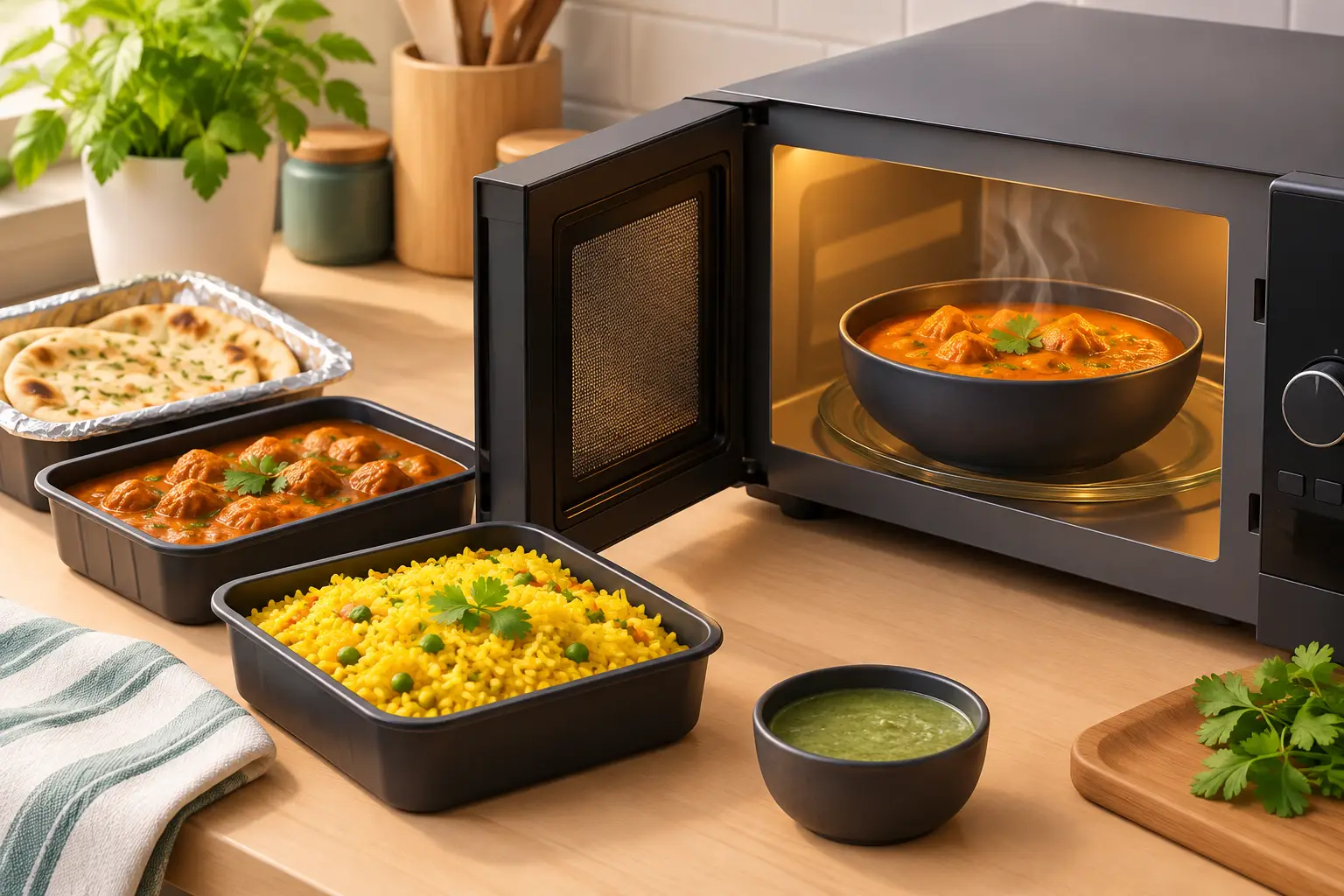
A thoughtful order can lose some of its appeal if it sits too long before eating. If possible, order when you know you can serve the food soon after it arrives. Transfer hot dishes to serving bowls, fluff the rice, add a squeeze of lemon if you have it, and put the vegetables in the center of the table rather than treating them as an afterthought.
Portioning is helpful, especially with generous restaurant servings. Serve a reasonable first plate, then pause before going back for more. You can always enjoy leftovers the next day, often with even deeper flavor after the spices have had time to settle.
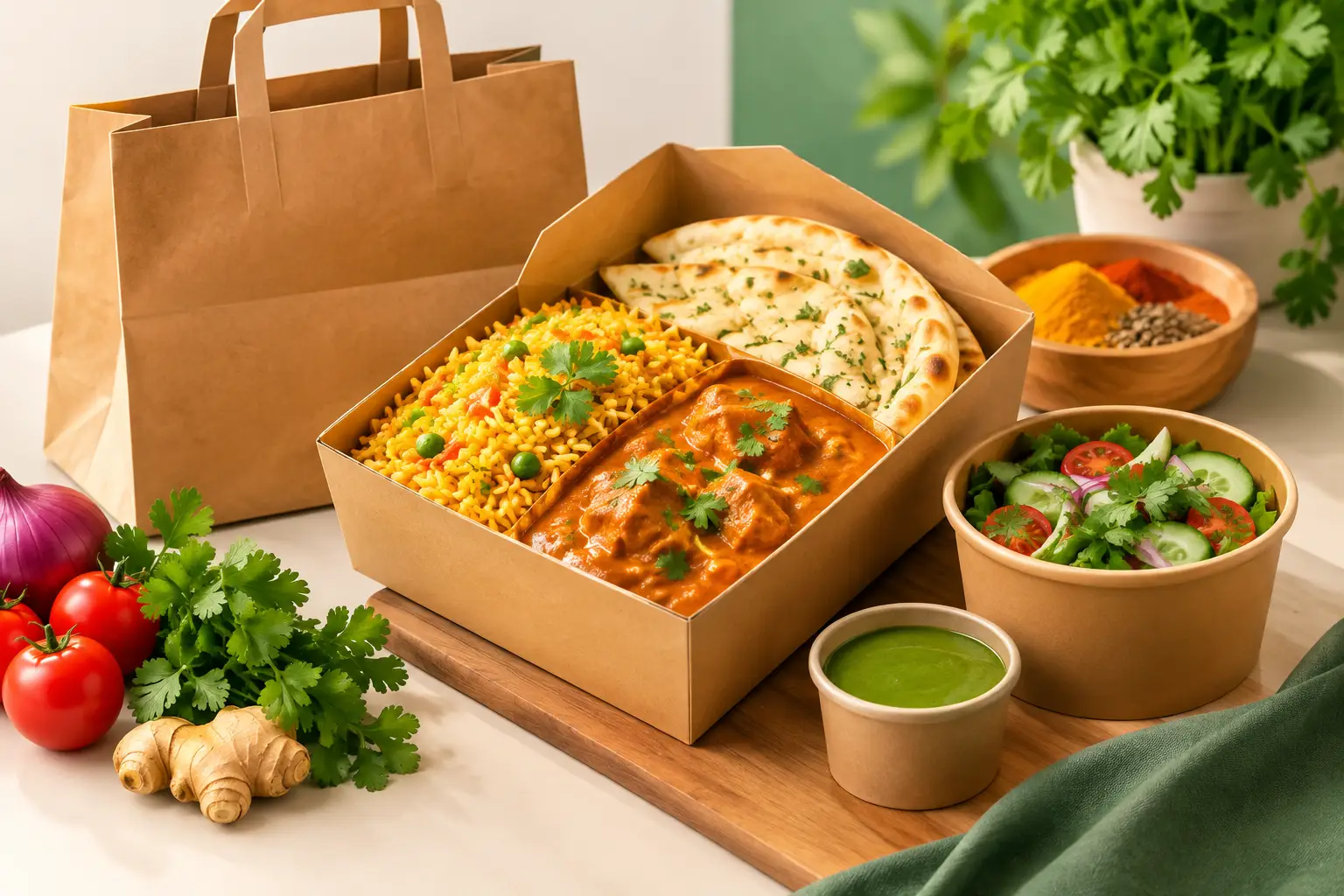
For office lunches or family dinners, ordering a few shareable dishes is often better than everyone choosing a separate rich main. One grilled dish, one lentil or vegetable curry, a fresh side, and rice or bread gives the table options without excess. It also makes it easier to accommodate different spice preferences.
Do Not Mistake Spice for Heaviness
One of the best things about Indian food is that it does not need to be bland to feel light. Cumin, coriander, turmeric, cardamom, chili, black pepper, fresh cilantro, ginger, and garlic create layers of flavor that have nothing to do with excessive richness.
If you enjoy heat, ask for your preferred spice level rather than assuming the hottest dish is the most authentic. A well-made dish should have balance: warmth, fragrance, acidity, and depth. The goal is to taste the ingredients and the spices, not simply to overpower your palate.
At Cilantro London, that balance is central to the menu: authentic Indian recipes prepared with fresh ingredients and a lighter, more refined approach. For diners in Putney and nearby neighborhoods, it is proof that delivery can still feel like a restaurant-quality meal.
A Better Way to Think About Treat Night
Healthy ordering is not a test of restraint. It is a way to make sure your dinner matches the occasion. Some nights call for grilled food, vegetables, dal, and a clean finish. Other nights call for a buttery curry, warm naan, and dessert shared with people you love. Both belong at the table.
The most sustainable choice is the one that lets you enjoy Indian delivery regularly without feeling that every order has to be either perfectly virtuous or completely indulgent. Choose fresh dishes often, make room for the classics you crave, and let flavor remain the reason you ordered in the first place.