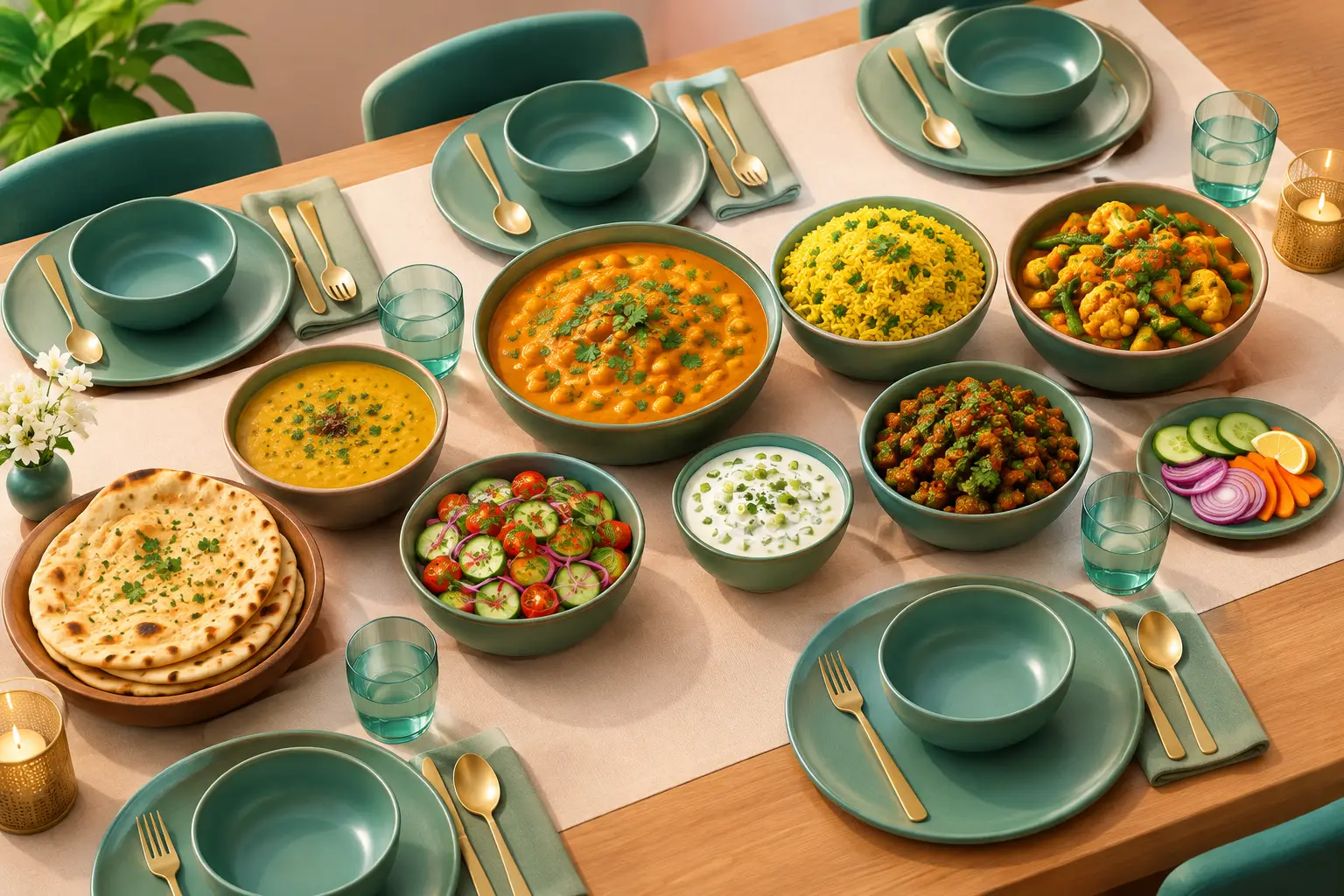
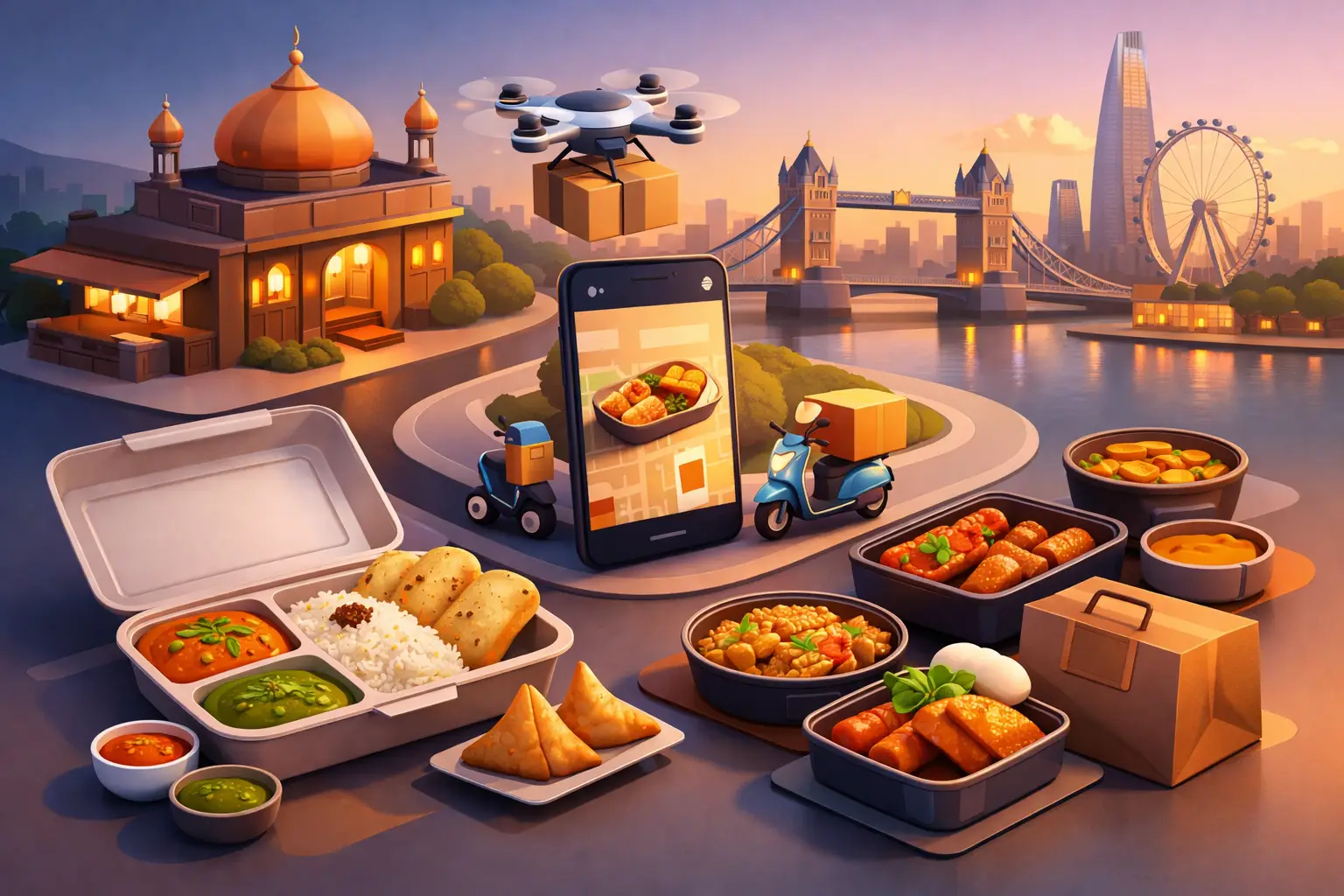
A great Indian dinner at home should not feel like a compromise. It should arrive fragrant, freshly prepared, and full of the spice, texture, and care you would expect when dining out. That expectation is shaping the future of premium indian takeaway: food that delivers the comfort of familiar favorites while feeling lighter, more considered, and genuinely restaurant-quality.
For diners in Putney and nearby neighborhoods, takeaway is no longer reserved for rushed weeknights or the occasional Friday treat. It can be the answer to a relaxed date night, a family meal with different dietary needs, an easy office dinner, or a small celebration at home. The difference lies in what is being ordered – and how it is made.
Premium Means More Than a Higher Price
Premium takeaway is not about adding formality to a paper bag. It is about making better choices at every stage, from the ingredients in the kitchen to the way dishes are designed for the journey home.
Indian food has always had the range to meet this moment. A menu can be deeply comforting without being overly rich. It can offer a warming curry beside chargrilled tandoori dishes, fresh salads, fragrant rice, and vegetable-led plates that feel complete rather than like an afterthought. The best restaurants understand that richness comes from layers of spices, slow-cooked sauces, fresh herbs, and skilled preparation – not simply from excess oil or cream.
That distinction matters to customers who want food that feels satisfying on a Wednesday evening as much as it does on a weekend. They still want the familiar pleasure of a velvety makhani sauce, smoky grilled chicken, or aromatic biryani. They simply want to finish dinner feeling looked after rather than weighed down.
The Future of Premium Indian Takeaway Is Made to Order
The strongest signal of quality is freshness. Food prepared to order retains its character: tandoori dishes keep their charred edges, herbs remain bright, and sauces arrive with their spices intact rather than tasting flat from a long hold.
This approach takes more care in the kitchen, but it is noticeable at the table. A made-to-order meal allows chefs to balance heat, seasoning, and texture with the dish itself in mind. It also creates more room for diners to choose a meal that suits them, whether that means a milder curry for the family, a plant-based entrée, or a gluten-free option prepared with clear attention.
There is a practical trade-off. Freshly cooked food may take a little longer than food assembled from pre-prepared components. For many people, though, that extra time is a fair exchange for a meal that tastes like it has just left the kitchen, because it has.
Packaging plays a role, too. A premium takeaway has to travel well. Crisp elements should remain as crisp as possible, sauces should be securely packed, and dishes need enough space to arrive looking appetizing. Not every restaurant dish is suited to delivery in exactly the same form, which is why a thoughtful takeaway menu matters. The goal is not to copy the dining-room experience perfectly. It is to create a version that is just as satisfying at home.
Lighter Cooking Without Losing Authenticity
For years, Indian takeaway in Britain has often been judged through a narrow lens: heavy sauces, generous portions, and a meal best saved for a rare indulgence. That image misses the variety and balance of Indian cooking.
A modern premium menu can respect traditional recipes while presenting them in a way that suits how people eat now. Lean proteins cooked in the tandoor, vegetable dishes with real depth, lentils, grilled seafood, and carefully seasoned salads all have a natural place beside classic curries and breads. The point is not to make Indian food less Indian. It is to let its ingredients and regional techniques speak clearly.
Health-conscious dining also does not mean stripping away pleasure. A dish should still be generous in flavor, beautifully aromatic, and satisfying enough to feel like dinner. It depends on what the diner wants that evening. Some nights call for a light grilled dish and a fresh side. Others call for biryani, naan, and a favorite curry shared around the table. A good premium takeaway menu makes both choices feel welcome.
Dietary Choice Is Becoming a Basic Expectation
The future of premium Indian takeaway is inclusive by design. Vegetarian, vegan, and gluten-free diners should have choices that feel as exciting and substantial as the rest of the menu, not one or two fallback dishes.
Indian cuisine is especially well placed to offer this variety. Lentils, chickpeas, seasonal vegetables, paneer, grains, fresh herbs, and layered spice blends can create dishes with real character across different dietary preferences. The standard customers now expect is not merely availability, but confidence: clear guidance, thoughtful preparation, and food that does not feel like it has been modified at the last minute.
This is particularly valuable when ordering for groups. Families and friends do not always eat the same way, and the easiest shared meal is one where everyone can choose something they are genuinely looking forward to. A menu that brings together tandoori cooking, vegan curries, vegetarian mains, rice dishes, and gluten-free options turns takeaway into a more generous occasion.
Convenience Should Still Feel Personal
Ordering online has become a normal part of neighborhood dining, but convenience alone does not build loyalty. People remember whether their order was accurate, whether the food arrived in good condition, and whether the meal lived up to the description that persuaded them to order.
That is where a restaurant-led takeaway model has an advantage. It connects the care of a dining room with the ease of delivery and collection. You might book a table for a birthday one month, order a quick dinner after work the next, and arrange a larger family meal later in the season. The experience should feel consistent across every occasion.
For local customers, reliability becomes part of the value. Knowing that there is a trusted Indian restaurant nearby can make spontaneous dinner plans far easier. It also encourages customers to order more thoughtfully: a selection of dishes to share, a new regional specialty, or a balanced meal that fits a busy week without feeling routine.
A Neighborhood Standard, Not a Passing Trend
Premium Indian takeaway is growing because diners are becoming more discerning, not because they want food to feel exclusive. They want authenticity alongside polish. They want generous hospitality alongside better ingredients. Above all, they want the confidence that a meal ordered at home will be prepared with the same pride as one served at a table.
For a neighborhood restaurant, that is an opportunity to become part of everyday life. Cilantro London brings that idea to the table with authentic Indian cooking, made-to-order dishes, and a fresher approach that suits both relaxed home dining and special plans.
The next time dinner needs to be convenient, choose the dishes that will make the evening feel cared for. Order a variety, share generously, and let a properly prepared Indian meal turn an ordinary night at home into something worth lingering over.