A dairy-free Indian meal can be full of fragrance, warmth, and satisfying depth without feeling like a compromise. If you are asking what Indian dishes are dairy free, the most useful answer is this: many are naturally close to dairy-free, but the final recipe matters. Ghee, yogurt, cream, paneer, and butter can appear where you may not expect them, so a confident order starts with knowing both the dish and the cooking method.
At its best, Indian cooking builds flavor through toasted spices, ginger, garlic, chilies, tomatoes, lentils, fresh herbs, and slow-cooked onions. Dairy is one delicious part of that tradition, not the foundation of every dish. With a few smart questions, there is plenty to enjoy.
What Indian dishes are dairy free by nature?
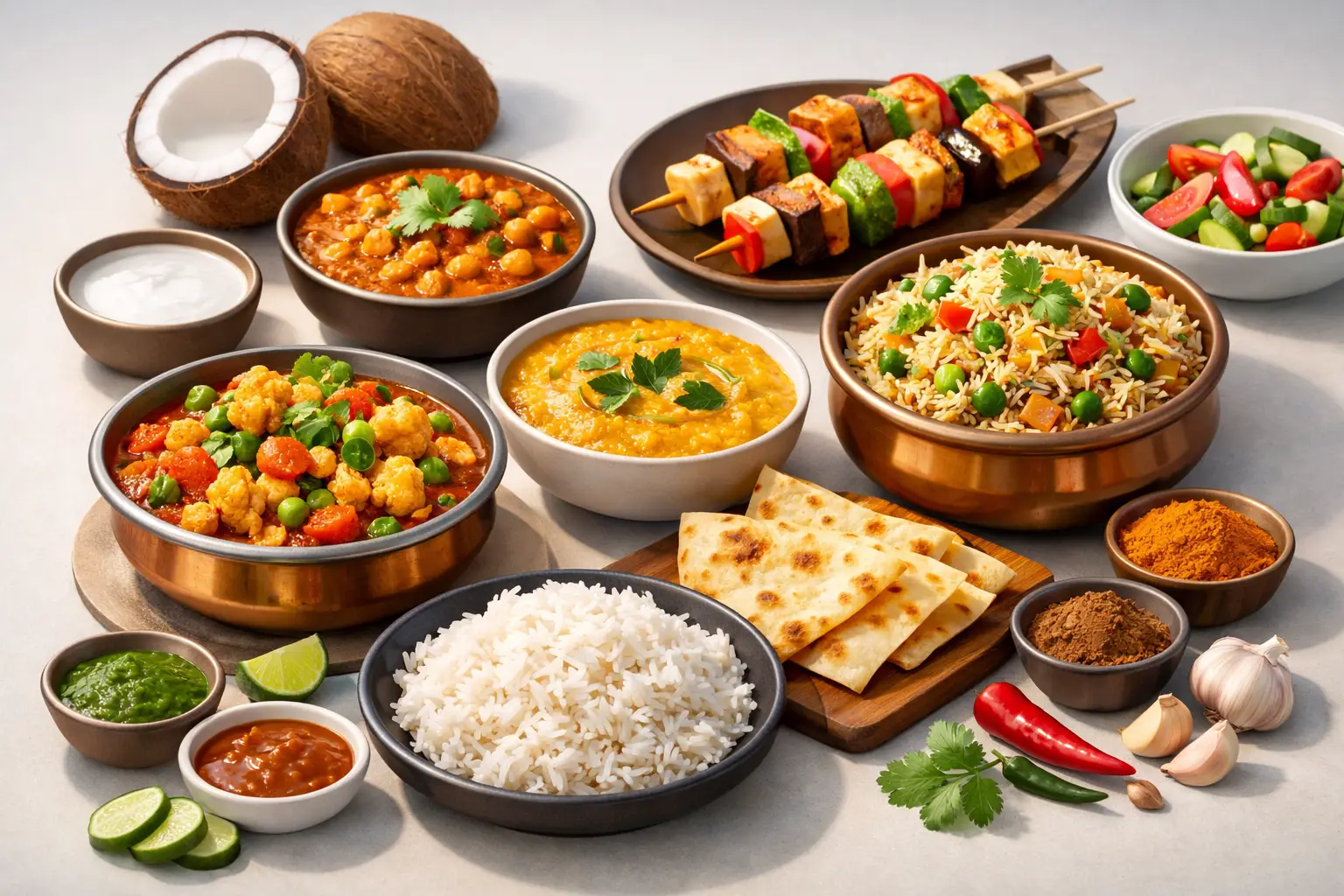
The strongest dairy-free choices often come from regional dishes built around vegetables, pulses, rice, seafood, or meat. These recipes rely on spices and aromatics rather than creaminess, although restaurant versions can vary.
Lentil dishes and bean curries
Dal is often an excellent place to start. A simple yellow dal, dal tadka, or lentil curry may be made with lentils, turmeric, cumin, garlic, tomato, and herbs. The point to check is the finishing tempering, known as tadka. It is traditionally sometimes prepared in ghee, though it can also be made with vegetable oil.
Chana masala, made with chickpeas in a tangy tomato and spice sauce, is another popular option that is frequently dairy-free. Rajma, a comforting kidney bean curry, can be suitable too. Both have enough body and character to stand on their own with rice, rather than needing a creamy sauce.
Vegetable curries with tomato, onion, or coconut bases
Aloo gobi, bhindi masala, baingan bharta, and mixed vegetable curries are commonly dairy-free when cooked in oil. Aloo gobi combines potatoes and cauliflower with warming spices. Bhindi masala highlights okra with onions and tomatoes, while baingan bharta brings a gently smoky flavor from roasted eggplant.
South Indian and coastal-inspired dishes can be especially helpful for dairy-free diners because coconut milk and coconut are widely used for richness. A coconut-based vegetable curry, fish curry, or chicken curry can offer a silky texture without cream. Still, coconut milk is not an automatic guarantee, as some kitchens may finish a sauce with butter or yogurt for their own recipe.
Tandoori dishes and grilled kebabs
Tandoori cooking can be a lighter, flavorful route, but it requires one important check: the marinade. Chicken tikka, tandoori chicken, lamb chops, and many kebabs are traditionally marinated in yogurt. The high heat of the tandoor does not remove the dairy.
Look instead for dishes specifically described as dairy-free, or ask whether the chef can prepare a spice-and-lemon marinade without yogurt. Seekh kebabs, made from seasoned minced meat, are sometimes naturally free from dairy, but recipes differ. Grilled fish with ginger, garlic, lemon, and spices may also work beautifully when no butter or yogurt is used.
Rice, biryani, and simple sides
Steamed basmati rice is usually a dependable dairy-free choice. Vegetable pulao and biryani can also be suitable, particularly when cooked with oil rather than ghee. The caution is that fragrant rice dishes are often enriched with ghee, and biryani may be served with raita, a yogurt side. Ask for the rice preparation and enjoy any yogurt accompaniment separately only if it suits your needs.
Fresh salads, kachumber, onion salad, and chutneys based on mint, cilantro, tamarind, or tomato can add brightness to the table. Pickles can be a bold dairy-free accent, though they may be quite spicy or salty. Papadum is often dairy-free as well, but it is worth confirming the frying oil and any seasoning used.
Dishes that often contain hidden dairy
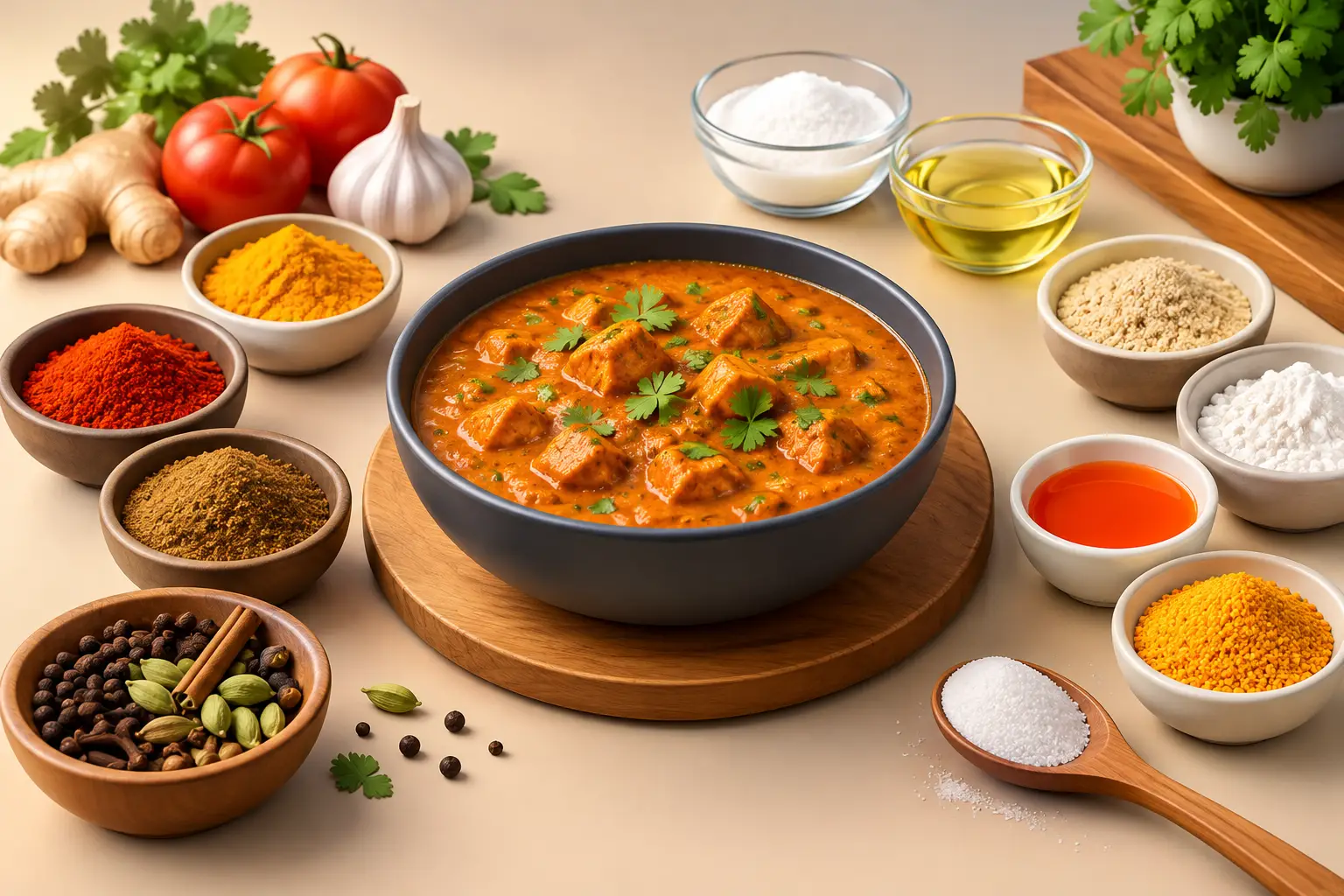
Some of the best-known Indian restaurant favorites are dairy-forward by design. Butter chicken, chicken tikka masala, korma, malai dishes, paneer curries, and creamy spinach preparations are unlikely to suit a dairy-free order. Their richness commonly comes from butter, cream, yogurt, paneer, or a combination of all four.
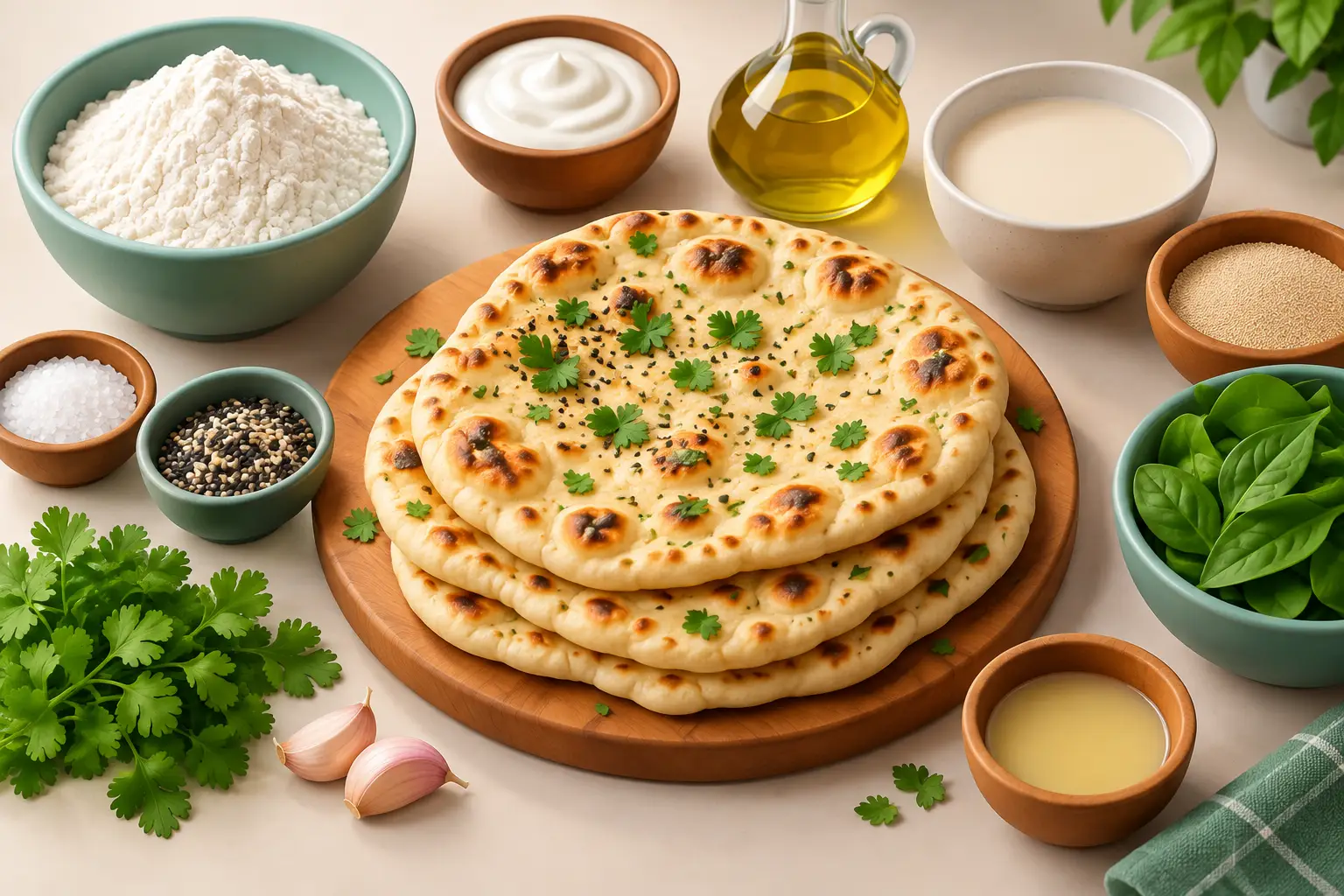
Naan is another frequent surprise. Many recipes use yogurt, milk, butter, or ghee, and garlic naan is often brushed with butter after baking. Roti or chapati may be a better alternative, but only if the dough and finishing fat are dairy-free. Do not assume that a flatbread is safe simply because it looks simple.
Even dishes that appear tomato-based can contain cream to soften the acidity, while a chef may use ghee for frying onions or blooming spices. For someone avoiding dairy due to an allergy, this distinction is more than a preference. Ask about ingredients, shared fryers, utensils, and whether the kitchen can safely accommodate cross-contact concerns.
How to order a dairy-free Indian meal with confidence
A clear, direct request makes it easier for a restaurant team to guide you well. Say that you need the dish prepared without milk, yogurt, cream, butter, ghee, paneer, or cheese. If your needs are medical, say so. “Dairy-free” can be interpreted differently by different people, while naming the ingredients leaves less room for confusion.
It also helps to ask two practical questions: “Is the sauce finished with cream or butter?” and “Is the tempering or cooking oil ghee-free?” These address the most common hidden additions without making ordering feel complicated.
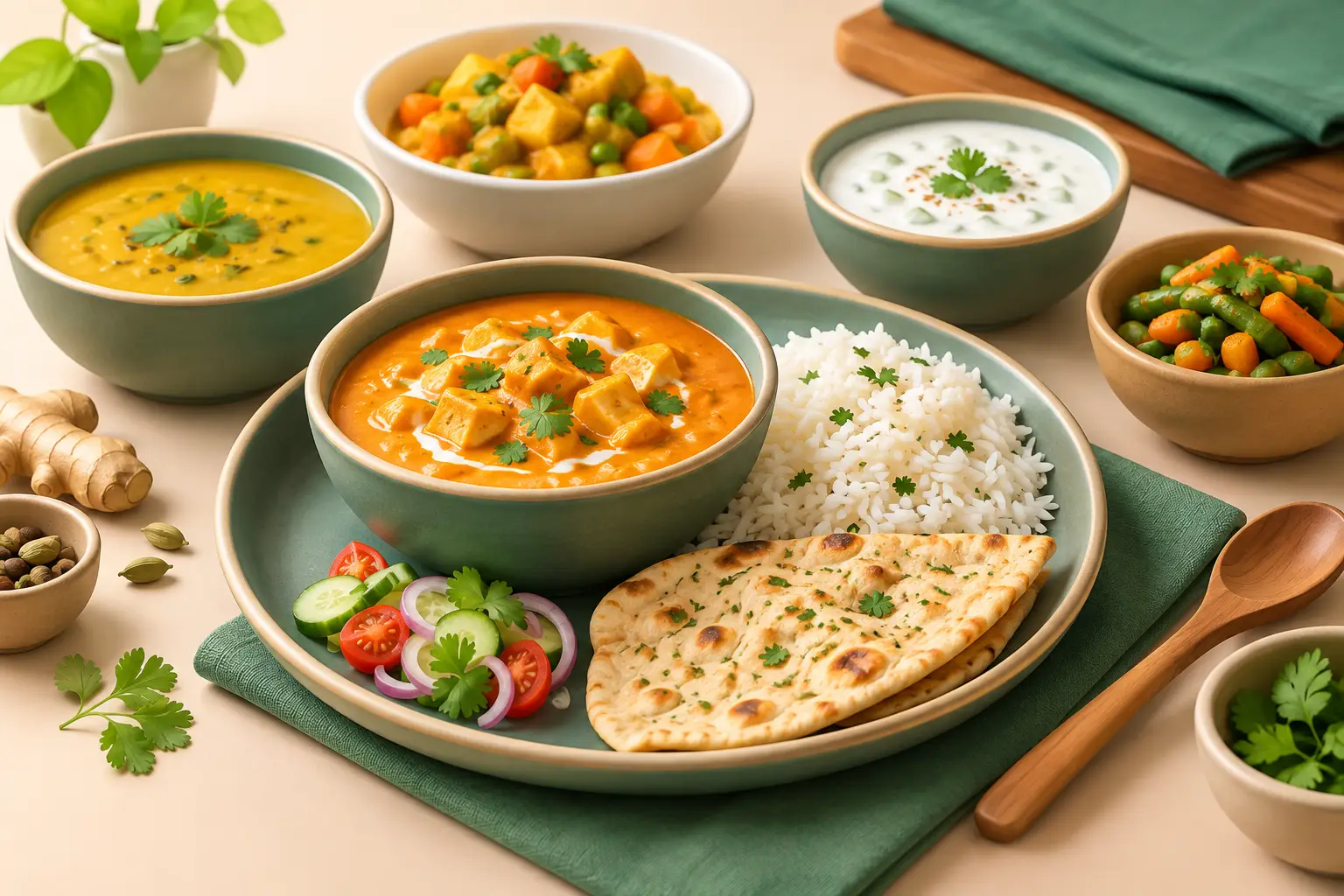
For a balanced meal, pair a dairy-free dal or chickpea curry with steamed basmati rice, a vegetable side, and a bright chutney. If you eat meat or fish, choose a grilled or tomato-based dish that the kitchen confirms is made without yogurt, butter, or ghee. You will get contrast on the plate: warming spices, fresh herbs, satisfying protein, and plenty of texture.
At Cilantro London, thoughtful made-to-order cooking makes these conversations more straightforward. Let the team know your dietary requirements when booking or placing an order, rather than waiting until the food arrives. That gives the kitchen the best chance to recommend a dish that still feels generous, authentic, and full of care.
Dairy-free does not always mean vegan
This is a useful distinction when ordering for a group. A dish may be dairy-free but contain chicken, lamb, fish, or eggs. Equally, a vegetable curry may be vegetarian but include cream, yogurt, butter, or paneer. Vegan dishes exclude all animal-derived ingredients, while dairy-free dishes specifically avoid milk products.
If you need both vegan and dairy-free food, ask whether the dish is prepared without ghee as well as without cream or yogurt. Ghee is clarified butter, so it is not appropriate for a strict dairy-free or vegan diet, even though some people who are sensitive to lactose may tolerate it differently. Your own dietary requirement should set the standard.
A few quick dairy-free ordering questions
Is ghee considered dairy?
Yes. Ghee is made from butter and should be avoided by anyone following a strict dairy-free diet. It may contain very little lactose or milk protein compared with butter, but that does not make it suitable for every allergy or dietary need.
Can I have curry without cream?
Often, yes. Tomato, onion, coconut, lentil, and spice-based curries can be deeply flavorful without cream. The restaurant may be able to adapt some dishes, but recipes that depend on yogurt marinades or cream sauces may not translate well.
Are Indian desserts dairy-free?
Many classic desserts, including gulab jamun, kulfi, rasmalai, and kheer, contain milk or milk solids. Fresh fruit is the safest simple finish unless a restaurant specifically offers a dairy-free dessert.
A great dairy-free Indian meal is not about stripping flavor away. It is about choosing dishes whose flavor was always meant to come from spices, fresh ingredients, and careful cooking. Ask early, order thoughtfully, and leave room at the table for the dishes that make you feel good long after dinner.