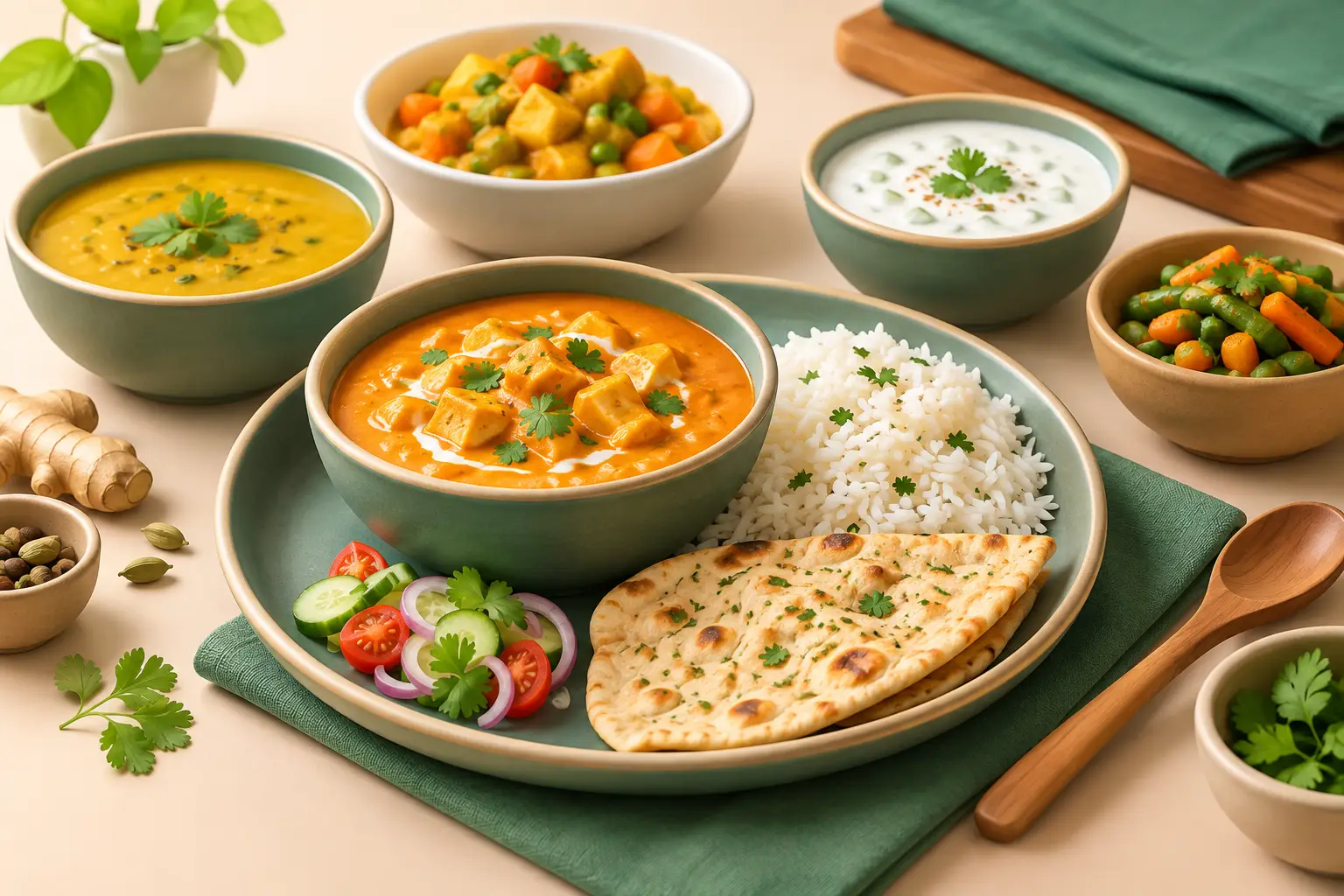
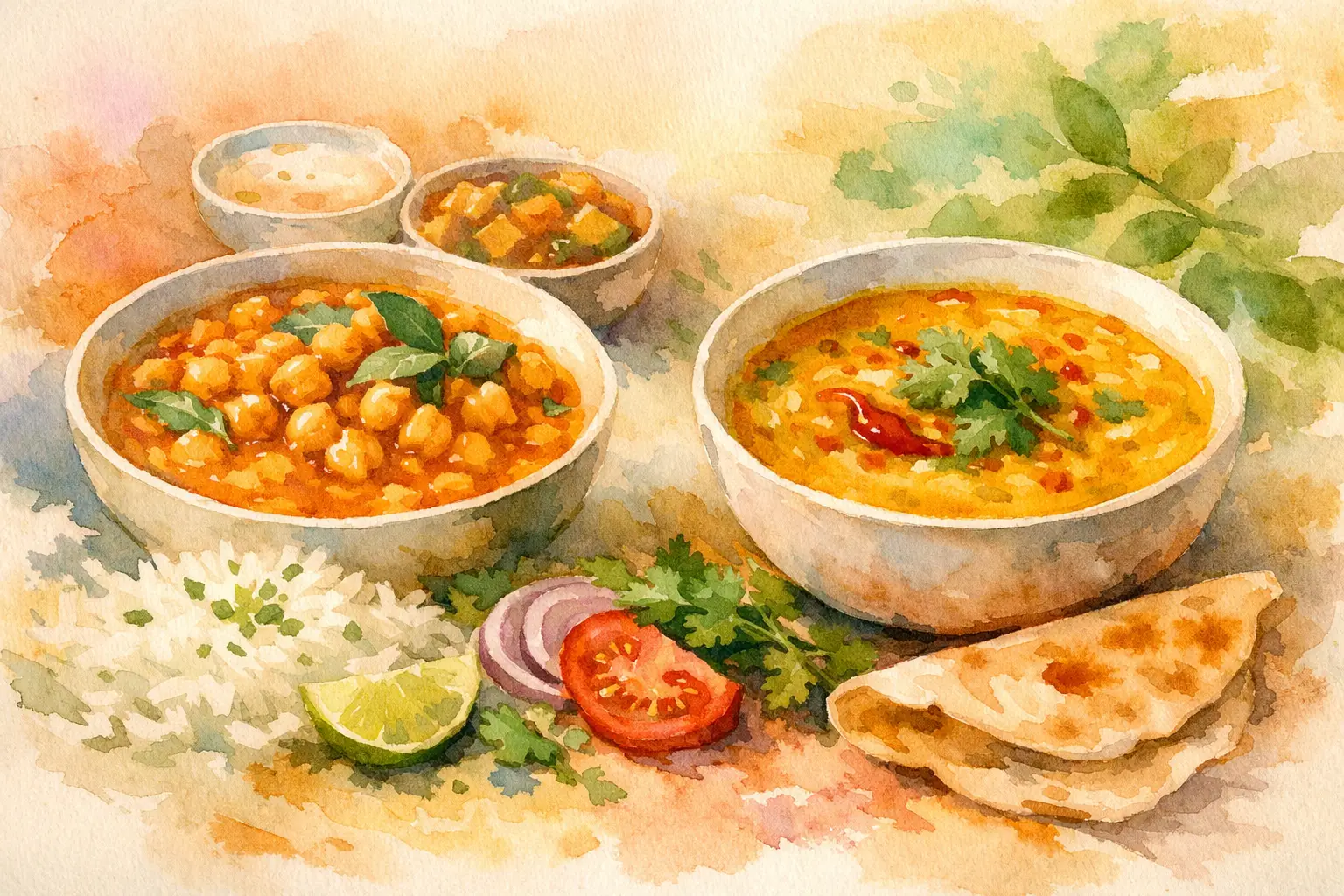
Some nights, the choice is easy. You want Indian food, you want it plant-based, and you want something that feels deeply satisfying without leaving you heavy afterward. The only real question is whether a vegan curry or dal meal is the better fit for that moment.
Both can be comforting, flavorful, and genuinely filling. But they bring very different qualities to the table. A curry often gives you layered vegetables, a richer sauce, and a broader range of spice and texture. Dal is quieter in style but no less rewarding – earthy, nourishing, and built around lentils cooked until they become silky, fragrant, and deeply savory.
If you are deciding what to order for dinner, it helps to know what each one does best.
Vegan curry or dal meal: the real difference
At a glance, curry and dal can seem close. They are both sauce-based dishes, both work beautifully with rice or bread, and both can be excellent vegan options when prepared with care. The difference comes down to structure.
A vegan curry is usually built around vegetables, chickpeas, tofu, or another plant-based main ingredient, with a sauce that might be tomato-based, coconut-based, onion-based, or spinach-based. The flavor can be bright, rich, smoky, tangy, or gently sweet depending on the recipe and spice blend.
Dal, by contrast, centers on lentils, split peas, or beans. Its foundation is simpler, but simplicity is not the same as plainness. A well-made dal gets its character from the tempering of spices, garlic, ginger, chili, and sometimes cumin seeds or mustard seeds added at exactly the right stage. The result is comforting and balanced, with a softness that feels especially welcome on a cold evening or in the middle of a busy week.
Neither is better in every situation. It depends on what kind of meal you want.
When a vegan curry makes more sense
If you are craving variety in every bite, a vegan curry is often the stronger choice. You get contrast – tender vegetables, a more expressive sauce, and often a bigger visual and textural range. That matters when you want dinner to feel a bit more lively.
A curry also tends to suit shared meals well. If you are ordering for a couple, a family dinner, or a relaxed night in with friends, a vegetable curry can sit naturally alongside rice, naan, and a few sides. It feels generous and easy to build around.
There is also more room for style within curry. Some vegan curries are light and tomato-led with a clean finish. Others lean creamy from coconut milk and carry a softer, rounder heat. Some have a fresh spinach base that feels especially appealing if you want something green and vibrant rather than overly rich.
For many diners, that range is the appeal. You can tailor the meal more closely to your mood. If you want brightness, choose a lighter sauce. If you want comfort, choose something deeper and more spiced. If you want a meal that still feels polished enough for date night or a weekend dinner, curry often has that edge.
When dal is the better vegan meal
Dal is often underestimated because it sounds modest. In reality, a good dal is one of the most satisfying dishes on an Indian menu.
The first reason is depth. Lentils absorb flavor beautifully, so even a dish with a short ingredient list can taste layered and complete. The second is balance. Dal usually feels substantial without being excessive. For diners who love Indian food but want to avoid the greasy, overworked feel of some takeout, dal can be exactly right.
This is especially true if you want a weekday meal that supports, rather than derails, the rest of your evening. Dal tends to be steady and grounding. It satisfies hunger without demanding a recovery period afterward.
It can also be the smarter choice if nutrition is high on your list. Lentils bring plant protein, fiber, and a natural heartiness that makes the dish filling in a more straightforward way than some sauces can. That does not mean curry is less worthwhile. It just means dal has a different kind of strength.
Flavor, richness, and how hungry you are
One of the easiest ways to choose between a vegan curry or dal meal is to think about appetite and energy.
If you are very hungry and want a dinner with more movement, curry may be what you are after. It can feel more expansive, especially with roasted vegetables or chickpeas in a boldly seasoned sauce. You notice different textures, and the meal unfolds a bit more as you eat.
If you are hungry but want comfort over drama, dal may be the better answer. It has a calming quality. That is not a small thing. Not every meal needs to be intense to be memorable.
Richness matters too. A coconut-based curry can be delicious, but it will naturally feel fuller than a tomato-based vegetable curry or a yellow lentil dal. If you usually enjoy Indian food but want a lighter finish, look for dishes that rely more on spices, herbs, tomatoes, and lentils than on cream-style textures.
That is where careful cooking makes a difference. A refined Indian kitchen knows how to deliver depth without excess oil, and warmth without dull heaviness. When ingredients are fresh and dishes are made to order, both curry and dal feel cleaner and more defined.
What to pair with a vegan curry or dal meal
The right pairing can shift your entire experience.
With a vegan curry, rice is often the cleanest companion because it lets the sauce stay in focus. If the curry is richer or more aromatic, plain basmati gives it room. If the curry is lighter, you may want bread as well, especially if you enjoy scooping up the sauce and stretching the meal into something more leisurely.
Dal is equally good with rice, but it can feel especially complete with a simple side of vegetables or a fresh salad. That combination keeps the meal balanced and never too dense. If you want extra comfort, warm bread works beautifully with dal too, though the overall meal will feel more indulgent.
There is no wrong move here, only different outcomes. Rice keeps things lighter. Bread makes things cozier. Add both if dinner is meant to be long and generous.
Which option works best for takeout
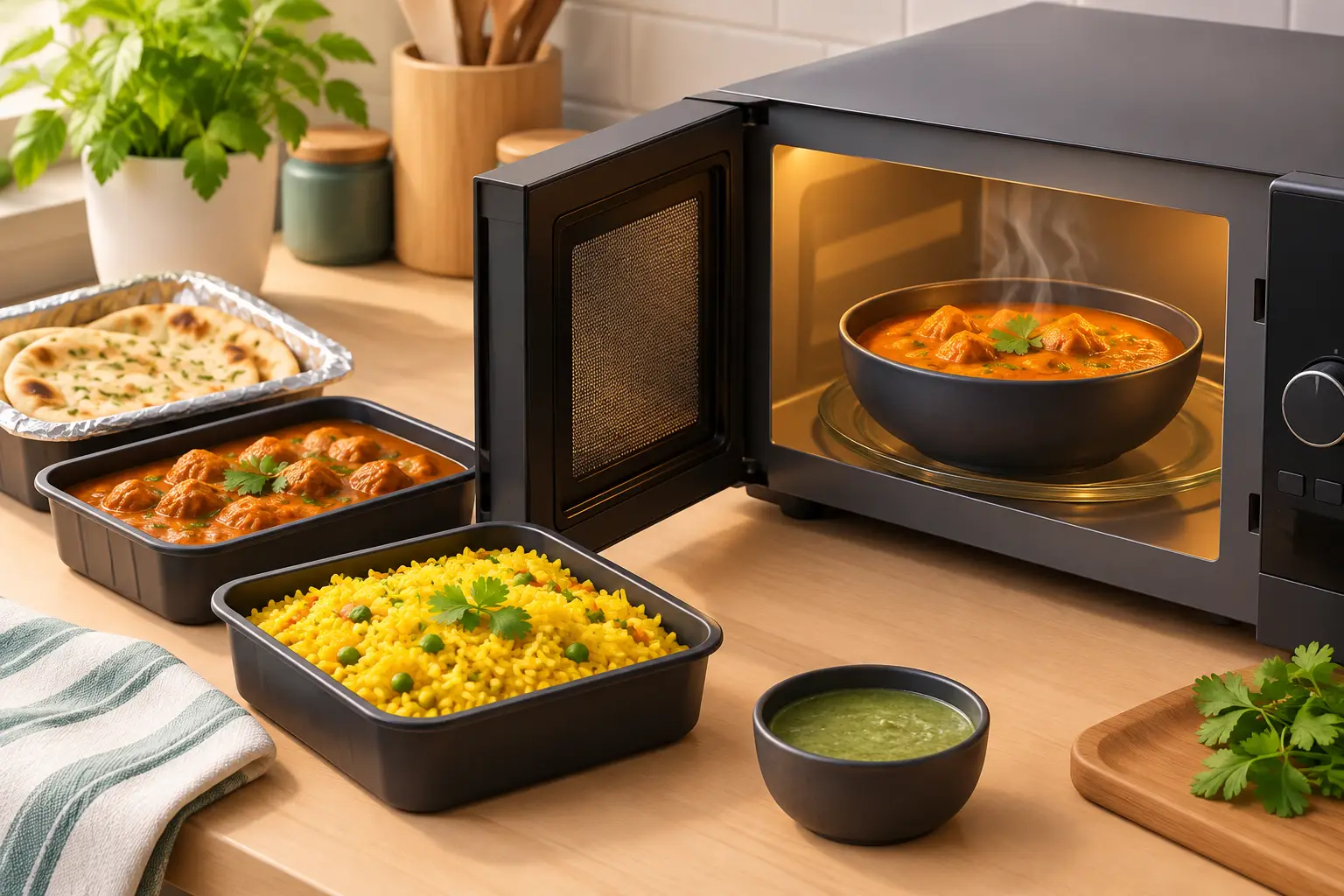
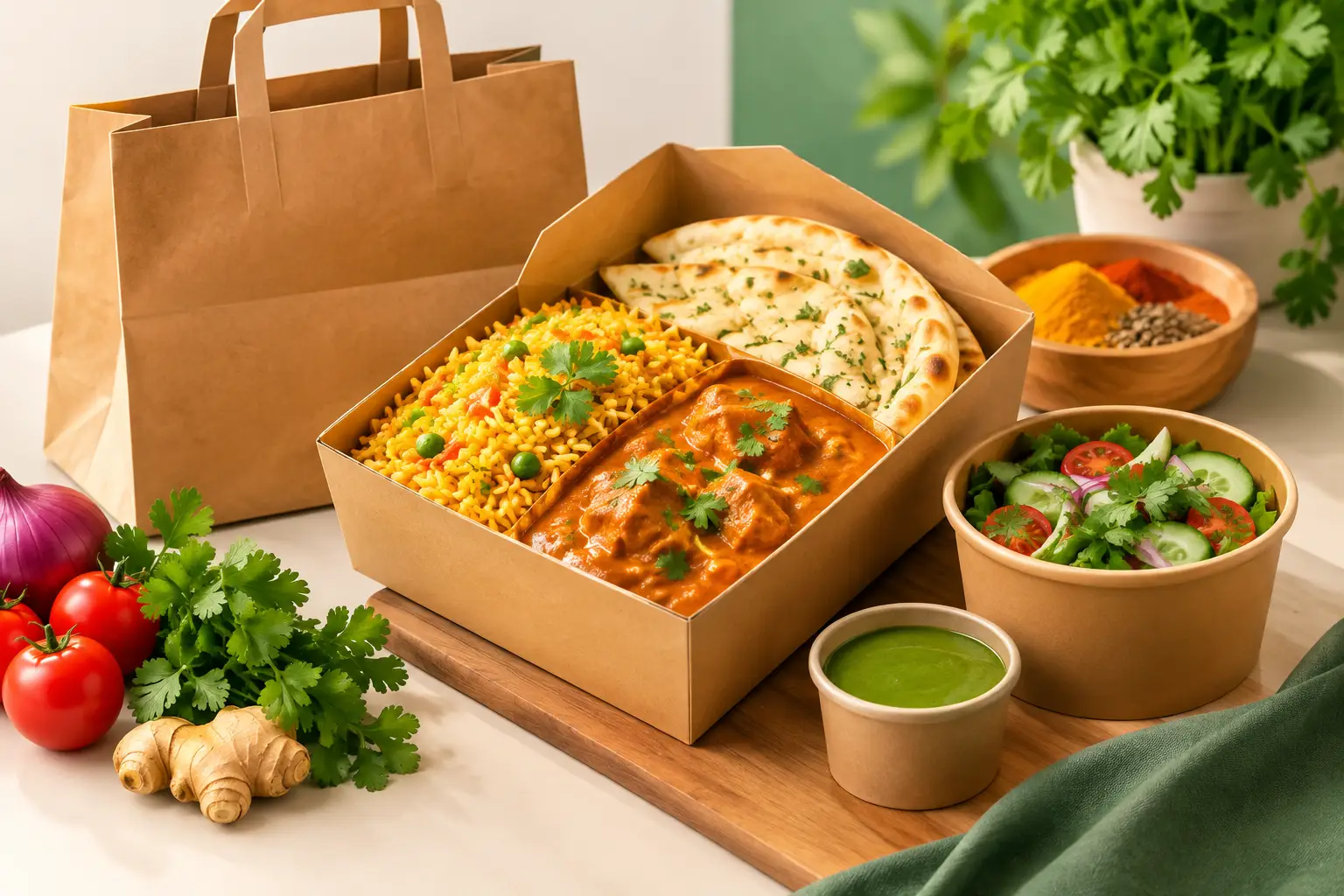
For takeout and delivery, both dishes travel well when they are properly prepared and packed. Still, there are small differences worth knowing.
Dal tends to hold heat and texture very reliably, which makes it a strong choice if you are ordering home after work and may not eat immediately. It reheats well and often tastes even more settled after a little time.
A vegan curry can be excellent for takeout too, especially vegetable-forward curries that retain texture in the sauce. The only trade-off is that very delicate vegetables can soften a bit in transit. That is usually not a problem in a professional kitchen, but it is part of the equation if texture is a big priority for you.
For local diners ordering in Putney or nearby neighborhoods, that reliability matters. You want dinner to arrive tasting as if it was cooked with care, not simply packed quickly. At Cilantro London, that fresher, lighter approach is exactly what makes plant-based Indian food feel so satisfying at home.
If you are new to plant-based Indian food
Start with the dish that matches your comfort zone.
If you usually like stews, soups, or bean-based meals, dal will probably feel immediately familiar. It is approachable, warming, and easy to love. If you tend to prefer bold sauces, mixed vegetables, and stronger contrast, a vegan curry is likely the more natural starting point.
You can also think of it this way: dal is often the dish you return to, while curry is often the one that first catches your eye. One offers steady comfort. The other offers range and personality. A great Indian menu should give you both.
The best choice, in the end, is not the one that sounds healthiest or most impressive. It is the one that suits the evening you are having. If you want brightness, variety, and a little extra flair, order the curry. If you want warmth, nourishment, and calm satisfaction, order the dal. Either way, when it is cooked with fresh ingredients, balanced spice, and real respect for tradition, dinner does exactly what it should – it makes the night feel easier, better, and worth slowing down for.