You can tell a lot about an Indian kitchen by its paneer tikka. Before the curries arrive, before the biryani lid is lifted, this is often the dish that shows whether the cooking has balance, restraint, and real confidence. In this paneer tikka dish review, that is exactly what matters – not just whether it tastes good, but whether it feels carefully made.
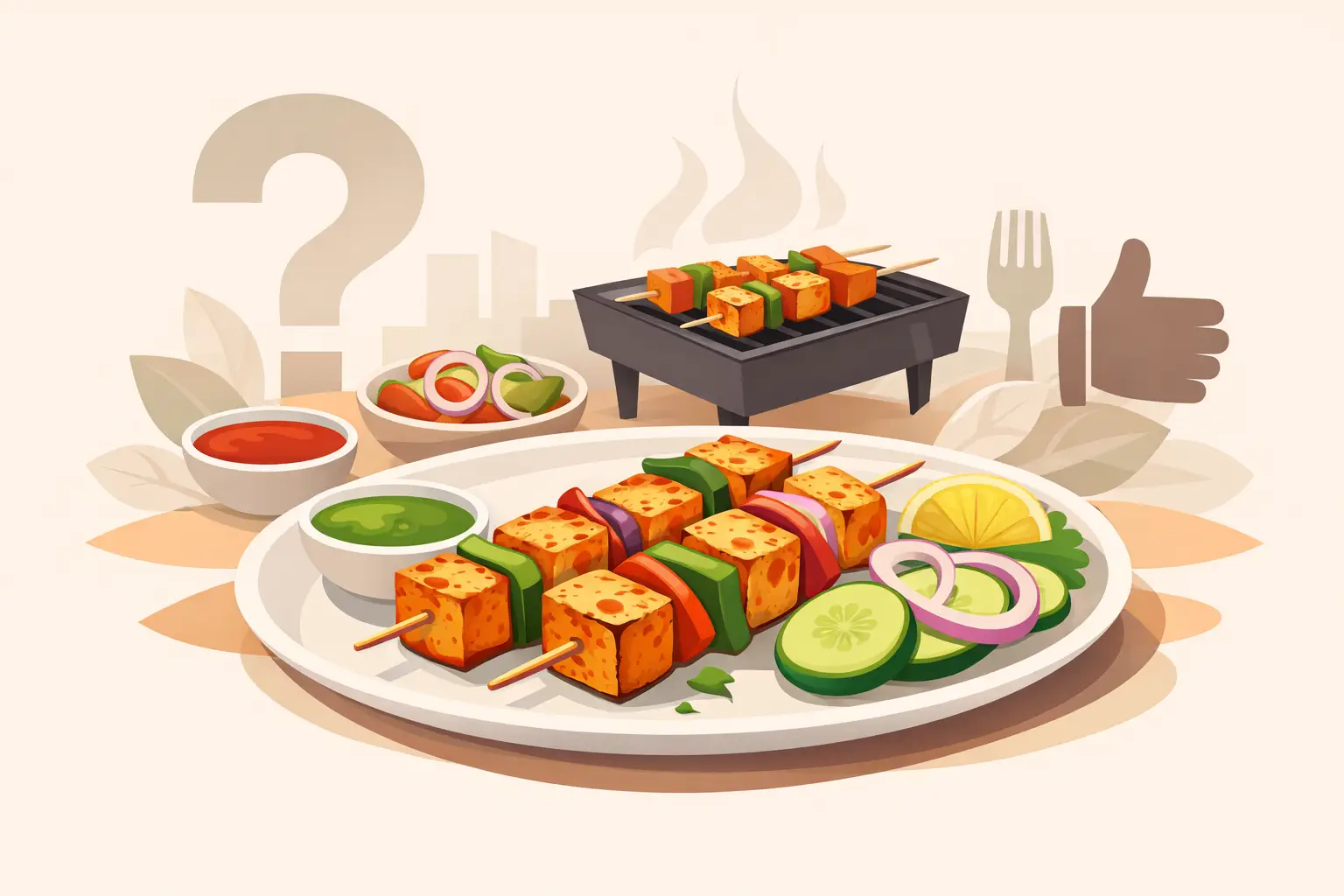
Paneer tikka should never be treated like a filler starter for vegetarians. At its best, it is one of the clearest expressions of tandoori cooking: fresh cheese that holds its shape, a marinade with depth rather than brute force, and enough char to add edge without drying everything out. When it lands well, it feels generous, vibrant, and surprisingly satisfying for something that looks so simple.
What a good paneer tikka dish review should look for
A fair paneer tikka dish review has to go beyond saying the dish is spicy or mild. The real test is in the contrast. Paneer is naturally soft and milky, so it needs a marinade that brings warmth, acidity, and smoke without overwhelming it. The texture should be firm at the edges and tender in the center, not rubbery and not crumbly.
The vegetables matter too. Onion and bell pepper are not there for color alone. They should carry some blistering from the grill and contribute sweetness and bite. If they are limp or watery, the whole plate feels flat. A good serving also needs proper pacing on the spice front. Heat is welcome, but it should come after layers of yogurt, ginger, garlic, and dry spices have done their work.
Presentation plays a part, especially in a more polished restaurant setting. Paneer tikka is still a comfort dish, but it should arrive looking fresh, not greasy. You want to see distinct pieces, a little char, and garnish that adds something real, whether that is lemon, herbs, or a cooling sauce on the side.
First impressions: flavor, aroma, and balance
The first thing paneer tikka should give you is aroma. Not smoke for the sake of it, and not an aggressive hit of chili, but a rounded tandoori scent that suggests the marinade has had time to settle into the paneer. When the seasoning is right, the dish smells lively before you even take a bite.
Flavor-wise, the best versions open with gentle tang from yogurt and lemon, then move into earthier notes from cumin, coriander, and garam masala. A touch of chili lifts the whole thing, but it should not dominate. Paneer itself is mild, so the seasoning has to be assertive enough to give definition while still letting that creamy dairy quality come through.
That balance is where many versions fall short. Some lean too heavily on food coloring and generic tandoori seasoning, which gives the dish a harsh, one-note profile. Others go too cautious and serve something technically pleasant but forgettable. A strong version lands in the middle – bright, smoky, savory, and clean.
Texture is where paneer tikka often wins or loses
Texture is not a small detail here. It is the detail. Paneer can turn dense if it is overcooked, especially in a very hot oven or on a grill where timing slips by even slightly. Once that happens, all the marinade in the world cannot quite rescue it.
A well-made paneer tikka keeps a delicate bite. The outer layer should show some crispness and charred edges, while the inside stays moist and soft. You should be able to cut through each cube easily without it collapsing. That contrast is part of what makes the dish feel satisfying rather than heavy.
This is also where fresher, lighter cooking makes a difference. When the paneer is good quality and the marinade is not overloaded with oil, the dish feels cleaner on the palate. You get richness, but not the kind that lingers unpleasantly. For diners who enjoy Indian food but prefer a more balanced style than the old-school curry house approach, that matters.
Is paneer tikka filling enough on its own?
It depends on when and how you are ordering it. As a starter, paneer tikka is one of the most reliable choices on the menu because it feels substantial without spoiling the rest of the meal. A few pieces alongside chutney and salad can comfortably carry you into a main course.
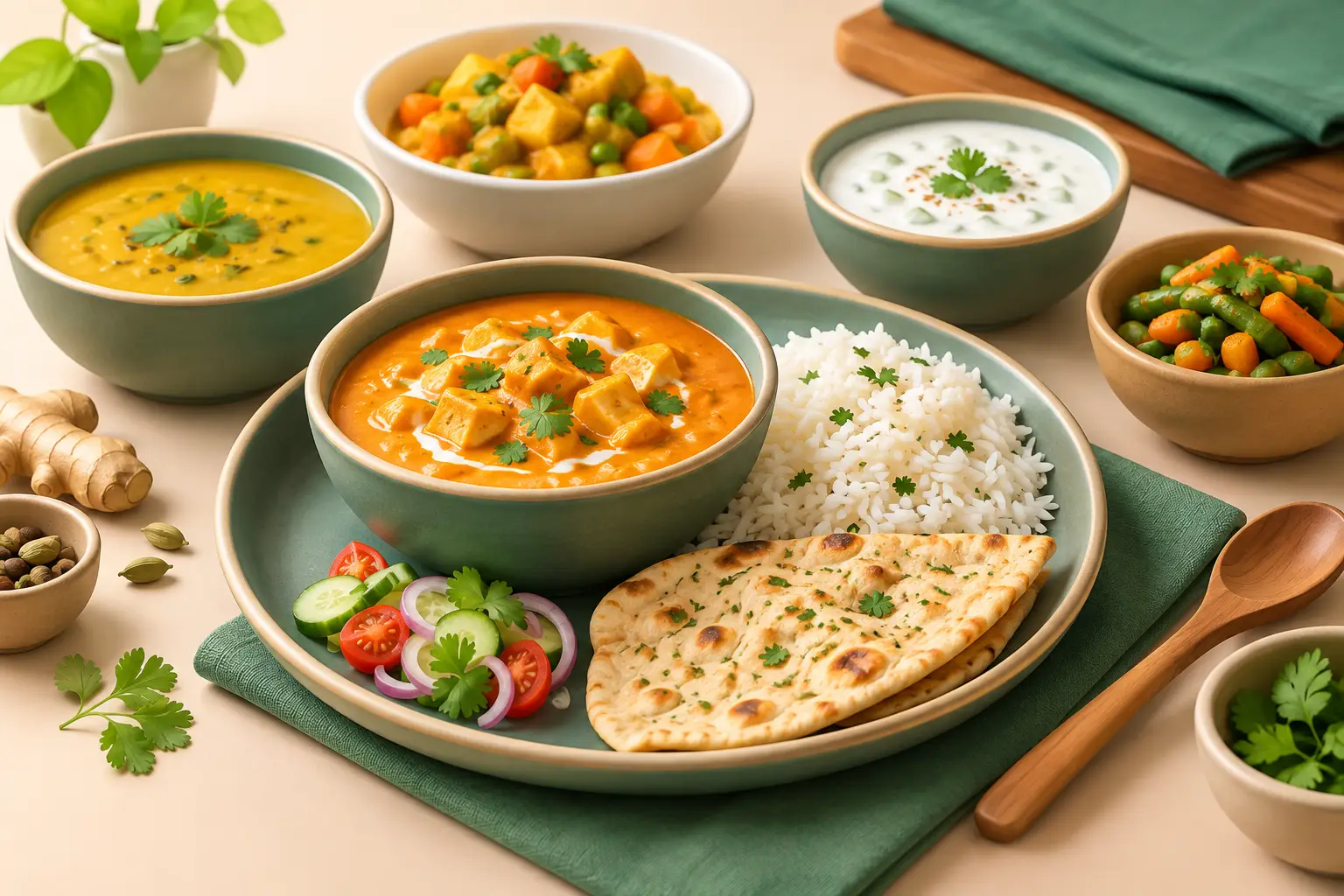
As a light meal, it can work too, particularly if paired with a fresh side or a salad. It has enough protein and enough character to stand on its own better than many small plates do. That said, if you are ordering after a long day and want something deeply comforting, you may still want a curry, naan, or rice alongside it.
This is one of the dish’s strengths. It fits different dining occasions with very little effort. It works for dine-in, where the grill aromas and fresh finish can really shine, but it also travels better than many fried starters, which tend to lose their appeal quickly in takeaway form.
Paneer tikka dish review: who will enjoy it most?
This paneer tikka dish review leans positive for diners who care about freshness and definition over sheer richness. If you like Indian food that tastes layered rather than oily, paneer tikka is often a smart order. It suits vegetarians naturally, but it is also a strong pick for anyone trying to eat a little lighter without sacrificing satisfaction.
Couples sharing a meal often choose it because it feels a touch more refined than the usual starter options. Families like it because the spice can be approachable while still interesting. Professionals ordering dinner at home tend to appreciate that it arrives as something distinct and composed, not just another side dish folded into the meal.
It is also one of the easier dishes to recommend to someone who knows Indian food but wants a cleaner, more modern expression of it. In places where the kitchen takes care with ingredients and made-to-order cooking, paneer tikka can feel both classic and current. That combination is exactly why it stays on strong menus.
When paneer tikka disappoints
No dish is beyond criticism, and paneer tikka does have a few common weak spots. The biggest is dryness. The second is blandness disguised as subtlety. Because paneer is mild by nature, the seasoning has to work harder than it would in chicken or lamb tikka. If the marinade has not penetrated properly or the char is missing, the result can feel flat very quickly.
There is also the issue of portioning. Some restaurants charge premium prices for what amounts to a few cubes of cheese and scattered vegetables. If the plate lacks generosity or the accompaniments feel like an afterthought, the value starts to slip. A better version makes the portion feel intentional, with enough garnish and contrast to turn a simple dish into a complete experience.
For takeaway, timing matters. Paneer tikka is best when eaten fairly soon after it arrives. Leave it sitting too long and the edges soften, the vegetables lose their bite, and the dish starts to lose definition. That does not make it a poor delivery option, but it does reward prompt eating.
Why this classic still earns its place
Paneer tikka remains popular because it offers something many dishes do not. It is familiar, but it still has room for craft. It can be indulgent, yet it does not have to feel heavy. And when it is prepared with care, it captures the warmth of Indian hospitality in a form that feels easy to order again.
For local diners looking for a more polished Indian meal in Putney and nearby neighborhoods, this is exactly the kind of starter that shows whether a restaurant understands balance. At Cilantro London, dishes like this matter because they reflect the kitchen’s wider promise – authentic flavor, fresher preparation, and food that feels as good to eat on a weeknight as it does on a dinner out.
If you are deciding whether paneer tikka is worth adding to your order, the answer is usually yes when the kitchen respects the details. Done well, it is not just a safe vegetarian option. It is one of the most satisfying dishes on the menu, and one that quietly tells you you are in good hands.