A good office lunch curry order example does more than put food on the table. It makes a busy team feel considered. The vegetarian colleague is not left with a plain side dish, the heat-sensitive guest has a comfortable choice, and nobody is still hungry at 3 p.m. because the order focused on sauces but forgot the rice and bread.
For a team lunch, the best Indian food order is balanced, generous, and easy to share. Think bright starters, a thoughtful mix of mains, plenty of rice and naan, and dishes that feel satisfying without the heavy, greasy finish that can slow everyone down for the rest of the afternoon.
Office Lunch Curry Order Example for 10 People
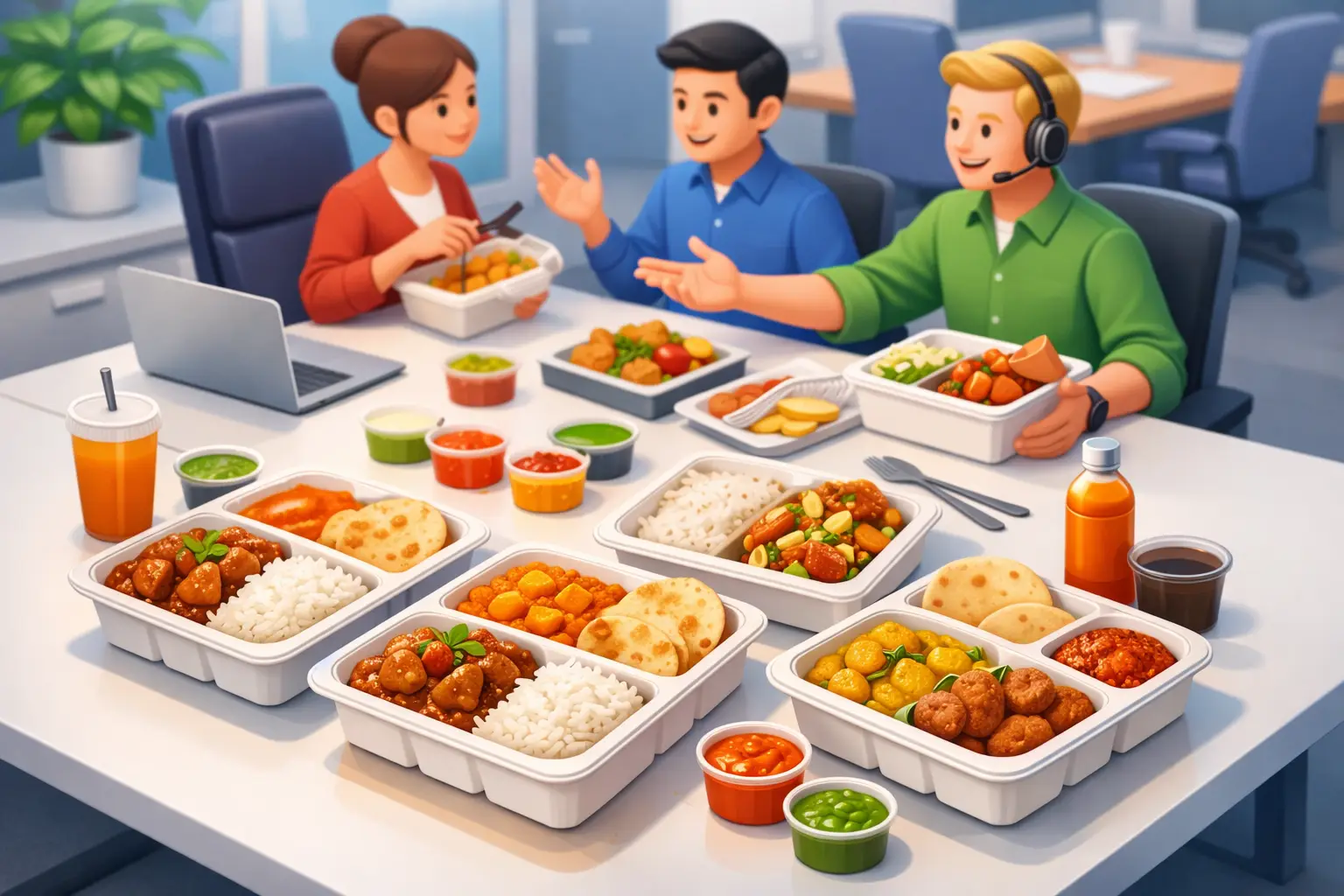
For a group of 10, begin by checking dietary needs and deciding whether lunch will be a seated sharing meal or a quick buffet-style spread. The latter is usually easiest in an office, particularly when people may be stepping away from calls or meetings at different times.
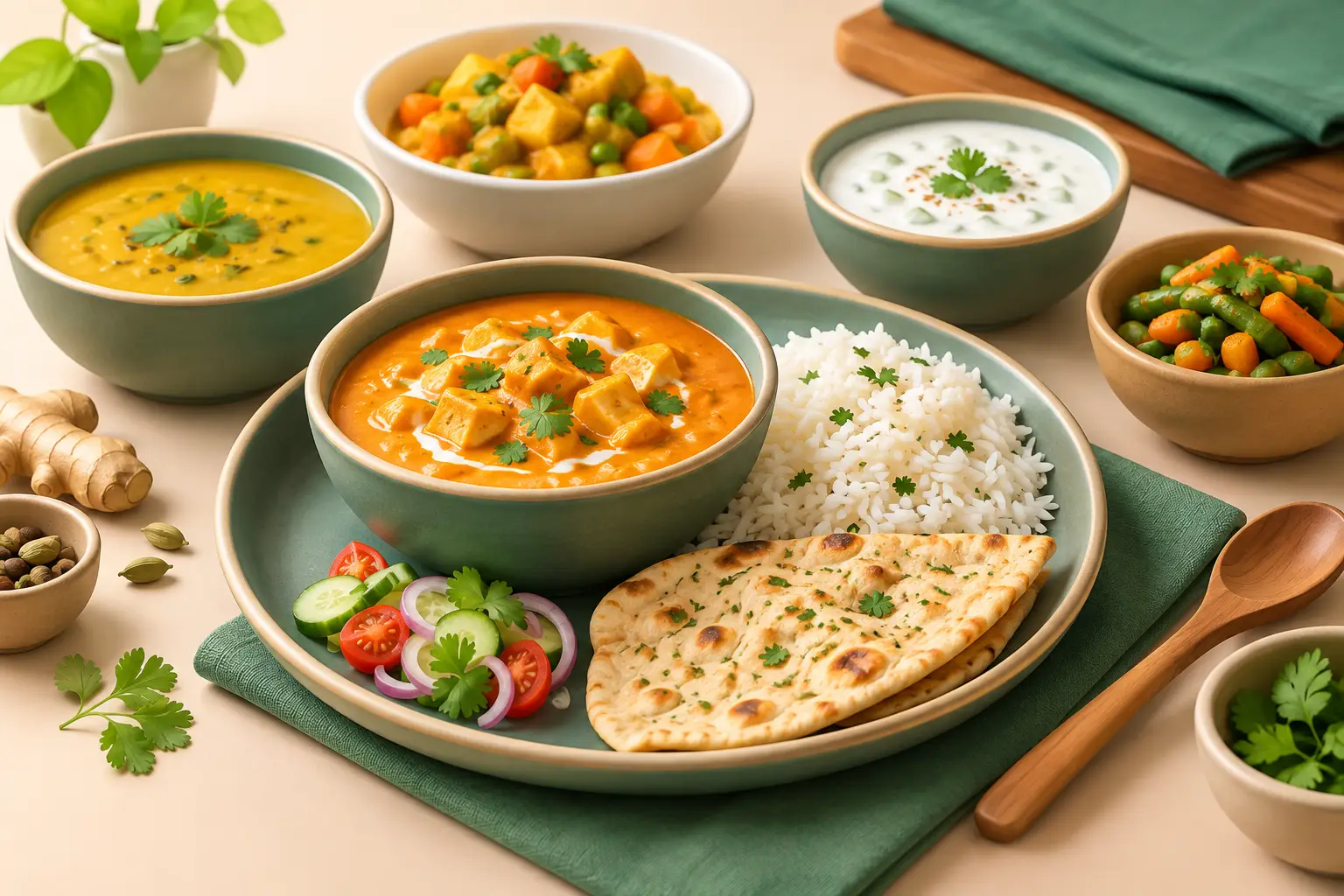
A dependable order for 10 people could include:
- 3 shared starters, such as chicken tikka, vegetable samosas, and onion bhajis
- 2 chicken curries, with one mild and one medium-spiced option
- 1 lamb curry or slow-cooked meat dish for a richer choice
- 2 vegetarian mains, including one vegan-friendly dish where possible
- 1 biryani or fragrant rice dish for extra variety
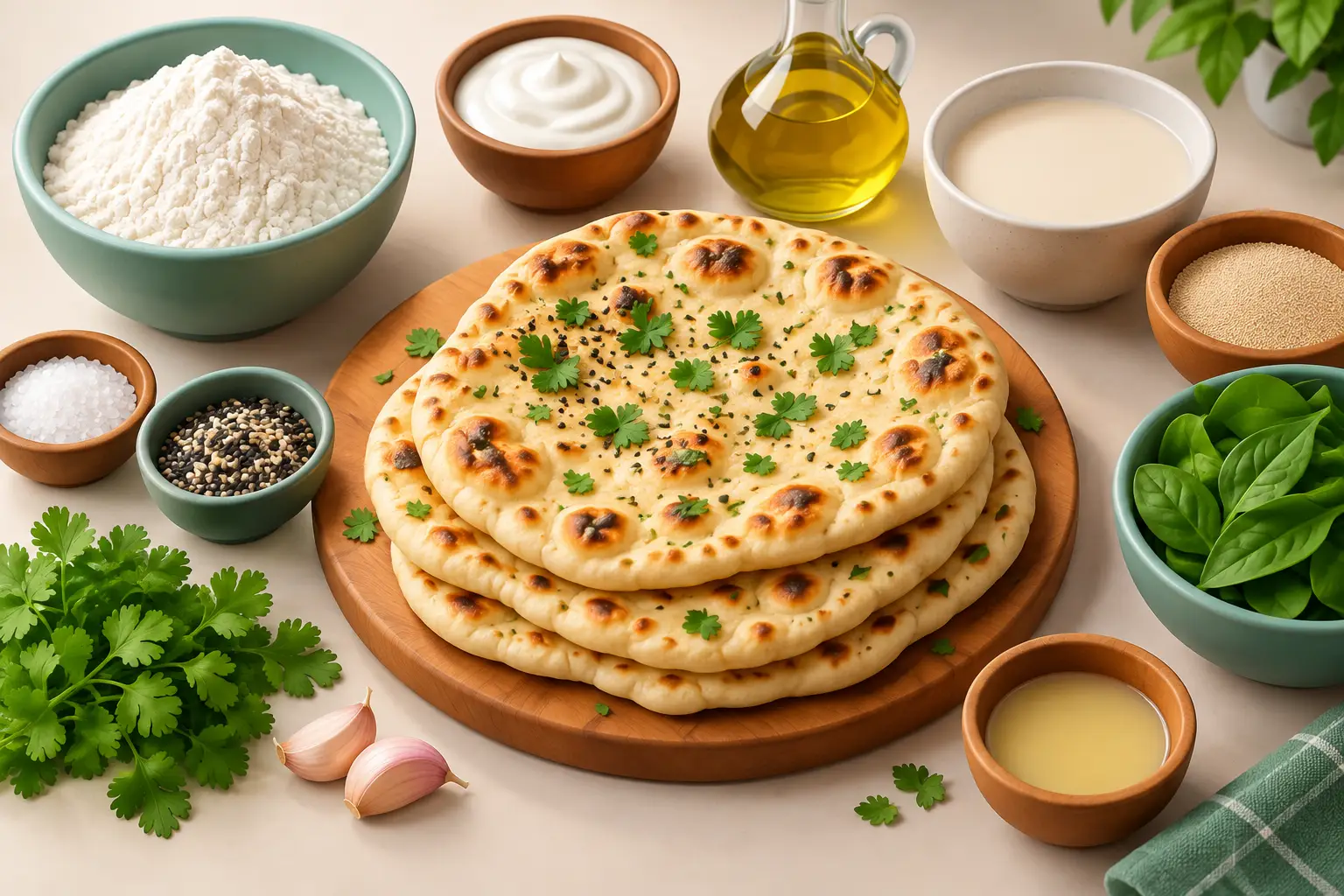
- 5 portions of basmati rice and 5 naan breads, split between plain and garlic
- 2 fresh sides, such as a crisp salad, cucumber raita, or a lentil dish
This gives each person variety without turning the table into a guessing game. It also avoids a common office-order mistake: choosing too many curries of the same style. A creamy chicken dish, a tomato-led chicken curry, a slow-cooked lamb option, and vegetable dishes with distinct textures create a lunch people will actually talk about afterward.
Portions depend on appetites, of course. If your team is mostly made up of big eaters, or lunch follows a long morning workshop, add an extra curry and more rice. If the meal is part of a lighter client meeting with pastries or dessert planned later, this quantity should be comfortable.
Build the Order Around Different Appetites
The person organizing lunch is rarely ordering for one taste preference. Some colleagues want a familiar chicken curry with gentle warmth. Others are looking for deep spice, vegetables, or a dish that happens to be gluten-free or plant-based. The answer is not to order every possible item. It is to give the group a few well-chosen routes through the menu.
Start with one mild main. This can be a gently spiced chicken dish or a creamy vegetarian curry. It gives anyone cautious about chili a reliable plate and is often a safe choice for clients.
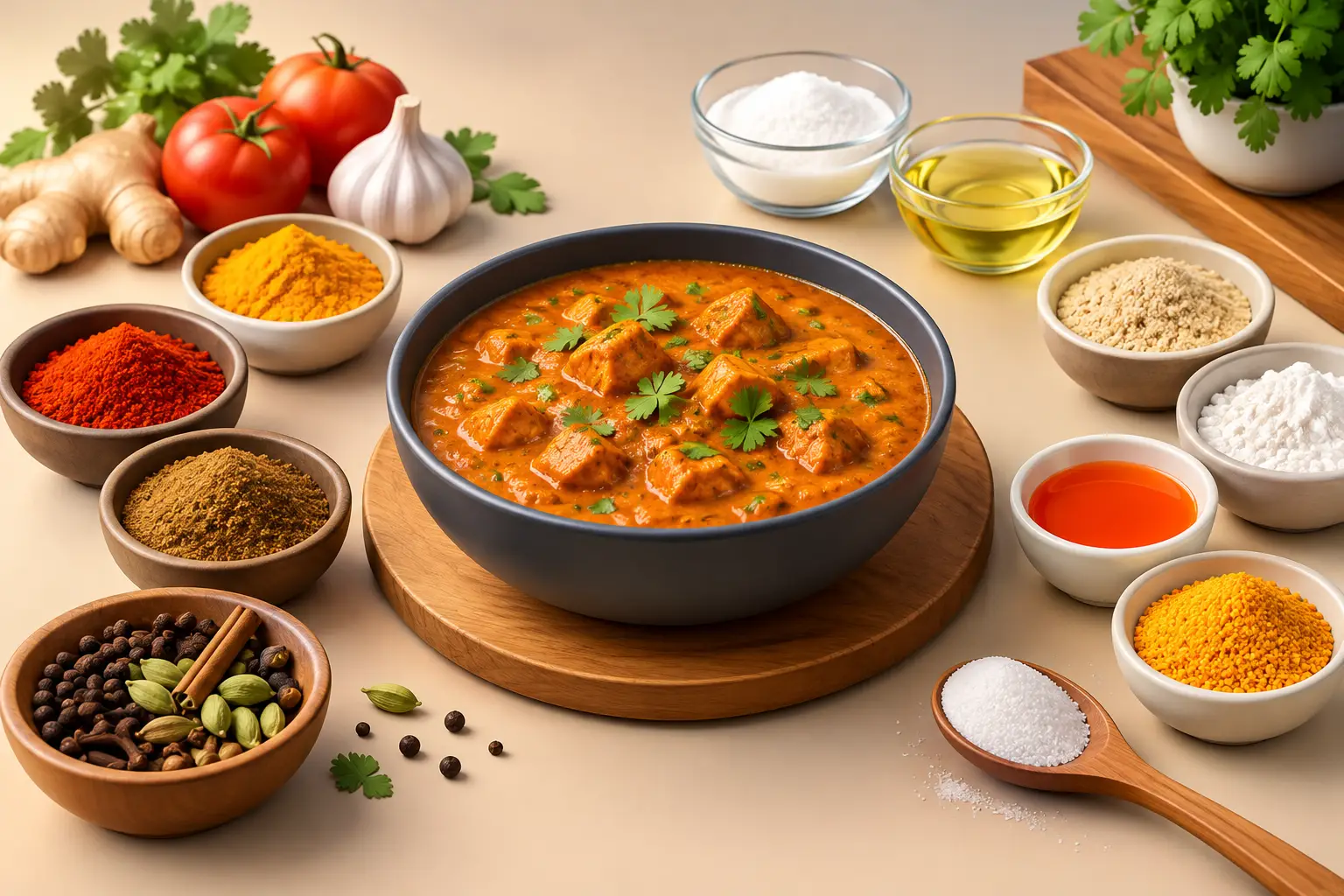
Then include one medium-spiced curry with a brighter, more assertive flavor. A classic tomato, onion, ginger, and spice-based dish works well here. Finally, add a richer option, such as lamb cooked slowly with warming spices, for those who want a more indulgent lunch.
Vegetarian dishes should be chosen as real centerpieces, not afterthoughts. A chickpea curry, lentil dish, vegetable curry, or paneer preparation can bring color, texture, and substance to the order. For vegan guests, confirm that the selected dish is prepared without dairy, including butter, cream, ghee, or yogurt-based finishing touches.
The Rice and Naan Rule That Prevents Shortages
A curry order can look plentiful and still run short if the staples are miscalculated. Rice and bread make the meal complete, help guests moderate spice, and stretch the mains across the table.
For lunch, plan roughly one rice portion for every two people when naan is also included. Add a little more rice if the group includes guests who do not eat bread or if you are ordering saucier curries. For naan, one piece per two people is a sensible starting point, with extra garlic naan if it is a team favorite.
Do not overlook raita and a fresh side. Cool yogurt and cucumber can make spicy food more approachable, while a salad adds crunch and a lighter note to a meal built around warming, slow-cooked flavors. These small additions are especially useful for a midday office meal, where people want to enjoy something comforting but still return to work feeling good.
A Lighter Order for a Working Lunch
Not every office lunch needs rich sauces, fried starters, and multiple breads. If you are ordering for a weekday team meeting, a lighter mix may suit the occasion better. Choose grilled tandoori dishes, a vegetable-forward curry, lentils, basmati rice, and a fresh salad alongside one comforting curry.
This approach works particularly well when lunch is being served before a presentation, a planning session, or an afternoon of client calls. Grilled chicken or vegetables bring smoky flavor without heaviness, while lentils and chickpeas offer satisfying plant-based protein. You still get the warmth and generosity of Indian food, but with a more balanced finish.
At Cilantro London, this is the kind of order that suits teams looking for authentic Indian flavor made with care, fresh ingredients, and a lighter touch. It is a welcome alternative to the predictable sandwich platter, especially for offices around Putney, Roehampton, Barnes, and nearby neighborhoods.
Timing Matters as Much as the Menu
The finest lunch order can lose its appeal if it arrives after the meeting has ended or before everyone is ready to eat. Set a delivery or collection time 10 to 15 minutes before the planned lunch break, particularly if you need time to lay out food, plates, napkins, and serving utensils.
For a group larger than 10, it is wise to place the order in advance. Give the restaurant a clear headcount, note any allergies, and explain whether the food is for a formal client lunch or a relaxed team gathering. That context helps the kitchen guide you toward dishes that travel well and quantities that make sense.
When ordering for a smaller group of four to six, individual mains can sometimes be simpler than sharing. For eight or more, shared dishes usually offer better variety and a more welcoming feel. It depends on the office setup: a boardroom table invites sharing, while a fast-paced team eating between meetings may prefer clearly labeled individual meals.
Small Details That Make Lunch Feel Thoughtful
A successful group order is not only about avoiding mistakes. It is an opportunity to make ordinary workday time feel more generous. Labeling dishes by spice level and dietary suitability helps everyone serve themselves with confidence. Ordering a few extra sides ensures that late arrivals are not left with only rice.
If you are hosting clients, include a mild dish, a vegetarian option, and a fresh accompaniment as a minimum. If it is a Friday team lunch, you can be a little more adventurous with spice and add a biryani or extra starter for the table. The occasion should shape the order.
The most useful office lunch curry order example is one your team can adapt rather than copy word for word. Begin with variety, plan enough rice and bread, make dietary choices visible, and leave room for the dishes people are excited to share. A well-planned Indian lunch brings warmth to a working day without making the afternoon feel like a compromise.