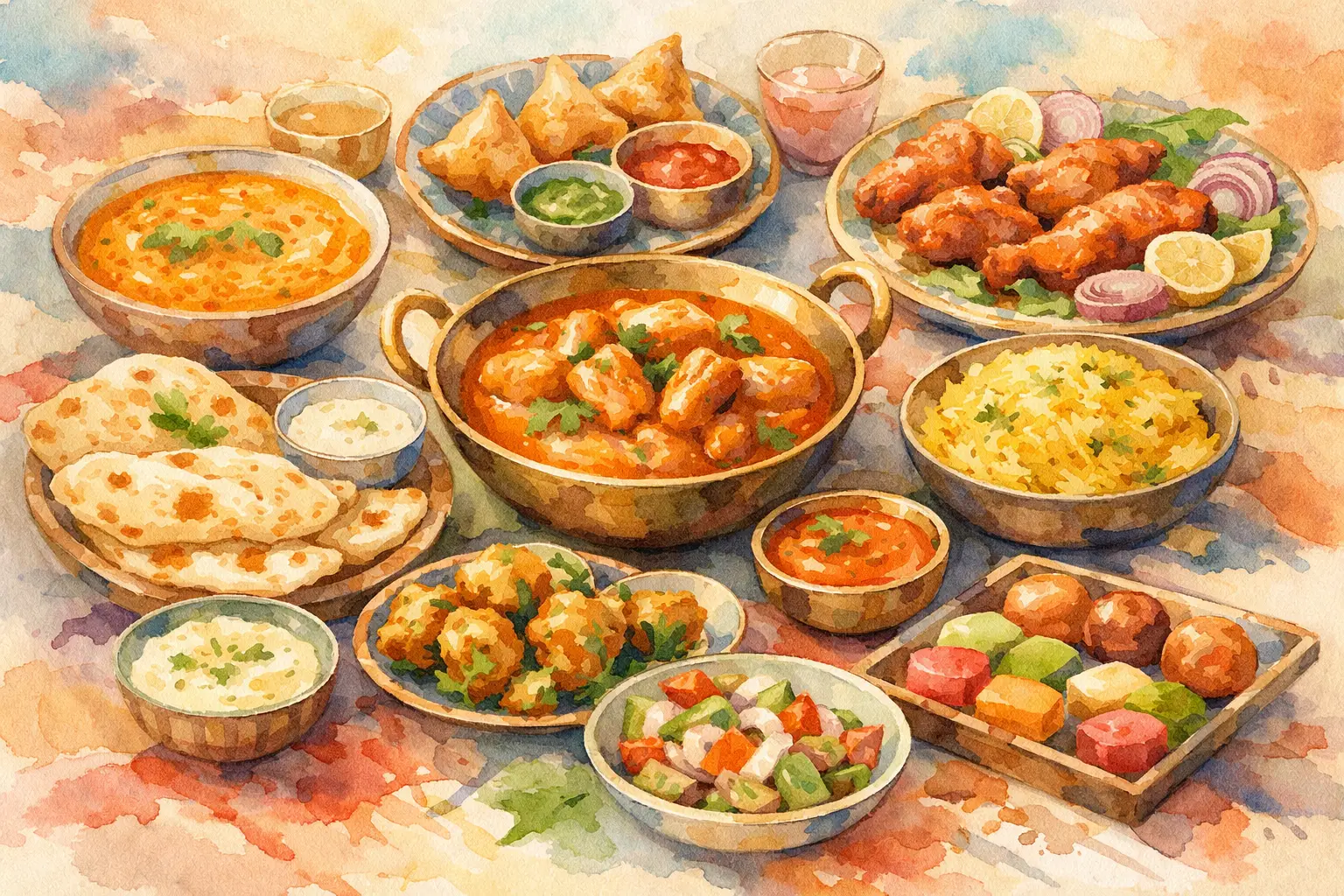
A great Indian feast should feel generous without leaving everyone overwhelmed by too many similar dishes. If you are wondering how to order an Indian feast for family, friends, or a relaxed night at home, the answer starts with balance: a few dishes with different textures, heat levels, and cooking styles that are made to share.
The goal is not to order every familiar favorite. It is to build a table where a smoky tandoori dish, a comforting curry, fragrant rice, fresh bread, and something bright or cooling all have a place. That is what turns a takeaway order into a proper meal.
Start With the Number of Guests and the Occasion
Before choosing dishes, think about who is eating and what kind of meal you are planning. A casual dinner for two calls for a different approach than a family celebration or an office lunch. For two people, two mains, one rice, and one bread may be enough, especially if you add a starter. For four or more, variety becomes more valuable, but ordering too many rich gravies can make the meal feel repetitive.
As a useful rule, choose one main dish for every one to two guests, depending on appetites and how many starters and sides you plan to add. A group of four might enjoy three mains, one tandoori dish, two rice portions, and two breads. If children are joining, include at least one mild, familiar option and keep the hotter dishes separate.
The occasion matters, too. For a weeknight meal, choose dishes that travel well and are easy to serve. For a celebration, add a showpiece biryani or a mixed tandoori selection. If you are hosting guests with different preferences, make sure the order includes a vegetarian or vegan dish that feels like a centerpiece rather than an afterthought.
How to Order an Indian Feast With Balance
The most satisfying orders combine different styles of cooking. Indian cuisine offers enormous range, so a feast does not need four versions of curry. Begin with one dish from each of these categories: a tandoori or grilled item, a sauce-based main, a vegetable-focused dish, and a rice or bread pairing.
Tandoori dishes bring char, spice, and a lighter contrast to richer sauces. Chicken tikka, lamb chops, grilled paneer, or vegetables cooked in the tandoor are especially useful when you want a meal that feels fresh and substantial. Their smoky edges are excellent with cooling yogurt, salad, or a squeeze of lemon.
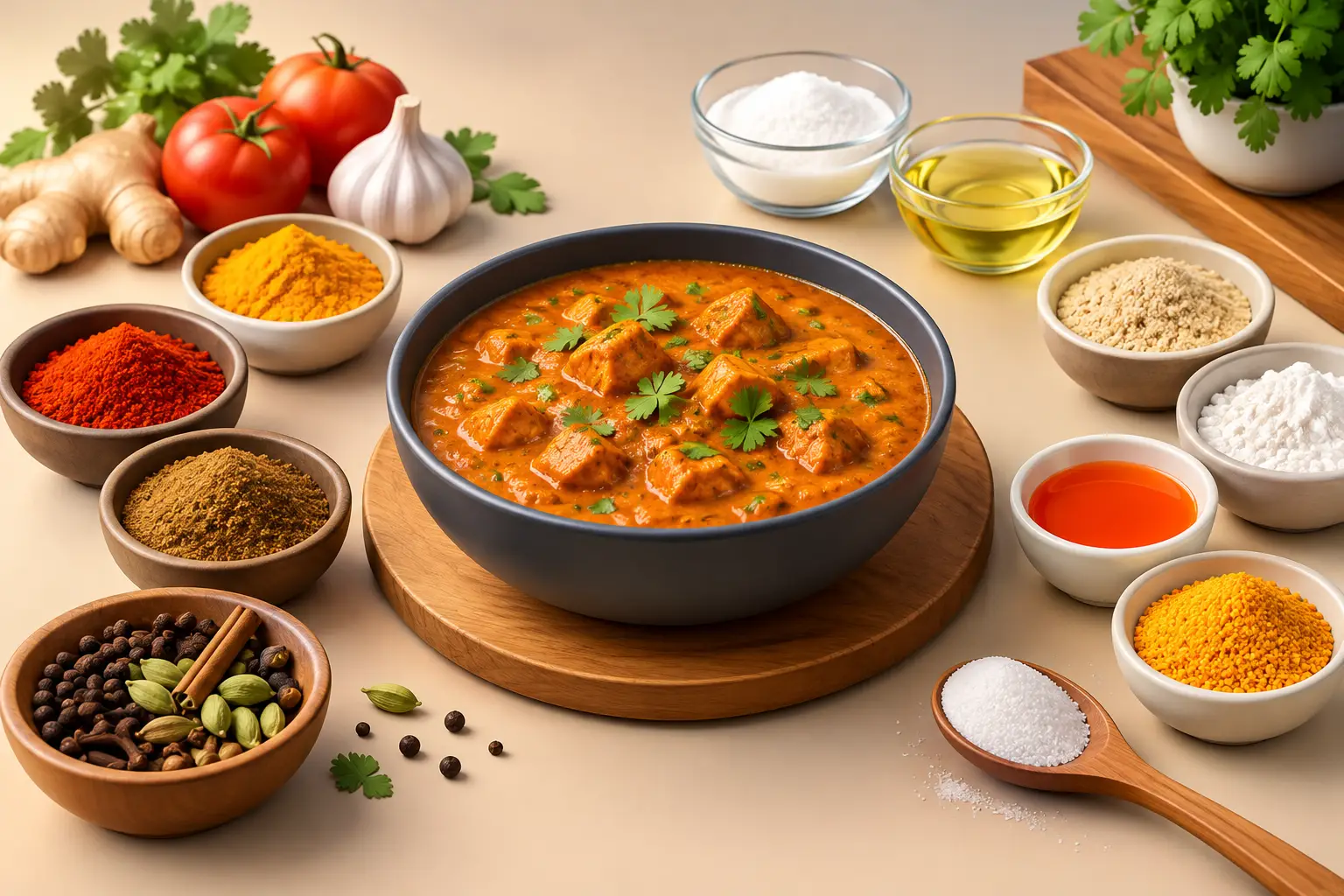
For sauce-based mains, vary both the flavor and the weight. A creamy, mild curry can sit beautifully alongside a tomato-led dish with gentle tang or a deeper, slow-cooked curry with more warmth. If one main is rich, make the next one brighter or drier. This is the difference between a table that keeps people reaching for another bite and one that feels heavy halfway through.
Vegetable dishes deserve the same attention as meat or fish mains. Lentils, chickpeas, spinach, okra, cauliflower, or paneer can add earthy depth and make the order more inclusive. They also help create a more balanced meal for guests who prefer lighter choices. A well-prepared dal, for example, is not simply a side dish. It brings comfort, texture, and a gentle base for bolder flavors around it.
Choose a Mix of Heat Levels
Spice should make a feast more interesting, not make half the table reach for water. Choose at least one mild dish, one medium-spiced option, and one dish with more assertive heat if your guests enjoy it. This gives everyone a comfortable starting point and lets confident spice lovers explore more intense flavors.
Do not assume that a creamy curry is always mild or that a red sauce is always hot. Ask about the dish or read the menu description carefully. Heat can come from chilies, but depth also comes from toasted spices, ginger, garlic, tamarind, black pepper, and slow-cooked onions. A dish can be full of flavor without being fiery.
If you are unsure, order the hotter dish at a medium level when that choice is available. You can always add chili on the side, but it is difficult to soften a dish once it arrives. Cooling sides such as raita are useful, especially with tandoori dishes, biryani, and spicier curries.
Rice and Bread Are Not Just Fillers
Rice and bread help bring the entire feast together, but each serves a slightly different purpose. Fragrant basmati rice is the natural choice for saucy curries, dals, and biryani accompaniments. Pilau rice adds aromatic spice and works well when the mains are simpler. If you choose biryani, you may need less additional rice because it is already a complete, generously layered dish.
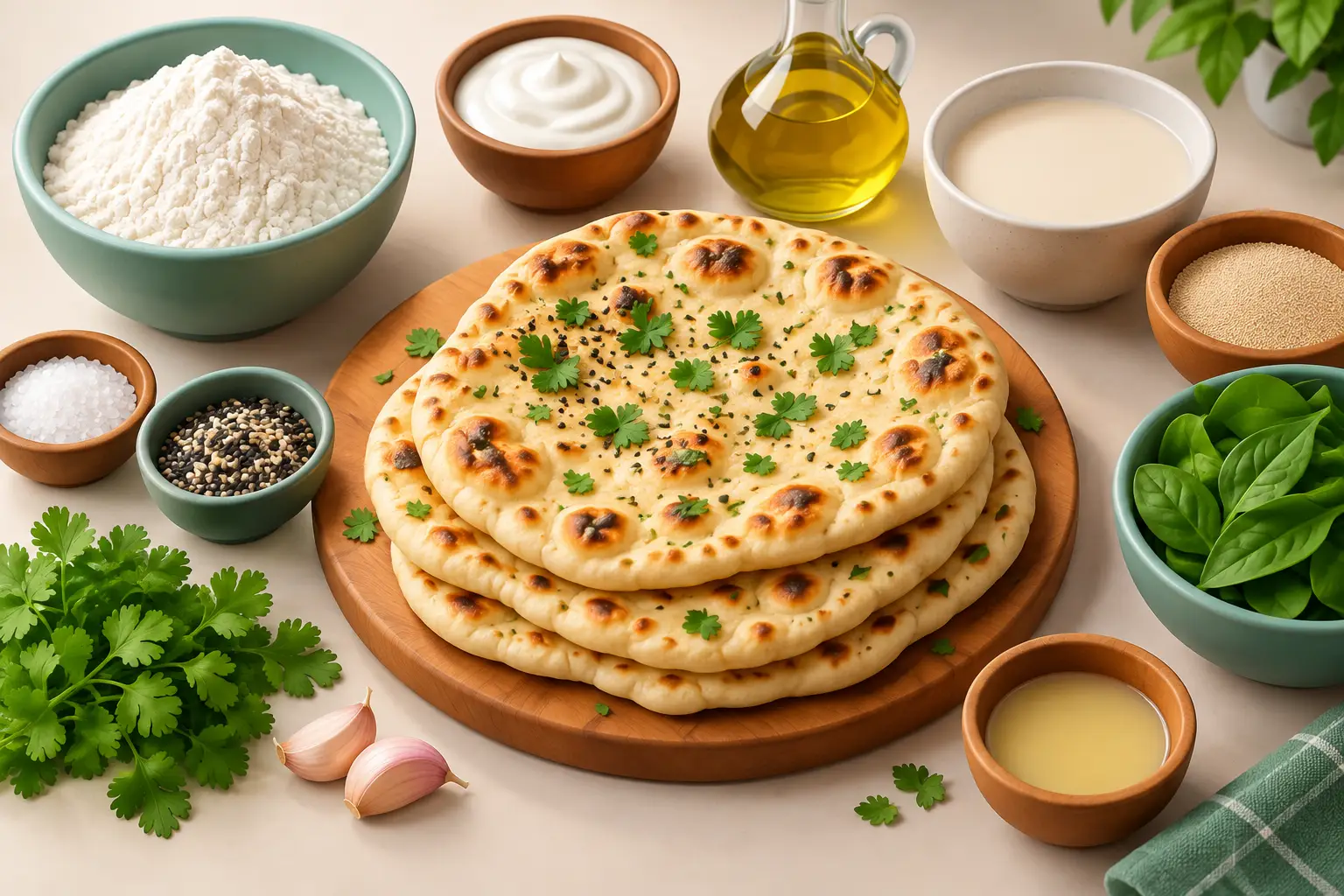
Breads are best when you want to scoop, share, and enjoy every last bit of sauce. A plain naan is versatile, while garlic naan adds extra richness and aroma. Roti is often a lighter choice, and stuffed breads can be satisfying but may be too filling if the table already includes several rich dishes.
For a group, order a combination rather than relying on only one starch. One rice dish and two breads can comfortably support several mains while giving guests options. This also makes the meal feel more considered than a pile of identical containers.
Add Starters That Create Contrast
Starters are where texture comes alive. Crispy samosas, onion bhajis, vegetable fritters, or grilled kebabs create an inviting beginning, particularly when people are sharing over conversation. They should complement the mains rather than compete with them.
For a smaller order, pick one starter to share. For a larger gathering, choose two contrasting options: perhaps one crisp and vegetarian, alongside one grilled dish. Avoid ordering too many fried starters if your mains are also creamy or rich. Instead, balance them with a salad, grilled vegetables, or a lighter tandoori choice.
Chutneys and dips are worth including when available. Mint chutney adds freshness, tamarind brings sweet-sour sharpness, and yogurt-based sauces cool the palate. Small details like these make each bite feel more personal and less predictable.
Plan for Dietary Needs Without Splitting the Table
A thoughtful Indian feast is one everyone can enjoy together. Vegetarian, vegan, and gluten-free diners should have real choices, not just a plate of sides. Ask which dishes are naturally suitable and whether preparation can be adjusted for allergies or dietary requirements.
For vegetarian guests, paneer, lentils, chickpeas, and seasonal vegetables can provide satisfying main-course options. Vegan diners may enjoy vegetable curries, dals, chickpea dishes, and tandoori vegetables, though it is always wise to check for dairy in sauces and breads. For gluten-free guests, rice is often a dependable base, but sauces, marinades, and kitchen handling should be confirmed when sensitivity or allergy is involved.
The best approach is to order dishes everyone wants to taste. A vegetable dish can be one of the most popular parts of the table, while a fresh salad can offer welcome contrast to warm spices and grilled flavors.
Build a Reliable Order for Four
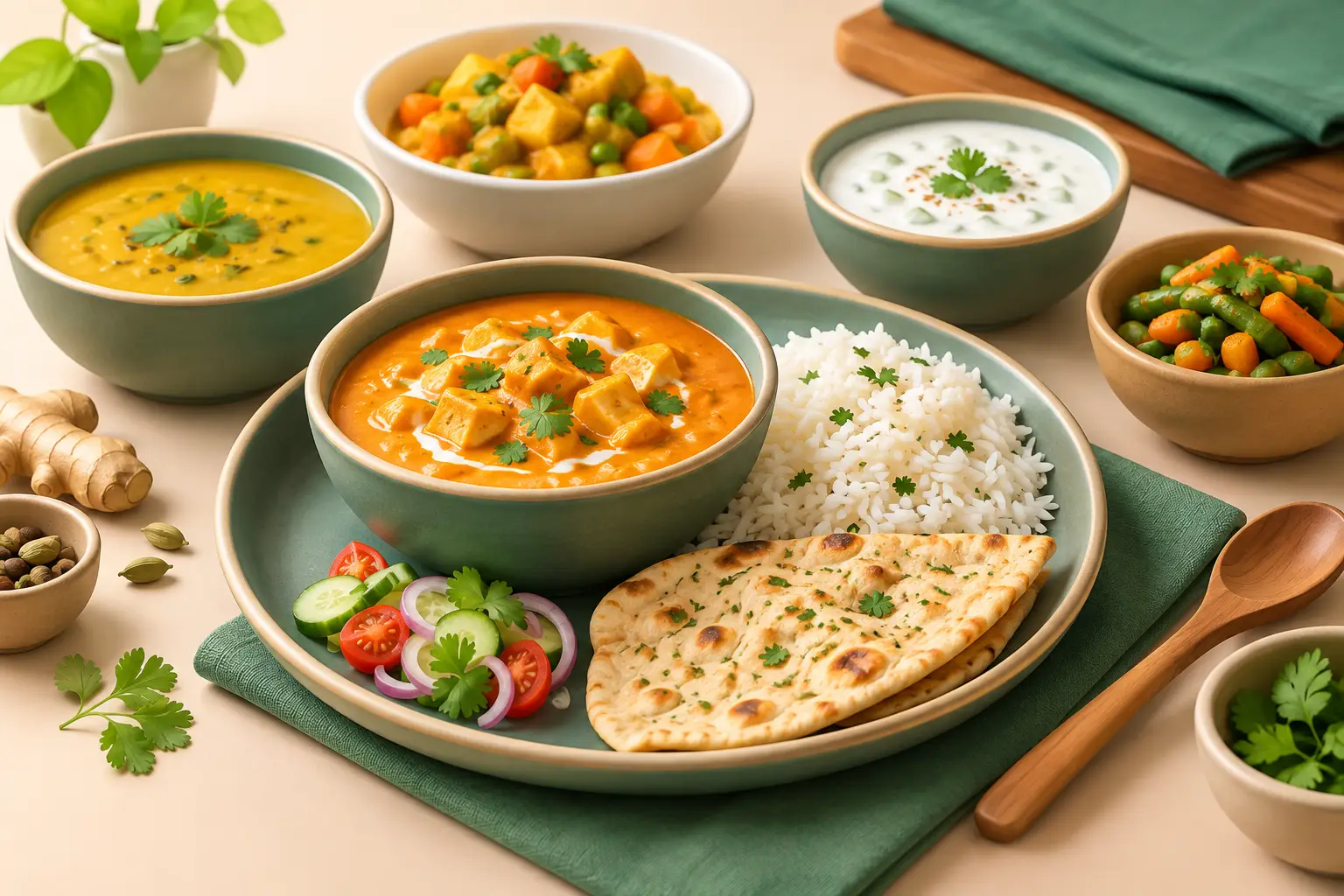
For four adults with mixed preferences, choose three mains with clear differences. You might select one chicken or lamb curry, one vegetarian main such as dal or paneer, and one tandoori dish. Add a shared starter, rice, two breads, and a cooling side.
This format works because every guest can create a plate that suits them. Someone who wants a lighter meal can focus on grilled dishes, vegetables, and salad. Someone craving comfort can enjoy curry with rice and naan. It is generous, varied, and easier to manage than ordering six heavy mains.
When ordering from a restaurant such as Cilantro London, look for dishes prepared to order with thoughtfully sourced ingredients and clear dietary options. Fresh preparation matters, particularly when you want the warmth and spice of traditional Indian cooking without the greasy feeling often associated with a standard takeaway.
A memorable feast is not about choosing the most dishes. It is about choosing the right ones: flavors that contrast, food that travels well, and enough variety for every person around the table to find their favorite bite.