A curry can arrive fragrant with cardamom, ginger, and toasted cumin, yet barely register as hot. Another may look gentle but deliver a bright, lingering chili kick. That is why Indian spice levels can be difficult to predict from a menu alone. Heat matters, but it is only one part of the experience. The best order is not necessarily the hottest dish on the table. It is the one whose flavors you can enjoy from the first bite to the last.
For a relaxed dinner in Putney, a family meal at home, or a delivery order for friends with different tastes, knowing how spice works makes choosing much easier. It also helps you ask for the right adjustment without losing the character of the dish.
What Indian Spice Levels Really Mean
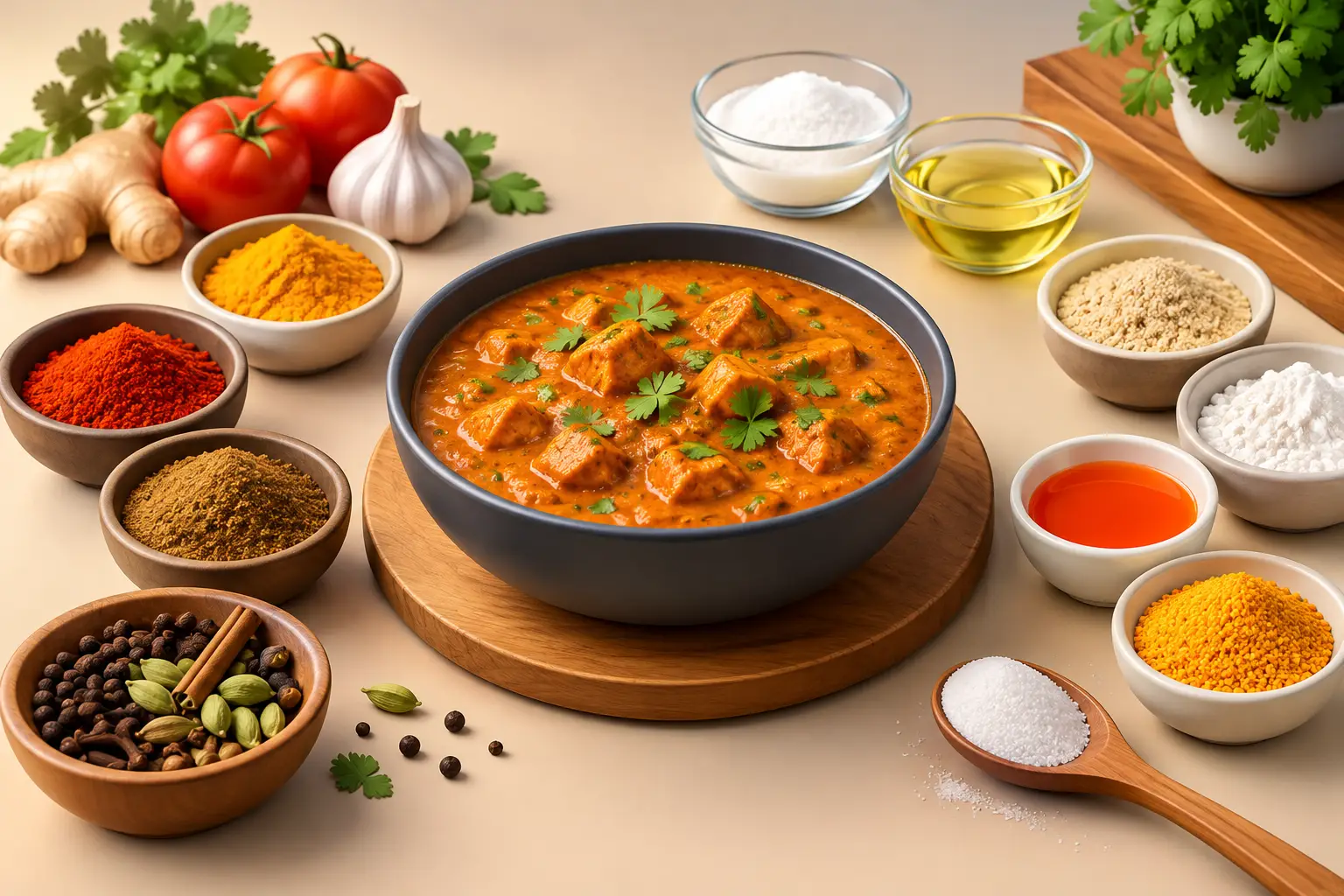
In Indian cooking, spice does not automatically mean chili heat. Spices such as cumin, coriander, fennel, turmeric, cinnamon, cloves, black pepper, and mustard seed each contribute aroma, sweetness, earthiness, warmth, or a subtle sharpness. Chili is only one ingredient in a much larger flavor picture.
A dish described as mild can still be deeply seasoned. A creamy curry may have a gentle warmth from ginger, pepper, or garam masala, while a tomato-based sauce might bring more tang and a slower-building heat. Likewise, a hot dish should not simply taste of chili. When it is well prepared, the heat sits alongside balanced acidity, savory depth, and fresh herbs.
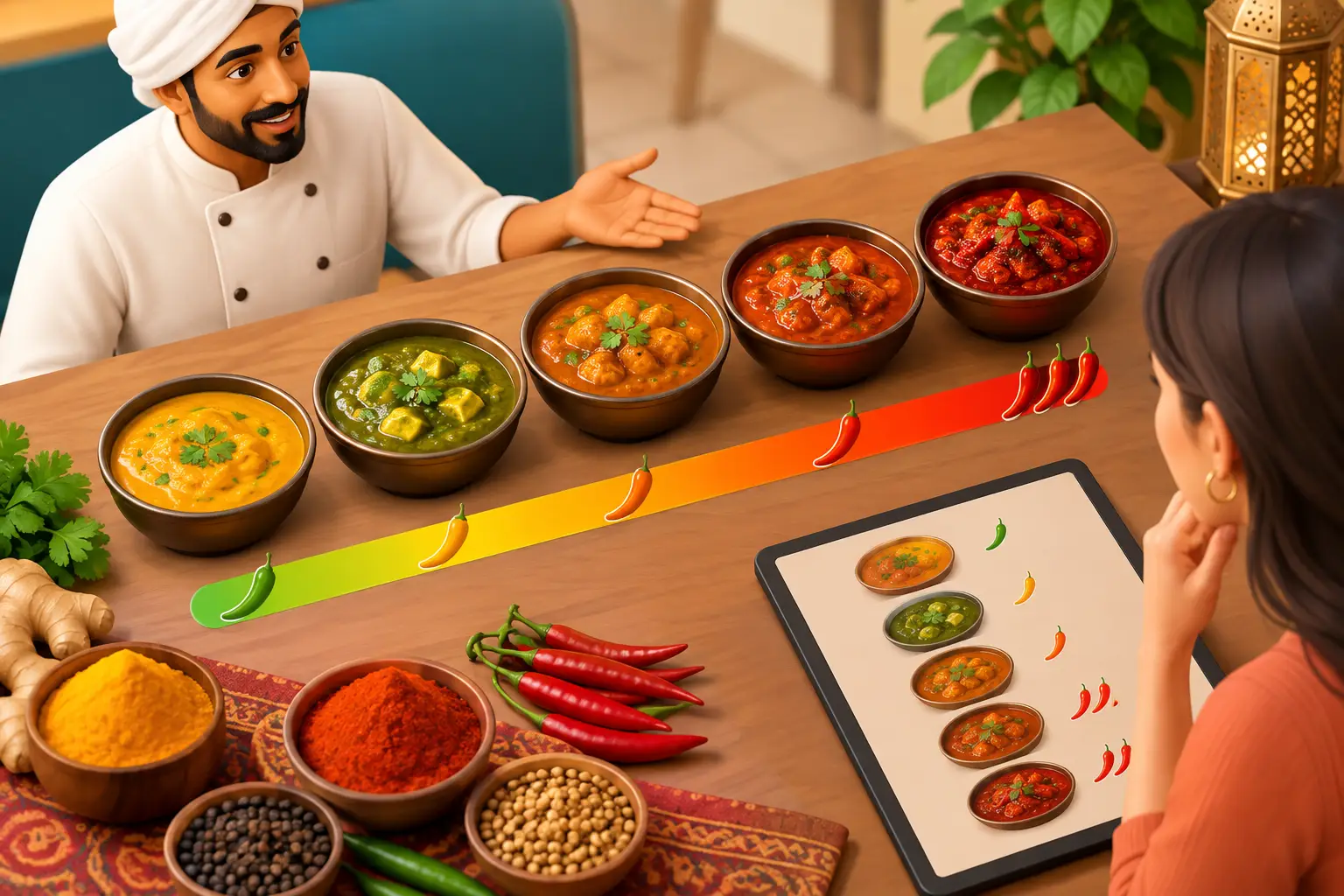
This is also why a single scale cannot tell the whole story. One restaurant’s medium may be another’s hot, and recipes vary by region, chef, and the specific chilies used that day. A thoughtful kitchen seasons to preserve the recipe’s identity, then adjusts the chili level where possible to suit the guest.
Heat Is Only One Part of the Dish
The ingredients surrounding the chili change how hot a dish feels. Yogurt, cream, coconut, butter, and ground nuts can soften heat and give a sauce a rounder finish. Tomato, tamarind, lemon, and vinegar add brightness, which can make chili seem more vivid. Smoky tandoori cooking can add intensity without making a dish especially spicy.
Texture matters too. A slow-cooked lamb curry often carries spice differently from grilled chicken tikka or a crisp vegetable dish. Richer proteins and sauces can absorb and spread the heat, while lighter preparations may make the same amount of chili feel more direct.
That is one reason a fresh, balanced Indian meal can feel satisfying rather than heavy. You are not just tasting heat. You are tasting layers of whole spices, fresh aromatics, carefully cooked onions, and sauces made to complement the main ingredient.
Choosing Indian Spice Levels for Your Table
If you are unsure, start by choosing the flavor profile you want, then select the heat level. Do you want something creamy and comforting, bright and tomato-led, smoky from the tandoor, or rich with slow-cooked spices? This approach usually leads to a better meal than choosing solely by the word hot.
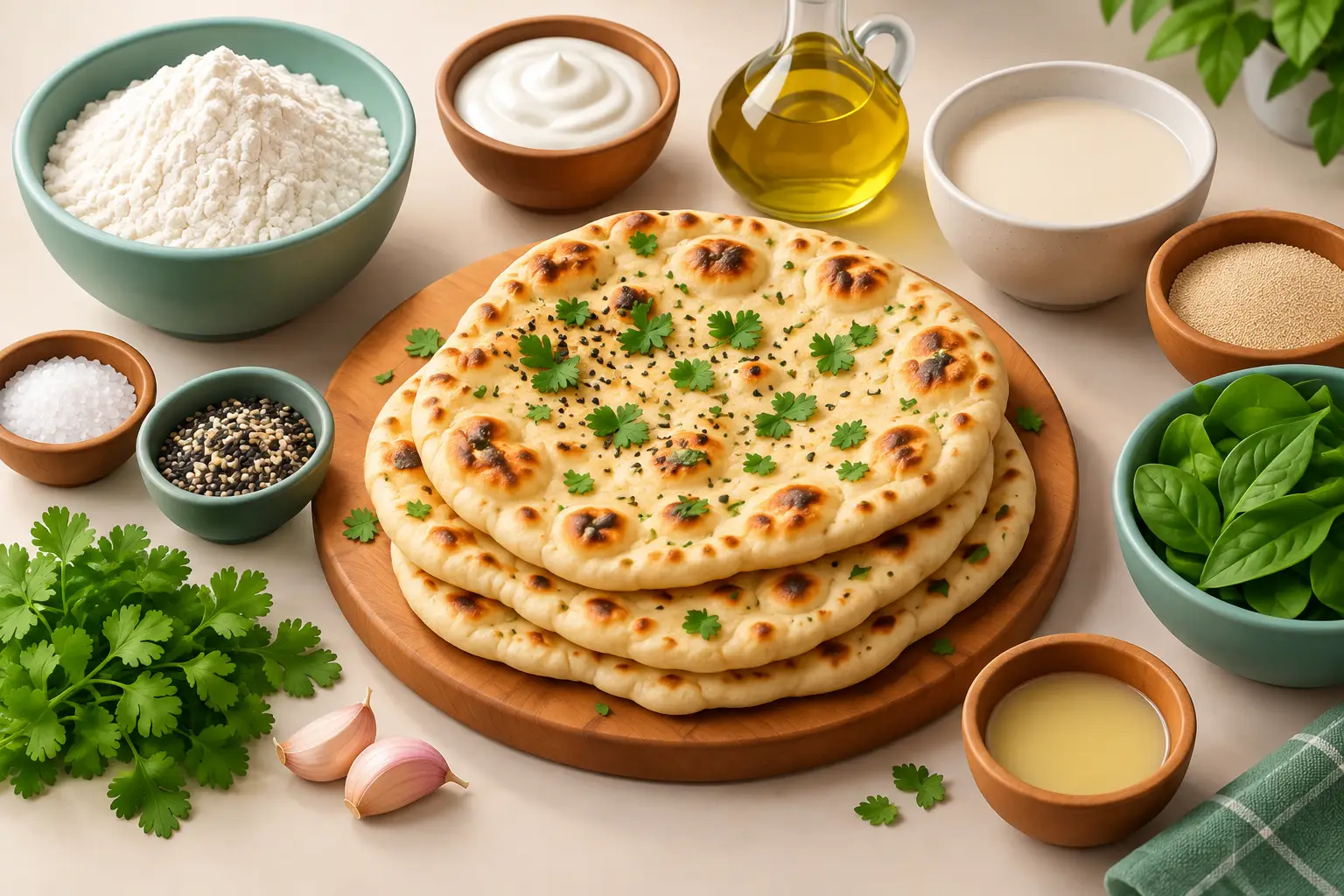
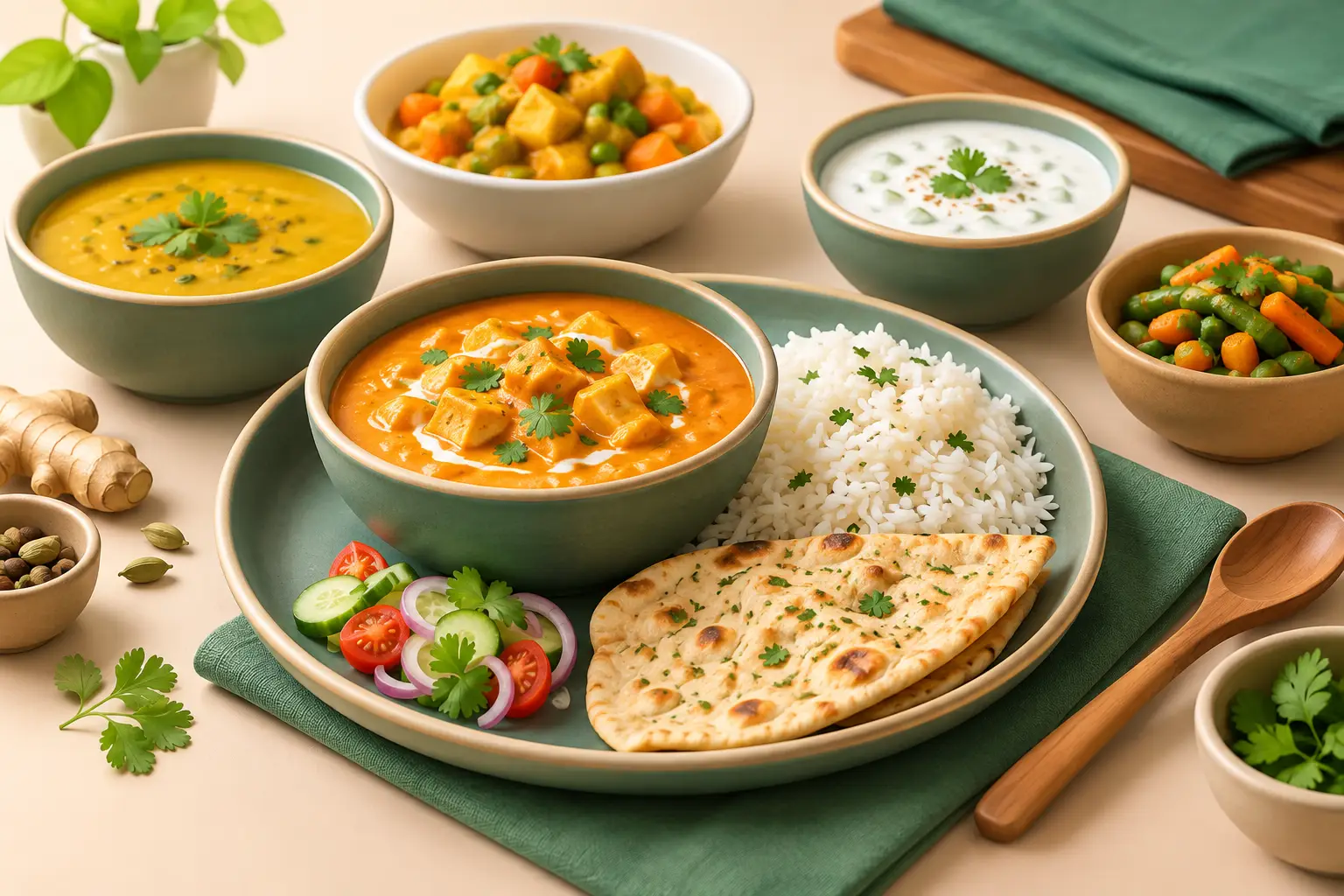
For guests who prefer gentle heat, dishes with yogurt, cream, coconut, or a mild tomato sauce are often a good place to begin. Tandoori dishes can also work well because their flavor comes from marination and char as much as chili. Pair them with rice, naan, or a cooling side to create an easy, satisfying plate.
For a medium level, look for dishes where chili supports the sauce rather than dominates it. This is often the sweet spot for diners who enjoy a noticeable warmth but still want to distinguish the spices, protein, and fresh herbs. A medium curry can be full-bodied and lively without becoming overwhelming.
For those who genuinely enjoy heat, ask for a dish that is traditionally hot or request extra chili with care. Very hot food can be exciting, but it can also flatten the finer notes of a dish if the heat goes beyond your comfort level. If you are sharing, ordering one fiery main alongside milder dishes is usually more generous to everyone at the table.
A simple way to build a shared meal
A well-balanced group order often includes a mild or creamy dish, a medium-spiced curry, and a tandoori or vegetable option with a different texture. Add rice and bread so guests can moderate each bite according to their preference. This creates variety without turning dinner into a contest over who can handle the most chili.
It is especially useful for family meals and office orders, where spice tolerance can vary widely. Children, occasional curry eaters, and heat lovers can all enjoy the same table when there are a few contrasting choices.
How to Ask for the Right Level
The clearest request is specific and practical. Rather than simply asking for less spice, say that you enjoy aromatic flavor but prefer mild heat, or that you would like a medium curry with an extra chili kick. A restaurant can respond much better to that than to a vague request.
It is worth remembering that reducing chili does not mean removing every spice. In a good Indian kitchen, the fragrant spice blend, garlic, ginger, and sauce base remain central to the dish. The goal is to make the heat comfortable while keeping the recipe flavorful.
If you are ordering for someone else, do not assume that vegetarian or vegan means mild. Vegetable dishes can be richly spiced, and some traditional lentil or chickpea preparations have a confident chili warmth. Gluten-free diners should also ask about the complete preparation, particularly sauces, breads, and shared cooking surfaces, rather than using spice level as a guide to dietary suitability.
At Cilantro London, it is always helpful to share your preferences when placing an order or booking a table. The more clearly you describe what you enjoy, the easier it is to find a dish that feels made for you.
Common Questions About Indian Spice Levels
Does mild Indian food still have flavor?
Absolutely. Mild dishes can be aromatic, savory, tangy, and complex. The absence of strong chili heat leaves more room to notice spices such as cardamom, cumin, coriander, fenugreek, and cinnamon. A mild curry should never be bland.
Can a hot curry be made milder?
Often, yes, but it depends on the dish. If a sauce is prepared with chili as a major part of its traditional flavor, reducing it too far may change the intended result. Ask the restaurant for a recommendation if you love the sound of a dish but are cautious about heat. There may be a similarly flavored alternative that better suits your preference.
What should I eat if my curry is too spicy?
Rice, naan, yogurt-based sides, and a creamy dish can all help soften the sensation of heat. Water may offer only temporary relief, while dairy and starchy foods tend to be more useful. Taking smaller bites and alternating with a cooling side lets you enjoy the meal without rushing through it.
Is extra-hot always more authentic?
No. Authenticity comes from the dish’s recipe, technique, ingredient balance, and regional character, not from making every curry fiercely hot. India has a vast range of cuisines, including delicately spiced dishes as well as famously fiery ones. The right level is the one that allows the cooking to speak clearly.
The next time you order, choose the flavors that appeal to you first and treat chili as a finishing decision. A well-matched spice level leaves room for conversation, a second helping, and the pleasure of tasting every carefully built layer in the dish.