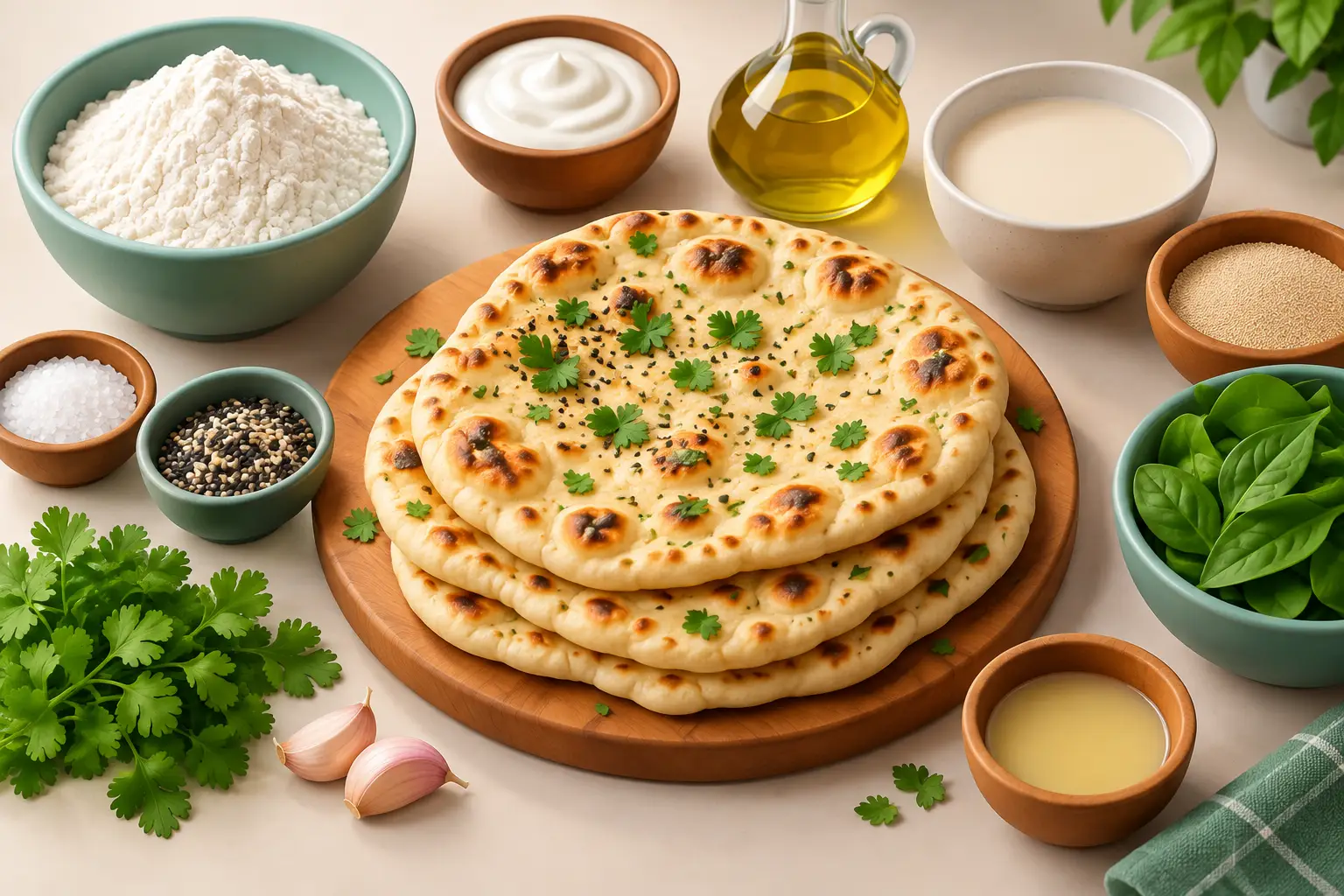
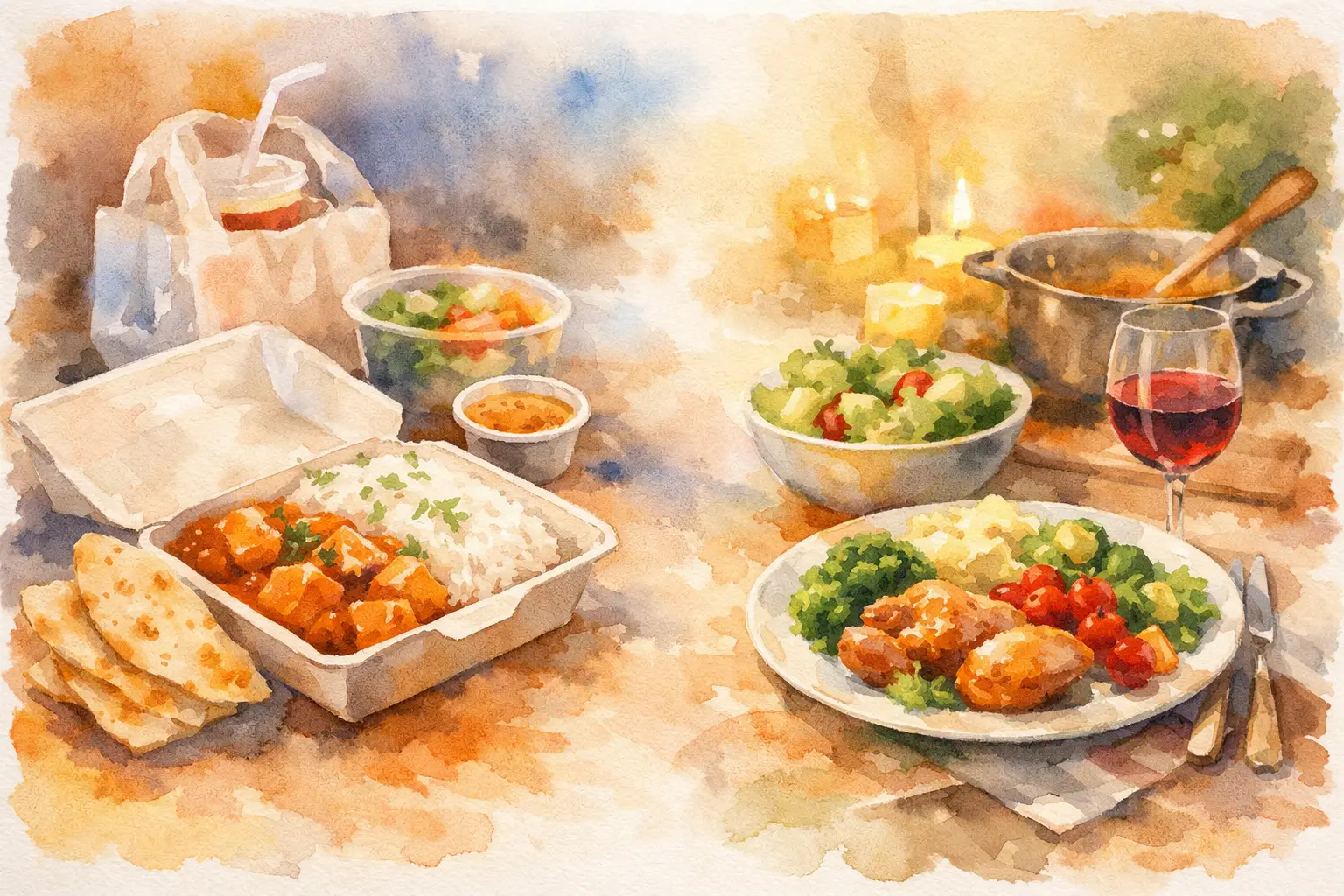
It is 7:15, everyone is hungry, and the question lands on the table again: delivery curry vs homemade dinner. On paper, cooking at home sounds like the sensible choice. In real life, the answer depends on your time, your energy, your standards, and what kind of evening you actually want.
For many households, this is not a debate about laziness versus effort. It is a decision about trade-offs. Do you want control over every ingredient, or do you want a meal that arrives hot, balanced, and ready to enjoy? Do you feel like chopping onions after work, or would you rather spend that half hour with family, friends, or simply off your feet?
Delivery curry vs homemade dinner: what are you really choosing?
Most people compare these options as if they are opposites. They are not. A homemade dinner can be deeply satisfying, affordable, and tailored to your preferences. Delivery curry can be fresh, thoughtfully prepared, and far more refined than the old stereotype of greasy takeout.
The real choice is between two kinds of value. Home cooking gives you direct control. Delivery gives you convenience, consistency, and access to dishes that take real skill, proper spice handling, and time to do well.
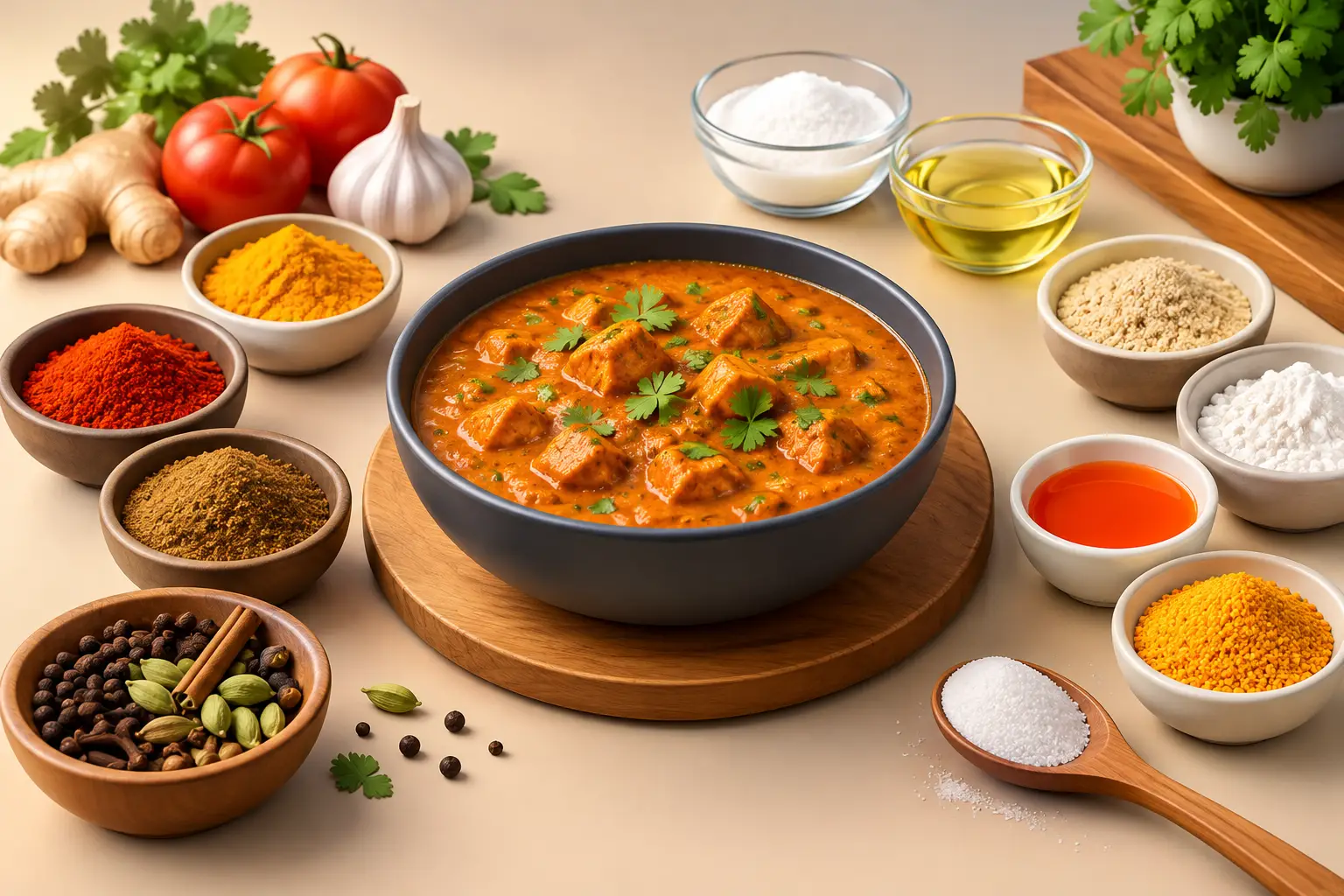
That matters with Indian food in particular. A good curry is not just one pan and a jar of sauce. It often relies on layered aromatics, carefully cooked onions, balanced spice blends, proper marination, and enough patience to let the flavors settle. If you love Indian food, you already know that the gap between average and excellent can be wide.
When homemade dinner wins
Homemade dinner shines when you want a simple, clean meal and you know exactly what you are in the mood for. If you are grilling salmon, tossing together a salad, or making a quick lentil soup, cooking can be faster than waiting for delivery. It can also be gentler on your budget, especially if you already have ingredients at home.
There is also the comfort of familiarity. If someone in the house has very specific dietary needs, or a child who wants plain rice and not much else, a homemade meal may feel easier. You can control the salt, the oil, the portion size, and the spice level without asking anyone else to interpret your preferences.
Cooking can also suit quieter evenings. Some people genuinely enjoy the rhythm of preparing dinner. It marks the shift from work mode to home mode. When that is how your evening feels, homemade food is not a chore. It is part of the pleasure.
But the strength of homemade dinner is also its limit. It works best when you have a plan, ingredients in the fridge, and the energy to follow through. Without those three things, home cooking quickly becomes toast, scrambled eggs, or another pasta you are not excited about.
When delivery curry is the better dinner
Delivery curry earns its place on nights when time is tight but expectations are still high. You want real food, not a backup meal. You want something warming, satisfying, and full of character, without doing the shopping, prep, cooking, and cleanup yourself.
This is where quality matters. Not all delivery is equal. If your benchmark is heavy, oily takeout, then yes, homemade dinner can seem like the healthier and fresher option. But a well-run Indian kitchen that cooks to order, uses fresh ingredients, and takes a lighter approach changes that equation completely.
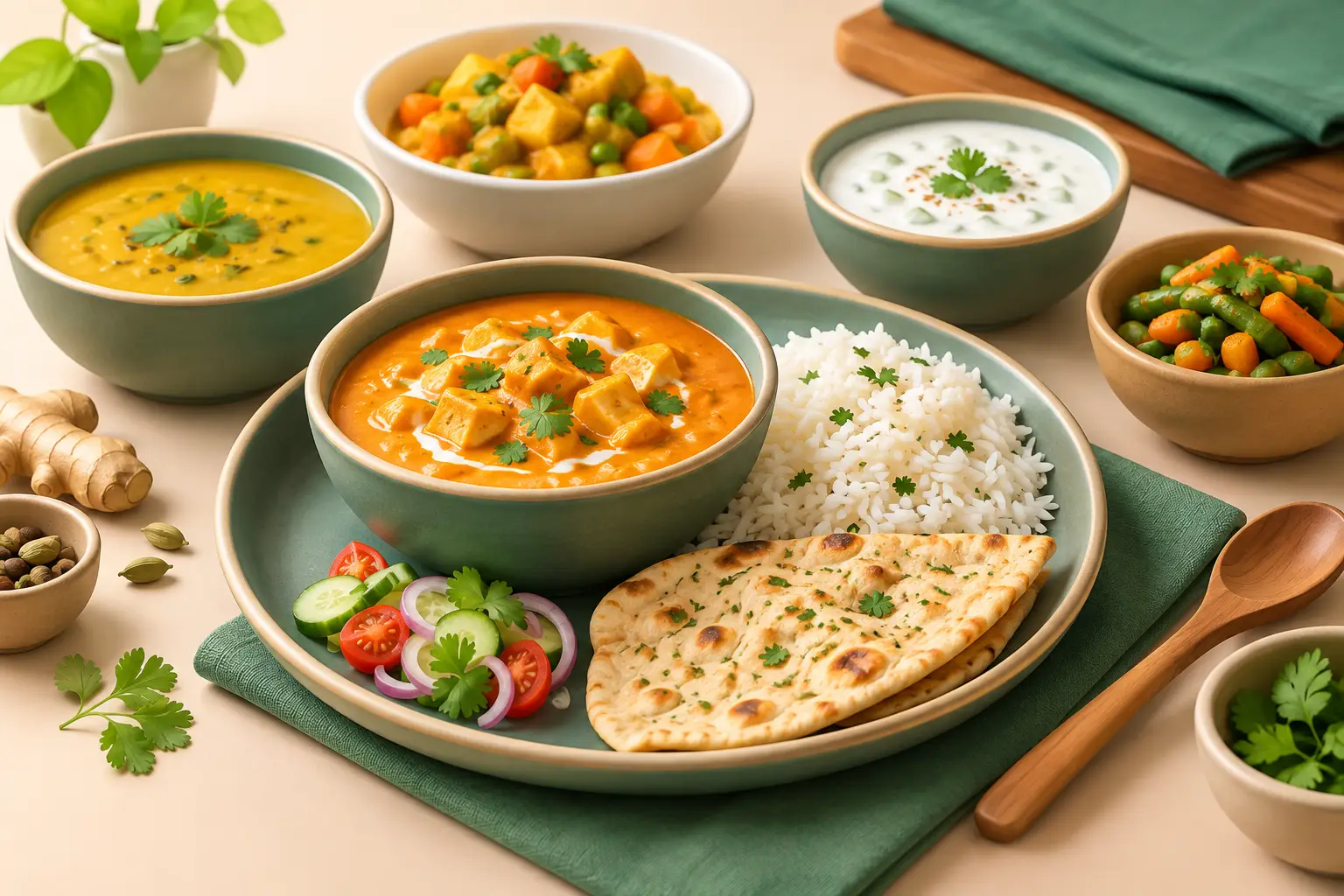
A thoughtfully made curry can deliver depth without heaviness. Tandoori dishes can be high on flavor and lighter on oil. Biryani, grilled meats, lentil dishes, and vegetable sides can create a dinner that feels complete rather than overindulgent. For many people, that is the sweet spot: restaurant-quality flavor with the comfort of eating at home.
There is also the variety factor. At home, most people cook one main dish. Ordering in lets everyone have what they actually want. One person can choose a rich, slow-cooked curry, another can go for a grilled protein, and someone else can pick a vegan or gluten-free option without anyone making three separate dinners.
Cost is not as simple as it looks
At first glance, homemade dinner seems cheaper. Sometimes it is. If you are making a basic meal from ingredients you already own, the total cost will likely be lower than delivery.
But people often underestimate the hidden cost of cooking. There is the midweek grocery run when you only need a few things and somehow spend far more. There is food waste from herbs, produce, and sauces that do not get used in time. There is the value of your own time as well, especially on a busy workday.
Delivery curry can be surprisingly sensible when you order strategically. Dishes that stretch into leftovers, shared sides, rice for the table, and a mix of mains can feed a household well. It can also reduce the impulse spending that comes from unplanned supermarket trips or convenience foods picked up on the way home.
So if the question is purely price per plate, homemade often wins. If the question is overall value for time, enjoyment, and consistency, delivery can make a strong case.
Health depends on how each one is done
Health is where this comparison gets more interesting. Homemade dinner has the advantage of control, but control does not automatically mean balance. Plenty of home-cooked meals are heavy on cream, butter, oversized portions, or packaged shortcuts.
The same is true on the delivery side. A poor-quality takeaway can leave you feeling overfull and flat. A well-prepared Indian meal, however, can be built around lean proteins, legumes, vegetables, grilled dishes, and carefully judged spice rather than excess oil.
That is why the source matters. Restaurants that focus on freshness and lighter preparation challenge the old idea that ordering curry means giving up on health. If the kitchen uses quality ingredients and cooks to order, delivery can fit very comfortably into a balanced routine.
For diners in and around Putney, this is one reason refined Indian delivery stands out. You get the comfort and richness people crave from curry, but with a more polished, ingredient-led approach that does not feel weighed down.
Taste, skill, and the difference expertise makes
There are meals that home cooks can absolutely rival. Roast chicken, pasta, soups, grain bowls, and simple curries can all be excellent in a home kitchen.
Indian food is slightly different because so much depends on technique. Browning onions to the right stage, balancing whole and ground spices, timing garlic and ginger properly, marinating proteins, managing heat, and building the sauce in layers all shape the final result. These are not impossible skills, but they do take practice.
That is why delivery curry often wins on complexity and consistency. A professional kitchen can give you the sort of depth and finish that is hard to recreate after a long day, especially if you are cooking from memory and hoping for the best.
This is where a restaurant like Cilantro London fits naturally into the conversation. When Indian delivery is made with care, fresh ingredients, and a lighter hand, it is not a compromise meal. It is dinner done properly.
The best choice depends on the night
A Tuesday after a packed commute is different from a slow Sunday. A family dinner is different from date night on the couch. Some evenings call for homemade simplicity. Others call for food that feels a little special without asking anything of you.
If you have the ingredients, the energy, and a craving for something straightforward, cooking at home can be exactly right. If you want warmth, variety, and restaurant-level flavor with no cleanup, delivery curry may be the smarter decision.
The key is to stop treating one option as virtuous and the other as indulgent. Both have their place. The better question is not which is universally best. It is which one gives you the evening you want.
And on many nights, that answer is simple: choose the dinner that feels generous to your time, satisfying on the plate, and good afterward too.