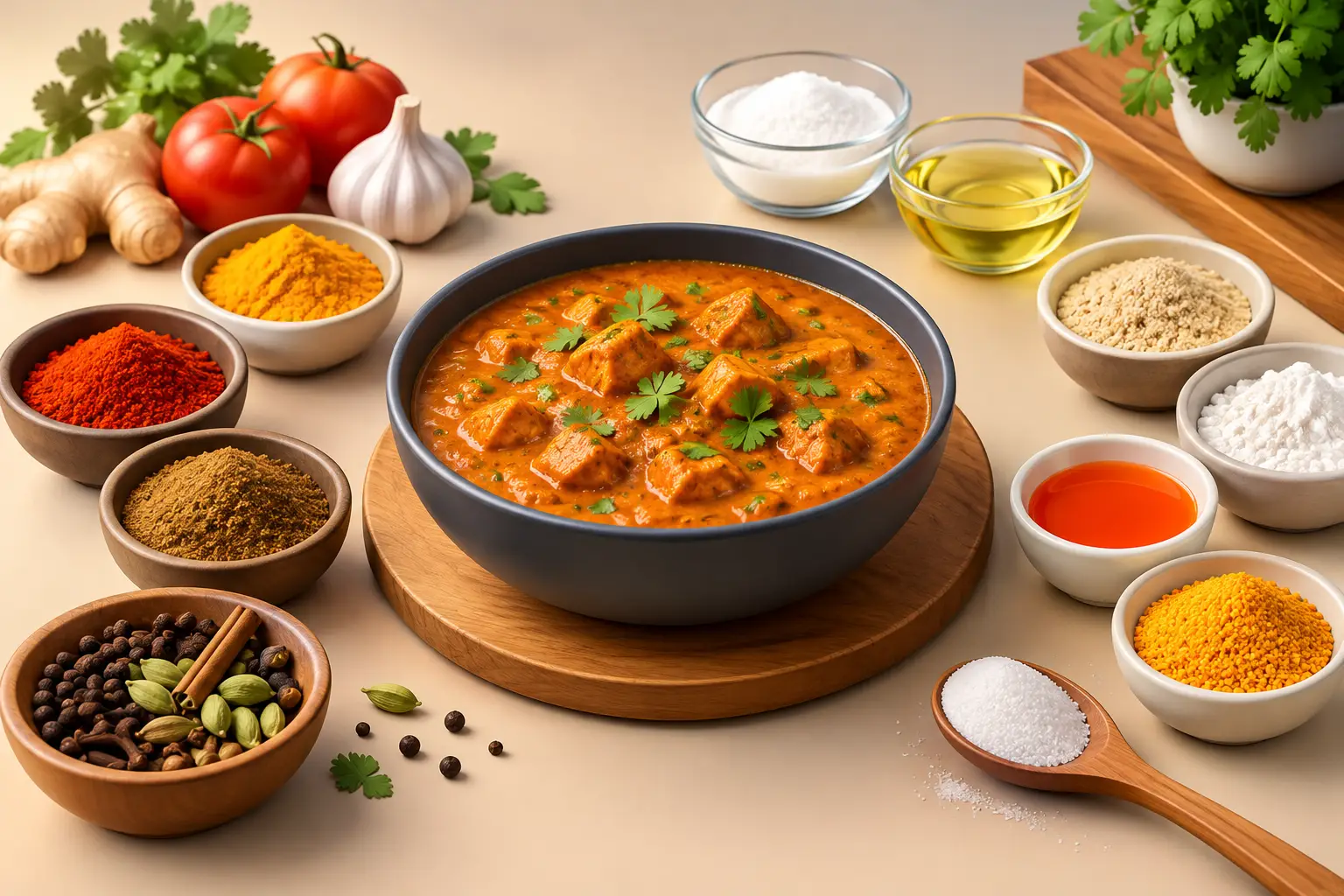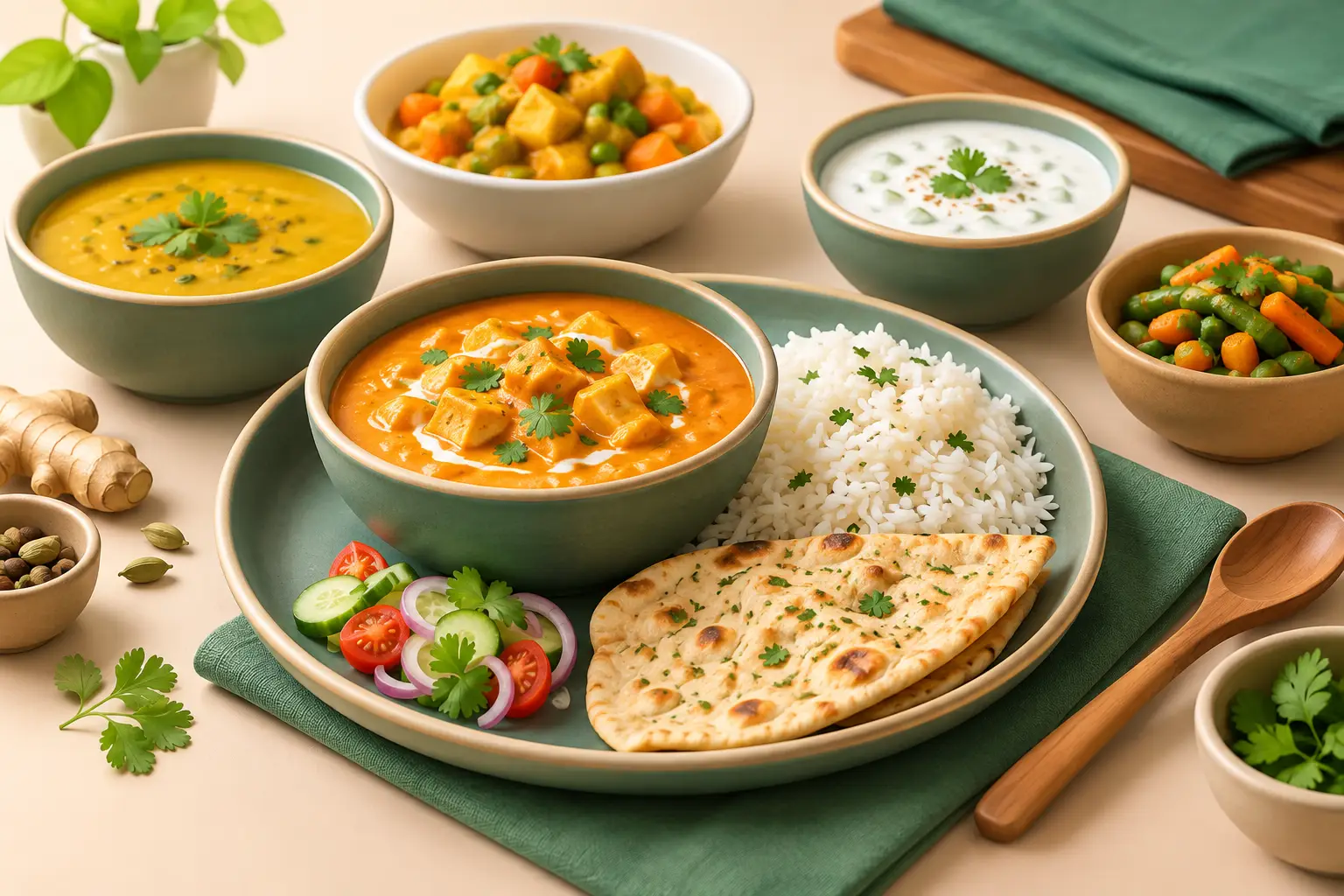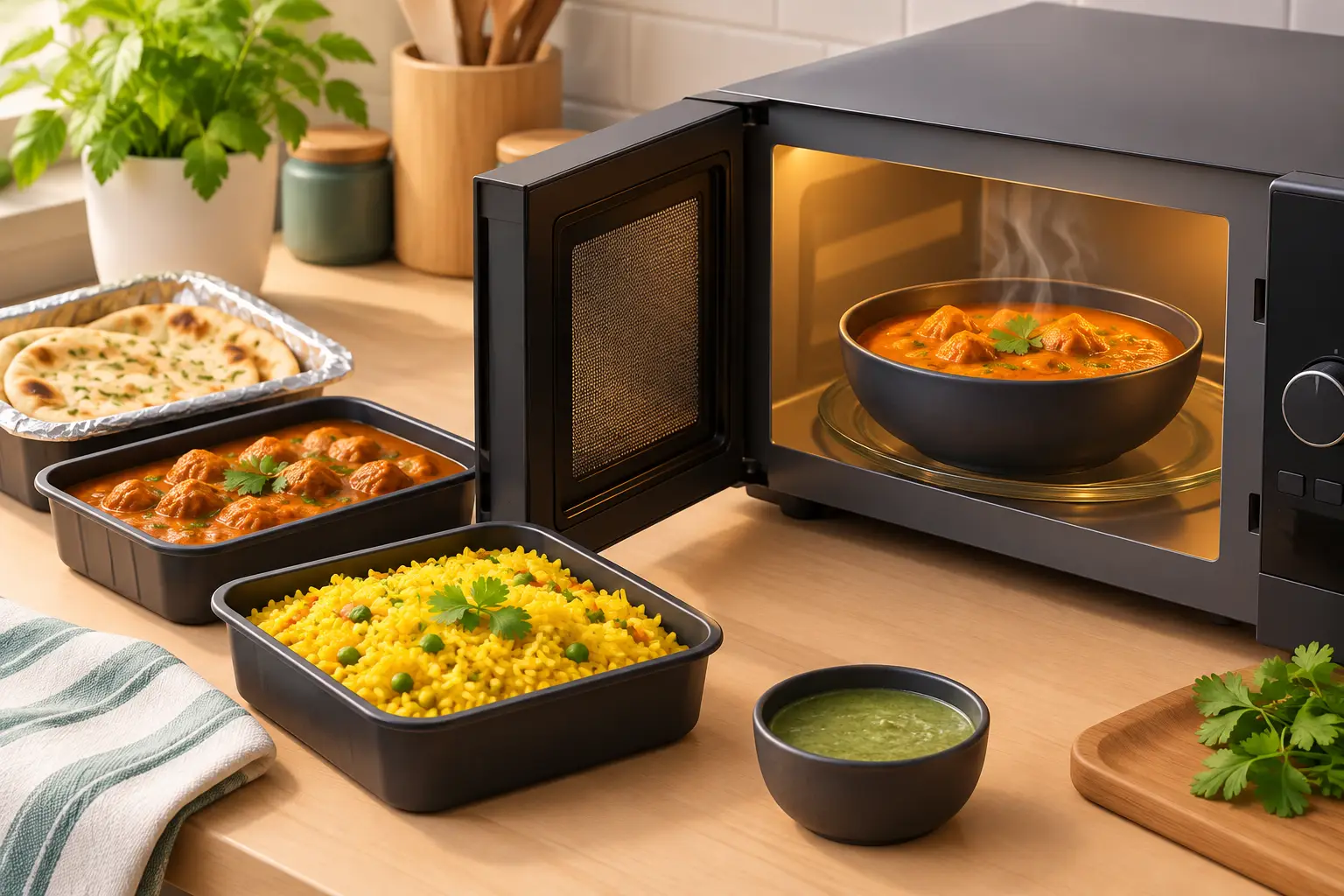
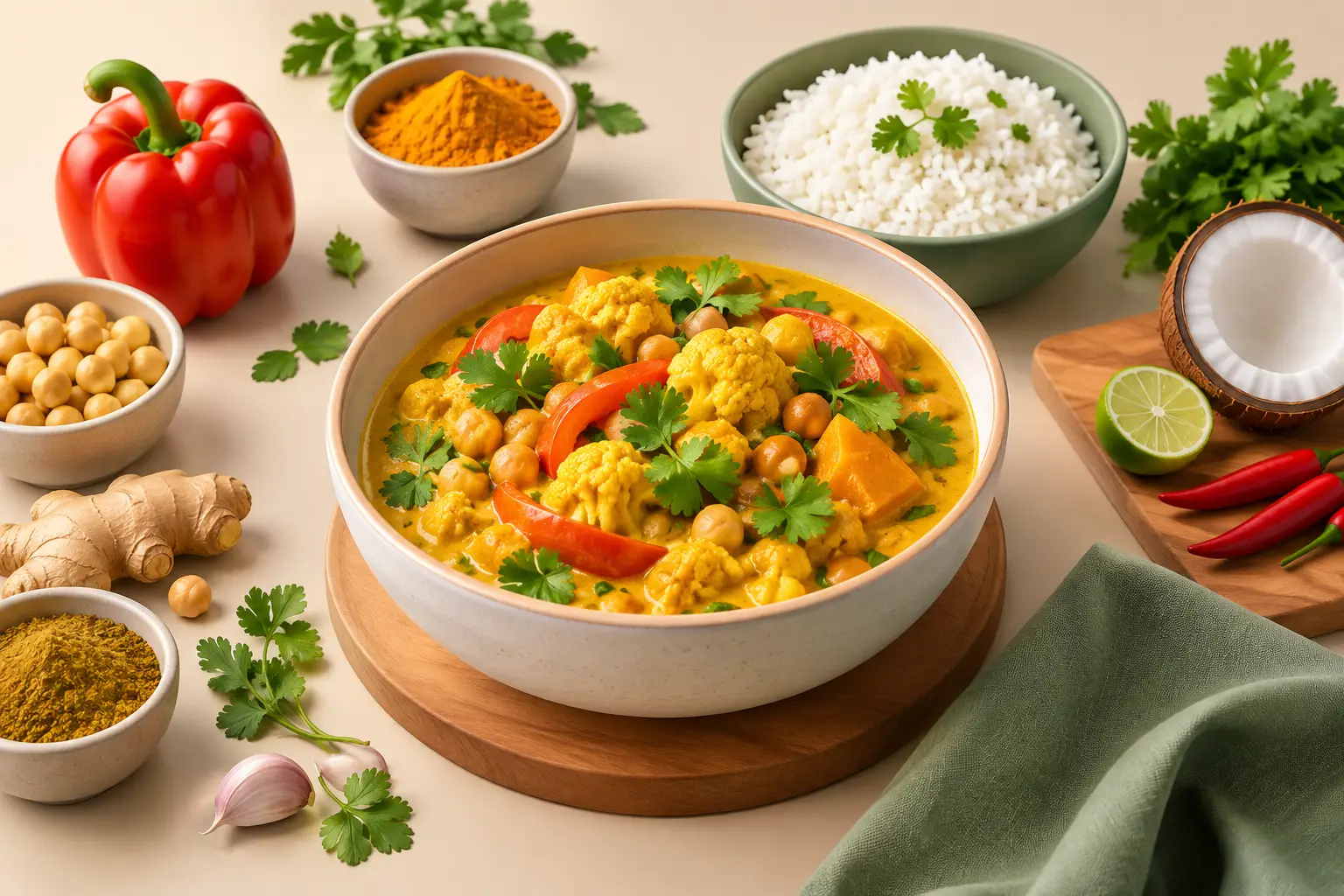
A curry can arrive fragrant with toasted cumin, slow-cooked onions, tomato, ginger, and fresh herbs, yet still feel lighter than the rich, oil-heavy takeaway many diners expect. That shift is at the heart of clean label curry trends: people want recognizable ingredients, thoughtful preparation, and the deep, comforting flavor that makes Indian food so satisfying.
For diners in Putney and nearby neighborhoods, this is not about turning classic recipes into something unrecognizable. It is about asking better questions of everyday food. What creates the sauce’s richness? How much oil is needed? Is the flavor coming from real spices, fresh aromatics, and patient cooking, or from shortcuts that leave a dish feeling heavy?
What clean label means for curry
“Clean label” is not a single legal standard, and it should not be treated as a promise that every dish is automatically healthier. In practical terms, it usually points to shorter, more familiar ingredient lists and cooking that puts real food first. Think vegetables, lentils, tomatoes, yogurt, herbs, whole spices, quality proteins, and oils used with restraint.
For curry, the most meaningful version of clean label is transparent, flavor-led cooking. A sauce should earn its depth through onions cooked until sweet, spices bloomed at the right moment, ginger and garlic used generously, and ingredients prepared to order where possible. It should not rely on excess cream, sugar, salt, or a blanket of oil to taste complete.
That distinction matters because Indian cuisine has always had a strong foundation in plant-forward cooking, spice knowledge, and balanced meals. Clean label cooking can honor that heritage when it respects the recipe, rather than treating authenticity and wellness as opposites.
The clean label curry trends diners are driving
Lighter sauces, not less flavor
The biggest change is a move away from sauces that feel greasy or overly rich after a few bites. Diners still want a silky makhani-style curry or a satisfying korma, but they are increasingly interested in how that texture is achieved. Tomato, cashew, onion, yogurt, roasted vegetables, and careful reduction can create body and warmth without making every dish feel the same.
There is a trade-off. Some traditional dishes are meant to be luxurious, and there is a place for butter, cream, and ghee when they are used with purpose. The better question is not whether richness is “bad.” It is whether it supports the dish. A well-made curry can be indulgent and still feel balanced.
Ingredient recognition and kitchen confidence
Customers are reading labels more closely, whether they are buying a ready meal or ordering a Friday-night dinner. They recognize tomatoes, spinach, chickpeas, turmeric, coriander, and coconut. They are less enthusiastic about vague additives, unnecessary fillers, or sauces that taste artificial.
For a restaurant, this trend is as much about trust as it is about ingredients. Clear menu descriptions, confident answers about preparation, and sensible dietary guidance help guests choose with ease. Someone ordering for a family may need gluten-free options; a couple sharing dinner may want a lighter tandoori dish alongside a warming curry; an office lunch may call for something satisfying that does not slow everyone down afterward.
Plant-forward curries with genuine substance
Vegetarian and vegan curries are no longer viewed as side options. Chickpeas, lentils, eggplant, okra, paneer, cauliflower, and seasonal greens can carry as much character as any meat dish when cooked with care.
The strongest plant-forward dishes do not simply remove the protein from a standard recipe. They build flavor around the ingredient itself. Earthy lentils suit smoky cumin and warming garam masala. Eggplant benefits from char, tangy tomato, and fresh cilantro. Chickpeas welcome bold spice and a bright finish of lemon. This is satisfying food first, with dietary inclusivity built in.
Protein choices that feel more considered
Chicken tikka, lamb, fish, and paneer remain favorites, but diners are increasingly looking for quality and balance over sheer quantity. Grilled or tandoor-cooked proteins are especially appealing because charring brings depth without requiring a heavy sauce.
This does not mean every meal needs to be low-calorie or stripped back. It means a chicken curry can taste generous because the chicken is well-marinated and the sauce is carefully layered, not because it is swimming in oil. A fresh salad, vegetable side, or dal can then turn a takeaway order into a more rounded meal.
Customizable comfort food
Clean label expectations are also changing how people order. Guests want the comfort of familiar favorites with choices that fit the moment: milder spice for children, extra heat for a spice lover, vegan preparation where suitable, or a gluten-free option for a guest at the table.
Customization has limits, especially with recipes that depend on a particular base or marinade. Still, flexibility signals care. It allows Indian dining to work beautifully for date nights, family dinners, casual celebrations, and a quick midweek meal at home.
How to spot a more thoughtful curry menu
A menu does not need to use the words “clean label” to reflect these values. Look instead for signs of focused cooking: dishes that describe their key ingredients, a good range of vegetable and lentil options, tandoori preparations, and clear guidance for vegan or gluten-free diners.
Variety is another useful clue. When every curry is built on one identical, heavy base, the flavors blur together. A thoughtful menu gives each dish its own character. One may be bright and tomato-led, another earthy with spinach, another fragrant with coconut, and another built around smoky roasted spices.
Portion and pairing matter too. If you want a lighter meal, pair a curry with vegetables, dal, or a fresh side rather than ordering several rich sauces at once. If you are choosing a celebratory feast, balance a creamy favorite with tandoori dishes and brighter, herb-led options. There is room for both pleasure and intention at the same table.
Why this trend suits Indian food so well
Indian cooking is often reduced to a narrow takeaway stereotype, but its regional traditions are remarkably diverse. There are broths, grilled dishes, lentil stews, vegetable curries, yogurt-based sauces, seafood preparations, and vibrant salads alongside the richer classics. Freshness and complexity have always belonged together.
That is why clean label curry trends are most exciting when they encourage diners to explore beyond the usual order. A spinach-based curry, a fragrant dal, or a charred tandoori dish can offer the same sense of comfort as a familiar favorite while bringing different textures and ingredients to the table.
At Cilantro London, this approach reflects a simple belief: authentic Indian food can be deeply flavorful, made with care, and suited to the way people want to eat now. For a table in the restaurant or a relaxed night at home, the best curry is not the one that follows a trend most loudly. It is the one that tastes honest, balanced, and worth coming back for.
The next time you order, choose the dish that sounds most alive on the menu – the one with spices, vegetables, herbs, and a cooking method you can picture. That is often where a memorable meal begins.