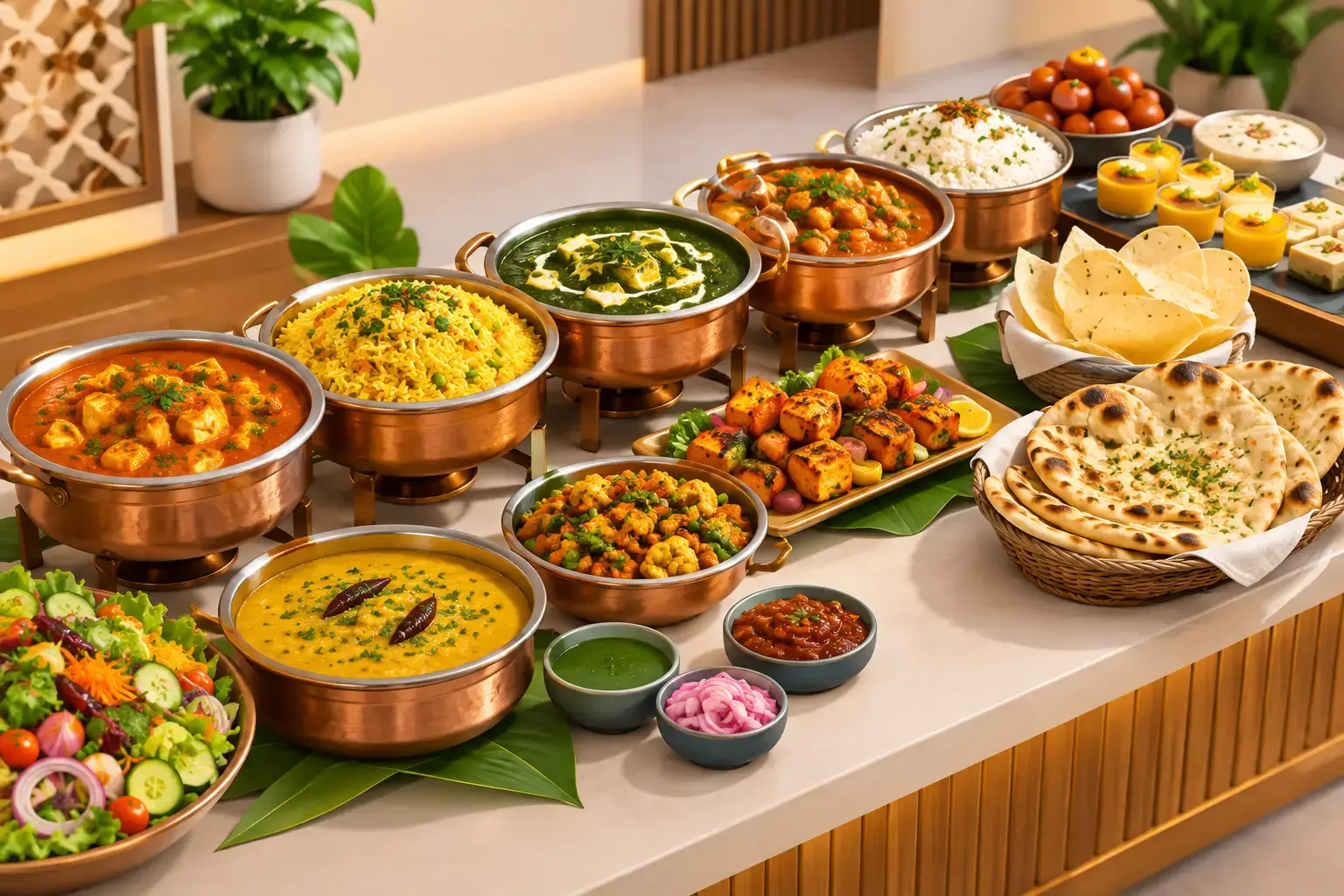
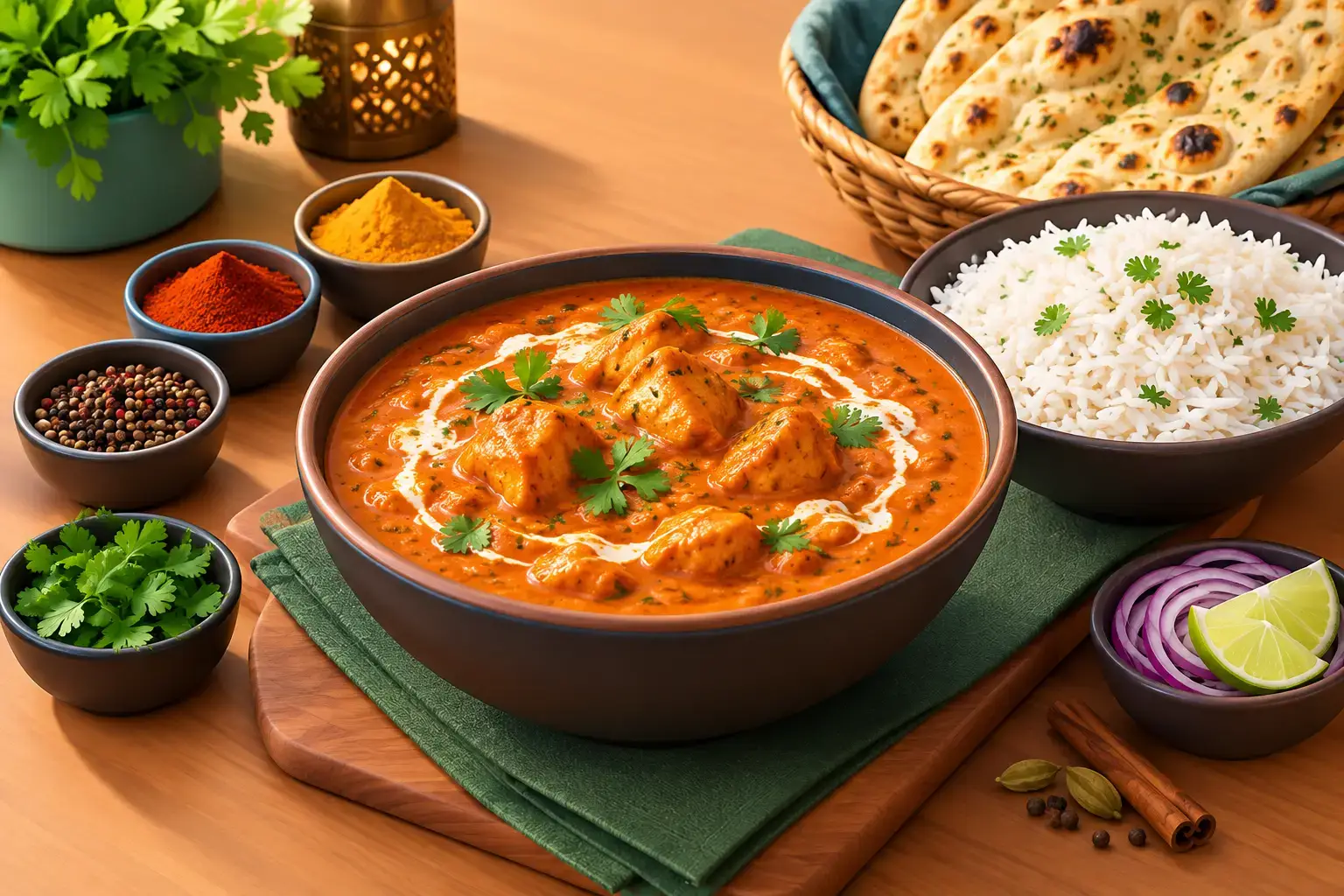
A proper curry freshness review starts before the first bite. You can see it in a sauce with real color rather than a dull, oily sheen; smell it in toasted cumin, cardamom, ginger, and garlic; and feel it in a meal that leaves you satisfied instead of weighed down. Freshness is not a garnish on good Indian cooking. It is what allows every spice, herb, and carefully prepared ingredient to taste as it should.
For diners in Putney and the surrounding neighborhoods, that distinction matters. Indian food should offer comfort and depth, whether you are settling in for dinner, planning a family meal, or ordering a midweek takeaway. It should not feel like a compromise between convenience and quality.
Curry Freshness Review: The Signs That Matter
Fresh curry is not defined by heat alone. A dish can be spicy and still taste flat if its ingredients were cooked without care or held too long before serving. The best curries build flavor in stages: whole spices are warmed to release their aroma, onions are cooked until naturally sweet, and tomatoes, yogurt, coconut, lentils, or stock are added at the right moment for the style of dish.
The result is a sauce with clarity. You can taste the brightness of tomato in a chicken tikka masala, the earthiness of spinach in saag, or the gentle tang of a well-made dhansak without one heavy note taking over. Freshly prepared food has contrast. It is rich where it needs to be, but it is also lively.
Texture is another useful clue. Tender chicken, lamb, paneer, or vegetables should hold their character, while the sauce should coat rather than smother them. If every element tastes the same, or if the sauce is excessively thick and greasy, the dish may be relying on richness to cover a lack of balance.
This does not mean every curry should be light in the same way. A slow-cooked lamb curry can be deeply warming and naturally fuller-bodied. A creamy korma should be comforting. The difference is whether that richness comes from thoughtful cooking and fresh ingredients, or from an overly heavy finish that blurs the spices.
Why Made-to-Order Cooking Changes the Meal
Indian cooking rewards timing. Fresh herbs lose their lift when they sit too long. A squeeze of lemon can brighten grilled tandoori dishes in seconds, while a final tempering of mustard seeds, curry leaves, garlic, or chili can bring a dal to life. These details are difficult to recreate after a dish has been sitting under a heat lamp.
Made-to-order preparation also allows a kitchen to treat each dish according to its needs. Tandoori cooking needs high heat for charred edges and a juicy center. Biryanis need fragrant rice with distinct grains, not a soft, steamy mass. Vegetable curries need enough cooking to absorb the spices but not so much that they lose all color and texture.
For takeaway and delivery, freshness comes down to smart preparation and packing as well. Sauces should travel without separating. Crispy items should be protected from unnecessary steam. Rice, breads, and sides should arrive as part of a complete meal, not as an afterthought. Convenience is valuable, but it should still feel like restaurant-quality food when you open the container at home.
Freshness Is Also About Balance
A memorable curry does not need to be oily to feel generous. In fact, excessive oil often masks the flavors people are really looking for: warm spice, caramelized onion, fragrant herbs, and the natural taste of the main ingredient. A more balanced approach lets those flavors come through while making the meal easier to enjoy on an ordinary evening.
That is particularly welcome when ordering for different people. One person may want a bold vindaloo, another may prefer a mild and creamy curry, and someone else may be looking for a vegan or gluten-free option. A kitchen focused on freshness can give each dish its own identity instead of using one standard base for everything.
Vegetarian dishes are especially revealing. Fresh paneer should be soft with a clean, milky flavor. Chickpeas should be creamy rather than dry. Eggplant should be silky, not oily. Seasonal vegetables should bring color and bite to the plate. These ingredients do not need to imitate meat to make a satisfying Indian meal. They need respectful seasoning and careful cooking.
How to Judge a Fresh Indian Takeaway at Home
The moment your order arrives, take a quick look and smell before serving. Aromas should be warm, fragrant, and inviting, not sharp with stale oil. The sauce may have a little natural oil on top, particularly in slow-cooked dishes, but it should not look like a separate layer floating over the food.
Taste the curry with rice or naan, then taste a small spoonful on its own. You should be able to identify more than salt, cream, or chili. Even a familiar favorite should have dimension: sweetness from onion, tang from tomato or yogurt, warmth from spices, and a fresh finish from herbs or citrus where appropriate.
Temperature matters, too. Food should arrive properly hot, but very hot does not automatically mean freshly cooked. What matters is whether the texture has survived the journey. Naan should still have softness and chew. Rice should remain fluffy. Tandoori dishes should retain their smoky edges. If you are eating later, cool the food promptly, refrigerate it, and reheat it thoroughly once rather than repeatedly warming the same portion.
The Freshest Choice Depends on What You Order
Some dishes are naturally better suited to immediate eating. Fresh naan, crispy starters, and tandoori items are at their best soon after they leave the kitchen. Curries, dals, and biryanis often travel more comfortably, especially when packed with care. If you are ordering for a relaxed evening at home, choosing a combination of both gives you the best of each style.
It is also worth matching the dish to your appetite. A creamy curry and buttery naan can be exactly right for a celebration or a chilly night. For a lighter dinner, a tandoori main with salad, a tomato-based curry, or a vegetable dish may feel more balanced. There is no single “healthy” order. The better question is whether the food tastes clean, complete, and satisfying for the occasion.
At Cilantro London, the aim is to make authentic Indian food feel as good after the meal as it does during it. Traditional recipes, responsibly chosen ingredients, and made-to-order cooking help create the spice depth people expect, with a more refined and considered finish.
Fresh Food Builds Trust, One Order at a Time
A great local Indian restaurant earns loyalty through consistency. The curry you order on a busy Tuesday should have the same care as the meal you choose for a date night, a family gathering, or guests at home. Freshness cannot be a special-occasion promise. It has to be part of the kitchen’s daily standard.
When choosing your next meal, trust your senses. Look for vibrant sauces, distinct textures, and spices that taste warm and alive rather than simply hot. Order the dishes that suit your evening, enjoy them while they are at their best, and let a well-prepared curry turn an ordinary dinner into something worth lingering over.