A chicken tikka can be cooked in a conventional oven and still be delicious. But the difference in tandoor versus oven cooking becomes clear at the first bite: the tandoor gives the edges a gentle char, keeps the center remarkably juicy, and brings a faint smokiness that feels inseparable from classic Indian cooking.
That difference is not simply about higher heat. It is about the way heat moves, how a marinade reacts, and the care taken before a skewer ever reaches the fire. For diners who love Indian food with vivid flavor but without unnecessary heaviness, understanding the two methods helps explain why some dishes feel brighter, lighter, and more memorable than others.
Tandoor Versus Oven Cooking: The Essential Difference
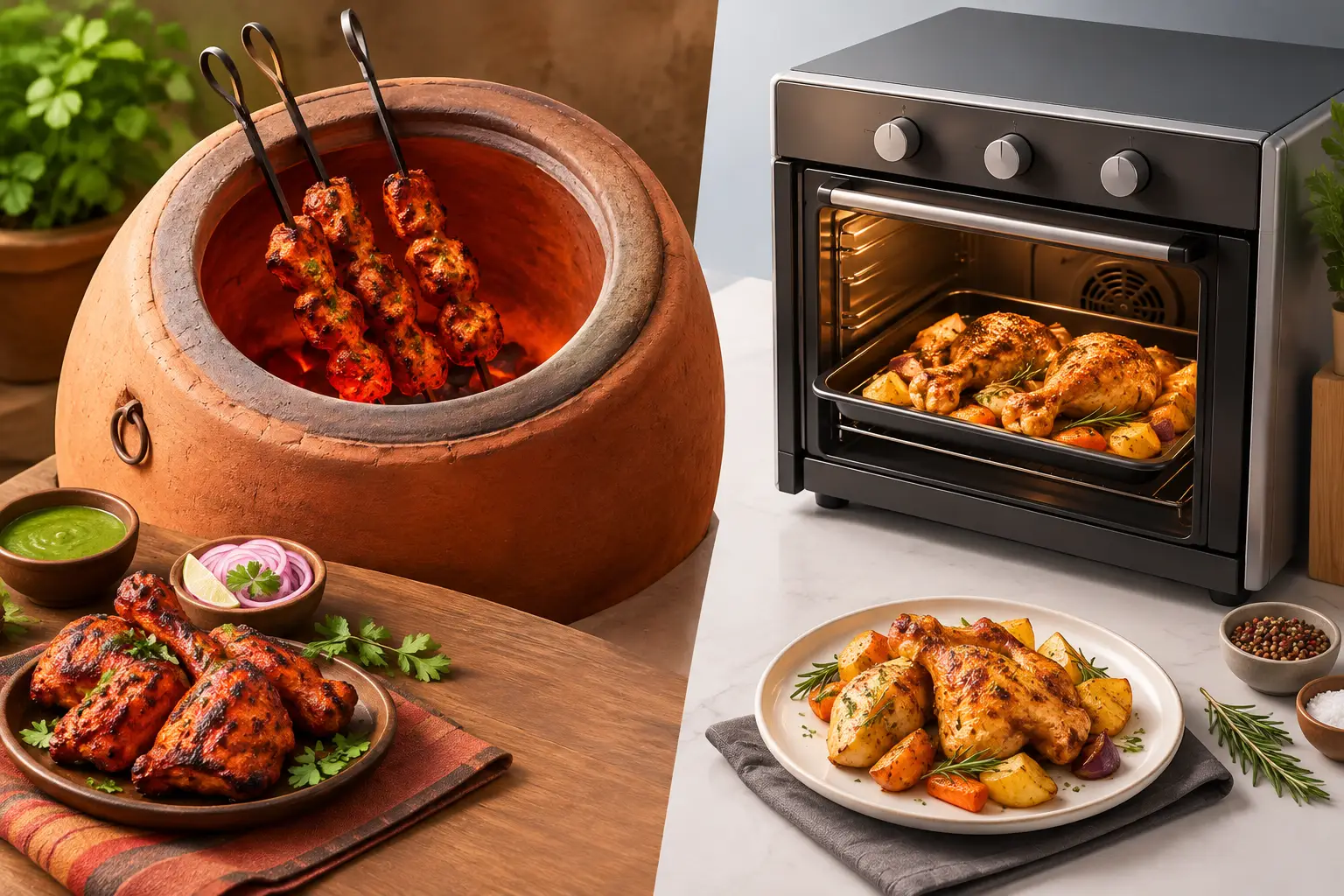
A tandoor is a deep, cylindrical clay oven traditionally heated with charcoal or wood. Its walls retain intense radiant heat, while its open top and vertical shape create a powerful circulation of hot air. Temperatures can rise far beyond those of a standard home oven, often reaching 700°F or more.
A conventional oven uses enclosed, dry heat that is generally gentler and more even. Most home ovens operate between 350°F and 500°F, which gives cooks excellent control for baking, roasting, and slow cooking. Yet it does not recreate the same combination of radiant heat, live-fire character, and immediate surface searing found in a tandoor.
Neither method is automatically better for every dish. An oven is practical, dependable, and especially well suited to foods that need an even, steady cook. A tandoor excels when the goal is contrast: a lightly blistered exterior, a tender interior, and the fragrant lift of charred spice.
Why Tandoor Heat Tastes Different
The clay walls are central to the tandoor’s character. Once fully heated, they radiate energy directly onto food. Rather than slowly warming the surface, that heat quickly caramelizes the natural sugars in onions, yogurt, and spices, creating savory depth without requiring a heavy sauce or excess oil.
The high temperature also helps seal the outside of ingredients such as chicken, paneer, lamb, and vegetables. Moisture is not literally locked in, but the fast cooking time means there is less opportunity for the interior to dry out. The result is food with real texture: crisp at the edges, succulent within.
A charcoal-fired tandoor adds another layer. Drippings from marinade and fat touch the hot coals, producing aromatic smoke that rises around the skewers. This is not an overpowering barbecue flavor. In a well-managed tandoor, it is subtle – a warm, roasted note that supports the spices instead of covering them.
Ovens can develop browning, especially with a broiler or a hot roasting tray, but they typically require more time to do so. That longer exposure can dry lean proteins if the temperature and timing are not carefully managed. It is why oven-cooked tikka often benefits from a final blast under the broiler, while a tandoor delivers that finish as part of the cooking process.
The Marinade Matters as Much as the Fire
It would be a mistake to give all the credit to the oven itself. A tandoori dish starts with its marinade, often built around yogurt, ginger, garlic, citrus, and carefully balanced spices. Yogurt tenderizes protein gently and provides a tangy base that clings to the ingredient. Spices such as cumin, coriander, chili, turmeric, and garam masala develop a deeper aroma when exposed to intense heat.
A thoughtful marinade should enhance the main ingredient, not hide it. For chicken, it should preserve tenderness. For paneer, it should add spice and color while allowing the dairy richness to come through. For vegetables, it should support their natural sweetness and give them a charred, satisfying finish.
This is also where a more balanced approach to Indian food begins. Flavor does not need to come from a thick layer of oil or cream. Fresh aromatics, good yogurt, precise seasoning, and high heat can produce a dish that feels indulgent while still tasting clean.
Which Indian Dishes Benefit Most From a Tandoor?
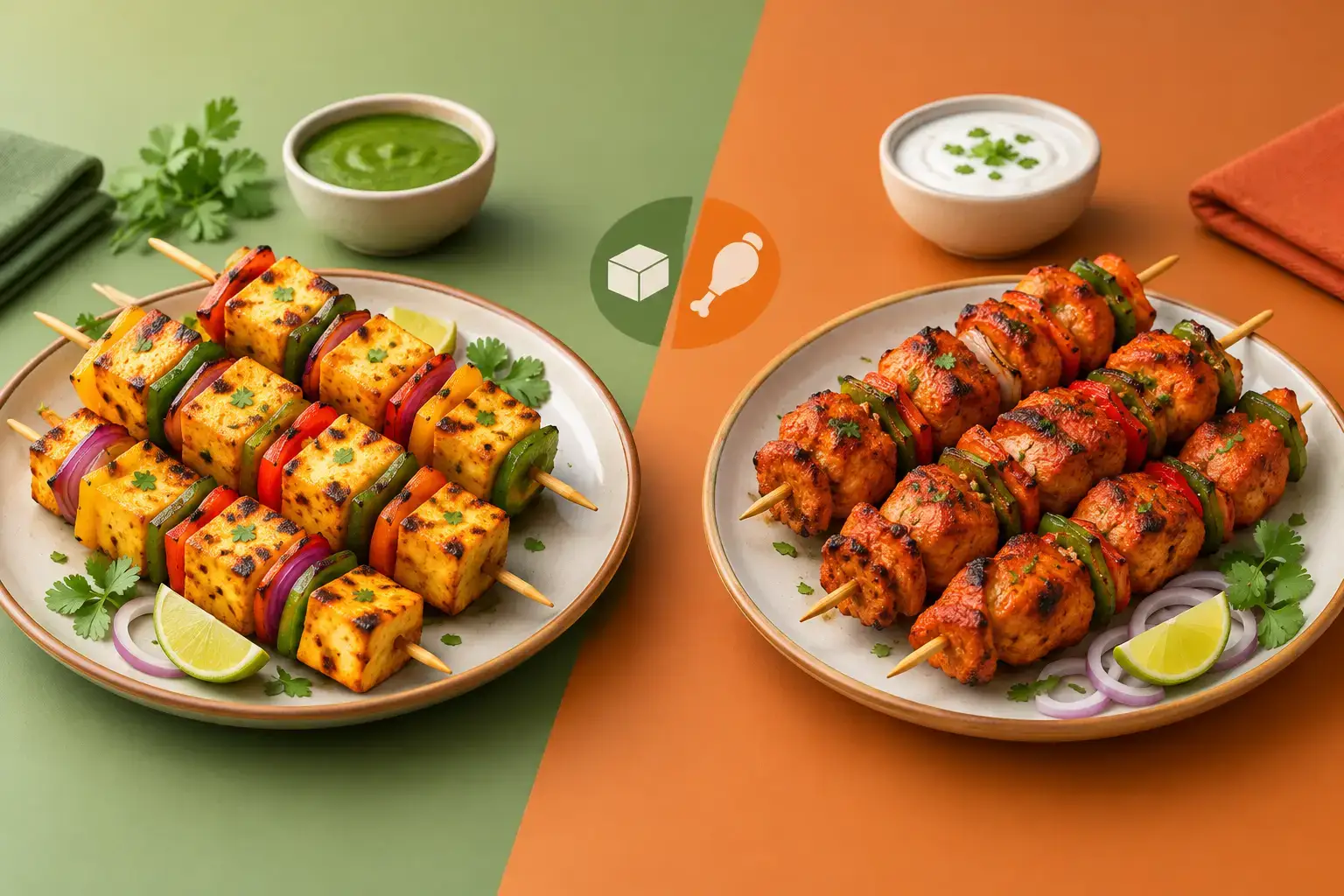
Tandoor cooking is especially suited to foods that can handle direct, fierce heat. Chicken tikka, tandoori chicken, lamb chops, seekh kebabs, paneer tikka, and mixed grilled vegetables all benefit from its speed and intensity. The outside gains color and complexity before the inside loses its tenderness.
Fresh naan is another classic example. Dough pressed against the inner clay wall puffs rapidly, developing the distinctive bubbles and toasted patches that are difficult to achieve in a conventional oven. An oven-baked flatbread can be excellent, particularly on a preheated stone or steel, but the tandoor’s wall heat gives naan its signature blistered character.
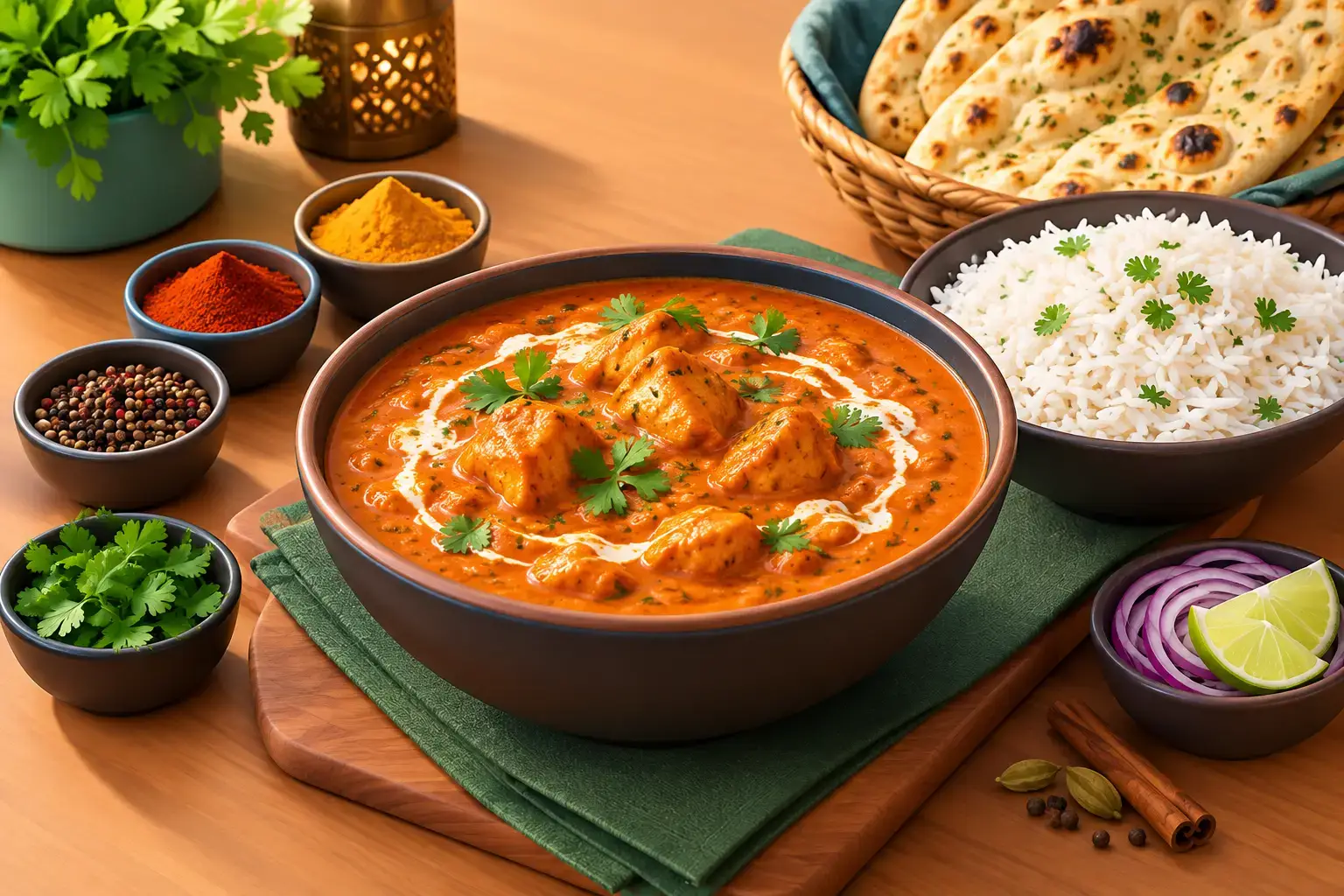
Not every Indian dish belongs in a tandoor, however. Slow-simmered curries need time for onions, tomatoes, spices, and proteins to come together. Biryani relies on controlled steam and gentle finishing heat. Dal needs patience more than flame. A good Indian menu celebrates these different techniques rather than forcing every dish through one cooking method.
Can an Oven Produce Great Tandoori-Style Food?
Absolutely. A home oven is not a lesser tool – it simply calls for a different strategy. For tandoori-style chicken or paneer, use a wire rack over a lined tray so heat can circulate and excess marinade does not pool beneath the food. Cook at the highest safe oven temperature, then use the broiler briefly for color.
Avoid crowding the tray. If pieces sit too close together, they steam instead of roast, and the surface stays soft. Smaller, evenly cut pieces also cook more predictably. A little neutral oil brushed on near the end can encourage browning, though the goal should be a light coating rather than a greasy finish.
For a touch of smoke, some cooks use a charcoal-smoking technique after cooking. It can be enjoyable, but restraint is key. The food should still taste of its marinade, its spice blend, and the ingredient itself. Smoke is a background note, not the whole performance.
Choosing the Right Method for the Meal
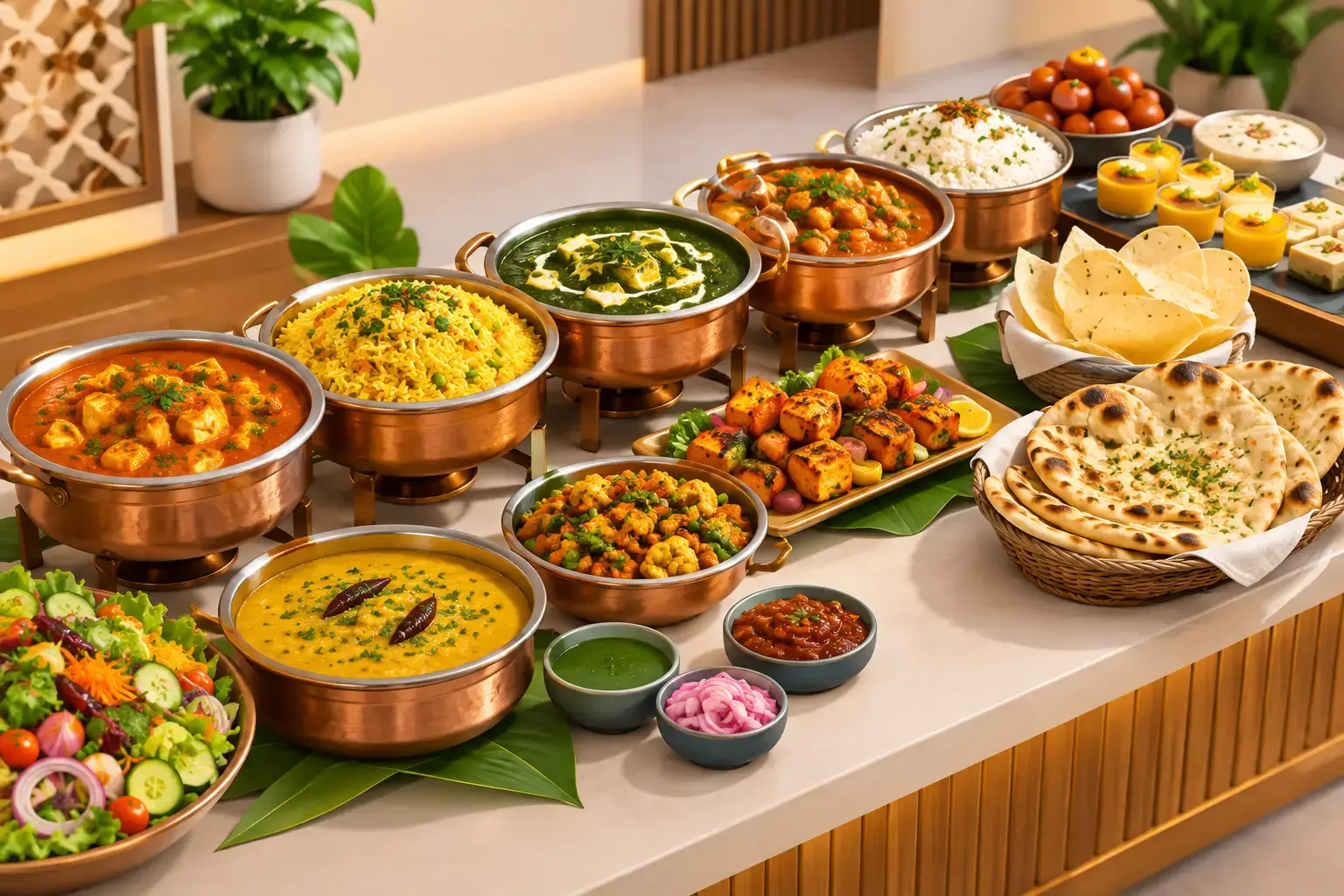
Choose tandoor cooking when you want a celebratory grilled centerpiece, a vivid char, or the unmistakable aroma of traditional live-fire Indian food. It is ideal for a shared dinner where platters of tikka, kebabs, naan, and grilled vegetables can arrive at the table full of color and energy.
Choose oven cooking when convenience, consistency, and capacity matter most. An oven makes it easier to cook for a family, prepare dishes in advance, or manage several components of a meal at once. It can also be a sensible choice for delicate foods that would suffer under the tandoor’s fierce heat.
For restaurant cooking, the best experience often comes from using each method with purpose. At Cilantro London, tandoor dishes are prepared to highlight traditional spice, fresh ingredients, and the satisfying contrast of charred edges and tender centers, while curries and rice dishes receive the slower, more precise attention they require.
Flavor Without the Heaviness
The appeal of tandoor food goes beyond its dramatic heat. Because high-temperature cooking delivers so much flavor on the surface, it can reduce the need for rich finishing sauces. A plate of grilled chicken tikka with fresh salad, mint chutney, and warm naan can feel generous and comforting without leaving you weighed down.
That said, “lighter” should never mean bland or restrictive. The pleasure of Indian food lies in its layers: the brightness of lemon, the warmth of toasted cumin, the fragrance of cardamom, the gentle heat of chili, and the richness that comes from skillful cooking. The goal is balance, not compromise.
Whether you are ordering a tandoori favorite in Putney or experimenting with a broiler at home, pay attention to the finish. The best bite has a little char, a lively marinade, and enough moisture to make you reach for the next piece. That is the small but meaningful magic of cooking with real heat and real care.