The first scent from a properly cooked tandoori dish is not simply heat. It is toasted cumin, warm chile, tangy yogurt, ginger, garlic, and the faint char that makes a simple piece of chicken, paneer, or vegetable feel like a special meal. This guide to tandoori marinades explains the balance behind that flavor – and why a good marinade should make food taste brighter and more tender, never heavy or overly spiced.
Tandoori cooking is often associated with the high heat of a clay oven, but the marinade does much of the quiet work before the food reaches the grill, broiler, or oven. It seasons beneath the surface, protects delicate ingredients from drying out, and creates the richly colored crust people expect from a great Indian meal.
What Makes a Tandoori Marinade Different?
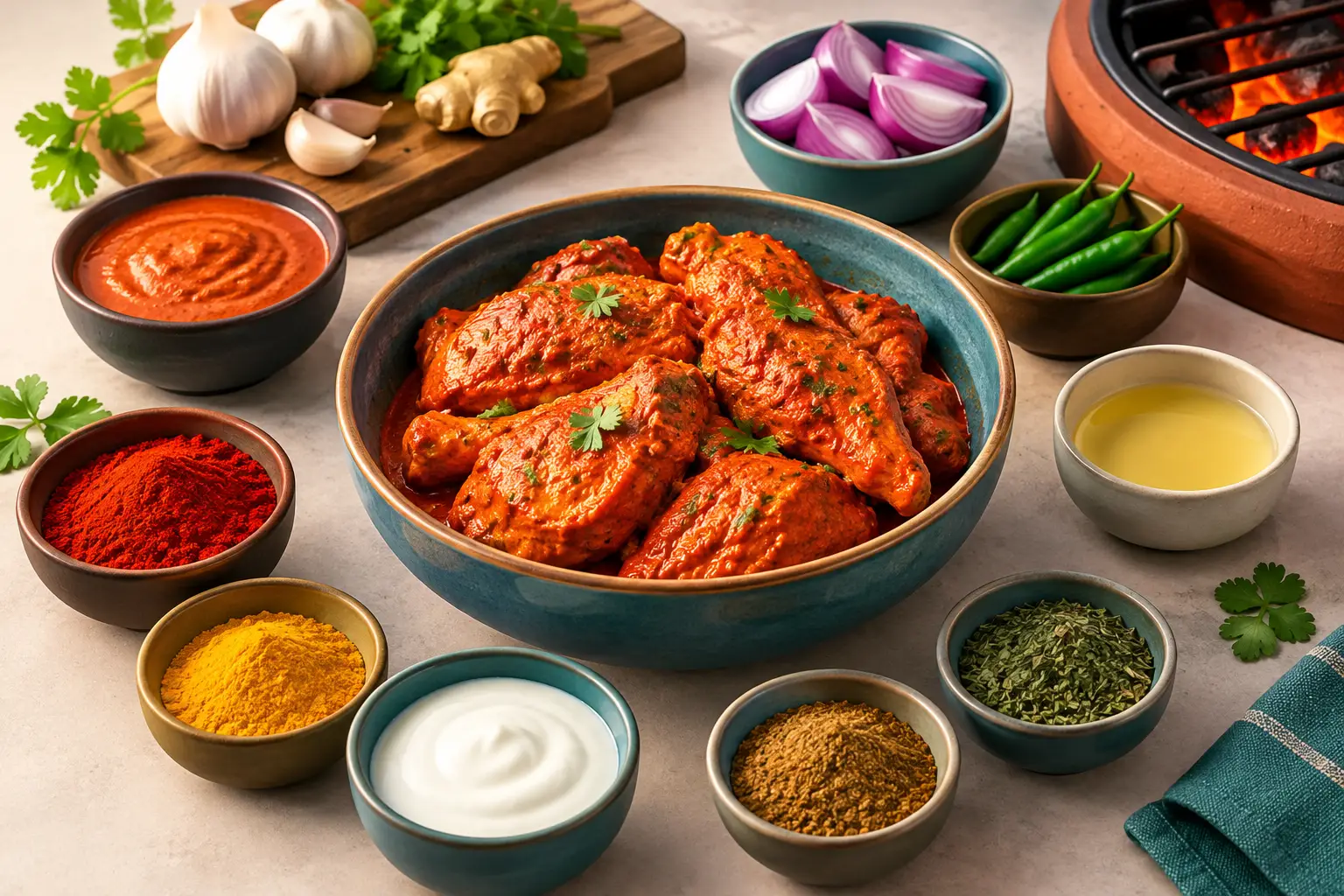
A tandoori marinade is built around contrast. Creamy yogurt softens and carries the spices, while lemon juice or another gentle acid brings freshness. Ginger and garlic supply depth, and ground spices create warmth, color, and aroma. Heat comes from chilies, but it should sit within the flavor rather than overwhelm it.
The word tandoori refers to food cooked in a tandoor, a traditional cylindrical clay oven that reaches very high temperatures. That fierce heat gives tandoori dishes their smoky edges and lightly blistered exterior. At home, a hot grill, broiler, or roasting pan can create a satisfying version, especially when the marinade is well balanced.
There is no single fixed tandoori recipe. A chicken marinade may lean into Kashmiri chile for color and moderate warmth, while fish benefits from less acid and a shorter resting time. Paneer can take a bolder spice blend, and vegetables often need a touch more oil to brown well. The principle stays the same: fresh flavor, careful seasoning, and enough heat to caramelize the surface.
The Building Blocks of a Balanced Marinade
Yogurt brings tenderness without richness overload
Plain full-fat yogurt is the traditional foundation for many tandoori marinades. Its mild acidity helps tenderize chicken while its thickness helps spices cling to the food. Greek yogurt works too, though it may need a small splash of water or lemon juice if it is exceptionally thick.
Avoid sweetened yogurt and be cautious with low-fat varieties. They can separate during cooking or leave the coating thin and chalky. For a lighter result, use regular plain yogurt and drain it briefly if it seems watery. The goal is a coating that holds to the ingredient, not a pool of sauce at the bottom of the bowl.
For dairy-free cooking, an unsweetened coconut or cashew yogurt can be useful, but choose one with a clean flavor. Coconut yogurt adds its own character, which can be delicious with vegetables or shrimp but may move the dish away from a classic tandoori profile.
Acid should wake up the spices
Lemon juice is the familiar choice, and it gives tandoori dishes their clean, lively finish. A little is effective. Too much acid, especially with chicken or seafood, can make the outer layer soft and slightly mushy before it cooks.
For chicken thighs or drumsticks, a moderate amount of lemon juice can be left overnight with no problem. For chicken breast, paneer, fish, or shrimp, use less and marinate for a shorter time. If you want extra tang without increasing the citrus, rely on yogurt and add a squeeze of fresh lemon after cooking.
Ginger, garlic, and spices create the character
Fresh ginger-garlic paste is one of the most recognizable foundations in Indian cooking. It gives the marinade a savory bite that powdered alternatives cannot fully match. Freshly grated ginger and garlic work well when paste is unavailable, provided they are finely minced so they do not burn in high heat.
The spice blend can vary, but cumin, coriander, turmeric, garam masala, and Kashmiri chile powder are a reliable starting point. Cumin brings earthiness, coriander adds a subtle citrus note, turmeric gives warmth and golden color, and garam masala supplies a final aromatic lift. Kashmiri chile powder is prized for its red color and mild-to-medium heat. Paprika can add color, but it lacks some of that distinct chile fruitiness.
A tandoori marinade does not need every spice in the cupboard. Using too many can flatten the flavor into a dusty, muddled taste. Start with a few spices you can identify, then adjust the heat and aroma to suit the ingredient.
How Long Should Food Marinate?
Time changes both flavor and texture. Chicken thighs, legs, and bone-in pieces are forgiving and benefit from six to 12 hours in the refrigerator. Four hours will still produce good results when dinner needs to happen sooner. Chicken breast needs closer attention: two to six hours is generally enough to season it without affecting its texture.
Paneer, mushrooms, cauliflower, and peppers only need 30 minutes to two hours. They do not absorb marinade in the same way as meat, and extended time can make vegetables release water. Fish and shrimp are the quickest of all. Aim for 15 to 30 minutes, particularly when lemon juice is included.
Always marinate in the refrigerator, covered, and discard any marinade that has touched raw meat. Before cooking, let excess marinade drip away. A thick, even coating is ideal; large clumps tend to scorch before the center is cooked.
A Practical Guide to Tandoori Marinades at Home
For about two pounds of chicken, paneer, or vegetables, begin with one cup of plain yogurt, one tablespoon each of ginger-garlic paste and lemon juice, and one to two tablespoons of neutral oil. Add salt, then season with cumin, coriander, turmeric, garam masala, and Kashmiri chile powder to taste. A small pinch of crushed fenugreek leaves, if available, adds the unmistakable restaurant-style aroma associated with many tandoori dishes.
Mix the marinade until smooth before adding the main ingredient. For chicken, make a few shallow cuts in thicker pieces so seasoning can reach beyond the surface. Coat everything thoroughly, cover, and refrigerate for the appropriate time.
When ready to cook, bring the oven, grill, or broiler to a high temperature. Tandoori food wants strong heat, but not neglect. Turn pieces as they color, and cook until chicken is safely done and its juices run clear. If using a broiler, keep a close eye on the food because yogurt and spices can char quickly.
For a more authentic smoky finish without a tandoor, finish cooked food briefly over high grill heat. You can also serve it with charred onions, lemon wedges, and a crisp salad. That fresh contrast matters, especially when tandoori dishes are part of a larger meal with rice, breads, or a warming curry.
Common Mistakes That Make Tandoori Taste Heavy
The most common mistake is using too much marinade. More yogurt does not mean more flavor. It can prevent browning and leave the finished dish damp rather than charred. Use enough to coat, then remove the excess before cooking.
The second is treating red food coloring as a substitute for spice. Traditional tandoori dishes can range from golden to deep red depending on the chilies and regional style, but color alone says little about flavor. Kashmiri chile, paprika, and turmeric can create an appealing shade naturally while keeping the taste clean.
Finally, do not hide the food beneath salt or chile. A well-made tandoori marinade should let chicken taste like chicken and paneer taste creamy and fresh. The spices should build around the main ingredient, not erase it.
Make It a Lighter, Complete Meal
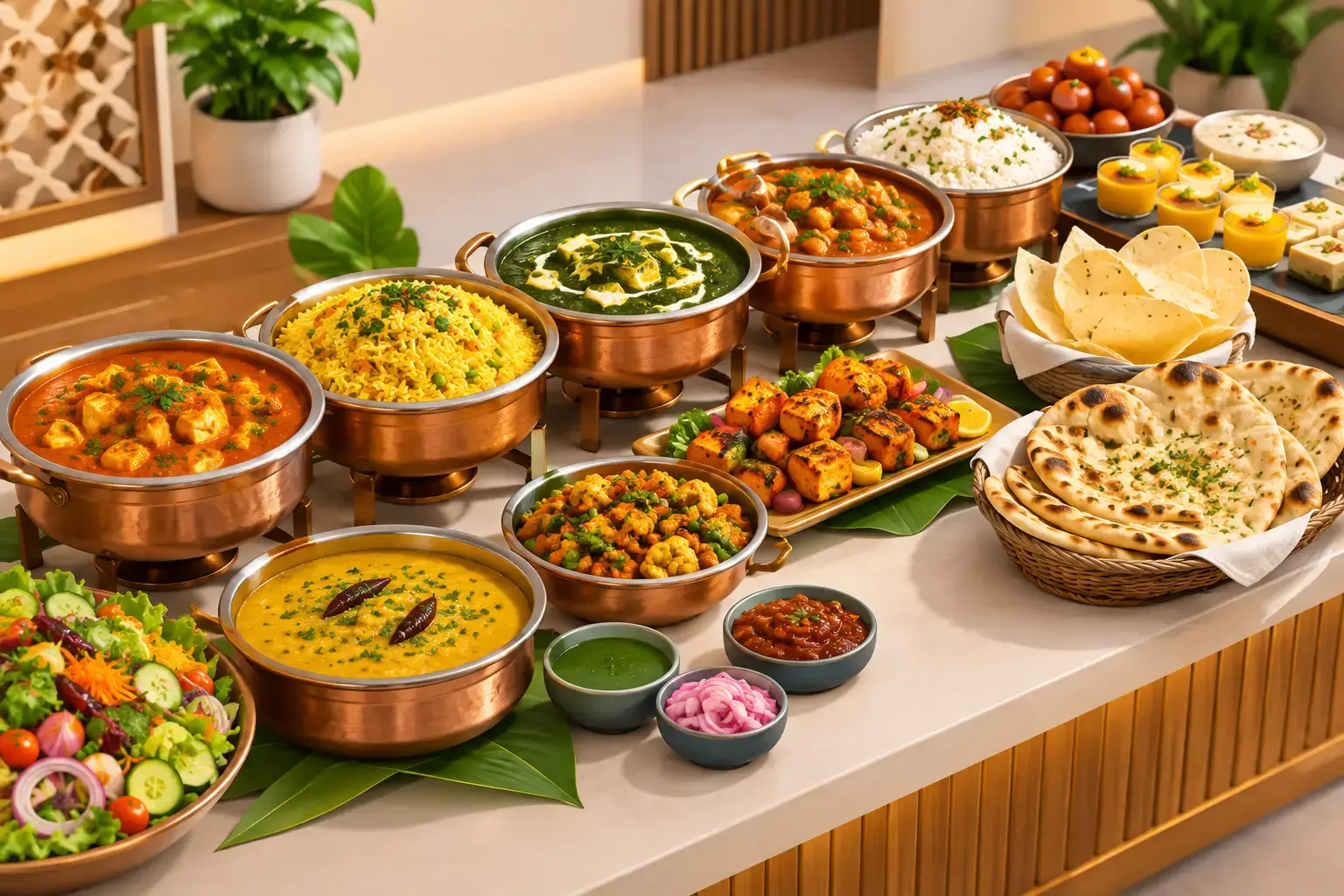
Tandoori dishes are naturally suited to a more balanced style of Indian dining because they rely on marination and high heat rather than a heavy, cream-based sauce. Pair them with cucumber, tomatoes, herbs, a lentil dish, or lightly seasoned basmati rice. A cooling yogurt accompaniment can be welcome, but it should refresh the palate rather than duplicate the richness of the marinade.
At Cilantro London, that balance of traditional spice, fresh ingredients, and thoughtful preparation is central to how tandoori food should feel: satisfying enough for a celebration, yet comfortable for a weekday meal. Whether you are cooking at home or choosing a local Indian dinner in Putney, look for food with clear spice, gentle tang, and a char that tastes intentional.
The best tandoori marinade is not the hottest or reddest one. It is the one that leaves each bite tender, fragrant, and light enough that you want another.