An allergen menu example should do more than place a few letters beside a dish. For someone with a serious food allergy, it needs to make the difference between a relaxed meal and an uncertain one. Indian food is naturally rich in vegetable, lentil, rice, and grilled options, but it also uses ingredients such as dairy, nuts, sesame, wheat, and mustard in ways that are not always obvious from a dish name.
A clear allergen menu gives diners useful information before they order. It also creates a better conversation with the restaurant team, especially where a recipe can be adapted or where shared preparation areas may affect the choice.
What a useful allergen menu should show
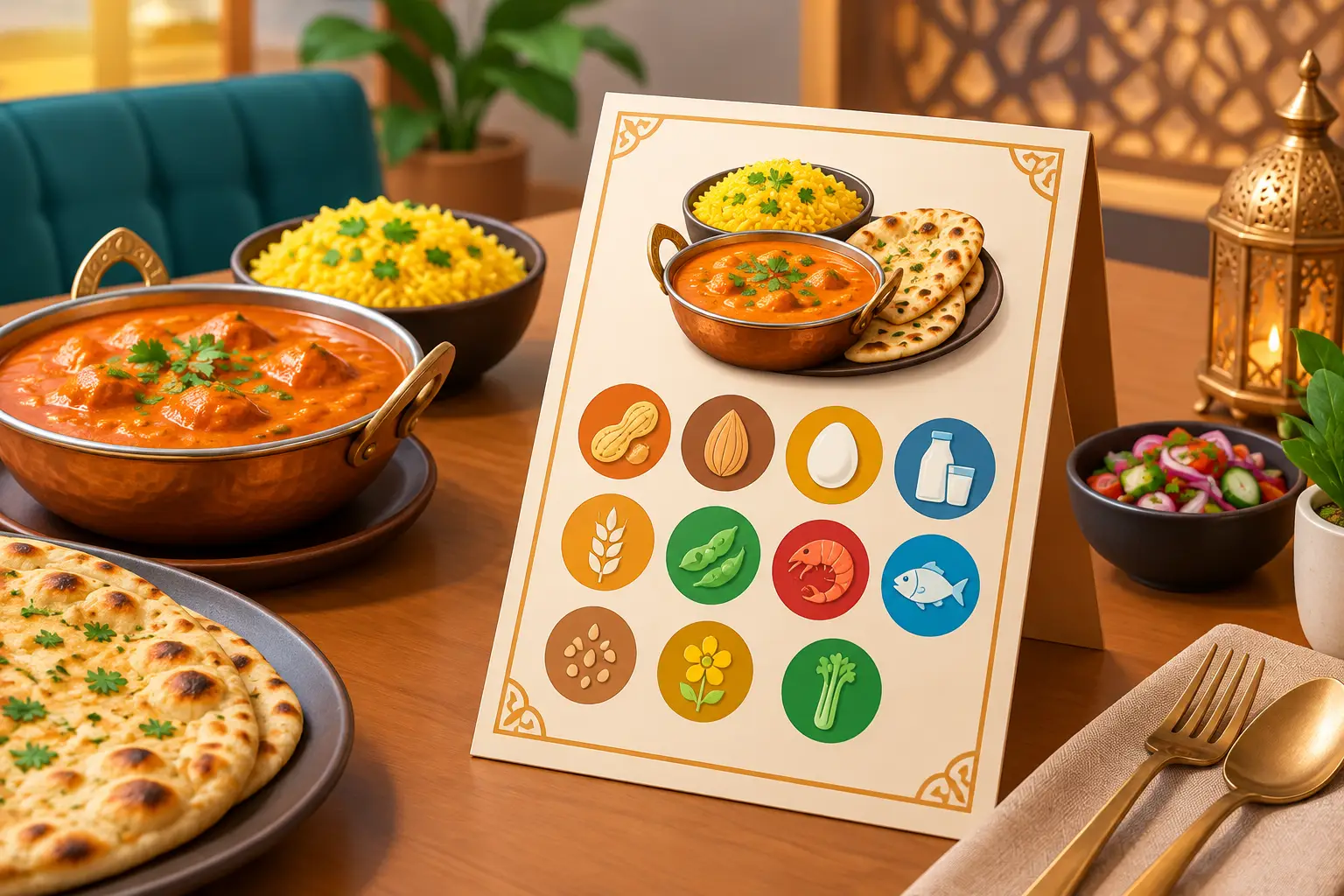
At its simplest, an allergen menu identifies the major allergens present in each recipe. In the UK, restaurants are required to provide information about 14 specified allergens when they are used as ingredients. These include cereals containing gluten, crustaceans, eggs, fish, peanuts, soy, milk, nuts, celery, mustard, sesame, sulfites, lupin, and mollusks.
That information matters, but the best menus add context. A dish labeled gluten-free may be made without wheat ingredients, yet a guest with celiac disease may still need to ask about the fryer, tandoor, serving utensils, or nearby preparation. Likewise, a curry without visible nuts may contain ground cashew or almond in its sauce for body and richness.
For diners, the key is to treat menu symbols as a starting point rather than a guarantee. For restaurants, the responsibility is to keep recipe records current, train the team carefully, and never guess when a guest asks about an allergy.
Indian allergen menu example
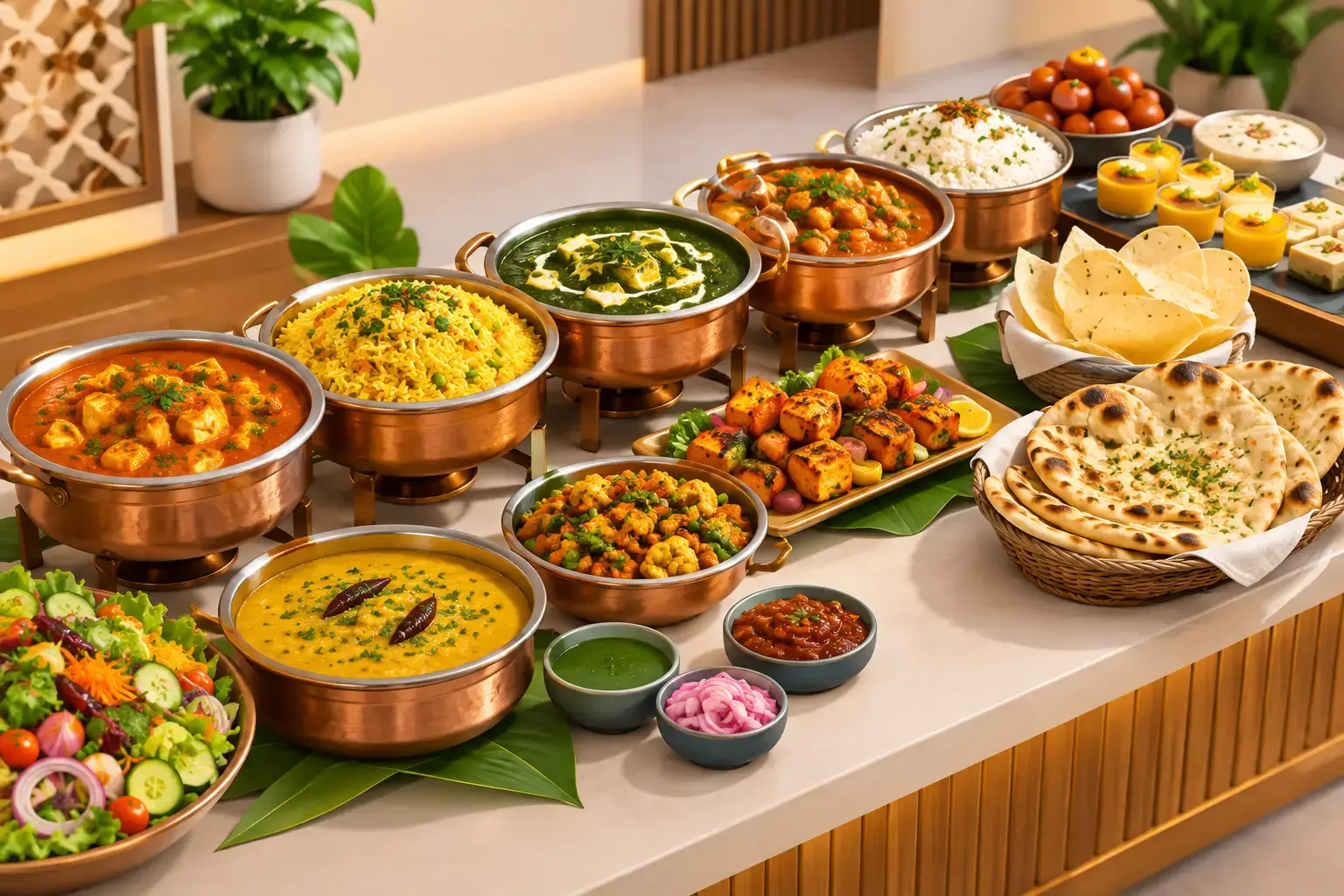
Below is an illustrative format for an Indian restaurant menu. It is not a substitute for a restaurant’s own current allergen records, as recipes, suppliers, garnishes, and cooking methods can change.
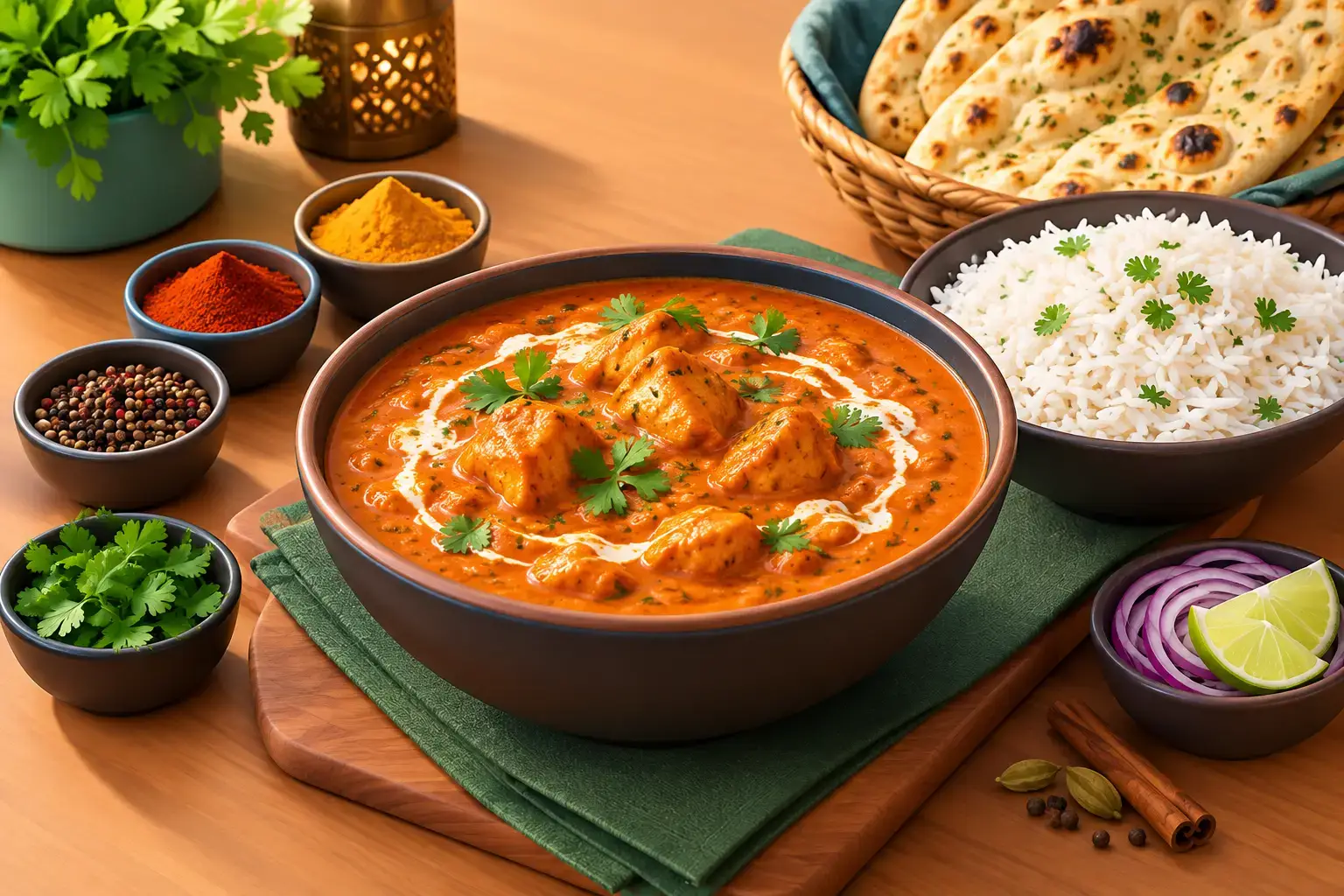
| Dish | Likely allergens | What to ask or consider | | — | — | — | | Chicken tikka | Milk | Yogurt is commonly used in the marinade. Ask whether the tandoor area is shared with bread containing wheat. | | Tandoori king prawns | Crustaceans, milk | The marinade often includes yogurt. Confirm any cross-contact risk if shellfish allergy is severe. | | Lamb rogan josh | Milk | Some recipes use yogurt, cream, or ghee. It may be adaptable, depending on the kitchen. | | Butter chicken | Milk, nuts in some recipes | Butter, cream, and cashew paste are common. Never assume a nut-free version without confirmation. | | Chana masala | May contain gluten, mustard | Chickpeas themselves are naturally gluten-free, but spice blends, garnishes, and shared equipment vary. | | Dal tadka | Milk, may contain mustard | Ghee may be used for tempering. Ask whether it can be prepared with vegetable oil instead. | | Vegetable biryani | Milk, nuts in some recipes | Ghee, yogurt, fried onions, and nut garnishes can change the allergen profile. | | Saag paneer | Milk | Paneer is cheese, and the finished dish may also include cream or butter. | | Garlic naan | Wheat, milk, may contain sesame | Naan is usually made with wheat flour and may contain yogurt, milk, or a sesame topping. | | Papadum | May contain gluten, mustard | Lentil-based papadums can be gluten-free by recipe, but check ingredients and frying practices. | | Mango lassi | Milk | Yogurt is the main ingredient. It is not suitable for a dairy allergy or vegan diet. |
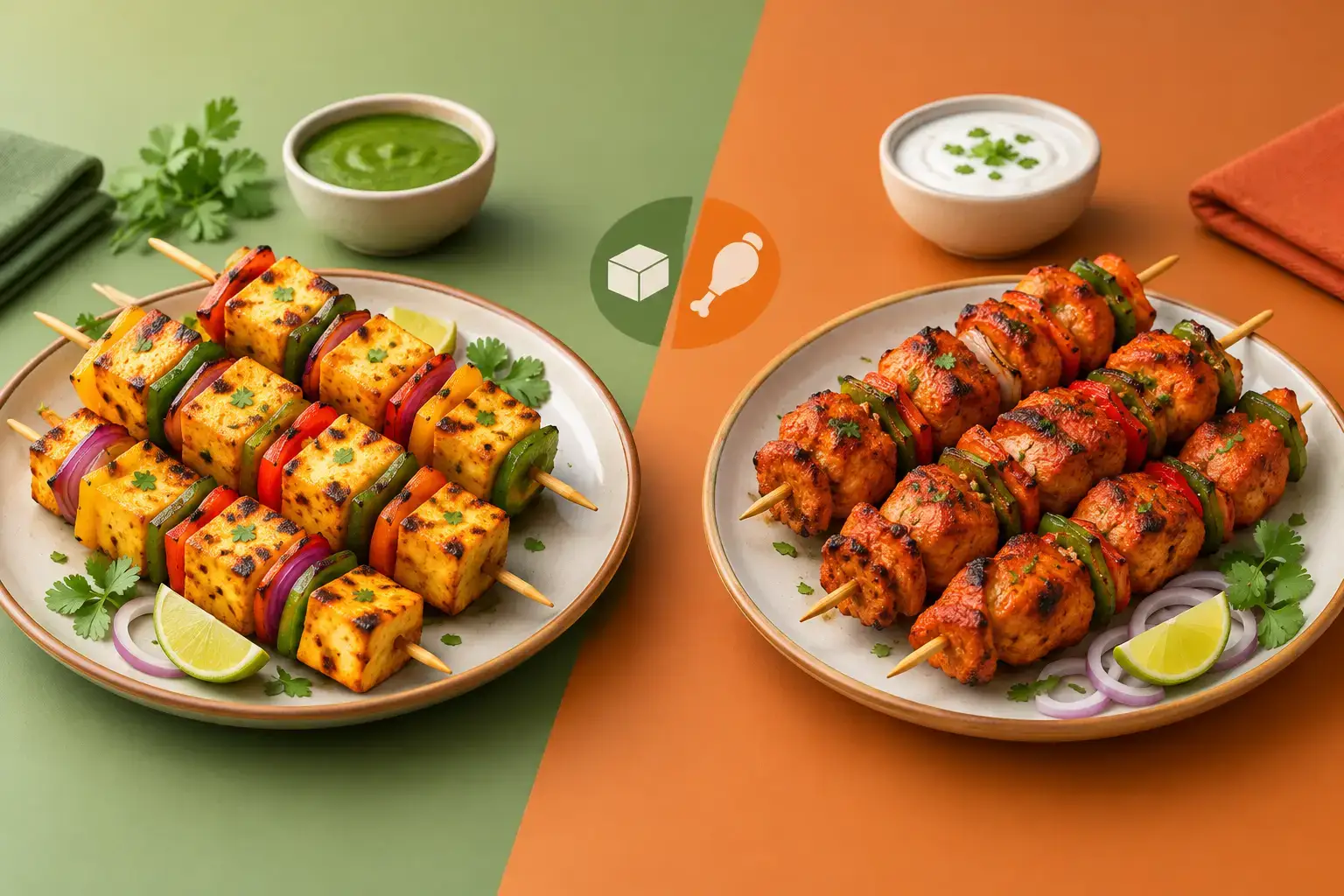
This allergen menu example highlights an easy mistake: vegetarian does not mean allergen-free, and vegan does not automatically mean gluten-free. A vegetable dish may still contain dairy, wheat, sesame, or nuts. Equally, a grilled meat dish can include dairy through a yogurt marinade.
The ingredients that can be easy to miss
Indian cooking is built on layers of flavor, which is part of its appeal. It is also why a quick glance at the menu can be misleading for guests managing allergies.
Dairy appears frequently in the form of yogurt, ghee, butter, cream, paneer, and sometimes milk powder. It adds tenderness to tandoori marinades and a luxurious finish to sauces. A guest avoiding lactose may have different needs from someone with a milk allergy, so it helps to be precise when speaking to the team.
Nuts deserve particular care. Cashews and almonds are often blended into sauces, used as a garnish, or included in festive rice dishes. A creamy curry is not always nut-based, but its texture alone cannot tell you whether it is safe. Ask directly about peanuts and tree nuts, including whether they are present in the dish or handled nearby.
Gluten is another area where assumptions can fall short. Naan, roti, paratha, and many fried starters contain wheat. Rice, lentils, chickpeas, and many curries can be naturally gluten-free, but cross-contact may occur through shared fryers, spoons, worktops, or spice blends. For a medical need, ask how the dish is prepared, not only whether it contains wheat.
Mustard, sesame, celery, and sulfites may be less visible but still relevant. Mustard seeds are used in tempering, sesame may appear in toppings or oils, celery can be present in stocks or prepared seasonings, and sulfites can occur in preserved ingredients. A well-managed restaurant should be able to check the current specification rather than rely on memory.
How to order with confidence
Give the restaurant a clear, direct description of the allergy when booking, ordering online, or speaking with the server. Saying “I cannot have dairy because of a milk allergy” is more helpful than simply saying “no dairy.” It tells the team that even a small amount, garnish, or shared utensil may be significant.
If you are ordering for delivery, include the allergy in the designated order notes and, where possible, call to confirm that the note has been received. Online menus are convenient, but they cannot always explain every preparation detail. A short conversation can be especially valuable for severe allergies.
Ask whether a dish can be adapted without the allergen and whether that adaptation is safe for your level of sensitivity. Removing a cream garnish is different from making a sauce that normally contains cashew paste without nuts. Some changes are simple; others would compromise the recipe or create an unacceptable cross-contact risk. A trustworthy answer may sometimes be that a particular dish cannot be safely offered.
When dining as a group, keep the order easy to identify. If one guest has an allergy, ask for that dish to be clearly marked and placed separately where practical. Shared breads, starters, sauces, and serving spoons can introduce accidental contact after the food leaves the kitchen.
A better way to read dietary labels
Dietary labels are valuable, but they answer different questions. “Vegan” means no animal-derived ingredients in the recipe. “Vegetarian” may still include milk, eggs, and sometimes other allergens. “Gluten-free” refers to gluten ingredients, not dairy, nuts, or sesame. None of these labels alone confirms that a dish is suitable for every allergy.
This is particularly relevant for health-conscious diners who enjoy lighter Indian food. A fresh chickpea salad, grilled tandoori dish, or lentil curry may be a wonderful choice, but suitability still comes down to the exact ingredients and preparation on that day. Authentic cooking and thoughtful dietary service can sit comfortably together when the kitchen has accurate information and the guest communicates clearly.
At Cilantro London, the pleasure of an Indian meal should be the aroma of fresh spices, the warmth of the table, and the confidence to enjoy every bite. Before choosing your next curry, biryani, or tandoori favorite, take a moment to ask the allergy question that matters most to you. Good hospitality begins with listening.