A great curry deserves something ready to catch every last spoonful of sauce. But when you are choosing between warm naan and fragrant basmati, naan versus rice calories can feel less straightforward than it should. Both can belong in a balanced Indian meal. The better choice depends on portion size, how the bread or rice is prepared, and what else is on your plate.
For diners who want the pleasure of authentic Indian food without the heavy takeaway feeling, the answer is rarely to ban one side altogether. It is to choose with a little intention, then enjoy it properly.
Naan Versus Rice Calories at a Glance
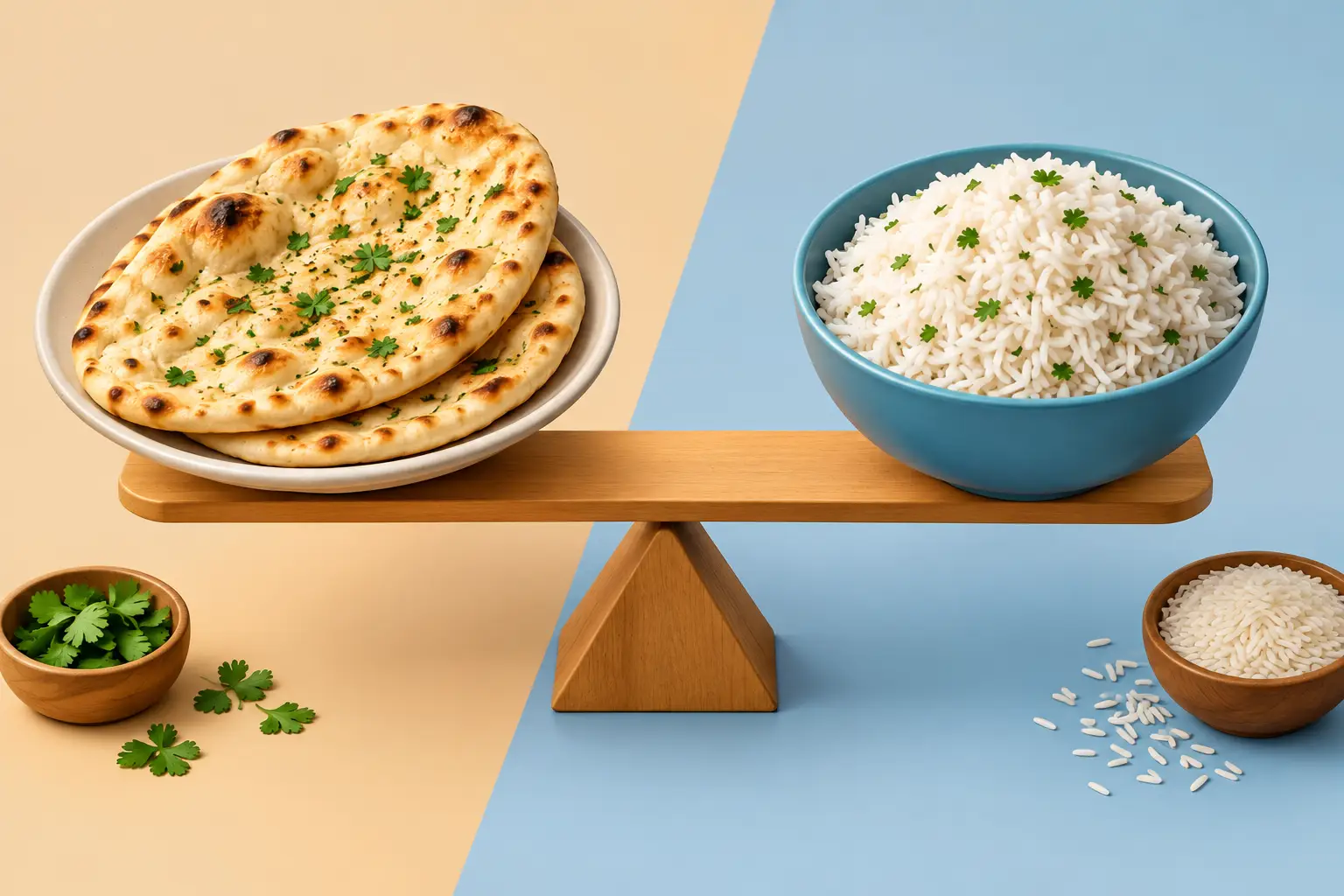
A typical restaurant-style plain naan often contains around 260 to 350 calories per piece. A cup of cooked basmati rice usually has roughly 200 to 240 calories. On that comparison alone, rice is generally the lighter option.
There is a catch: restaurant portions are not always standard. One large naan can be closer to two servings, while a generous mound of rice may be well over one cup. Butter, ghee, oil, and fillings also make a meaningful difference. A plain naan and plain steamed rice are very different choices from butter naan, cheese naan, pilau rice, or a rich stuffed bread.
Calories matter, but they are only one part of a satisfying dinner. The side that keeps you full, fits your dietary needs, and complements your main without encouraging over-ordering may be the smarter choice for you.
Why Naan Usually Has More Calories
Naan is a leavened flatbread traditionally cooked at high heat in a tandoor. Its tender texture comes from a dough that commonly includes refined flour, water, yeast, and sometimes yogurt, milk, oil, butter, or ghee. Those added fats and dairy ingredients give naan its rich, soft character, but they also raise its calorie count.
Rice is simpler. Plain basmati rice is mostly rice and water, so it is naturally lower in fat. It is still a carbohydrate-rich food, but it does not usually carry the extra calories found in enriched bread dough or finishing butter.
The gap widens with popular upgrades. Garlic naan can be brushed with butter or oil. Peshwari naan may contain nuts, coconut, and sugar. Cheese naan adds a substantial amount of fat and calories. Pilau rice, meanwhile, can be cooked with oil or ghee, and may include fried onions or nuts. Neither is “bad,” but these are best treated as more indulgent accompaniments rather than neutral sides.
Portion Size Changes the Picture
A whole naan is easy to eat, especially when a curry has a sauce worth savoring. Yet it can quietly become the largest source of calories on the table. Rice is easier to portion because you can order or serve a smaller scoop, then decide whether you actually need more.
If you are sharing a meal, splitting one naan between two people is often a very satisfying middle ground. You still get the contrast of charred, warm bread with your curry, without turning the side dish into a second main course. The same approach works for rice: share one portion alongside vegetables, lentils, or a protein-focused dish.
A useful visual guide is to let your main lead. Choose a modest portion of rice or half a naan, rather than automatically ordering both for every person. If there are several dishes on the table, this leaves room to enjoy the range of flavors Indian cooking is known for.
Calories Are Not the Whole Nutrition Story
Rice and naan both provide carbohydrates, the body’s most immediate energy source. The difference lies in how they fit into the wider meal.
Plain rice is naturally gluten-free and tends to be lower in sodium and fat when steamed. It can be a practical option for diners avoiding gluten, provided it is prepared separately from ingredients that contain wheat. Basmati rice also has a fluffy texture and aromatic flavor that works beautifully with curries without competing with delicate spices.
Naan offers a little more protein than plain rice in many cases, thanks to wheat flour and occasional dairy in the dough. However, it also contains gluten and can be higher in saturated fat if generously finished with butter or ghee. Its real advantage is enjoyment: naan brings texture, warmth, and a more indulgent sense of occasion to the meal.
Fiber is worth considering, too. Standard white rice and white-flour naan are both relatively low in fiber. If you are looking for a meal that feels more filling and balanced, pair either one with vegetables, chickpeas, lentils, or a tandoori protein rather than relying on a larger bread or rice portion.
Match Your Side to Your Main
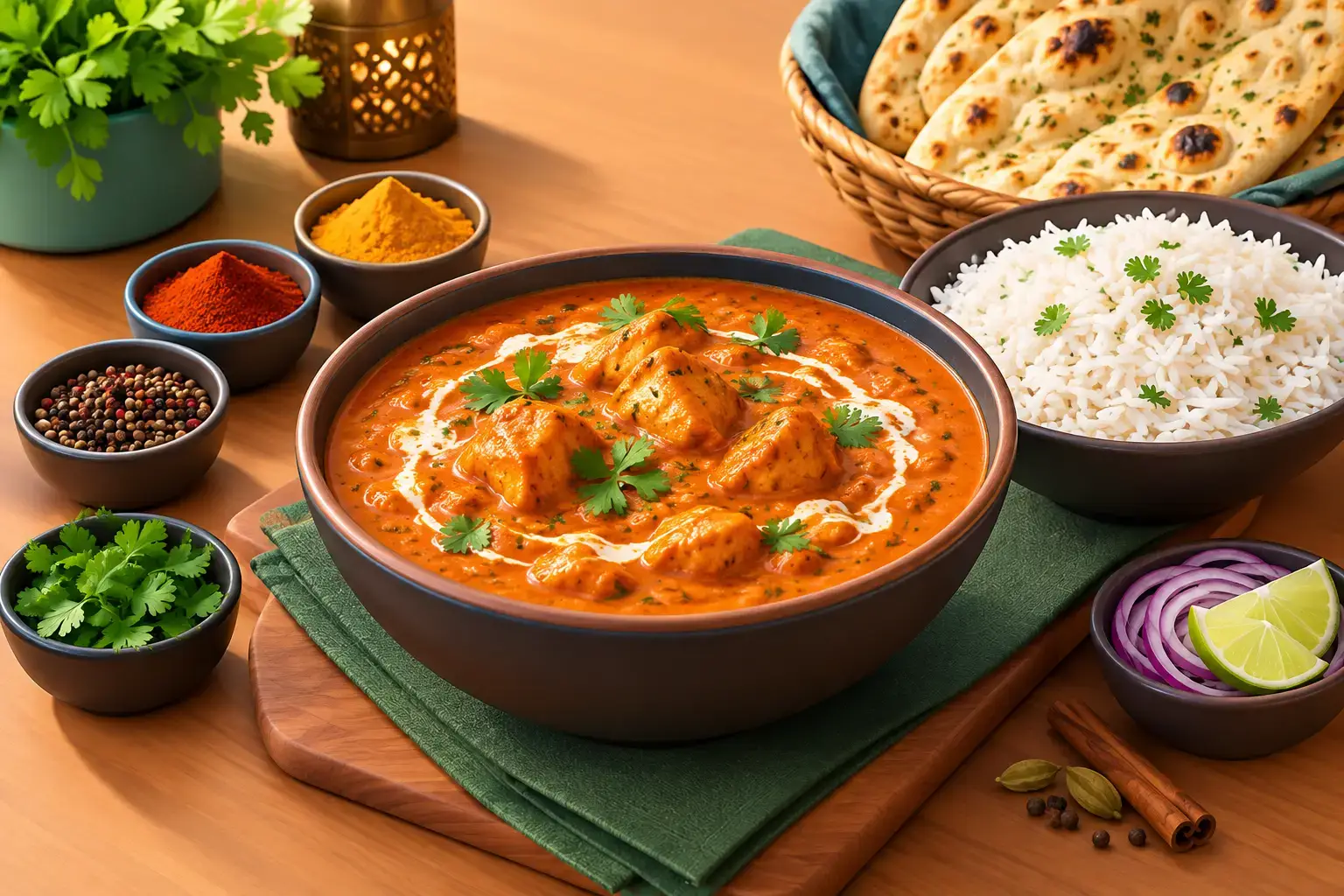
The richest curry is usually where a lighter side makes the most sense. A creamy korma, butter chicken, or paneer dish with a velvety sauce already brings richness from cream, nuts, butter, or cheese. Steamed basmati rice can provide balance while still giving you something to enjoy with the sauce.
With leaner tandoori dishes, grilled fish, or a vegetable-based curry, naan may fit comfortably into the meal. Its soft chew and toasted edges add a satisfying contrast to smoky, spice-led flavors. A plain naan is generally a more measured choice than a cheese-filled or sweetened version.
For biryani, you may not need an additional starch at all. Biryani is a complete rice dish, often layered with protein or vegetables and aromatic spices. A cooling raita, crisp salad, or vegetable side will often create a better balance than adding naan on top.
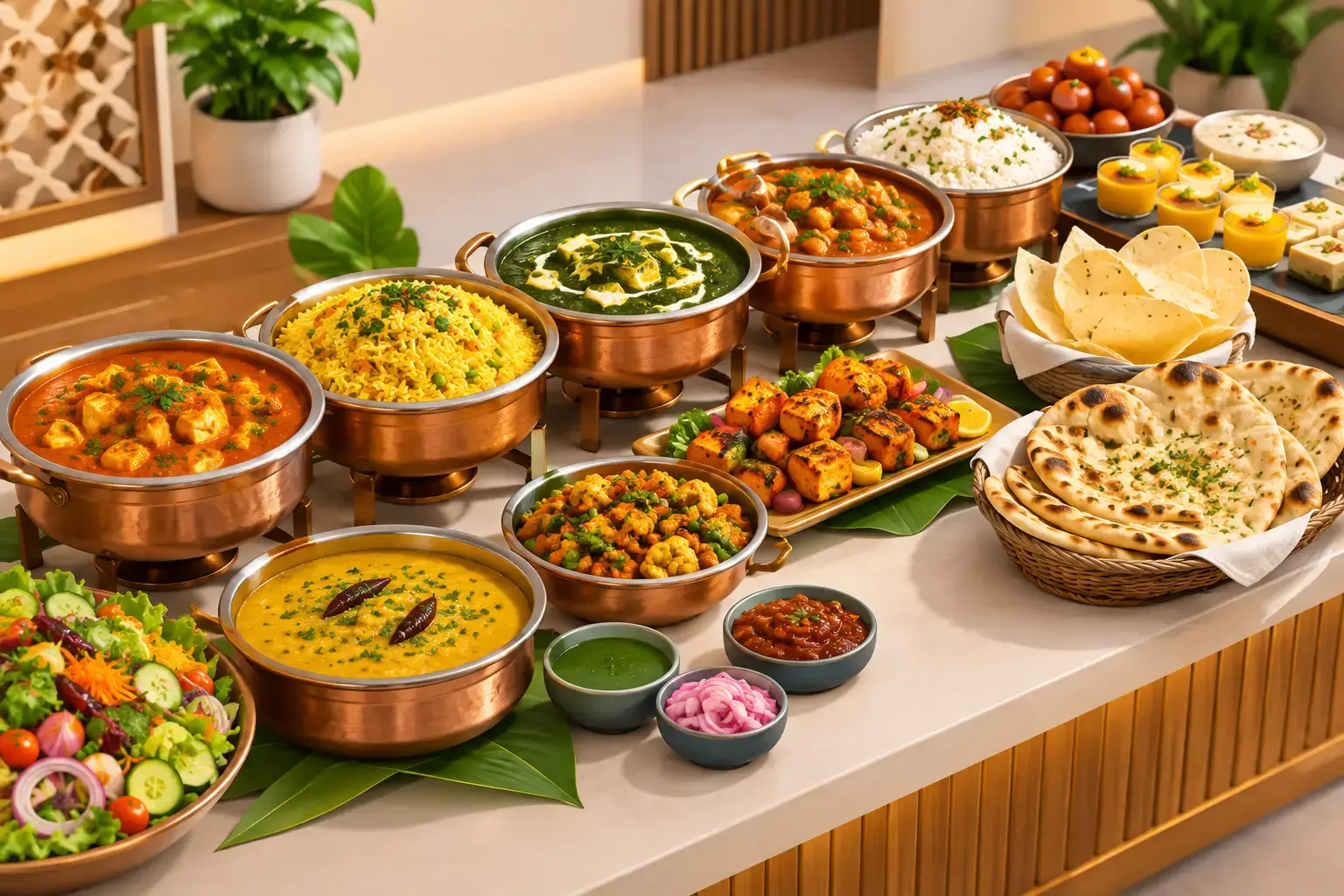
This is also where ordering thoughtfully makes a difference. At Cilantro London, choosing freshly prepared grilled dishes, vegetable sides, and a shared portion of rice or naan can create the kind of generous Indian meal that feels satisfying rather than overly heavy.
Practical Choices for a Lighter Indian Meal
If your priority is lower calories, choose plain steamed basmati rice and keep the portion moderate. If you want naan, choose plain rather than butter, cheese, or stuffed varieties, and consider sharing it. The difference is not about giving up flavor. It is about saving the richer touches for the part of the meal you will enjoy most.
Pay attention to the main dish as well. A grilled tandoori option, tomato-based curry, dal, or vegetable dish can make either side easier to fit into a balanced meal. By contrast, pairing butter naan with a cream-heavy curry and fried appetizer is delicious, but it is naturally a more indulgent occasion.
For takeout at home, plate your food rather than eating directly from the containers. Serve a scoop of rice or a portion of naan first, add your curry, then bring extra food to the table only if you are still hungry. This small pause makes it easier to notice when you have had enough.
The Best Choice Is the One You Will Enjoy
There is no need to treat naan as a guilty pleasure or rice as the only “healthy” option. Plain rice is usually lower in calories and fat, while naan is richer, more filling, and deeply satisfying when it is part of the experience you want. Dietary needs matter, too: rice is the clear choice for many gluten-free diners, while naan may be the perfect shared addition for a relaxed dinner with friends or family.
Choose rice when you want a lighter base for a rich curry. Choose naan when its warm, tandoor-baked texture is the moment you are looking forward to most. A well-portioned side, a flavorful main, and a table full of good company will always make the meal feel more complete than chasing the lowest number alone.