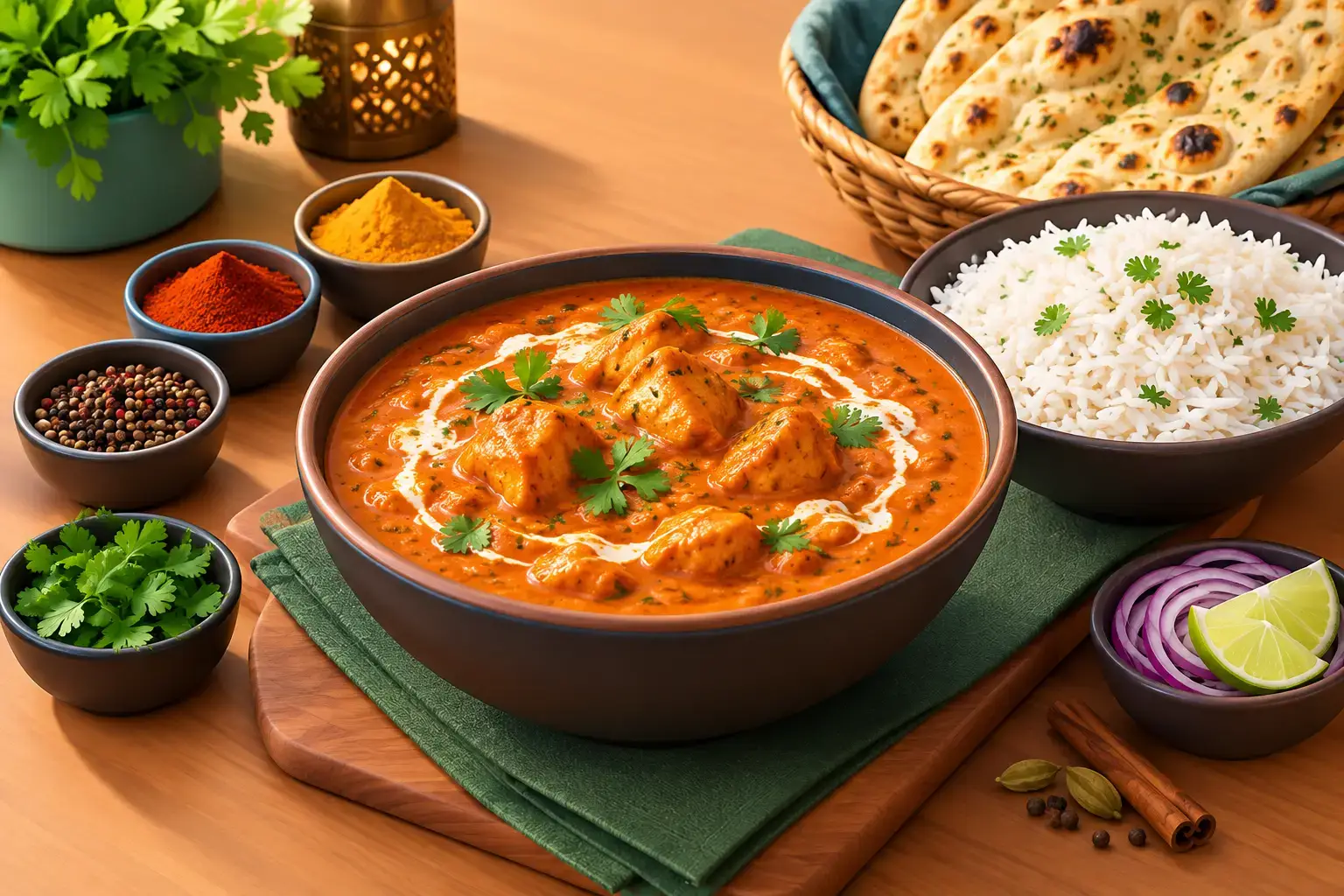
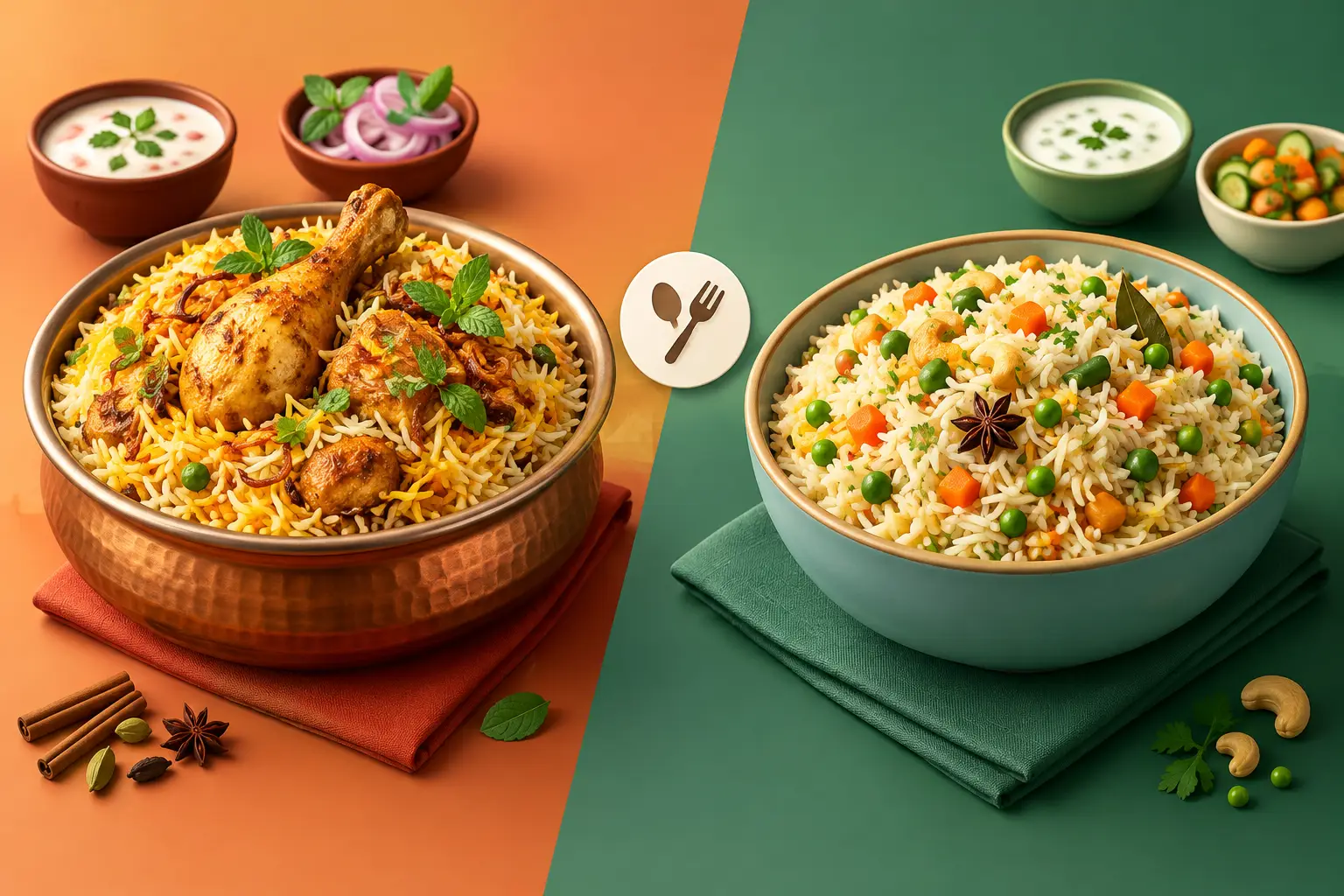
Aromatic rice arrives at the table, the lid lifts, and suddenly the choice feels less simple than it did on the menu. In the conversation around biryani versus pulao, both dishes offer fragrance, warmth, and satisfying comfort, but they are built for very different moments. One is often a centerpiece with layers of spice and slow-cooked character; the other can be an elegant, lighter companion to a full Indian meal.
For diners who love Indian food but want to choose with confidence, understanding the difference is useful. It helps you order the right dish for a quick weeknight dinner, a family meal, a celebration, or a table filled with curries, tandoori cooking, and fresh sides.
Biryani versus pulao: the essential difference
The clearest distinction is in the cooking method. Biryani is traditionally a layered rice dish. Fragrant basmati rice and a spiced meat, seafood, or vegetable preparation are cooked separately, then assembled and finished together, often using a gentle covered cooking process called dum. Steam works its way through the layers, allowing the rice to absorb the aroma of whole spices, herbs, saffron, and the savory juices below.
Pulao, also called pilaf, is generally cooked in one pot. Rice is lightly fried or toasted with spices before stock or water is added, along with vegetables, meat, or other ingredients. Everything cooks together, giving the grains a more even, understated flavor rather than distinct layers of seasoning.
That is the traditional rule, but Indian cooking is wonderfully regional and personal. Recipes vary between homes, cities, and restaurants. Some pulaos are richly seasoned, while some biryanis are delicate and aromatic rather than fiery. The name on the menu tells part of the story; the chef’s technique tells the rest.
What makes biryani feel so special?
Biryani is designed to make an impression. Each spoonful may bring fluffy rice, tender protein or vegetables, fried onions, mint, cilantro, warming spices, and a little richness from the cooking process. Good biryani has contrast: some grains are gently perfumed, others are more deeply seasoned, and the filling brings moisture and depth without turning the rice soft.
Its spice profile is usually more complex than pulao’s. You may notice cardamom, cloves, cinnamon, bay leaf, cumin, pepper, saffron, mace, or nutmeg, balanced with yogurt, ginger, garlic, chilies, and herbs. These spices should create aroma and warmth, not simply heat. A carefully made biryani is full-flavored without being overwhelming.
Because it is substantial, biryani can easily be the main event. Chicken, lamb, prawn, and vegetable versions all work as complete meals, especially with a cooling raita or a crisp salad. It is a natural choice for sharing at home, relaxed celebrations, and evenings when you want a dish with a little ceremony.
Biryani does take more preparation. The separate cooking stages, careful timing, and final steaming require attention. That effort is why a well-made version feels more composed than ordinary flavored rice. It also means quality matters: rice should remain separate and light, while the filling should be tender and properly seasoned.
Why pulao deserves more attention
Pulao is sometimes treated as biryani’s quieter cousin, but that misses its appeal. A good pulao is refined in its simplicity. The rice is fragrant, the ingredients are evenly distributed, and the spices support the meal instead of competing with it.
It is especially well suited to a table with several dishes. A vegetable pulao alongside dal, tandoori cooking, a gently spiced curry, and fresh salad creates a balanced meal with room for every flavor. It can also be the more comfortable choice when you want aromatic rice but prefer a dish that feels less rich.
The word lighter does not mean bland. Pulao can carry the perfume of cumin, cardamom, cloves, cinnamon, and bay leaf, with sweetness from peas, carrots, onions, or raisins in some regional styles. The difference is restraint. Rather than delivering several distinct layers in every bite, pulao offers a consistent, clean flavor from start to finish.
For a weekday takeaway or a lunch that needs to leave you energized rather than overly full, pulao often makes sense. Its character pairs easily with dishes that already have a rich sauce or smoky tandoori notes.
Flavor, texture, and richness at a glance
If you are choosing between them, think about the role rice will play in the meal. Biryani is more likely to be a stand-alone dish. It has a deeper spice presence, more textural variation, and a fuller sense of occasion. Pulao is usually more adaptable, offering a gentler aroma and an even texture that complements other dishes.
Texture matters, too. In biryani, the best grains are long, separate, and delicately steamed, while the filling may be tucked between layers. In pulao, rice and additions cook together, producing a unified dish where every spoonful feels similar. Neither approach is better. It depends on whether you are looking for drama or balance.
Richness also depends on the recipe, not just the name. A vegetable biryani prepared with measured oil, fresh herbs, and carefully cooked rice can feel surprisingly balanced. A pulao made with ghee, nuts, and a rich stock can be more indulgent than expected. For diners seeking a health-conscious choice, asking how a dish is prepared is more useful than assuming one is always lighter.
Choosing the right dish for your meal
Order biryani when you want rice to be the focus. It suits a dinner for two, a family gathering, or a night when one generous dish needs to satisfy everyone. It also travels well for takeaway when prepared with care, because the covered rice retains its aroma and moisture.
Choose pulao when you are building a broader spread or want something fragrant beside your main. It works particularly well with creamy curries, lentils, grilled proteins, and vegetable dishes, where a more assertive rice dish could make the plate feel too heavy.
Vegetarian diners have excellent options with both. Vegetable biryani can be colorful and celebratory, with seasonal vegetables, herbs, and whole spices providing plenty of depth. Vegetable pulao offers a calmer, flexible alternative, particularly alongside vegan-friendly curries or salads. Gluten-free diners can often enjoy both rice dishes, though it is always wise to check the individual preparation and any accompaniments.
At Cilantro London, the best choice comes down to the experience you want from your meal: a fragrant biryani for a satisfying centerpiece, or a carefully spiced pulao to bring balance to the rest of the table. Fresh preparation, well-cooked rice, and thoughtful spice are what make either dish memorable.
Common questions about biryani and pulao
Is biryani spicier than pulao?
Often, but not always. Biryani typically uses more layers of seasoning and a broader range of aromatics, which can make it taste bolder. Spice heat is separate from spice complexity, though. A biryani can be aromatic and mild, while a pulao can include chilies if the recipe calls for them.
Is pulao healthier than biryani?
It can be, particularly when it is prepared with vegetables, modest oil, and a light stock. Yet the overall meal matters more than a label. Portion size, the protein or vegetables used, cooking fat, and side dishes all influence how satisfying and balanced your dinner feels.
Can pulao be eaten on its own?
Absolutely. A pulao with vegetables, paneer, chicken, or lamb can make a complete meal. Still, its gentle flavor means it shines beside a curry, dal, or grilled dish when you want a more varied table.
The most rewarding choice is not about declaring a winner. Choose biryani when you are craving layered aroma and a meal with presence. Choose pulao when you want fragrant rice that leaves space for everything else on the table. Either way, the pleasure is in rice cooked with patience, spices used with care, and a meal that feels generous without feeling heavy.