A great curry should leave you satisfied, not ready for a nap. That simple expectation is behind many of the curry wellness trends changing how people order Indian food: more attention to fresh ingredients, vegetable-forward plates, thoughtful portions, and cooking that lets spices do the talking rather than relying on excess oil or cream.
For diners who love the comfort of a proper Indian meal but want it to fit naturally into a busy week, this is not about stripping away flavor. It is about choosing dishes made with care, enjoying variety across the table, and recognizing that authentic Indian cooking has always had room for lentils, vegetables, grilled proteins, herbs, and fragrant spices.
Why Curry Wellness Trends Are Here to Stay
The old takeaway stereotype is familiar: rich sauces, generous oil, oversized portions, and a meal saved only for a Friday night treat. There is still a place for an indulgent curry when the occasion calls for it. But many people now want the same warmth and depth on a Tuesday evening after work, a family dinner, or a relaxed meal shared with friends.
That shift has encouraged a more considered approach to Indian dining. Guests are asking how dishes are prepared, whether vegetarian and vegan options feel like complete meals rather than afterthoughts, and whether gluten-free choices are genuinely integrated into the menu. They are also looking for food that travels well for delivery without becoming heavy or one-note.
The best answer is not a watered-down version of Indian cuisine. It is a kitchen that respects traditional recipes while using fresh produce, carefully layered spices, quality proteins, and made-to-order preparation. A tomato-based curry can be vibrant without being overly rich. A tandoori dish can be deeply charred and aromatic without being fried. Dal can be comforting, filling, and beautifully balanced.
Lighter Cooking Does Not Mean Less Flavor
One of the most useful developments in modern Indian dining is the return to techniques that put flavor before heaviness. Roasting, grilling, simmering, and tempering spices in measured amounts of oil create complexity that does not depend on a thick, creamy sauce.
Tandoori cooking is a clear example. Meat, fish, paneer, or vegetables are marinated with yogurt, ginger, garlic, and spices, then cooked at high heat. The result has smoke, color, and tenderness, with a satisfying intensity that pairs naturally with salad, vegetables, or a simple side of rice. It can be an excellent choice when you want a meal that feels special but not overwhelming.
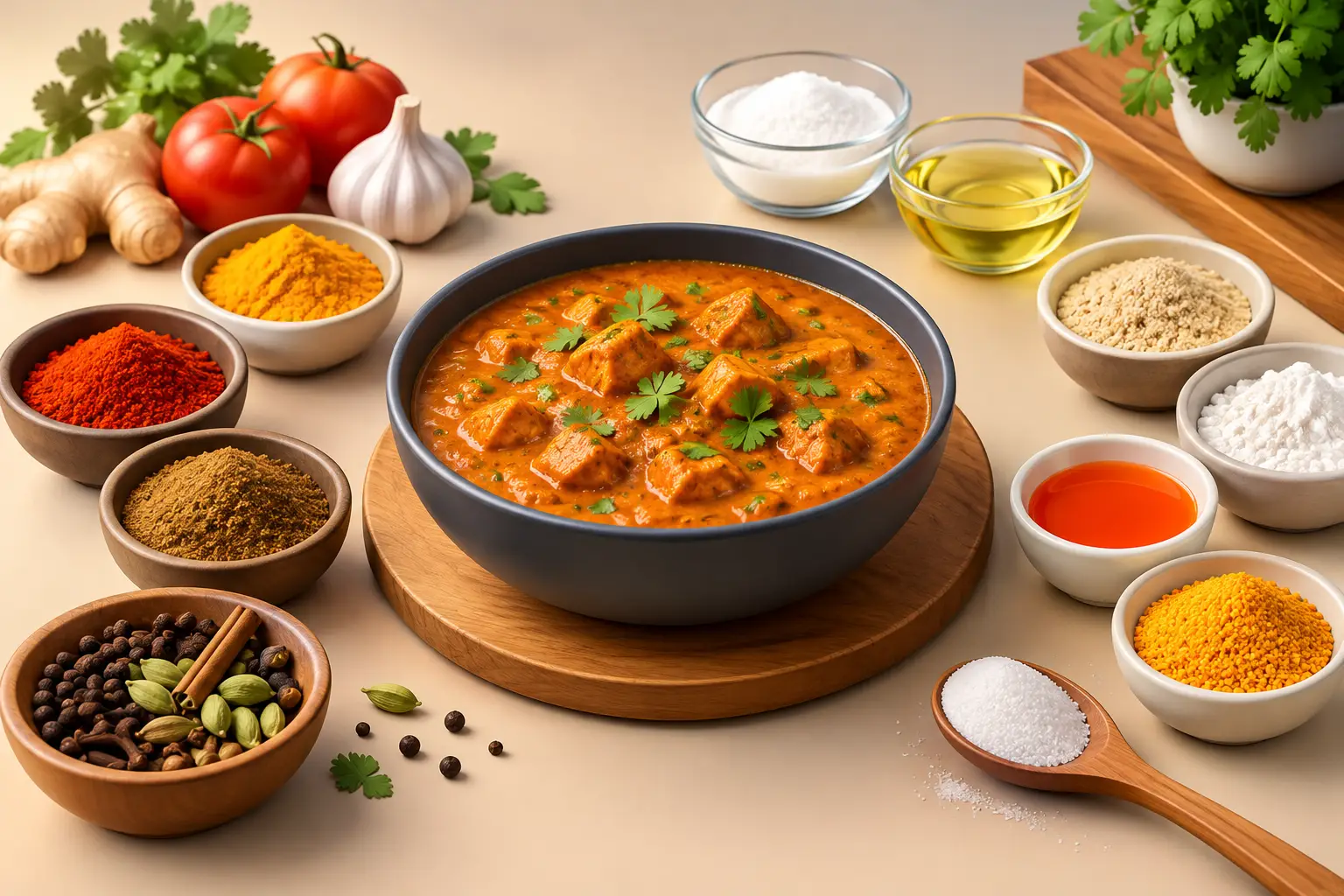
Tomato, onion, spinach, lentil, and vegetable-based curries also offer plenty of character. Their appeal comes from the patient building of flavors: cumin warming in the pan, ginger and garlic adding sharpness, turmeric bringing earthiness, and fresh cilantro lifting the finished dish. Cream and butter can still have a role, particularly in classic celebratory dishes, but they do not need to be the default measure of quality.
This is where balance matters. A rich curry shared alongside grilled vegetables and dal can feel more satisfying than two heavy mains eaten separately. Wellness is not always about choosing the lightest item on the menu. Often, it is about building a meal with contrast.
The spice cabinet has always done more than add heat
Indian spices are central to these changing preferences, although their role is sometimes misunderstood. Chili is only one part of the picture. Coriander can taste citrusy and warm; cardamom can add a floral note; black pepper brings a direct, lingering heat; fenugreek gives certain curries their unmistakable savory depth.
People are increasingly drawn to food with real flavor because it makes a meal feel complete. When spices, herbs, acidity, and texture are handled well, there is less need to chase satisfaction through extra salt, sugar, or richness. That does not make every curry a health food, nor should it. It simply reflects the intelligence of a cuisine built on balance.
Plant-Forward Dining Has Become a Main Event
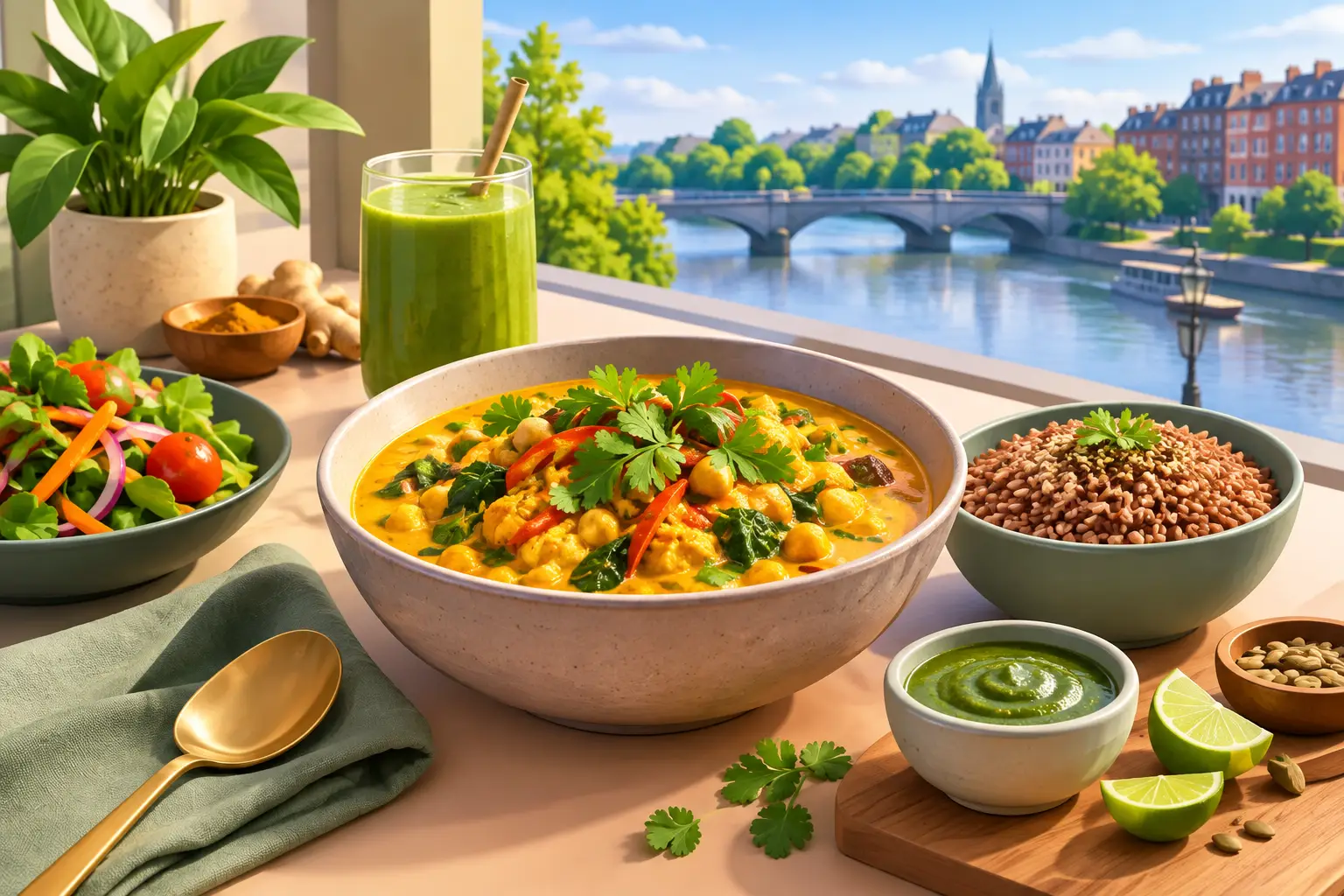
Vegetarian Indian food has never been a compromise, and current dining habits are finally catching up with that fact. Chickpeas, lentils, kidney beans, cauliflower, eggplant, spinach, peas, and paneer all carry a meal with confidence. Vegan diners can find equally satisfying choices when a kitchen understands how to make vegetables and pulses the centerpiece rather than a substitution.
A well-cooked dal is one of the strongest examples. It is hearty, fragrant, and adaptable, whether enjoyed with rice, roti, or a fresh salad. Chana dishes bring texture and depth, while vegetable curries can change with the season and still feel rooted in familiar Indian flavors. These are the kinds of dishes that work for mixed groups, where one person wants a plant-based meal, another prefers chicken, and everyone wants a table full of food worth sharing.
For guests managing dietary preferences, clear preparation matters as much as menu labels. Gluten-free diners may prefer naturally gluten-free curries served with rice, while vegan guests may want confirmation on dairy, ghee, and yogurt. A thoughtful restaurant welcomes those questions and helps guests order with confidence.
Smarter Ordering for a Balanced Indian Meal
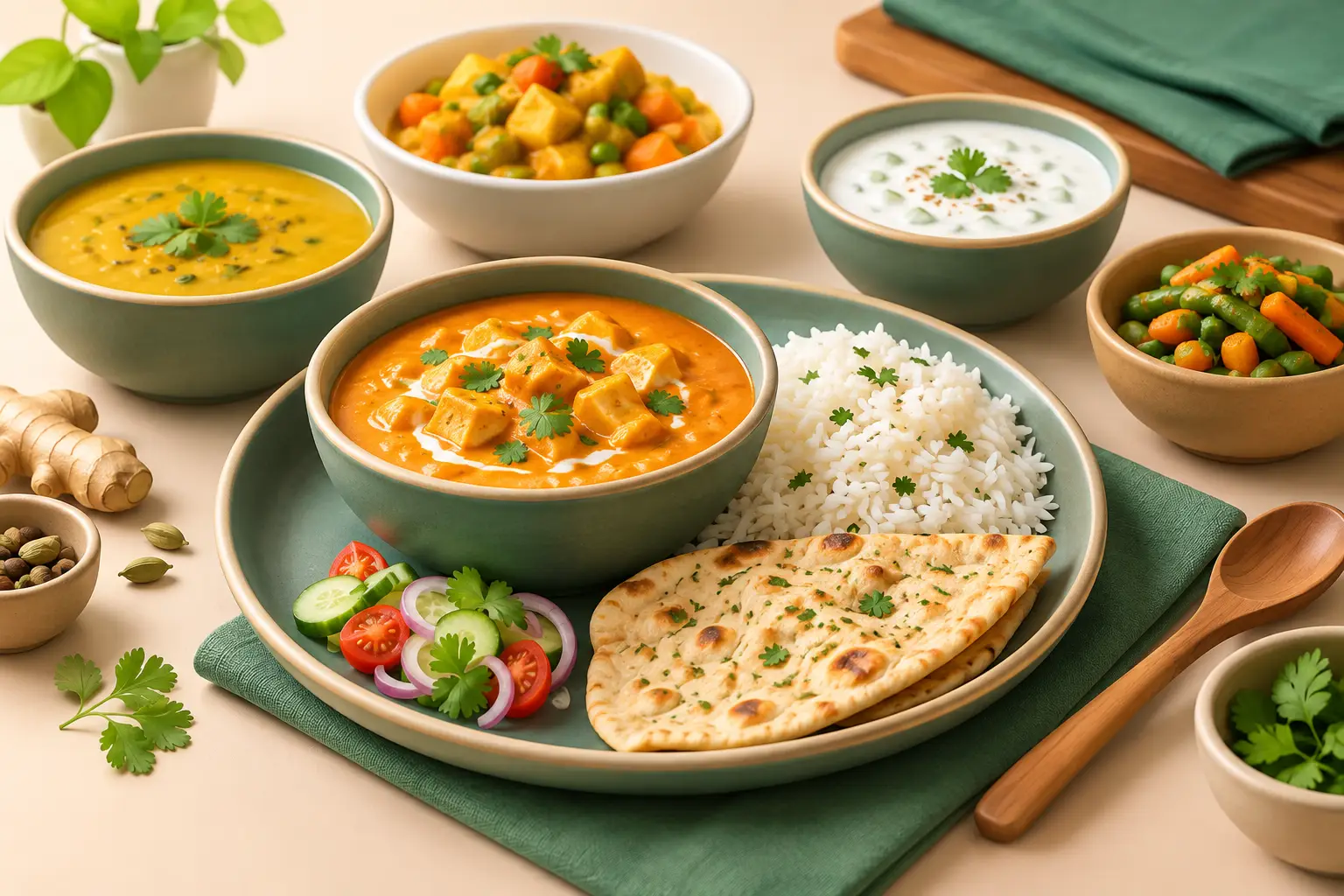
A more balanced order does not require rules or sacrifice. Start with the meal you actually want, then add sides that bring freshness and variety. If you are choosing a richer curry, consider pairing it with a tandoori starter, a vegetable dish, or dal. If grilled dishes are your focus, a flavorful curry can provide the comforting sauce element without making the entire table feel heavy.
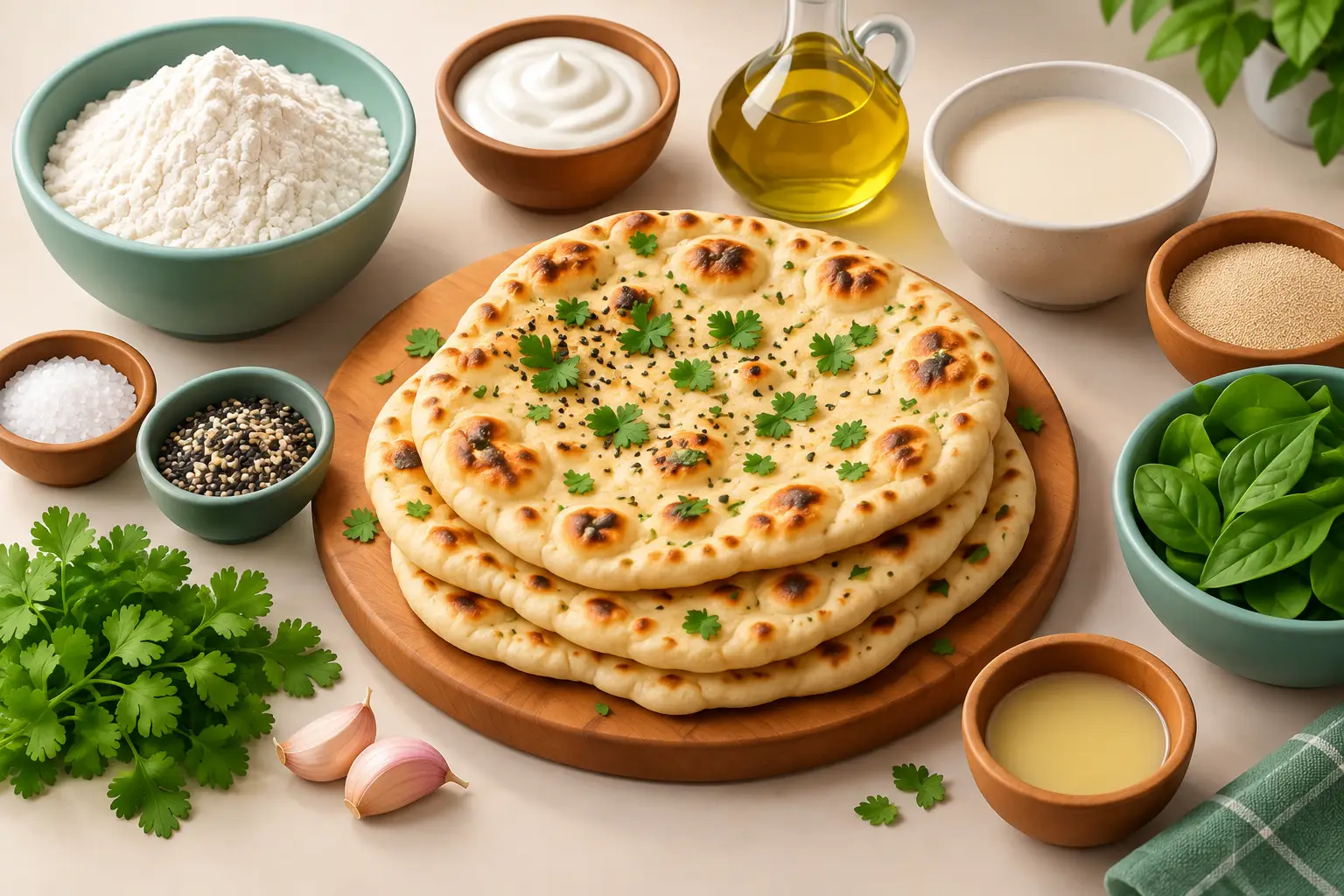
Rice and bread deserve the same consideration. Fragrant basmati rice is a classic partner for saucy dishes, while whole-wheat roti can be a lighter way to enjoy a curry when you prefer a more modest portion. Neither is automatically better. It depends on the dish, your appetite, and whether you are sharing.
Portioning is another quiet part of the wellness conversation. Ordering several dishes for the table gives everyone more range and can prevent the all-or-nothing feeling of one large, rich entrée. It also turns dinner into what Indian food does best: a sociable experience of passing, tasting, and finding your favorite combination.
For takeaway and delivery, choose dishes that will still taste lively when they arrive. Tandoori items, lentils, vegetable curries, biryani, and dishes with structured sauces often travel especially well. Add a fresh side if available, and serve the food promptly once it arrives so the textures and aromas are at their best.
A Better Standard for Neighborhood Takeaway
Wellness-minded dining should not feel clinical or restrictive. It should feel like being looked after: food prepared freshly, recipes treated with respect, dietary needs taken seriously, and every dish delivering the flavor you came for.
At Cilantro London, that means bringing a more refined, balanced approach to authentic Indian favorites for diners in Putney and nearby neighborhoods. Whether you are planning a relaxed dinner out, feeding the family, or ordering after a long day, the goal is the same: generous Indian flavor, prepared with care.
The most lasting curry wellness trend is simply this: choose Indian food that makes you feel well fed in every sense of the phrase. Order the dish you are craving, add something fresh or plant-forward to the table, and let a thoughtfully prepared meal do what it should – bring comfort, color, and good company to the evening.