
A satisfying Indian meal does not need cream, butter, or paneer to feel generous. Some of the best dairy free curry dishes are naturally built around slow-cooked lentils, tomatoes, onions, fresh ginger, whole spices, and coconut – ingredients that create depth without leaving you feeling weighed down. For diners avoiding dairy because of an allergy, intolerance, dietary preference, or vegan lifestyle, the key is knowing which dishes are traditionally dairy-free and which need a quick conversation with the kitchen.
At its best, dairy-free Indian food is not a compromise. It is bright, aromatic, warming, and full of texture. A carefully prepared curry can deliver roasted spice, tangy tomato, silky coconut, or earthy lentils without relying on a finish of cream or ghee.
What Makes a Curry Dairy Free?
A curry is dairy-free when it contains no milk, cream, yogurt, butter, ghee, paneer, or milk-based garnish. That sounds simple, but dairy can appear in places that are not obvious from a dish name. A marinade may use yogurt to tenderize meat, a sauce may be enriched with cream, and ghee may be used for tempering spices or cooking rice.
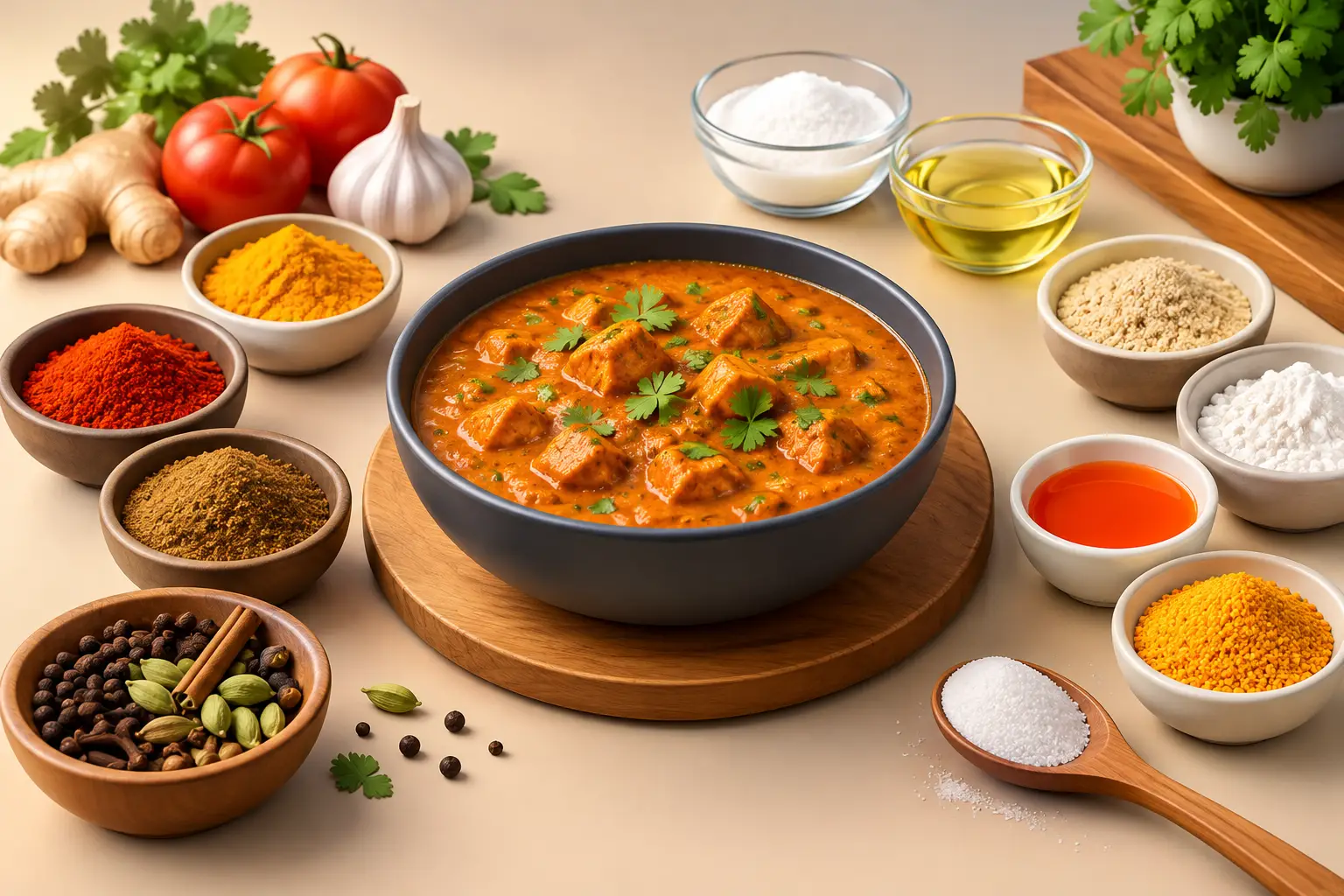
Traditional Indian cooking offers plenty of naturally dairy-free foundations. Onion and tomato masalas, coconut-based sauces, tamarind, lentils, chickpeas, fresh herbs, and spices such as cumin, coriander, turmeric, cardamom, and mustard seeds all bring character on their own. The final preparation matters, though. The same style of curry can vary from one kitchen to another.
If you are ordering for a dairy allergy, be clear that you need the dish to be prepared without dairy and ask about cross-contact. For a preference or lactose intolerance, asking whether a curry contains cream, butter, yogurt, or ghee will usually point you toward the right choice. Vegan diners should also check for egg and other animal products, rather than assuming dairy-free automatically means vegan.
10 Best Dairy Free Curry Dishes for Full Flavor
1. Chana Masala
Chana masala is one of the most dependable choices on an Indian menu. Chickpeas are simmered in a lively sauce of tomato, onion, ginger, garlic, and warming spices, often with a squeeze of lemon or a touch of tangy dried mango powder. It is hearty enough for dinner, yet naturally lighter than rich cream-based curries.
It works especially well with plain basmati rice or dairy-free roti, if the bread is made without butter or milk. Ask for no ghee on the rice and no butter brushed over the bread.
2. Dal Tadka
Comforting, deeply savory, and deceptively simple, dal tadka is made from cooked lentils finished with a fragrant tempering of spices. The usual flavor profile includes garlic, cumin, turmeric, chili, and fresh cilantro. It is a wonderful choice when you want warmth and substance without a heavy sauce.
The point to check is the tadka itself. Some kitchens prepare it in ghee, while others can use vegetable oil. A dairy-free version retains all the aroma and makes an excellent companion to rice, vegetables, or a dry tandoori-style dish.
3. Tarka Dal
Tarka dal is closely related to dal tadka, though names and recipes differ across regions and restaurants. Expect mellow lentils with a seasoned oil finish and a comforting, home-style character. It is one of the best dairy free curry dishes for families and mixed orders because it is approachable, nourishing, and easy to pair with bolder mains.
Like dal tadka, confirm the cooking fat. That one question turns a potentially uncertain choice into a reliably dairy-free one.
4. Aloo Gobi Curry
Potatoes and cauliflower make a brilliant canvas for Indian spices. In a curry-style preparation, they absorb the flavor of ginger, tomato, cumin, and coriander while keeping a satisfying bite. Aloo gobi is often naturally vegan, and its dry-to-medium sauce makes it a good choice for anyone who prefers a less rich meal.
It can be mild or pleasantly spicy depending on the kitchen. If you enjoy heat, ask for extra green chili; if you are sharing with children, request a gentler level of spice without losing the dish’s fragrant character.
5. Baingan Bharta
Baingan bharta begins with eggplant that has been roasted until smoky and soft, then cooked with onion, tomato, ginger, garlic, and spices. The result is velvety without requiring dairy, with a distinctive fire-roasted flavor that feels more layered than a standard vegetable curry.
Not every version is dairy-free by default, since some recipes add ghee or a creamy finish. When prepared with oil, it is a standout option for diners looking for something smoky, savory, and plant-forward.
6. Vegetable Jalfrezi
For a curry with freshness and crunch, choose vegetable jalfrezi. Colorful vegetables are cooked quickly with peppers, onions, tomatoes, and green chilies, creating a brighter, livelier sauce than a slow-simmered creamy curry. It is ideal when you want your meal to feel vibrant rather than overly rich.
Jalfrezi is usually a strong dairy-free candidate, but it is still worth confirming the cooking oil and any finishing butter. The dish is often naturally gluten-free as well, though that should be checked separately if needed.
7. Coconut Vegetable Curry
Coconut milk can give a curry a soft, rounded texture while keeping it entirely dairy-free. A coconut vegetable curry might include seasonal vegetables, spinach, chickpeas, or lentils, balanced with ginger, curry leaves, mustard seeds, and gentle chili. It is a lovely choice for anyone who misses the texture of a creamy curry but does not want dairy.
Coconut has a mild sweetness, so this style is particularly good with tart, spicy, or herbaceous notes. It is less tomato-forward than chana masala and more mellow than jalfrezi, making it an easy crowd-pleaser.
8. South Indian-Style Fish Curry
Fish curry prepared with coconut, tamarind, tomato, and spices can be one of the most elegant dairy-free choices on the menu. The sharpness of tamarind cuts through the richness of the fish, while coconut rounds out the sauce. It feels light, fragrant, and especially satisfying with steamed rice.
The important distinction is style. A coastal or South Indian-inspired fish curry is often dairy-free, while a restaurant’s house fish curry may use cream or butter. Ask how the sauce is made before ordering.
9. Chicken Madras Without Dairy
Madras-style curries are known for a more assertive spice profile, often built on tomato, chili, coriander, cumin, and aromatic whole spices. A traditional-style chicken Madras does not need cream to be full-bodied. When made with oil rather than ghee, it can be an excellent dairy-free choice for those who like a confident, warming heat.
It is not necessarily the best pick for a very mild palate. Heat levels vary widely, so ask the restaurant to tailor the spice if you want the flavor of Madras without its full chili intensity.
10. Lamb or Chicken Rogan Josh, Prepared Without Yogurt
Rogan josh is prized for its deep color, fragrant spice, and slow-cooked meat. Depending on the regional approach, it may be made with yogurt or may rely more heavily on browned onions, tomatoes, and spices. That makes it a dish worth requesting rather than assuming is dairy-free.
When a kitchen can prepare it without yogurt, cream, butter, or ghee, rogan josh offers a rich, celebratory curry experience with real complexity. It is a good option for a special dinner when you want something more substantial than a vegetable or lentil dish.
How to Order Dairy-Free Indian Food With Confidence
Start by telling the restaurant what you need before naming the dish. Saying, “I need a dairy-free meal, including no ghee, butter, cream, yogurt, milk, or paneer,” gives the kitchen useful detail. If the concern is an allergy, mention that clearly so the team can advise on preparation and cross-contact.
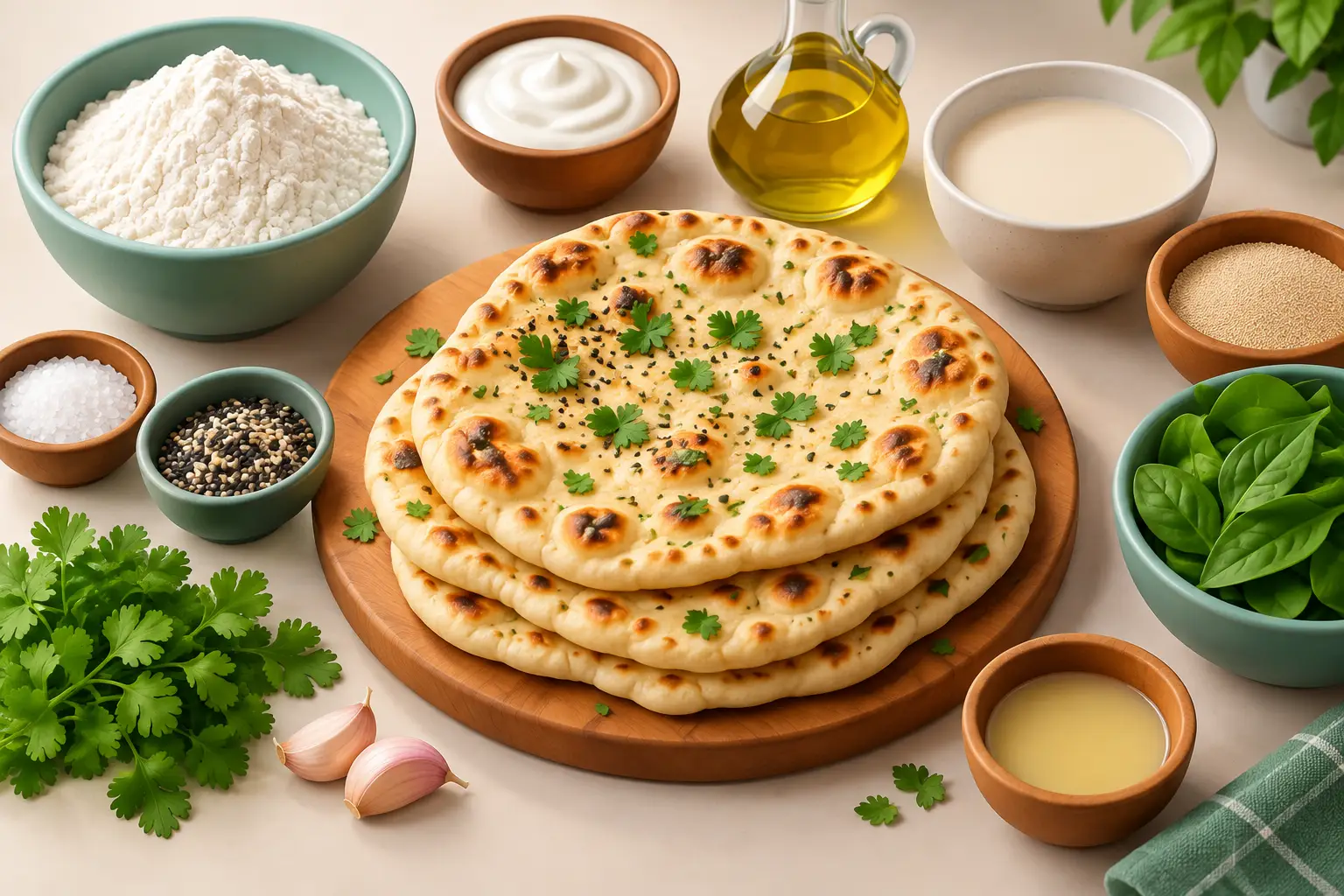
Then look beyond the curry. Rice may be finished with ghee, naan commonly contains dairy, and chutneys or side dishes can include yogurt. Plain steamed basmati rice is often the easiest accompaniment, while roti, chapati, or other breads should be checked individually. Papadums can be a useful addition, but ingredients and frying methods vary.
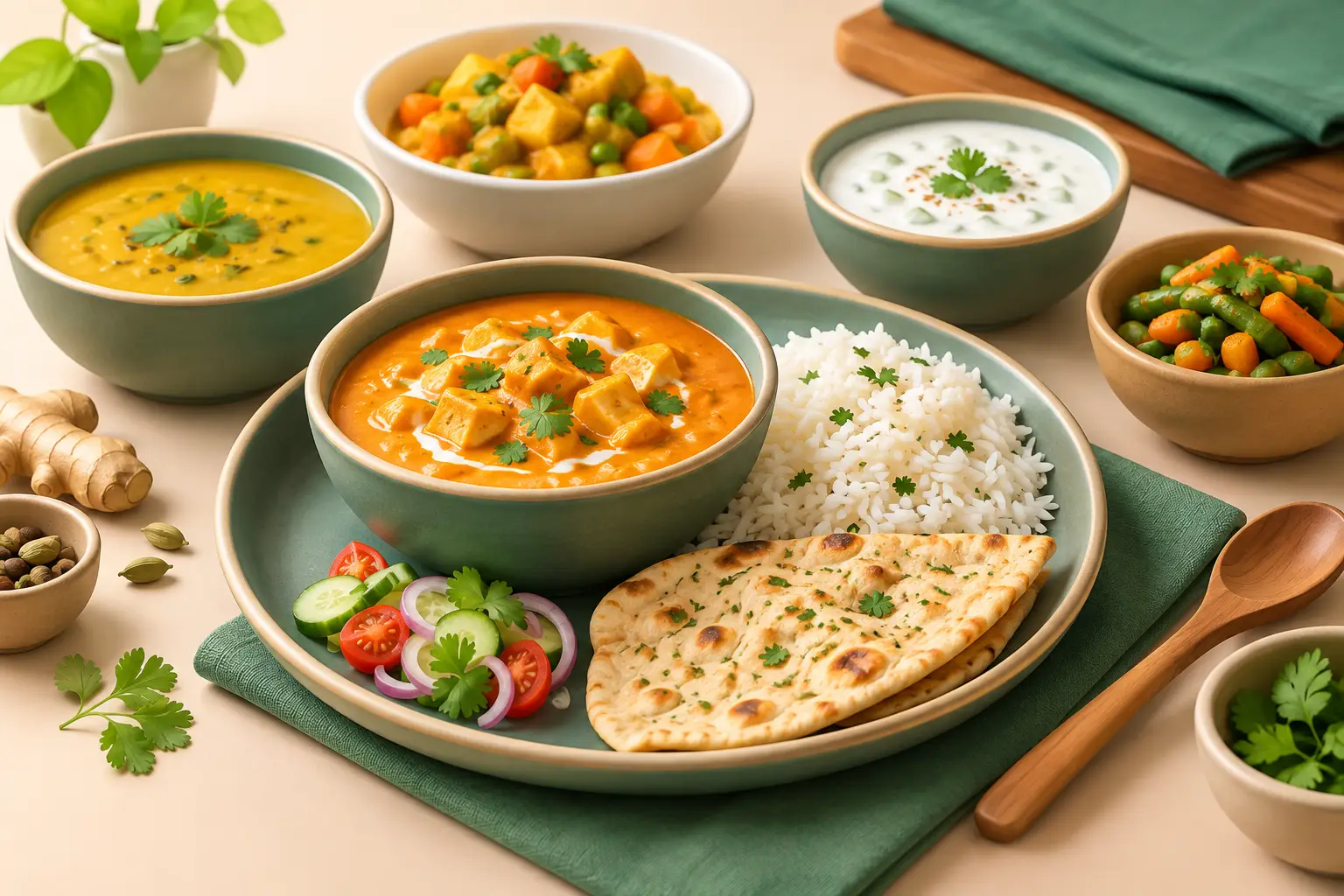
A balanced dairy-free order often combines one lentil or chickpea dish, one vegetable curry, and one protein-based curry if desired. This gives the table contrasting textures and sauces without making every dish feel the same. A tomato-based chana masala, smoky baingan bharta, and coconut fish curry, for example, offer three very different experiences.
Fresh Flavor, Made Around Your Needs
A good restaurant should make dietary requests feel straightforward, not awkward. At Cilantro London, the focus on made-to-order Indian cooking means diners can ask informed questions about ingredients and choose dishes that suit their needs while still enjoying authentic spice and generous flavor.
For a relaxed dinner at home in Putney, a family meal, or a table shared with friends, choose the curry you genuinely want first, then let the kitchen guide the preparation. The most memorable dairy-free meal is not the one that merely leaves ingredients out. It is the one that replaces nothing because the spices, freshness, and care were always enough.