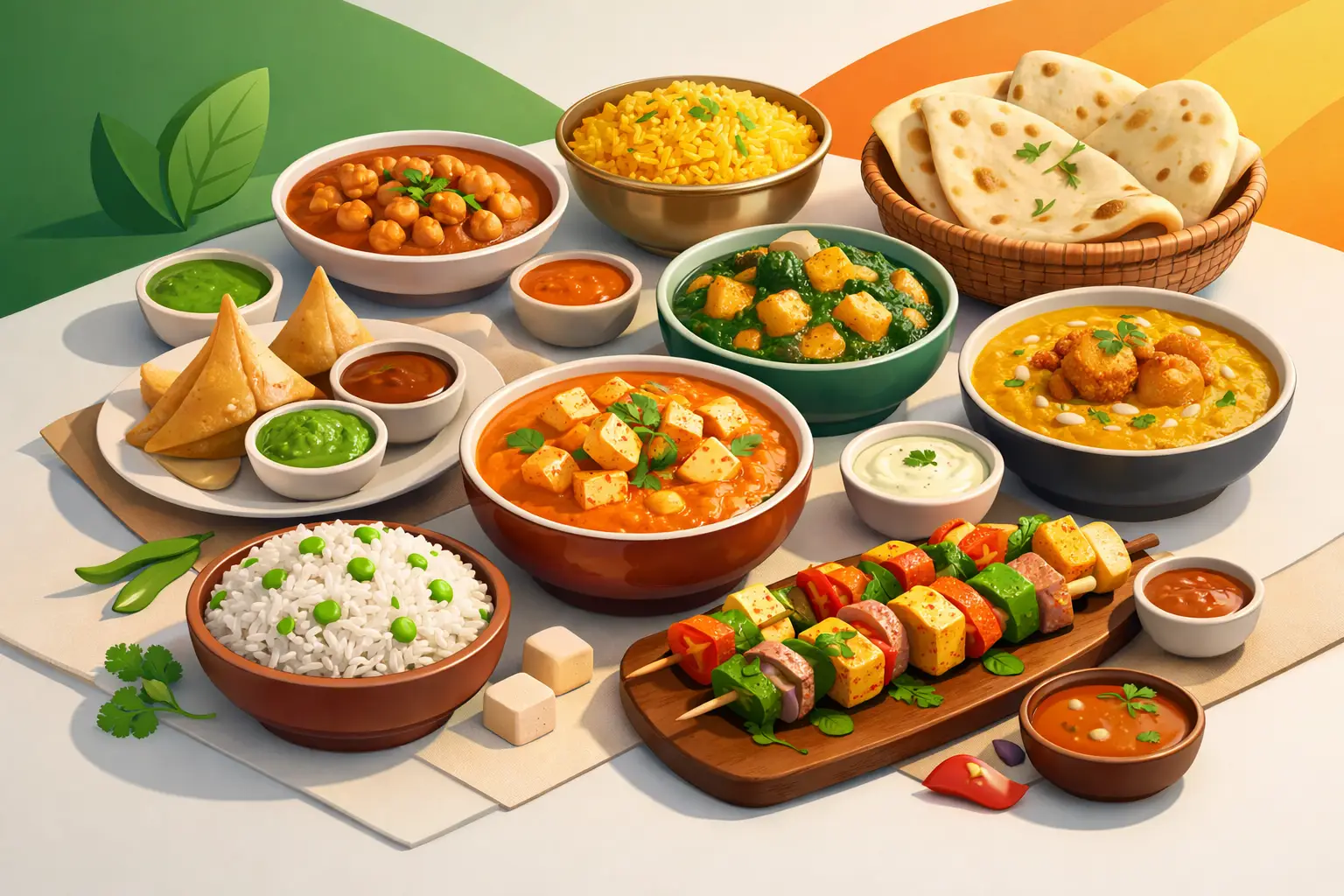
A great vegetarian Indian meal should feel generous, not heavy. This guide to vegetarian Indian dishes is designed for diners who want the warmth of traditional spices, satisfying plant-based ingredients, and a fresher approach to a weeknight takeaway or relaxed meal out. From creamy paneer curries to smoky lentils and bright vegetable sides, Indian cooking offers far more range than a single sauce and rice.
The most enjoyable order is usually built around contrast: one comforting main, one lighter vegetable dish, a lentil or chickpea staple, and something fresh to balance the heat. Whether you are vegetarian every day or simply looking for a meat-free dinner that still feels special, knowing a few classic dishes makes choosing much easier.
Start With the Building Blocks of Vegetarian Indian Food
Indian vegetarian cooking is not one style of food. Recipes change by region, season, family tradition, and the ingredients available. Some dishes are rich and gently spiced, while others are tangy, fiery, earthy, or fragrant with fresh herbs.
Lentils, chickpeas, kidney beans, potatoes, cauliflower, spinach, eggplant, peas, and paneer all play an important role. Paneer is a mild Indian cheese that holds its shape when cooked, making it especially popular in curries and tandoori-style dishes. For vegan diners, lentils, beans, chickpeas, and vegetable dishes can provide the same satisfying substance without dairy.
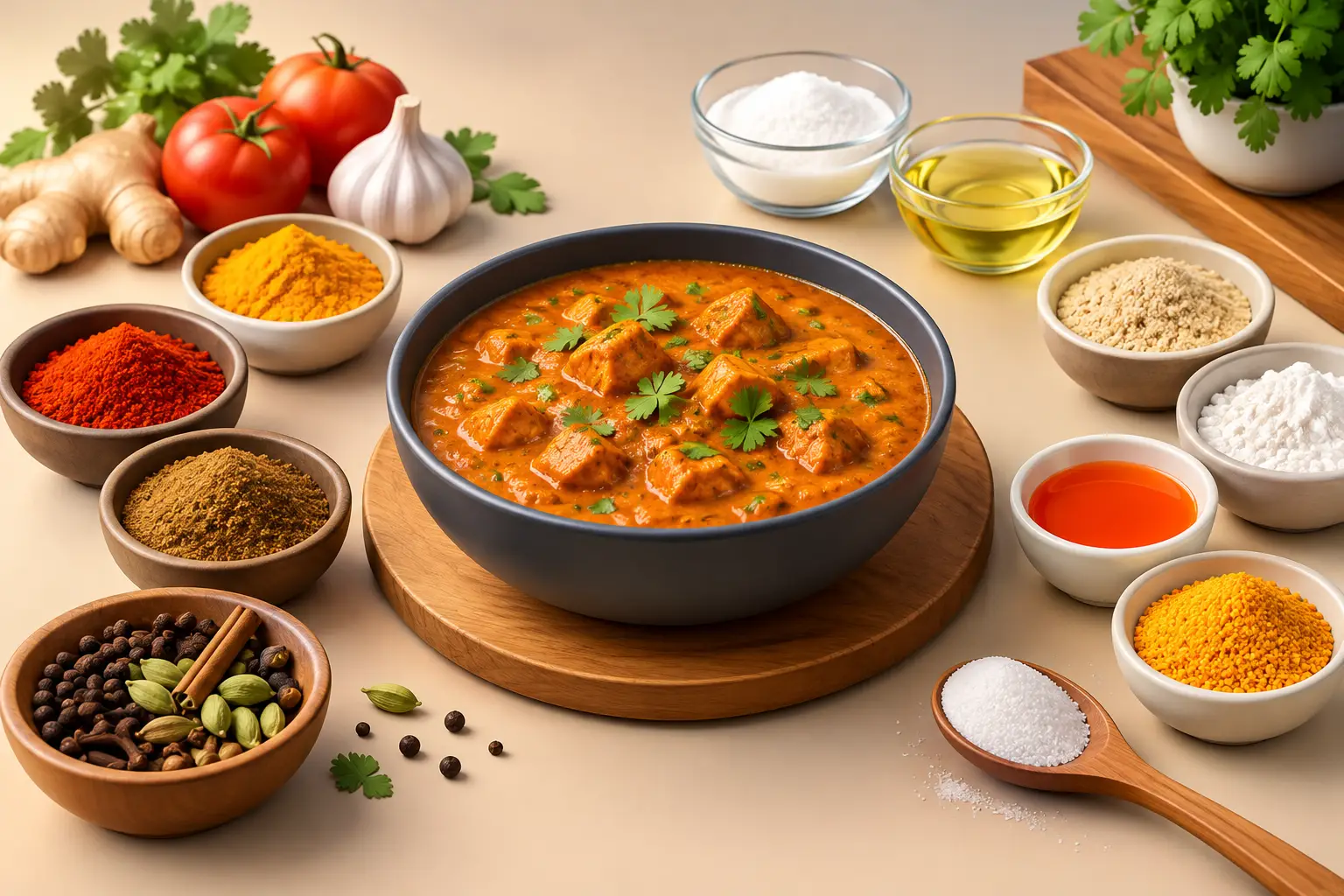
Spices bring the depth. Cumin, coriander, turmeric, mustard seed, cardamom, cloves, cinnamon, ginger, garlic, and chilies may appear in different combinations, but a well-made dish should not taste like a single blunt hit of heat. It should build in layers – aromatic first, then savory, warm, bright, and gently lingering.
A Guide to Vegetarian Indian Dishes Worth Ordering
Dal: the comforting essential
Dal refers to lentils or split pulses cooked until tender and seasoned with spices. It can be light and bright, or slow-cooked until deeply savory and velvety. Dal tadka is often finished with a hot tempering of cumin, garlic, chilies, and herbs, while dal makhani is typically richer, made with black lentils and kidney beans and often includes butter or cream.
If you want a lighter meal, choose a simple yellow dal or dal tadka with rice and a vegetable side. If you are after something more indulgent, dal makhani has a fuller texture and works beautifully alongside naan. The trade-off is straightforward: creamy dals are wonderfully comforting, but a brighter lentil dish lets the rest of the meal feel more balanced.
Chana masala: bold, hearty, and naturally vegan
Chana masala puts chickpeas at the center of the plate, simmered in a spiced tomato and onion sauce. It is earthy, tangy, and filling without needing dairy. The best versions have a lively finish from ginger, cilantro, dried mango powder, or pomegranate powder rather than relying only on chili.
This is an excellent choice for a plant-based order, especially paired with basmati rice, roti, or a crisp salad. It is also a dependable family-style dish because the spice level can often be adjusted without losing its character.
Saag paneer or palak paneer: green, savory, and satisfying
These dishes feature paneer in a silky spinach-based sauce. Palak paneer usually centers on pureed spinach, while saag can include a mix of leafy greens. Both are deeply savory, gently spiced, and more substantial than they may appear.
For diners who enjoy paneer but prefer a dish that does not feel overly rich, spinach-based curries are a smart choice. Ask about the preparation if you have dietary needs, as recipes can contain cream, butter, or ghee. A vegetable side with some acidity, such as a tomato-forward okra dish, can make the meal feel more rounded.
Aloo gobi: simple ingredients, serious flavor
Aloo gobi combines potatoes and cauliflower with turmeric, ginger, cumin, and other warming spices. It is often drier than a curry, with the vegetables carrying the flavor rather than swimming in sauce.
This is one of the best choices when you want texture on the table. Soft potatoes, lightly charred cauliflower, and fragrant spices bring a welcome contrast to saucier mains. It also travels well for takeaway and can be naturally vegan, though it is always wise to check how it is prepared.
Baingan bharta: the smoky choice
Baingan bharta is made from roasted eggplant, usually cooked down with tomatoes, onions, ginger, garlic, and spices. Roasting gives it a distinctively smoky flavor that makes it feel more complex than a standard vegetable curry.
It is ideal for anyone who likes bold, savory dishes but wants a break from paneer or cream-based sauces. Pair it with roti or naan so you can enjoy its soft, rich texture without overwhelming the plate.
Vegetable curries: freshness depends on the kitchen
A mixed vegetable curry can be vibrant and satisfying, but it is a dish where care matters. The best versions allow each vegetable to retain some character, rather than cooking everything until soft in a heavy sauce. Look for seasonal vegetables, a sauce with visible spice and herb notes, and a preparation that feels made to order.
At Cilantro London, the appeal of vegetarian dishes lies in that balance: authentic recipes and confident spice, prepared with a lighter, more refined touch. For diners in Putney and nearby neighborhoods, it is a welcome alternative when takeaway cravings call for real comfort without the usual heaviness.
How to Build a Balanced Vegetarian Indian Order
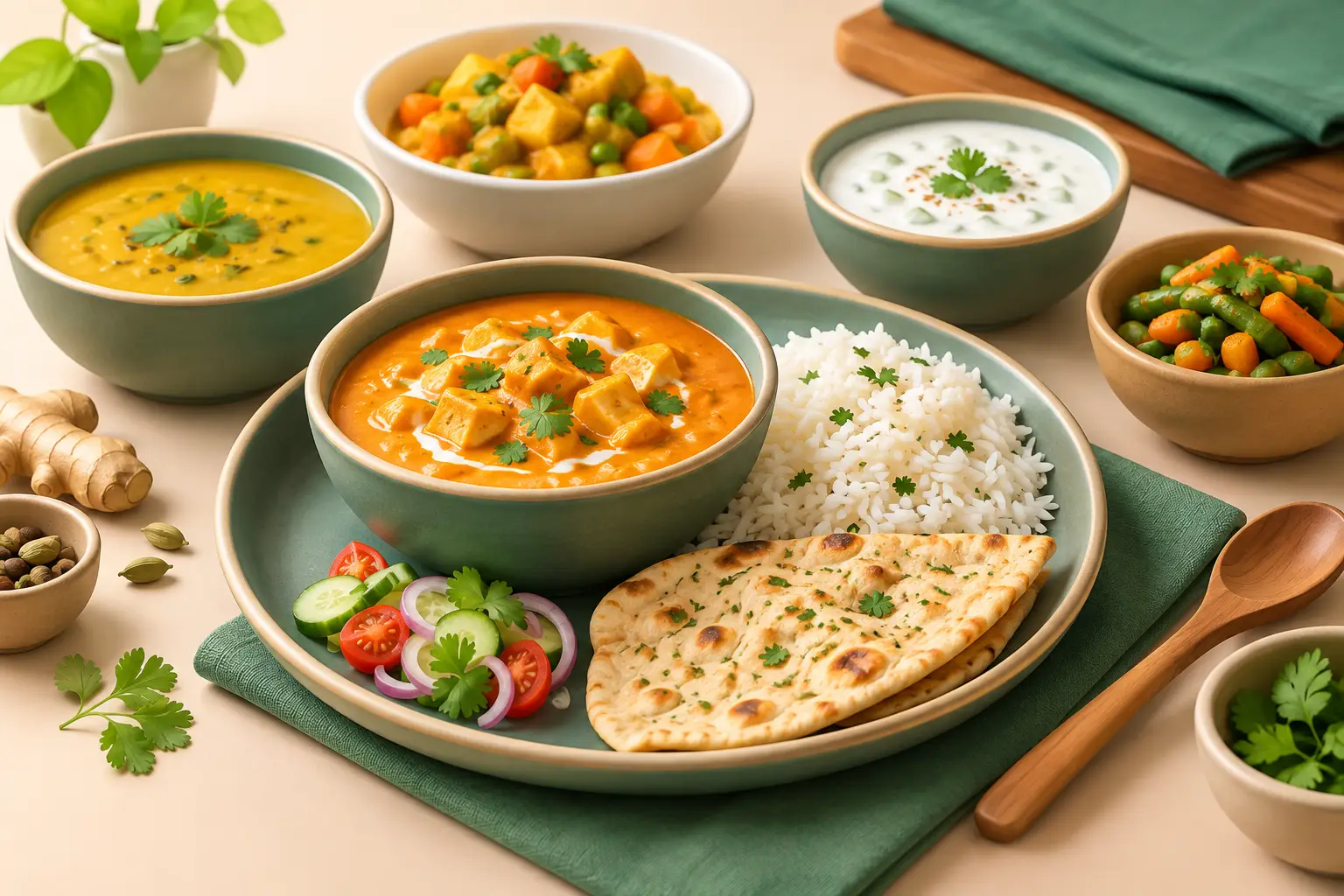
A table full of similar curries can become rich very quickly. Think of your order as a conversation between textures and flavors. Start with one saucy main, such as chana masala or palak paneer, then add a drier vegetable dish like aloo gobi. A dal brings warmth and protein, while a salad, raita, or chutney adds coolness and lift.
Rice and bread do different jobs. Fragrant basmati rice is ideal with dal and saucy curries, as it absorbs flavor without competing. Roti is often the lighter bread choice, while naan is softer and more indulgent. If you are ordering several mains, one rice and one bread is usually enough for a balanced shared meal.
Heat is personal, and Indian food should not be treated as a test of endurance. Medium spice can still offer plenty of flavor, particularly in dishes built with roasted spices, ginger, and fresh herbs. If you are unsure, choose moderate heat and add chili only when needed. That lets the flavors of the vegetables, lentils, and sauces come through.
Vegetarian, Vegan, and Gluten-Free: What to Ask
Vegetarian does not automatically mean vegan, and gluten-free needs a little care too. Paneer, yogurt, cream, butter, and ghee are common in vegetarian Indian cooking. Many lentil, chickpea, and vegetable dishes can be vegan, but recipes vary, particularly when a finishing tempering includes ghee.
For gluten-free diners, rice is generally a reliable base, and many curries are naturally gluten-free. Breads such as naan and roti contain wheat, and cross-contact may matter for those with celiac disease or severe allergies. The clearest approach is to share your dietary requirements when ordering so the kitchen can guide you toward suitable dishes and preparations.
Make Every Meal Feel More Considered
Vegetarian Indian food shines when it is treated as a full meal rather than a substitute for something else. A carefully spiced dal can be the heart of dinner. Chickpeas can be as satisfying as any meat-based main. Roasted eggplant, spinach, cauliflower, and paneer each bring their own texture, aroma, and sense of comfort.
Next time you order, choose one familiar favorite and one dish you have not tried before. That small shift is often how a simple vegetarian dinner becomes the meal everyone talks about afterward.