A great Indian meal is rarely about one dish on its own. The real pleasure comes from balance – the right bread with the right curry, a cooling side against a warmer spice profile, a rice dish that supports rather than competes. If you have ever wondered how to pair Indian mains without ending up with a table full of dishes that feel too rich, too similar, or simply mismatched, the good news is that a few simple principles make all the difference.
At its best, pairing Indian food is about contrast, texture, and weight. A smoky tandoori dish wants something fresh on the side. A creamy curry needs lift. A fragrant biryani usually asks for restraint elsewhere. Once you start thinking this way, ordering becomes easier, whether you are planning a quiet dinner at home, feeding the family, or putting together a more polished spread for friends.
How to pair Indian mains with balance
The first thing to consider is the style of the main itself. Indian mains are not interchangeable. A tomato-based curry, a coconut-based coastal dish, a dry tandoori platter, and a layered biryani all behave differently on the plate. Pairing them well means letting the main lead.
Rich, saucy curries usually need support from something plain and comforting. Steamed basmati rice works because it absorbs sauce without adding extra heaviness. Naan can also work, especially if you want a more indulgent meal, but if the curry is already creamy, butter-heavy bread plus a rich sauce can tip the meal from satisfying to overly dense.
Dry mains, on the other hand, often benefit from moisture and freshness around them. Tandoori chicken, grilled lamb chops, or paneer tikka feel more complete with a crisp salad, mint chutney, or cucumber raita. You still get depth and spice, but the meal stays lively rather than one-note.
Biryani is the dish people most often over-pair. Since it already combines rice, aromatics, and protein or vegetables in one generous main, it does not need much competition. A cooling raita and perhaps one light side are usually enough. Adding rich breads and a second heavy curry can make the whole meal feel crowded.
Start with the sauce, not just the protein
When people decide what goes with a main, they often focus on whether it is chicken, lamb, seafood, or vegetables. In practice, the sauce matters more.
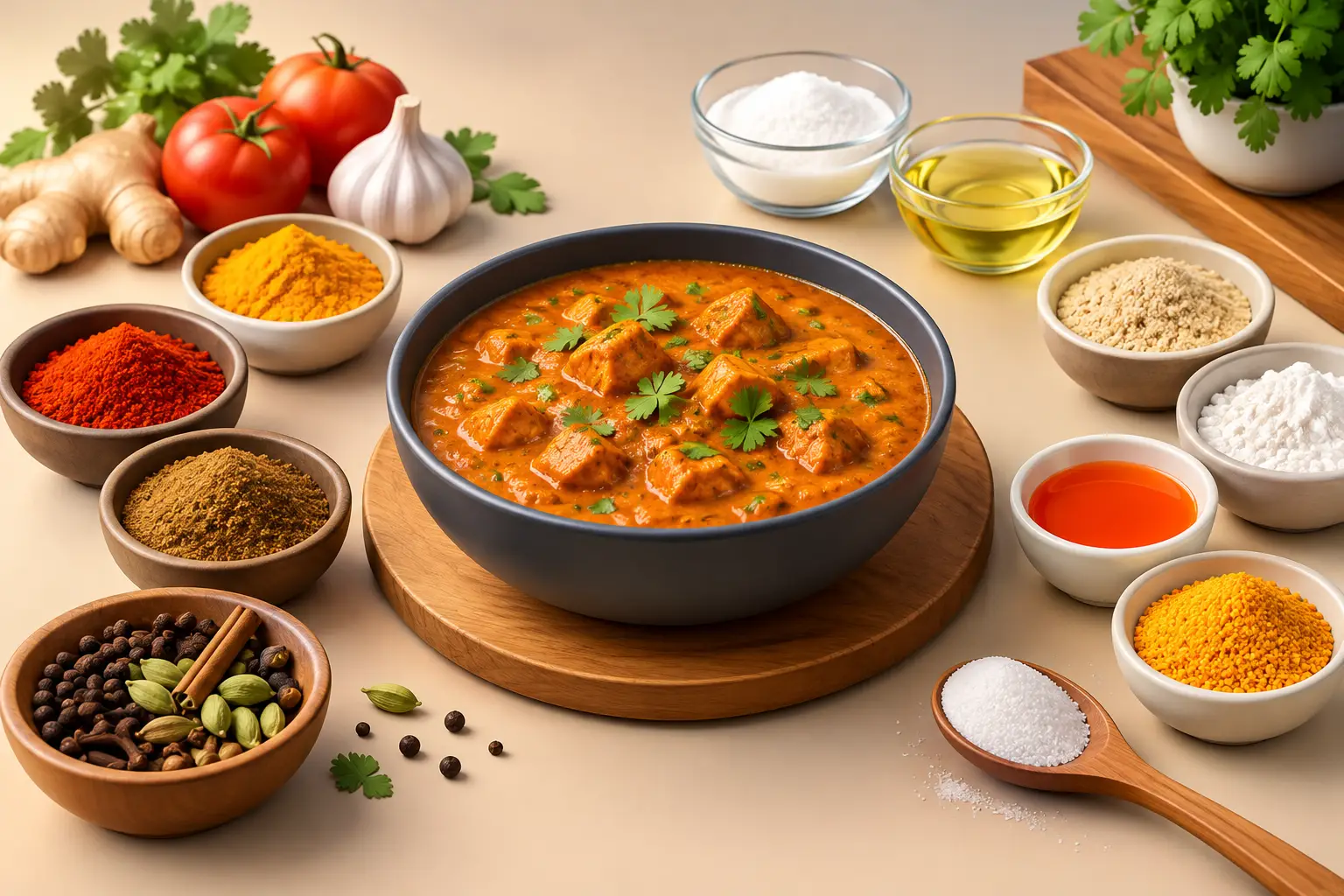
A creamy butter chicken or makhani-style dish has softness, sweetness, and richness. It pairs well with plain rice, a simple naan, or a bright salad with onion and lemon. What it does not need is another creamy side. If you add dal makhani and a buttery naan to an already rich main, the meal can lose definition.
A sharper, tangier curry such as a jalfrezi or vindaloo benefits from cooling and grounding elements. Rice is ideal here, and so is raita. The heat stays present, but the palate gets a break between bites.
Coconut-based curries, often found in seafood or South Indian-inspired dishes, have a gentler warmth and a rounded texture. These pair beautifully with light rice and clean vegetable sides. Heavily charred breads can overpower the more delicate aromatics.
Dry masala-coated mains, including many grilled or roasted dishes, usually need a contrast in texture. Think soft bread, crunchy salad, or a yogurt-based dip. Without that contrast, the meal can feel intense from start to finish.
Rice or bread? It depends on the main
One of the most common questions in how to pair Indian mains is whether to choose rice or bread. The honest answer is that both can be right, but not always together, and not always in equal measure.
Rice is usually the cleaner option. It lets a curry speak clearly and keeps the meal feeling lighter. For lunches, weeknight dinners, or meals where freshness matters, rice often gives the best balance.
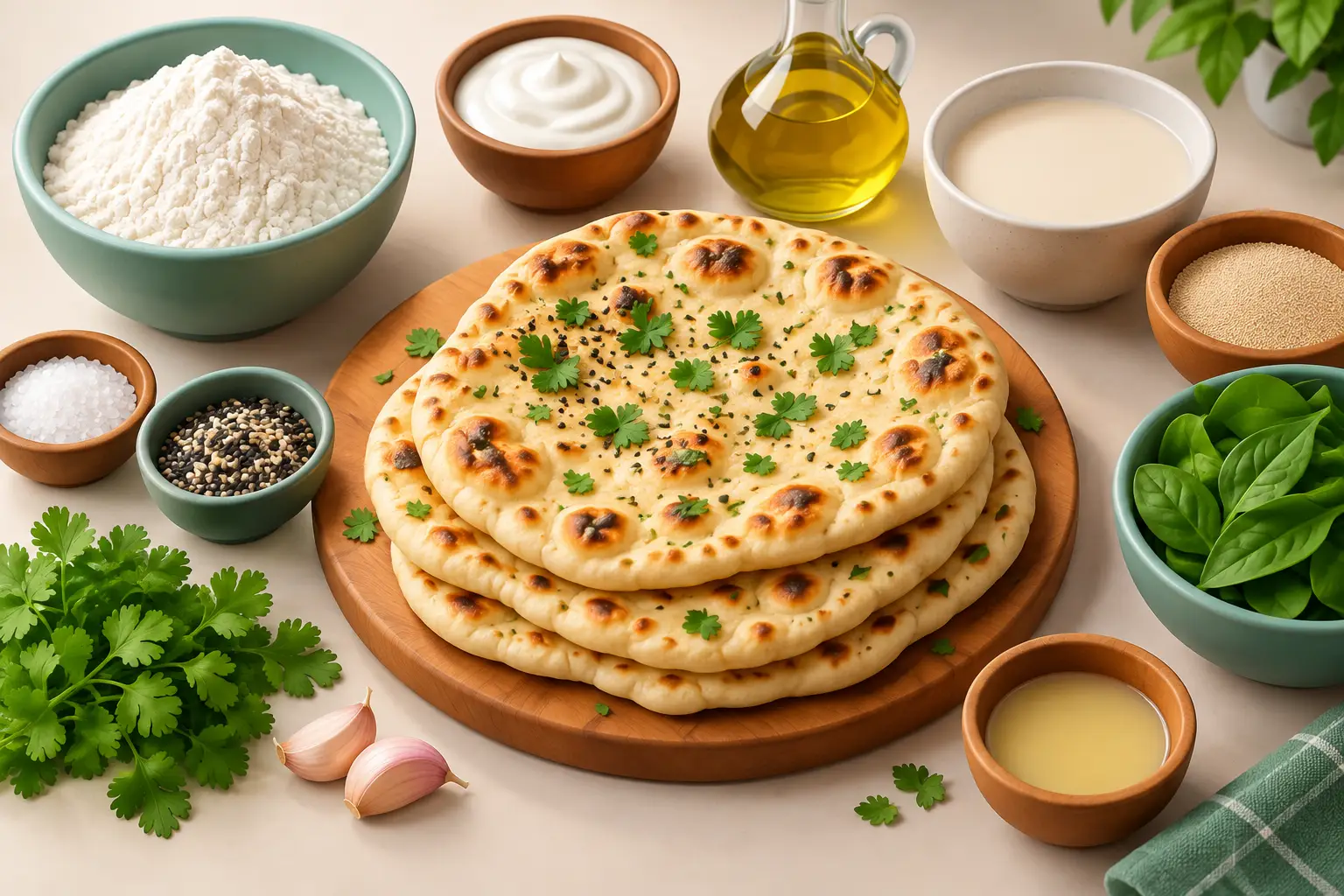
Bread brings comfort and richness. Naan is ideal for scooping thicker gravies and works especially well with dishes that have a smoky, tandoor-friendly profile. A drier curry or kebab-style main often comes alive with a warm flatbread.
If you are serving a group, offering both is sensible, but keep the portions modest. Too much rice and too much bread can make the table feel heavy before the mains have had a chance to shine.
For biryani, choose rice only because it is already built in. For grilled mains, bread often makes more sense. For saucy curries, rice is usually the safest foundation, with bread as an extra rather than a requirement.
The sides that make Indian mains taste better
Sides should sharpen the meal, not weigh it down. That is where many at-home orders go wrong.
Raita is one of the smartest pairings across the board. It cools spice, adds creaminess without excess, and gives the plate a fresh note. It is especially useful with biryani, spicy curries, and grilled dishes.
A simple kachumber-style salad with cucumber, onion, tomato, and lemon brings crunch and acidity. This works well next to richer mains like korma, butter chicken, or lamb curry because it cuts through richness naturally.
Chutneys should be treated like accents. Mint chutney brightens grilled dishes and vegetable starters. Tamarind chutney brings sweetness and tang, which can be useful with crisp appetizers but is less necessary beside already sweet or creamy mains.
Dal can be a wonderful side, but it depends on the rest of the meal. If your main is dry and grilled, a lentil dish adds comfort and substance. If your main is already a rich, slow-cooked curry, another heavy bowl can be too much. Balance matters more than variety for its own sake.
How to pair Indian mains for different occasions
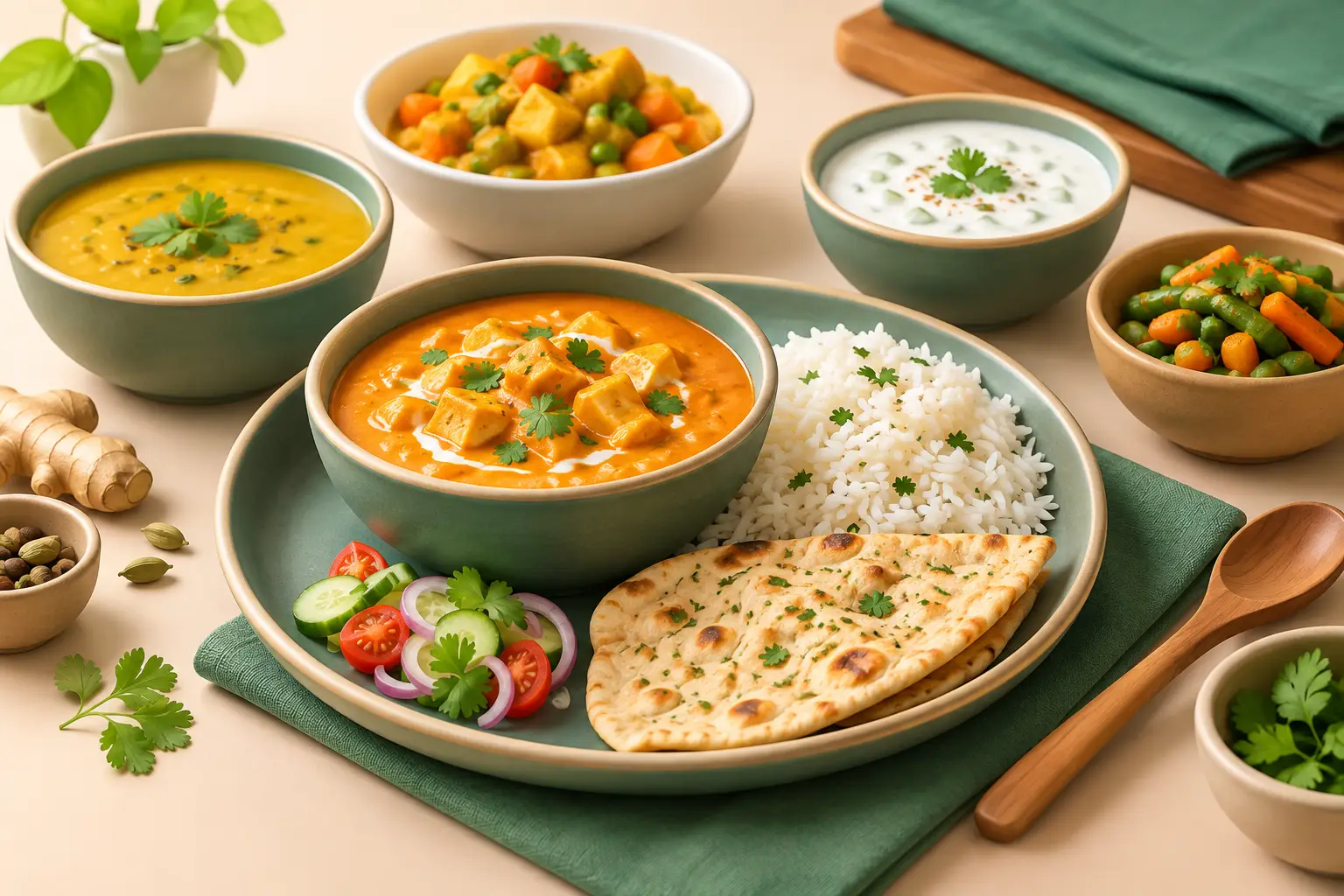
A weekday dinner should feel easy and satisfying. In that case, one main, one rice or bread, and one cooling side is usually plenty. A chicken curry with basmati rice and cucumber raita feels complete without excess.
For date night or a slower evening meal, contrast is your friend. Pair one richer main with one lighter companion. A smoky tandoori dish and a softer curry can work beautifully together, especially if you add a fresh salad and share one bread basket rather than over-ordering.
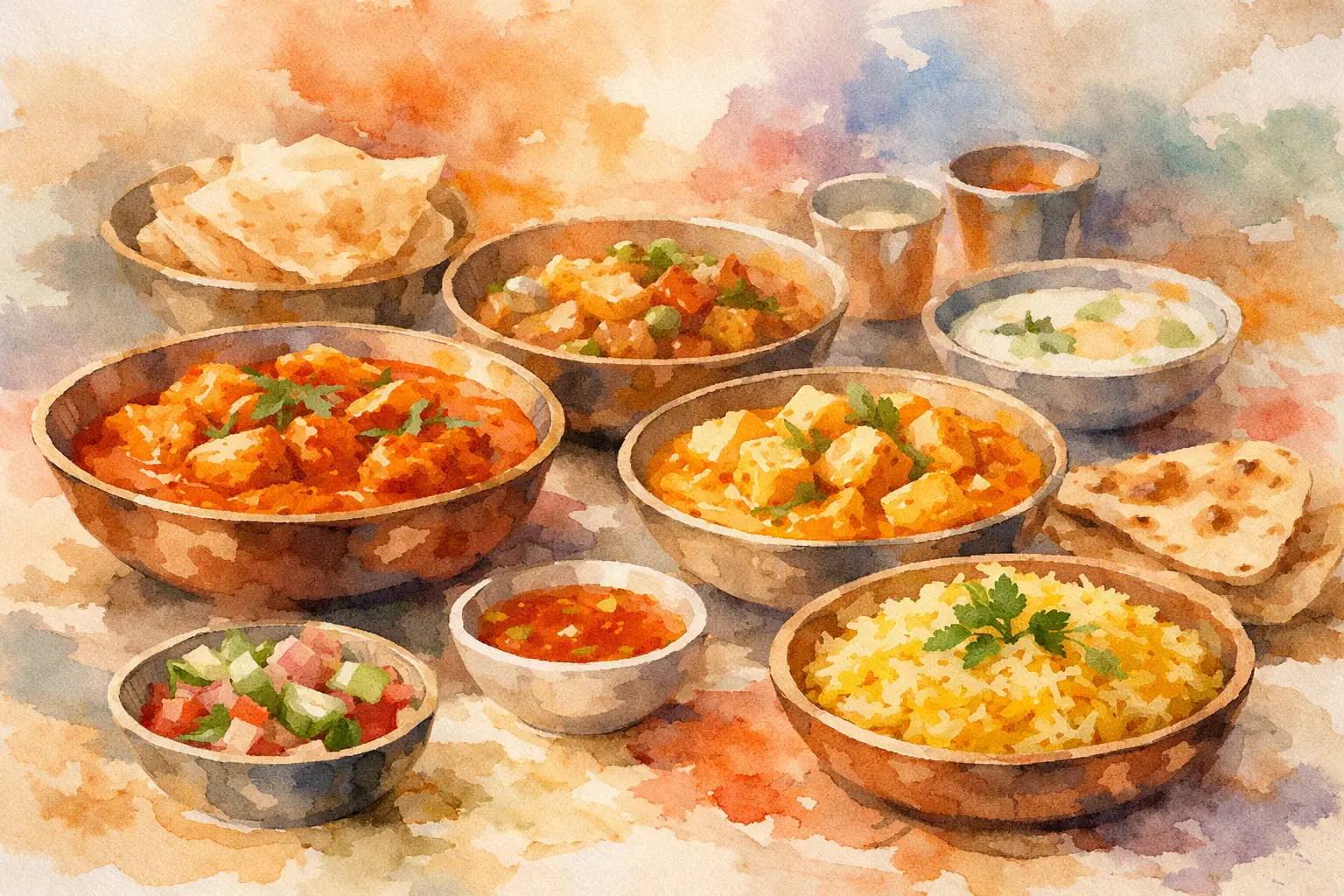
For families or groups, variety matters, but so does flow. Try combining a mild dish, a medium-spiced dish, one vegetarian option, rice, and one bread. That gives everyone range without turning the meal into a patchwork of competing flavors.
If you are ordering for guests who may not know Indian food well, choose pairings that feel familiar in structure. A grilled main with salad and naan, or a creamy curry with rice and yogurt on the side, helps people settle in comfortably.
Drinks matter more than people think
The best drink pairing depends on heat, richness, and the amount of smoke or char in the dish.
Sparkling water is underrated because it resets the palate and keeps the meal feeling fresh. For spicy mains, a mango lassi or salted yogurt drink can soften heat effectively, though these are more filling and better suited to bolder dishes rather than a full spread.
If you are serving wine, lighter whites and aromatic styles often suit chicken, seafood, and vegetable mains better than heavy reds. Rich lamb dishes can handle a red, but the spice level still matters. Tannic wines and hot chilies are not always the easiest match.
Beer can work very well with Indian food, especially with grilled dishes and spicier curries, because it cools and refreshes. The point is not to force a formal pairing. It is to choose something that keeps the meal balanced.
A few pairings that rarely fail
If you want combinations that feel polished and dependable, start with these ideas. Butter chicken with basmati rice and kachumber is comforting without becoming too rich. Lamb rogan josh with plain rice and cucumber raita feels rounded and steady. Tandoori salmon with salad and naan stays fresh and satisfying. Vegetable biryani with raita and a light side keeps the table colorful without overloading it.
At Cilantro London, this lighter, more balanced approach is exactly how we think about Indian dining – real depth of flavor, carefully prepared, with enough freshness around the plate to let each main stand out.
The biggest pairing mistakes to avoid
The most common mistake is ordering too many rich elements together. A creamy curry, butter naan, pilau rice, fried starters, and a heavy lentil side may sound generous, but the meal can quickly feel one-dimensional.
The second mistake is ignoring temperature and texture. If every dish is soft and saucy, you miss the pleasure of crunch, char, and freshness. That is why salad, chutney, and yogurt-based sides are not extras in the background. They make the mains taste better.
The third mistake is treating spice as the only factor. Heat matters, but richness, sweetness, acidity, and smokiness matter just as much. A mild dish can still feel heavy if paired badly, while a spicy dish can feel beautifully balanced with the right sides.
A well-paired Indian meal should leave you satisfied, not slowed down. Start with the character of the main, build in contrast, and let each addition earn its place on the table.