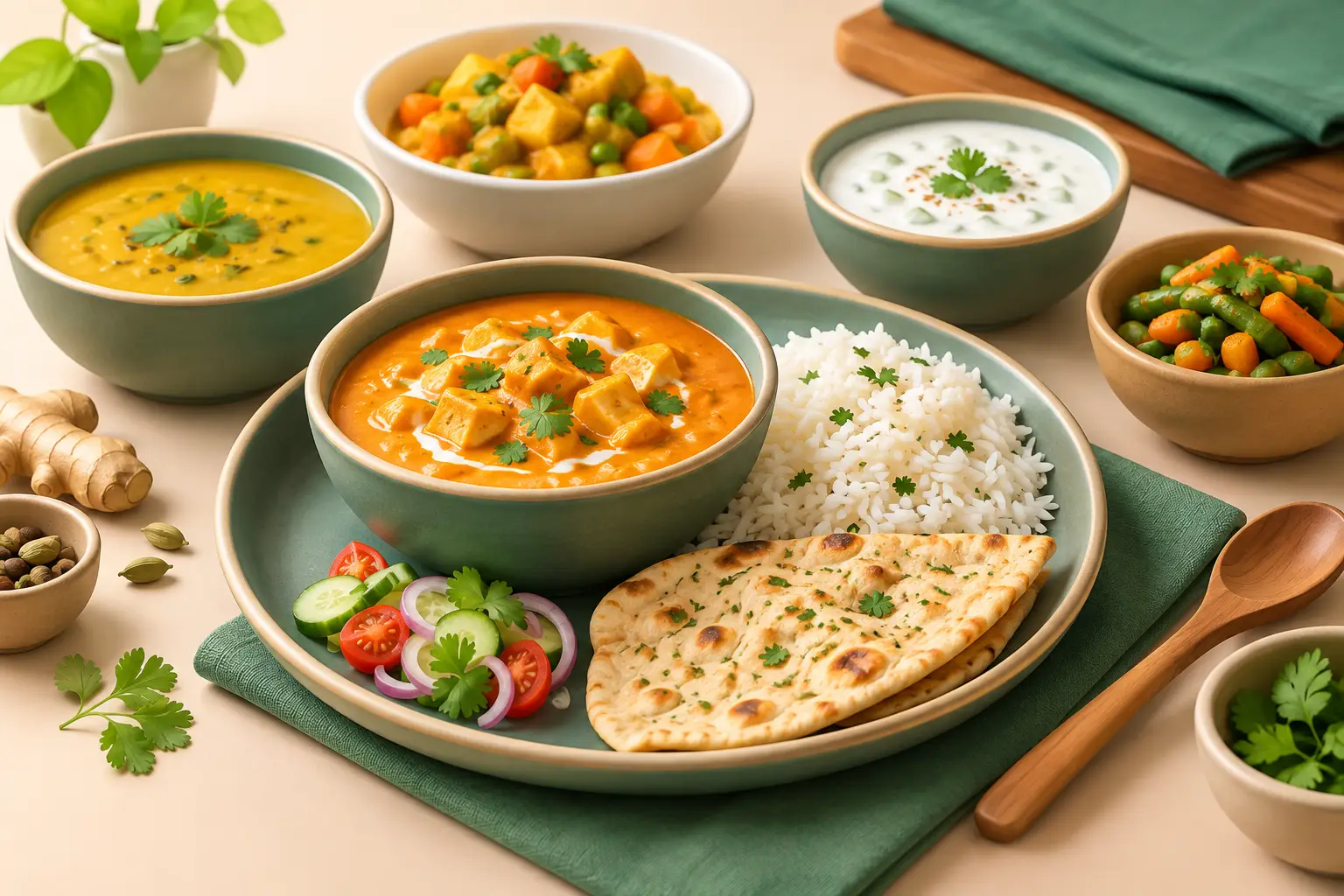

A great Indian meal is rarely about one dish. It is the moment when the table fills with fragrant curries, warm breads, rice, and a few familiar favorites that everyone reaches for. Getting curry portions for sharing right means there is enough variety for the group without turning a relaxed dinner into a fridge-full of leftovers.
For a weeknight meal with friends, a family gathering, or an office lunch, the best approach is to build a balanced spread rather than order a separate full meal for every guest. A thoughtful mix lets everyone taste more, makes dietary needs easier to accommodate, and brings the generous, welcoming feel of restaurant dining into your home.
Start with the number of people, not the number of dishes
The size of your group matters, but appetite matters too. Two people sharing dinner may be happy with two curries, rice, and naan. Four people with different preferences will usually enjoy three mains, two rice portions, and several breads or starters. For six or more, variety becomes more valuable than simply doubling every dish.
As a practical guide, plan one curry for every one to two people when you are adding rice, naan, and starters. For a group of four, three curries is usually a comfortable sweet spot. Choose one rich or creamy option, one tomato-based or gently spiced dish, and one curry with a brighter, more aromatic profile. This prevents the meal from feeling repetitive and gives every guest a reason to try a little of everything.
If your group is especially hungry, or the curries are the only substantial part of the meal, add an extra main. On the other hand, a table that starts with tandoori dishes, kebabs, or crispy appetizers can often share fewer curries while still feeling well fed.
Build curry portions for sharing around contrast
The most satisfying shared order has contrast in flavor, texture, and heat. A creamy chicken curry is lovely, but three similarly rich dishes can feel heavy by the end of the meal. Pair it with a lentil dish, a spinach-based vegetarian curry, or a lighter tomato and ginger-led option for balance.
Protein choices also matter. A chicken dish is a dependable centerpiece for many groups, while lamb brings deeper, fuller flavor for guests looking for something more indulgent. Paneer, chickpeas, lentils, and seasonal vegetables ensure vegetarian diners have more than a side dish to rely on. For vegan guests, choose dishes prepared without dairy and confirm that breads, sauces, and garnishes suit their needs.
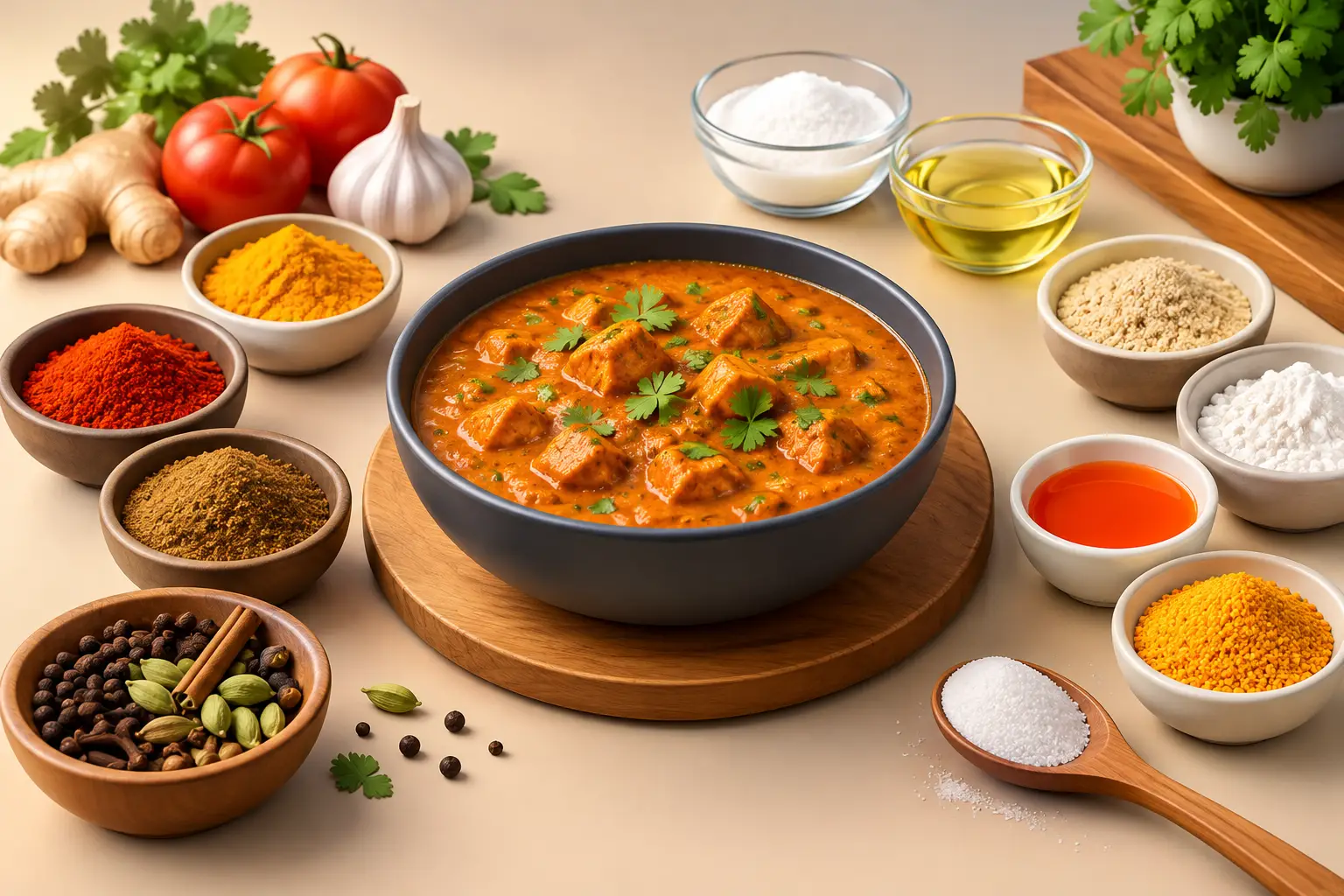
Heat should be varied rather than uniform. One mildly spiced curry gives everyone a comfortable place to start. One medium-spiced dish adds warmth and character, while a hotter option can satisfy the spice lovers at the table. Not every curry needs to be fiery to be memorable. Layers of cumin, cardamom, turmeric, fresh herbs, and slow-cooked onions bring depth without overwhelming the meal.
At Cilantro London, the focus is on authentic recipes prepared with freshness and balance in mind. That approach works particularly well for sharing: dishes can feel satisfying and full of spice while remaining lighter and more comfortable to enjoy across a long conversation.
Rice and bread are not an afterthought
Rice and bread make shared curries go further, but they do more than fill the table. They help guests enjoy sauces in different ways and let each person create a plate that suits their appetite.
For two people, one rice and one naan may be enough alongside two curries. For four people, consider two rice portions and two to three breads. A group of six may prefer three rice portions and four breads, especially if there are multiple saucy mains. These are starting points, not fixed rules. If your group loves naan, order more naan. If everyone prefers rice, make rice the foundation and add just one bread for variety.
Plain basmati rice is the most flexible partner for a mixed spread. A fragrant pilaf or biryani is more substantial and can become a main feature of the meal, so adjust the rest of your order accordingly. If you choose biryani, you may only need one or two supporting curries rather than several.
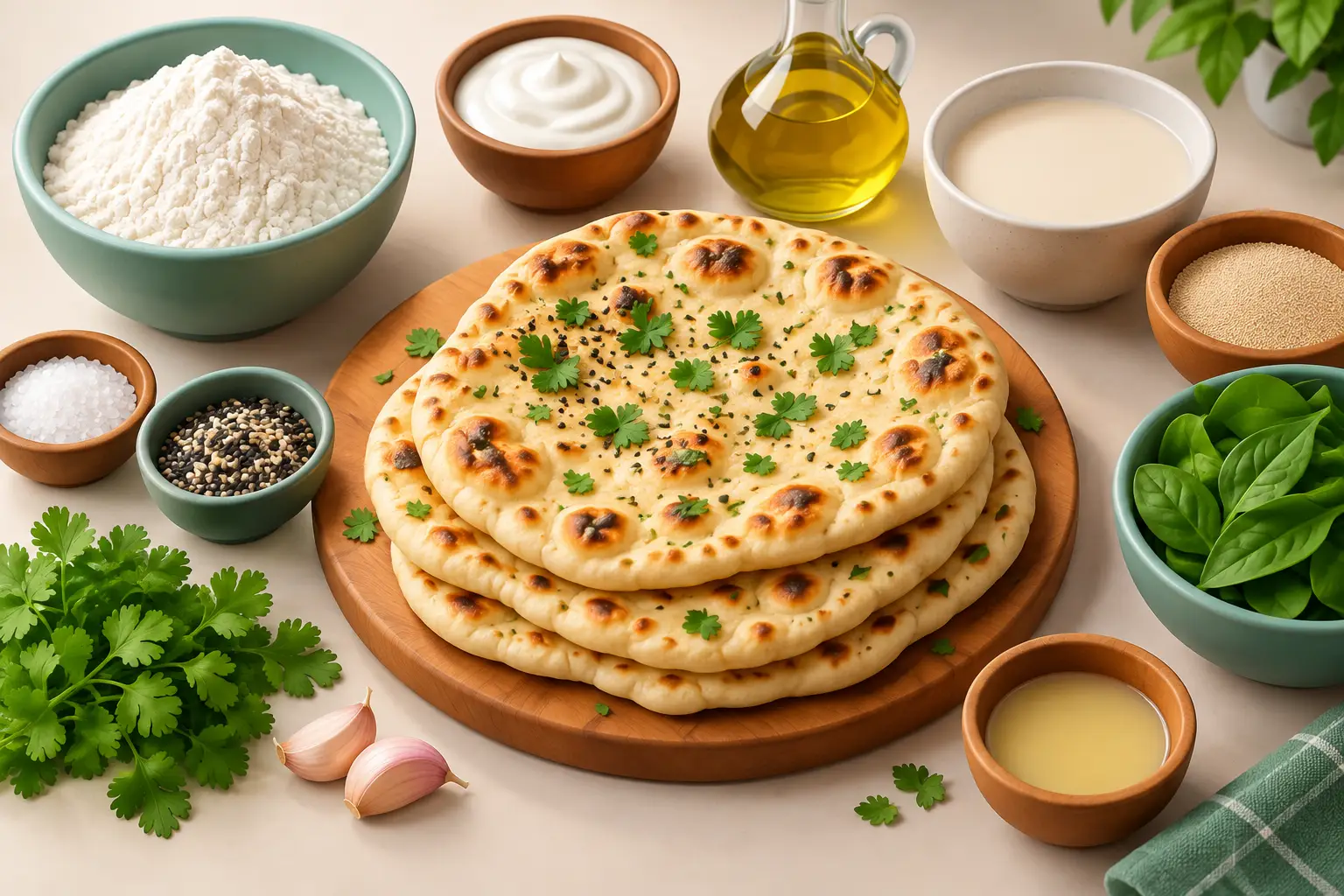
Naan offers that warm, tear-and-share quality people expect from a celebratory Indian meal. A plain naan is reliable, while garlic naan adds a savory lift. Choose carefully when the table includes gluten-free diners, as rice is often the easier shared option and helps keep the meal inclusive.
Add starters when the occasion calls for them
Starters are especially useful when guests are arriving at different times, drinks are being served, or dinner is meant to feel like an occasion rather than a quick meal. They give people something to share before the curries arrive and reduce the pressure to order too many mains.
For a group of four, two starters usually offer enough choice. For six or more, three or four starters work well when they include different styles, such as a grilled tandoori item, a vegetable dish, and something crisp. Avoid ordering every starter as fried or heavily sauced. A combination of chargrilled, fresh, and crisp textures keeps the table feeling considered rather than overly rich.
Salads and cooling sides also earn their place. A fresh salad can cut through richer curries, while yogurt-based accompaniments may soften spice for guests who prefer gentler heat. These additions are small but useful when you want a meal to feel polished and balanced.
Plan for dietary needs before you order
Sharing only works when every guest has real options. Asking about vegetarian, vegan, gluten-free, dairy-free, and spice preferences before placing the order avoids the awkward moment when one person is left with rice and a single side.
For mixed groups, include at least one substantial vegetarian or vegan curry, not merely an appetizer. Lentils, chickpeas, vegetables, and paneer can all be deeply satisfying when prepared with care. If one guest has a specific allergy, it is better to speak directly with the restaurant about ingredients and preparation rather than making assumptions based on a dish name.
It also helps to order mild dishes intentionally. A group may include people who enjoy intense heat and people who do not, and both should feel looked after. A varied order lets spice lovers choose the hotter curry while everyone else enjoys the wider spread comfortably.
What to order for common group sizes
For two people, choose two curries with different profiles, one rice, and one naan. Add a starter if dinner is leisurely or you are especially hungry.
For four people, three curries offer excellent variety. Add two rice portions, two or three naan, and two starters if you are making an evening of it. A dependable combination could include one chicken curry, one vegetarian curry, and one lamb or vegetable dish with more heat.
For six people, four curries are generally a strong foundation, especially when the group includes different diets. Add three rice portions, four breads, and three starters. If biryani is part of the meal, it can replace one curry or reduce the amount of extra rice needed.
For eight or more, think in categories: a few protein mains, at least two vegetable-led options, mild and spicy choices, plenty of rice, and enough bread to pass around. Ordering this way feels more generous and usually creates less waste than choosing full individual meals at random.
A better shared meal is about pace
The right amount of food should leave the table satisfied, not sleepy. Choose dishes that bring richness alongside freshness, and give everyone a chance to taste something new. Leftovers can be welcome, but they should be a bonus rather than the result of an uncertain order.
Whether you are gathering at home in Putney, planning a family meal, or treating colleagues to lunch, a well-chosen spread makes the occasion feel easy. Start with variety, add enough rice and bread to share, and let the curries do what they do best: bring people together around the table.