A dinner decision between two favorites usually comes down to more than heat level. When you are choosing tandoori or curry for dinner, think about the kind of evening you want: smoky and vibrant, rich and comforting, light and shareable, or a little of everything. Both styles bring the spice depth and traditional character people love about Indian food, but they create very different meals.
At Cilantro London, we believe a great Indian dinner should feel satisfying without leaving you weighed down. The right choice depends on your appetite, your company, and whether tonight calls for a fresh grilled plate, a warming sauce, or a table full of dishes to pass around.
Tandoori or curry for dinner: what is the difference?
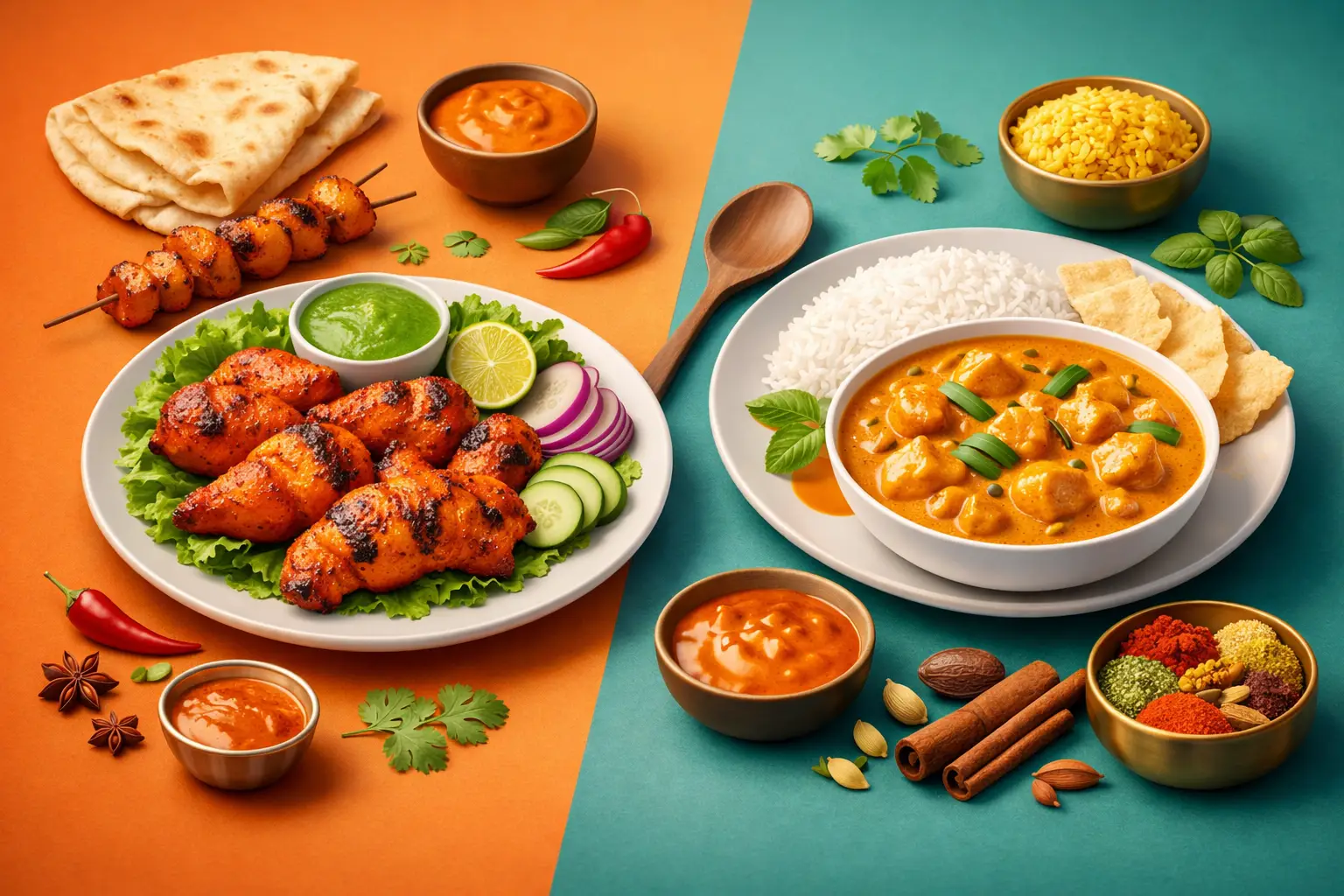
Tandoori dishes are defined by the cooking method. Meat, fish, paneer, or vegetables are marinated with spices, yogurt, and aromatics, then cooked at high heat in a tandoor oven. That intense heat creates a lightly charred exterior, tender center, and unmistakable smoky flavor. The result is bold but clean, with the marinade clinging to the ingredients rather than surrounding them in sauce.
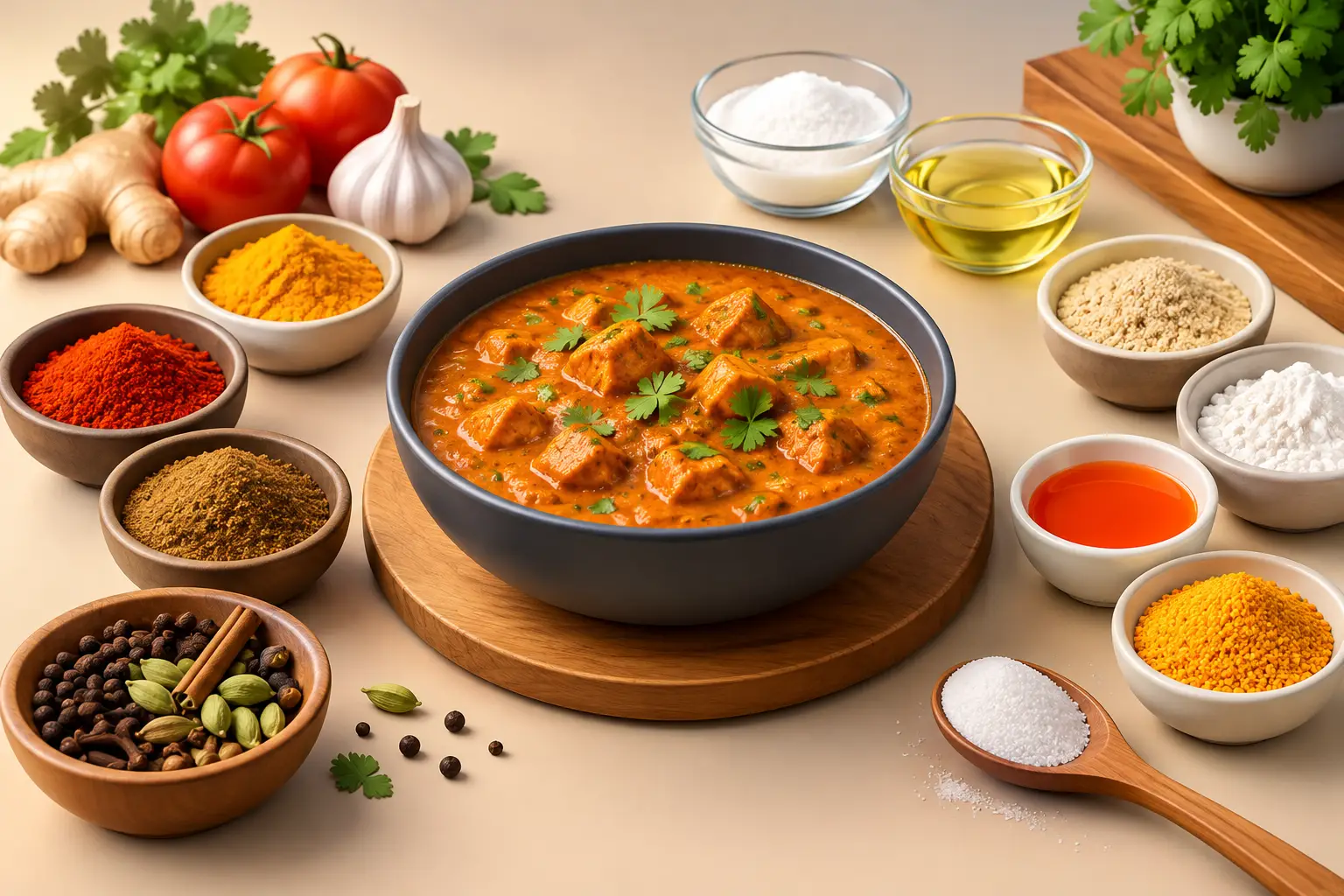
A curry is built differently. Its character comes from a carefully prepared sauce, often layered with onions, tomatoes, ginger, garlic, spices, herbs, and other ingredients that vary by recipe. Some curries are creamy and mild; others are tomato-led, tangy, fragrant, or confidently hot. A good curry has depth that develops with every spoonful, especially when paired with basmati rice or warm bread.
Neither is the better choice in every situation. Tandoori is often ideal when you want clear, grilled flavor and a lighter-feeling meal. Curry is the answer when you are craving comfort, sauce, and a meal that invites you to slow down.
Choose tandoori when you want smoke, spice, and freshness
A tandoori plate can be wonderfully satisfying without feeling overly rich. The high-heat cooking gives chicken, lamb, fish, paneer, or vegetables a beautifully roasted finish, while the marinade brings warmth from spices such as cumin, coriander, chili, turmeric, and garam masala. Yogurt-based marinades also add a gentle tang that keeps the flavors bright.
This is a particularly good dinner choice after a busy workday when you want something substantial but not heavy. Pair tandoori dishes with a crisp salad, grilled vegetables, or a modest serving of rice for a balanced plate. If you enjoy a little indulgence, naan adds softness against the smoky edges of the dish, but it is not essential to make the meal feel complete.
Tandoori is also a smart option for mixed groups. The flavors are approachable, and it is easy to share several grilled dishes alongside sides, dips, and breads. Guests can build their own plates, which works well for relaxed dinners at home, family meals, and casual celebrations.
Who will enjoy tandoori most?
Choose tandoori if you enjoy charred, roasted flavors; prefer your protein or vegetables to be the focus; or want more control over how much sauce and starch is on your plate. It can also be a great starting point for diners who are new to Indian cuisine but want something more exciting than a standard grilled meal.
For vegetarian and gluten-free diners, tandoori-style paneer and vegetables can offer plenty of flavor and texture. As with any dietary requirement, it is always worth checking the individual dish and preparation details when ordering.
Choose curry when dinner needs comfort
There is a reason curry remains a favorite for weeknights, takeout nights, and long dinners with friends. A carefully made curry offers generous flavor in every bite. The sauce carries the spices, bringing together savory notes, gentle sweetness, acidity, heat, and richness in a way that feels deeply comforting.
The word curry covers a broad family of dishes, which is why it helps to order based on the experience you want rather than simply choosing the familiar option. A tomato-forward curry can feel lively and bright. A creamy preparation can feel more luxurious. A lentil-based dish may be earthy and nourishing, while a spinach-led curry brings its own mellow, savory character.
Curries are especially well suited to a cozy night in. Their sauces travel beautifully for delivery and takeaway, and they pair naturally with rice, naan, or roti. When the weather is cool, or when you simply want dinner to feel restorative, a fragrant curry can be exactly right.
Heat, richness, and sauce matter
Do not assume that a curry must be heavy. The richness of a curry depends on its ingredients and portion, not the category alone. Some sauces use cream, butter, or nuts for a fuller texture, while others are based on tomatoes, onions, vegetables, herbs, or lentils. If you are looking for a lighter choice, ask for a dish with a fresher, more tomato-led or vegetable-led profile and balance it with steamed rice or salad.
Heat is equally personal. Chili can add excitement, but the best curries are not only about intensity. Toasted spices, ginger, garlic, fresh cilantro, and slow-cooked onions create complexity even in mild dishes. A dish should suit your taste, not prove your tolerance for spice.
The best answer is often both
If you are ordering for two or more people, choosing between tandoori and curry is often unnecessary. A tandoori starter or shared grill can bring contrast to a curry-centered meal. The grilled dish adds smoke and texture, while the curry provides sauce, warmth, and a generous element for rice or bread.
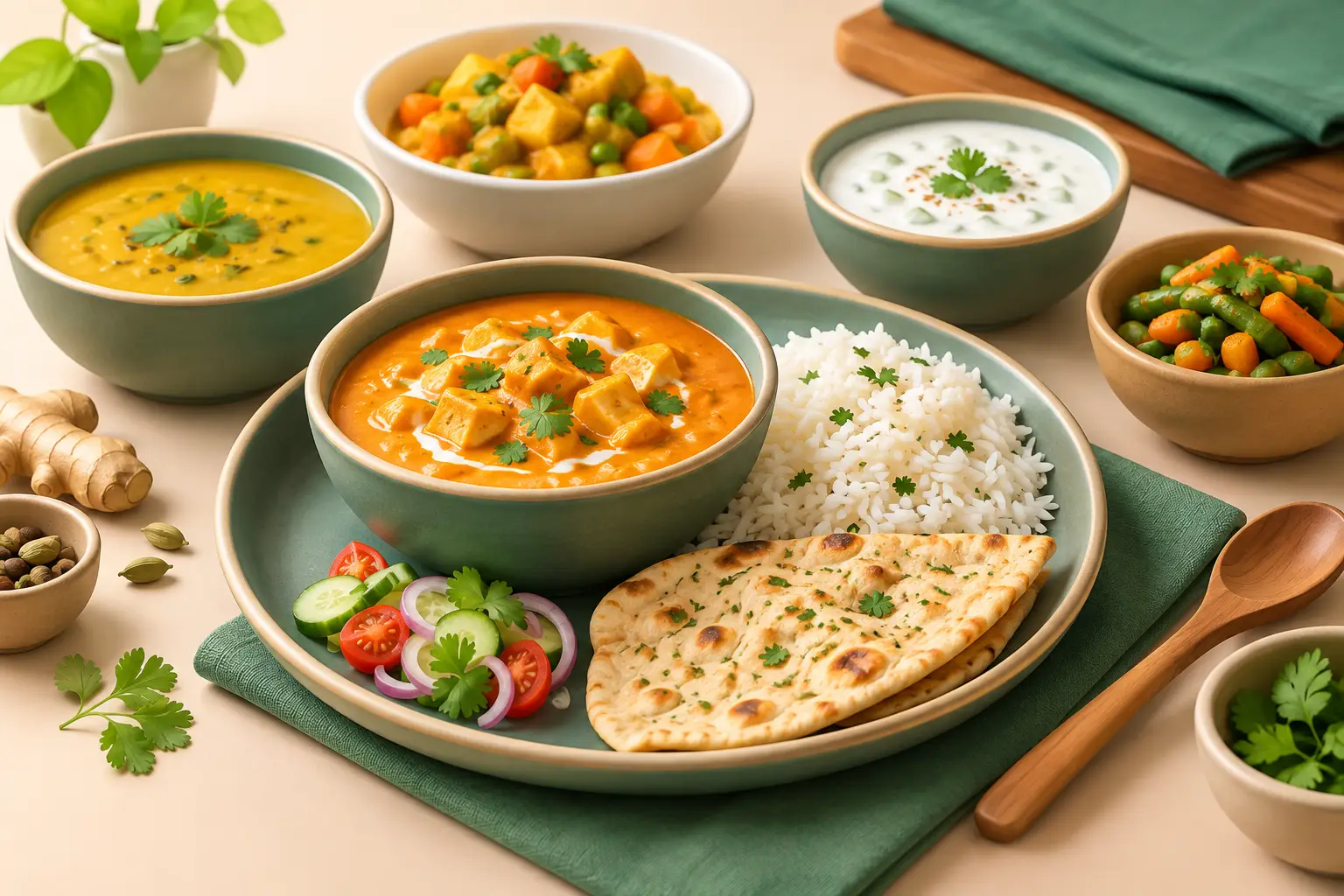
For a balanced spread, begin with one tandoori dish, one curry with your preferred sauce style, a vegetable side, and either rice or bread. This gives everyone variety without turning dinner into an overly large order. For families, it also makes it easier to accommodate different spice preferences and dietary needs at the same table.
A couple enjoying a quiet dinner may prefer a tandoori main with a lighter vegetable curry to share. For a group gathering, a selection of curries alongside tandoori dishes keeps the table colorful and gives guests plenty to explore. The best meal is not necessarily the most elaborate one – it is the one that feels generous, fresh, and right for the occasion.
How to make your Indian dinner feel lighter
Indian food can be full of color, spice, and comfort without becoming greasy or overly filling. Start by choosing dishes made to order with ingredients that let the spices shine. Grilled tandoori dishes, vegetable curries, lentil dishes, and salads can all contribute to a satisfying dinner with a more balanced feel.
Portioning matters too. Instead of ordering several rich mains, choose one more indulgent curry and balance it with a grilled dish or vegetable side. Share rice and bread rather than automatically ordering both in large portions. This approach still leaves room for the flavors you came for, while helping each dish stand out.
Freshness is just as important as restraint. A well-prepared Indian meal should taste of toasted spices, aromatic herbs, bright tomatoes, and properly cooked ingredients – not simply oil or heat. That attention to preparation is what makes restaurant-quality takeaway feel special when it reaches your table.
A simple way to decide tonight
If you want a quick rule, choose tandoori when you are in the mood for smoky, grilled, protein-forward flavor. Choose curry when you want sauce, warmth, and the comfort of rice or naan. Choose both when dinner is shared and you want variety.
For diners across Putney and nearby neighborhoods, the pleasure is in making the meal your own: mild or fiery, plant-based or meat-forward, delivered to your door or enjoyed around a restaurant table. Follow the craving you have now, and let every fragrant bite make dinner feel like a proper pause in the day.