Some meals are better when they arrive in the middle of the table. A good guide to Indian sharing platters is not really about ordering more food – it is about ordering smarter, so everyone gets contrast, balance, and that sense of occasion that makes dinner feel generous rather than heavy.
Indian food is especially well suited to sharing because the best meals are built on variety. You want smoky grilled pieces next to cooling yogurt, a rich curry beside something bright and fresh, soft breads alongside rice, and enough texture that every plate feels a little different. When the platter is planned well, the whole table eats better.
Why Indian sharing platters work so well
A strong Indian meal is never one-note. Spice is only part of the picture. You also have char from the tandoor, creaminess from sauces, acidity from chutneys, crunch from salads, and fragrance from herbs and whole spices. Sharing lets you experience that range in one sitting instead of committing to a single dish.
This is also why Indian sharing platters feel more modern than the old-fashioned order-your-own-curry approach. If your group includes one person who wants something light, another who prefers richer comfort food, and someone vegetarian, a platter format makes the table feel inclusive rather than divided. It gives everyone access to the dishes they would not have ordered for themselves.
For families, couples, and small groups, sharing can also be the easiest route to a more polished meal. You avoid duplicate dishes, reduce the risk of ordering too much of the same flavor, and create a pace that feels relaxed. Food lands, people taste, compare, reach for another bite, and the meal unfolds naturally.
A practical guide to Indian sharing platters
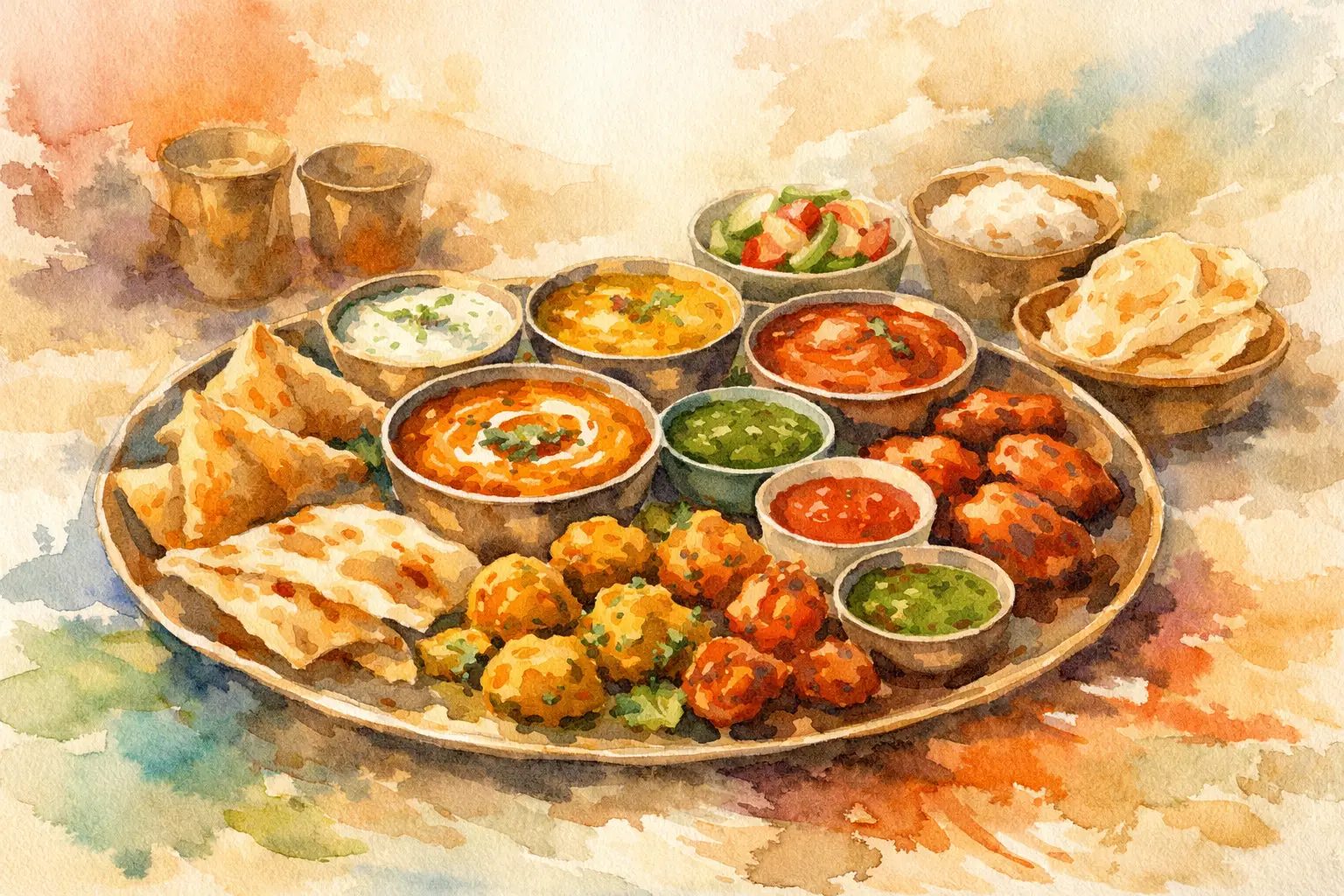
If you are building a platter for two to six people, think in layers rather than categories. Start with one or two grilled items, add a curry or two, then bring in the supporting dishes that make the meal feel complete.
The first layer is your centerpiece. Tandoori and grilled dishes are usually the best place to start because they bring texture and depth without making the table too heavy too quickly. Chicken tikka, lamb chops, seekh kebabs, or paneer from the grill all add a clean, smoky note. These dishes also hold up well while people talk and serve themselves, which matters more than most diners realize.
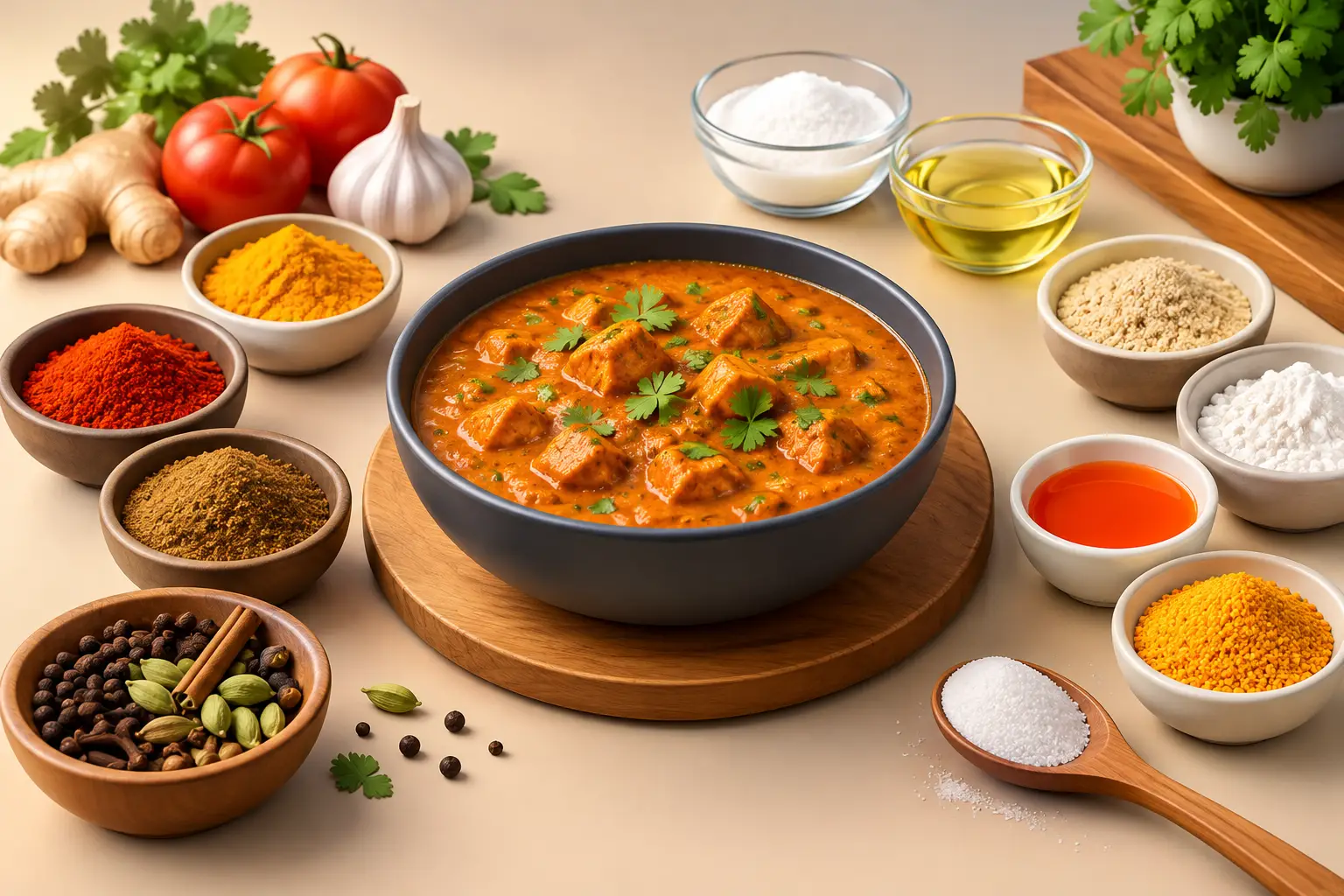
The second layer is sauce and comfort. This is where curries earn their place. A sharing table usually benefits from one richer option and one lighter or brighter option. Butter chicken or a creamy paneer dish can work beautifully, but it helps to balance that with something tomato-led, herb-forward, or gently spiced rather than another heavy sauce. If every main is rich, the meal can flatten out fast.
The third layer is freshness. This is the part many people skip, then wonder why the meal feels too dense. A crisp salad, cucumber-based yogurt, pickled onions, mint chutney, or a simple side of vegetables gives the platter relief. Fresh elements sharpen the grilled dishes and reset the palate between bites.
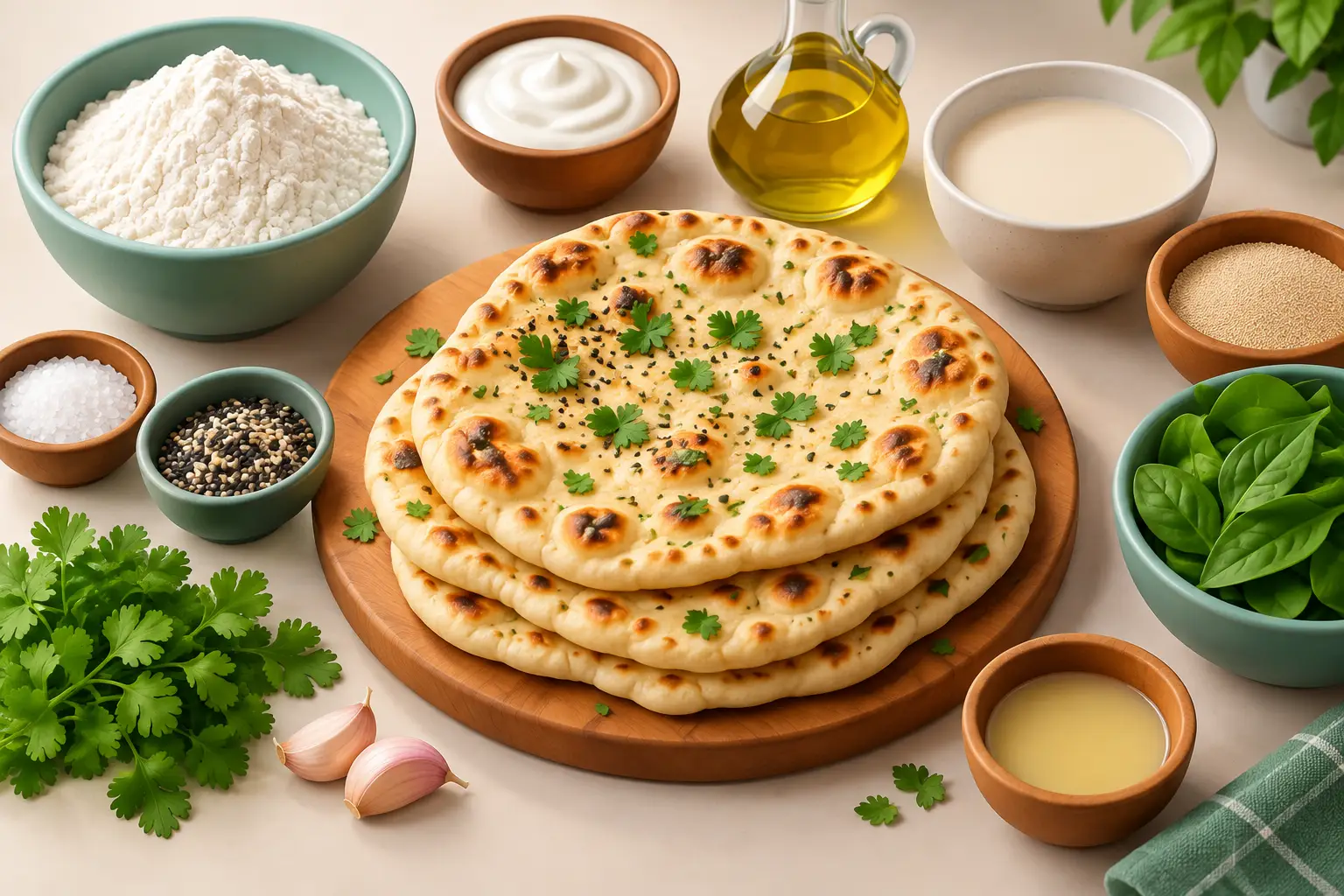
Then come the carriers – naan, roti, and rice. The best choice depends on the rest of the order. If you already have rich curries, a lighter bread and plain basmati rice may be enough. If the meal leans grilled and dry, a buttered naan or garlic naan can make it feel more generous. It depends on whether you want the bread to support the food or become part of the indulgence.
How to balance a sharing platter without overordering
The most common mistake with a guide to Indian sharing platters is treating sharing as an excuse to order everything. Variety matters, but so does pacing. A table with too many mains, too many breads, and no contrast tends to feel crowded rather than abundant.
For two people, one starter to share, two mains with different profiles, one bread, and one rice is often enough, especially if one dish is grilled. For four people, two or three starters, two to three mains, a couple of breads, and one or two rice dishes usually creates a full meal without waste. Larger groups can add more variety, but repeating formats is rarely necessary. Two creamy curries and two similar breads do not create range – they just create leftovers.
Balance also means thinking about heat. Not everyone wants the same spice level, and that is part of the appeal of sharing. One dish with real heat can be exciting, but it helps to place it beside milder options so the whole table can enjoy the meal comfortably. A platter should invite people in, not make half the group reach for water.
Building platters for different occasions
Not every sharing meal should be built the same way. A date night platter usually works best when it feels generous but not overwhelming. A grilled starter, one elegant curry, one vegetable side, rice, and warm bread can feel special without becoming too much.
For a family dinner, flexibility matters more. You want dishes that suit different tastes and ages, so this is where grilled chicken, a mild curry, a vegetarian option, and simple rice become especially useful. Children and cautious eaters can stay with the familiar, while everyone else can build more layered plates with chutneys and sides.
For friends gathering at home, texture becomes more important because people snack and revisit the table. In that setting, platters with kebabs, samosas, paneer, crispy starters, and a couple of mains tend to work well. They create movement in the meal rather than one big sit-down moment.
Office lunches and casual celebrations are a little different again. Here, clean flavors and easy serving matter most. Dishes that travel well, stay fresh, and still taste composed after a short wait are the smart choice. That usually means a mix of grilled proteins, dependable curries, rice, breads, and a few fresh sides rather than anything too delicate.
Guide to Indian sharing platters for mixed dietary needs
One reason Indian food works so well for modern group dining is that it naturally accommodates different preferences. Vegetarian, vegan, and gluten-free diners do not need to be treated as an afterthought when the menu is built with care.
The key is to avoid making one person’s dietary choice the entire identity of the meal. A strong sharing platter should feel complete for everyone at the table. That might mean grilled vegetables or paneer with a lentil-based dish, a vegetable curry with depth rather than just heat, and breads or rice chosen with the group in mind. The result should still feel abundant and restaurant-quality.
This is where a more thoughtful kitchen stands apart. Freshly prepared Indian food, made with balance in mind, can feel satisfying without relying on excess oil or overly heavy sauces. For diners who love Indian flavors but want a lighter finish, that makes a real difference.
What makes a sharing platter feel premium
A premium platter is not about size alone. It is about care. You can taste the difference when marinades have depth, when grilled items arrive tender rather than dry, and when curries taste layered instead of simply spicy.
Presentation matters too, even for takeaway or delivery. A good sharing meal should still feel organized when it reaches the table at home. Separate condiments, fresh garnishes, breads that stay soft, and mains that travel well all help preserve that sense of occasion.
That is one reason guests looking for a more refined Indian meal often prefer restaurants that focus on freshness and balance rather than the old idea that a feast must be greasy to feel generous. At Cilantro London, that lighter, more polished approach is part of what makes sharing so appealing for both dine-in and at-home dinners.
A few smart ordering instincts
If you want the platter to feel complete, think beyond the main event. Chutneys are not decoration. Yogurt-based sides do more than cool the heat. Salad is not filler. These details create lift and keep the richer dishes from dominating.
It also helps to leave a little room. The best sharing meals have rhythm. A few bites of kebab, then a spoonful of curry, then something crisp and fresh. If the table is overloaded from the start, you lose that rhythm.
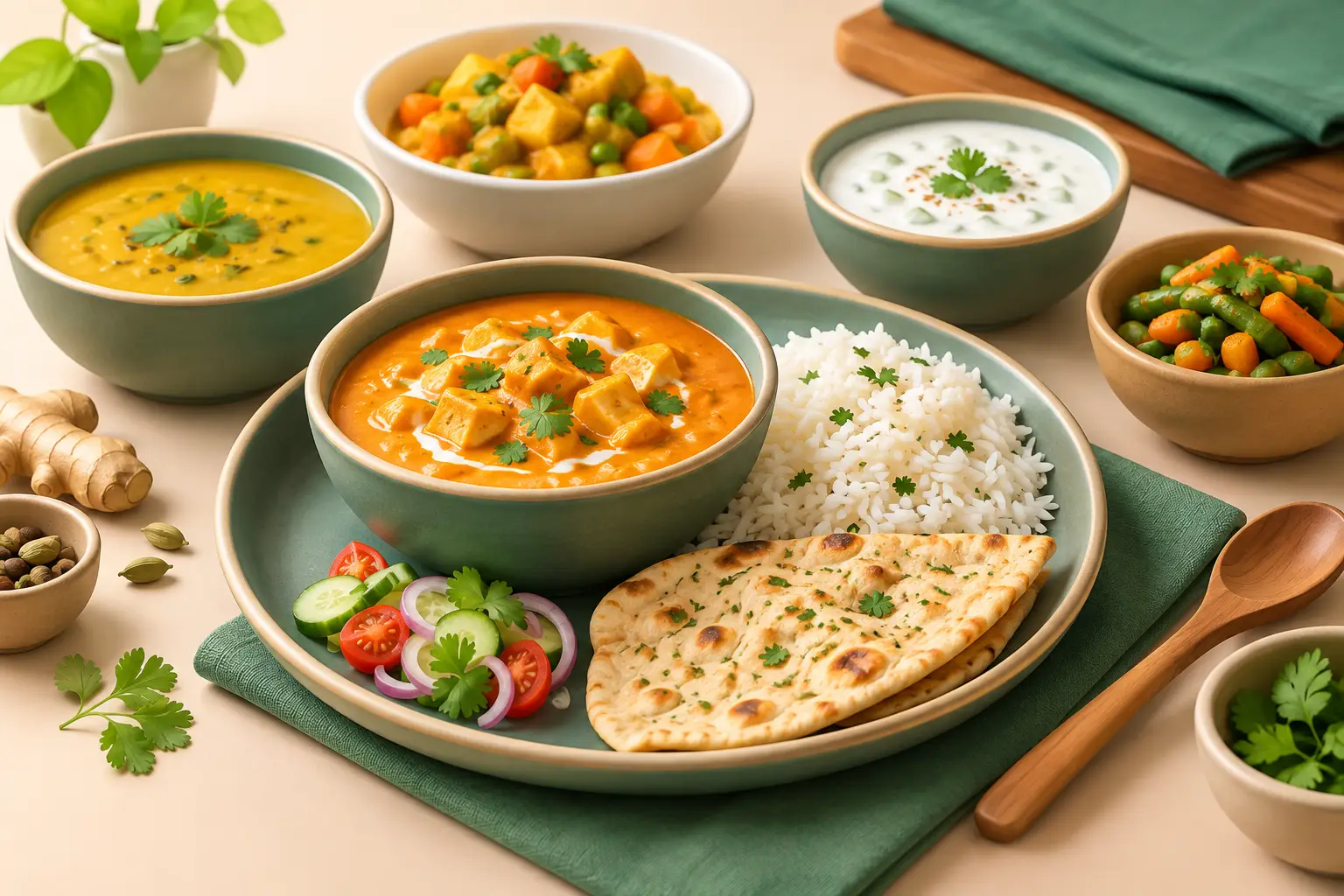
And if you are unsure, choose contrast over quantity. One smoky dish, one saucy dish, one fresh side, one bread, one rice. That formula works surprisingly often because it respects what Indian food does best.
A well-built sharing platter turns dinner into something warmer and more memorable than a set of individual orders. It invites conversation, suits different appetites, and gives the table real variety without losing balance. If you order with care, sharing is not just easier – it is usually the most satisfying way to eat Indian food.