A great curry should leave you satisfied, not weighed down. That simple expectation is behind many of the fresh ingredient curry trends changing how people enjoy Indian food, whether they are sitting down for a relaxed dinner or choosing a dependable takeaway after a busy day. The focus is moving toward vibrant vegetables, carefully handled proteins, whole spices, and sauces made with balance rather than excess oil.
For diners who love the warmth and depth of traditional Indian cooking but want a lighter experience, this is welcome news. Freshness does not mean sacrificing the richness of a slow-cooked masala or the comfort of a favorite curry. It means every ingredient has a clearer role on the plate.
Why Fresh Ingredient Curry Trends Matter
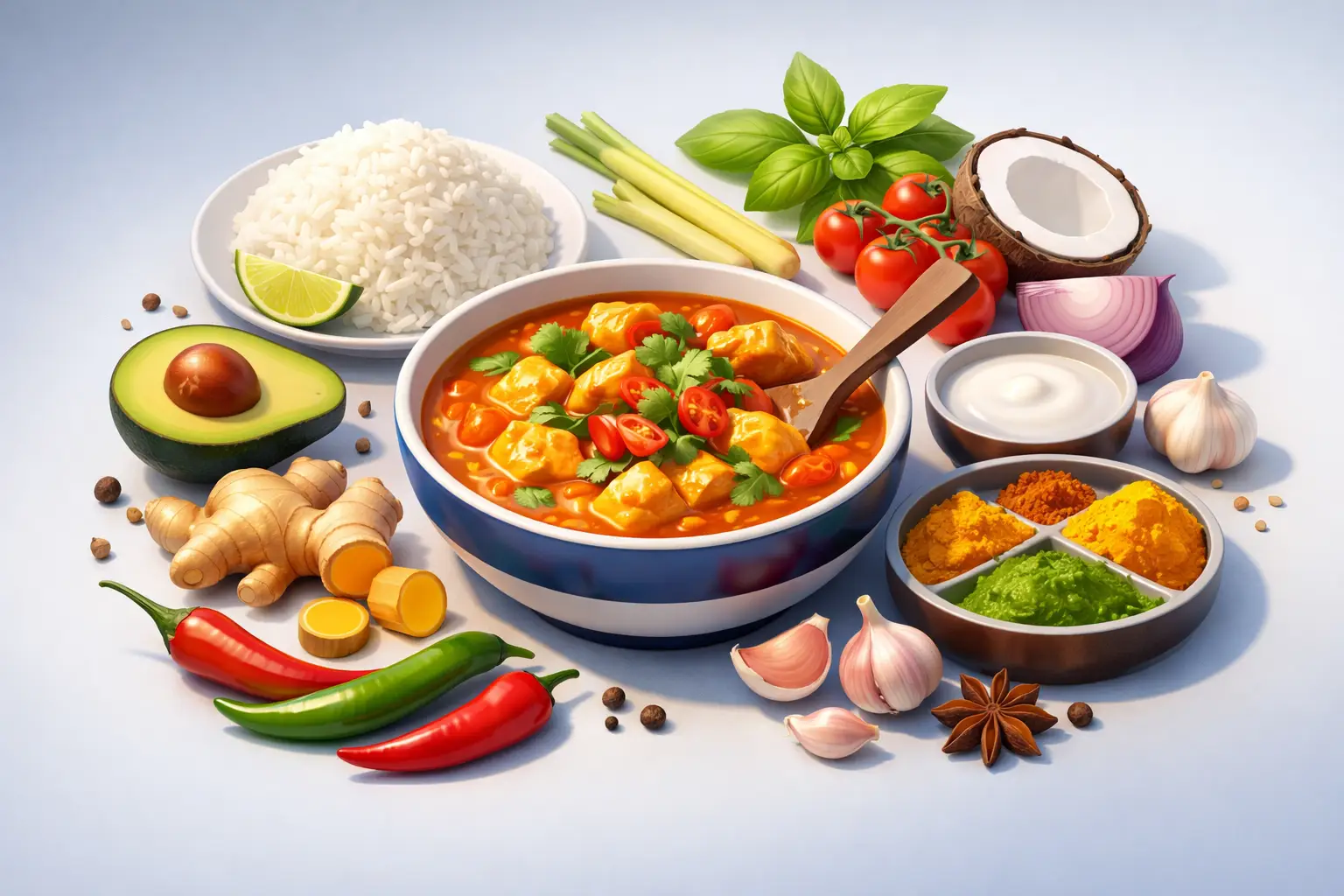
Indian cuisine has always had a strong relationship with fresh ingredients. Ginger, garlic, cilantro, chilies, tomatoes, onions, yogurt, lentils, and seasonal vegetables are not modern additions to the cuisine. What feels new is the growing demand for restaurant cooking that lets those ingredients taste distinct, while still honoring the spice blends and regional techniques that give Indian food its character.
For many guests, the shift is also practical. A curry made to order with fresh aromatics and a thoughtful amount of oil can feel more suitable for a midweek meal, an office lunch, or a family dinner. It is still deeply flavorful, but it is less likely to have the heaviness people sometimes associate with traditional takeaway food.
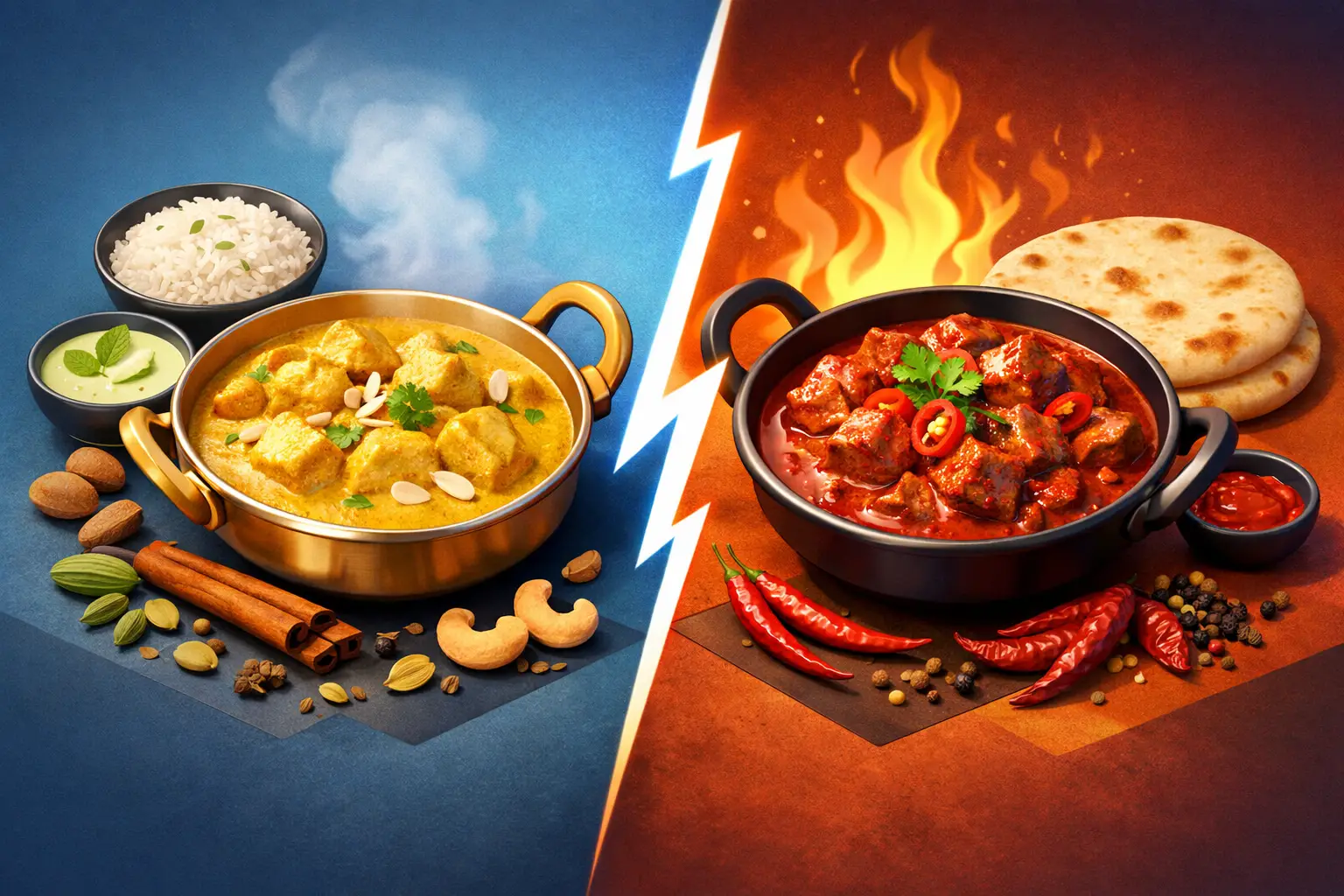
The best version of this trend is not about removing everything indulgent. Butter, cream, ghee, and cashews all have an important place in certain dishes. The difference is restraint and purpose. A creamy sauce should complement the spice and main ingredient, not cover it up.
Brighter Sauces, Built From the Ground Up
The sauce is where freshness becomes unmistakable. When onions are slowly cooked to develop sweetness, tomatoes are properly reduced, and ginger and garlic are added with care, a curry develops depth without needing an overly rich finish. Fresh chilies can bring a clean, lively heat. Cilantro, mint, lemon, and toasted cumin can lift a dish just before it is served.
This style of cooking rewards patience. A quick shortcut may create a familiar color or texture, but it rarely creates the same layered flavor. Freshly prepared bases allow chefs to adjust seasoning as they cook, bringing acidity, sweetness, heat, and salt into balance.
There is a trade-off, of course. Made-to-order food can require a little more care and timing than a batch-made sauce kept ready for hours. For diners, that extra attention is part of the appeal. It is the difference between food that simply arrives hot and food that tastes as though it was prepared for your table.
The return of tomato, yogurt, and herbs
Tomato-based curries are being appreciated for their natural acidity and clean finish, especially alongside grilled chicken, paneer, or vegetables. Yogurt brings gentle tang and body to marinades and sauces while helping spices feel rounded rather than sharp. Fresh herbs bring contrast, adding fragrance to dishes that might otherwise feel too rich.
This does not mean every curry needs to be bright or light. A dark, slow-cooked lamb dish has its own appeal, particularly on a cooler evening. The point is choice: a menu should offer both comforting depth and fresher, more vegetable-forward options.
Seasonal Vegetables Take Center Stage
One of the most promising fresh ingredient curry trends is the move away from treating vegetables as an afterthought. Cauliflower, spinach, eggplant, okra, chickpeas, green beans, lentils, and squash can all carry a curry when they are cooked with precision and paired with the right spices.
A well-made vegetable curry should have texture. Eggplant should be silky rather than oily. Okra should be tender with a little bite. Spinach should taste earthy and fresh, not dull or overcooked. The choice of spice matters too: mustard seed can sharpen a vegetable dish, fenugreek adds gentle bitterness, and cumin brings a warm nuttiness.
For vegetarian and vegan diners, this is more than a passing food trend. It is a sign that plant-based choices can be complete, satisfying, and full of character. A thoughtfully prepared dal, chana, or vegetable curry does not need to imitate a meat dish to feel generous.
At the same time, not every vegetable curry is automatically lighter. Coconut milk, nuts, and oil can add significant richness, and that may be exactly what a diner wants. The value is in clear, honest cooking and having options that fit different appetites.
Tandoor Cooking Complements a Lighter Curry
Fresh curry cooking works especially well with tandoor dishes. Chicken, fish, paneer, and vegetables cooked at high heat take on a smoky exterior while keeping their interior flavor. Paired with a tomato-based sauce, lentils, a crisp salad, or simply warm naan, they create a meal that feels complete without relying on a heavy gravy.
Marinades are central here. Fresh ginger, garlic, yogurt, lemon, and spices help tenderize and season ingredients before they reach the tandoor. The result is not only flavor on the surface, but depth throughout each bite.
For takeaway, tandoor dishes also travel well when packed thoughtfully. Sauce can be served separately where appropriate, helping the grilled texture stay intact until dinner reaches the table. It is a small detail that makes a noticeable difference.
Spice Is Becoming More Precise, Not Just Hotter
A common misunderstanding is that bold Indian food must be extremely hot. Heat is only one part of the flavor. Fresh ingredient cooking has encouraged a more precise approach to spice, where guests can taste the citrusy quality of coriander seed, the warmth of cardamom, the earthiness of turmeric, or the gentle sweetness of cinnamon.
That does not mean heat has disappeared. Fresh green chilies, red chili powder, and pepper can still make a dish exciting. But a good curry should offer more than one note. The heat should build naturally, leaving room for the main ingredient and the sauce to speak.
This is particularly useful for groups and families ordering together. One person may want a fiery curry, while another prefers mild warmth, and someone else may need a vegan or gluten-free option. Flexible, fresh preparation makes it easier to meet those needs without making anyone feel like an afterthought.
What to Look for When Ordering Fresh Curry
The language on a menu can offer helpful clues. Dishes described with grilled ingredients, fresh herbs, tomato, spinach, lentils, roasted vegetables, or yogurt-based marinades often point toward a lighter style, though the final dish always depends on the recipe. Asking for guidance is worthwhile, especially if you have dietary preferences or want something less rich.
Consider the whole meal as well. A satisfying order might pair a tandoori main with a vegetable curry, dal, or salad, rather than choosing several cream-based dishes at once. Rice can be a natural fit, while fresh breads are ideal for scooping sauces and sharing at the table.
At Cilantro London, the aim is to bring this balance to authentic Indian food: traditional recipes, responsibly chosen ingredients, and made-to-order care that suits both a restaurant evening and a quality meal at home. Guests in Putney and nearby neighborhoods should not have to choose between convenience and food that feels thoughtfully prepared.
Freshness Is a Better Kind of Comfort
The appeal of curry will always be its comfort: the aroma of toasted spices, the warmth of a simmering sauce, and the pleasure of sharing a meal with people you enjoy. Fresh ingredients do not change that. They sharpen it.
Next time you are choosing Indian food, let your appetite guide you, but make room for brightness too. A curry with real depth, fresh herbs, well-cooked vegetables, and carefully balanced spice can turn an ordinary dinner into the kind of meal you want to order again.