
A fragrant biryani should feel like a celebration, not a guessing game. If you are avoiding gluten, learning how to pick gluten free biryani means looking beyond the rice. Basmati rice, meat, vegetables, herbs, and whole spices are naturally gluten-free, but a restaurant’s preparation methods, premade blends, and side dishes can change the picture.
The good news is that biryani can be one of the more straightforward Indian dishes to choose when it is prepared with care. Its flavor should come from slow-cooked onions, saffron or fragrant spices, fresh herbs, and properly seasoned rice – not from flour-based thickeners. A few informed questions can help you order a dish that is both safe for your needs and every bit as satisfying.
How to Pick Gluten Free Biryani at a Restaurant
Start with the simplest question: is the biryani itself prepared without wheat, barley, rye, or gluten-containing ingredients? Do not assume that “rice dish” automatically means gluten-free. Traditional biryani recipes are often naturally free from gluten, but every kitchen has its own marinades, spice mixes, stocks, and shortcuts.
A restaurant that understands dietary requests should be able to explain what goes into its rice, protein or vegetables, and seasoning. Clear answers are a very good sign. If the team needs to check with the kitchen, that is also encouraging – it shows they are taking the request seriously rather than making a quick assumption.
For people with celiac disease or a high sensitivity to gluten, the question is not only about ingredients. Ask whether the biryani can be prepared and packed away from foods containing wheat. Cross-contact can happen through shared utensils, work surfaces, storage containers, or fryers. A dish may contain no gluten by recipe but still be unsuitable if it is handled alongside naan, breads, or battered foods without appropriate care.
Ask About the Spice Blend and Marinade
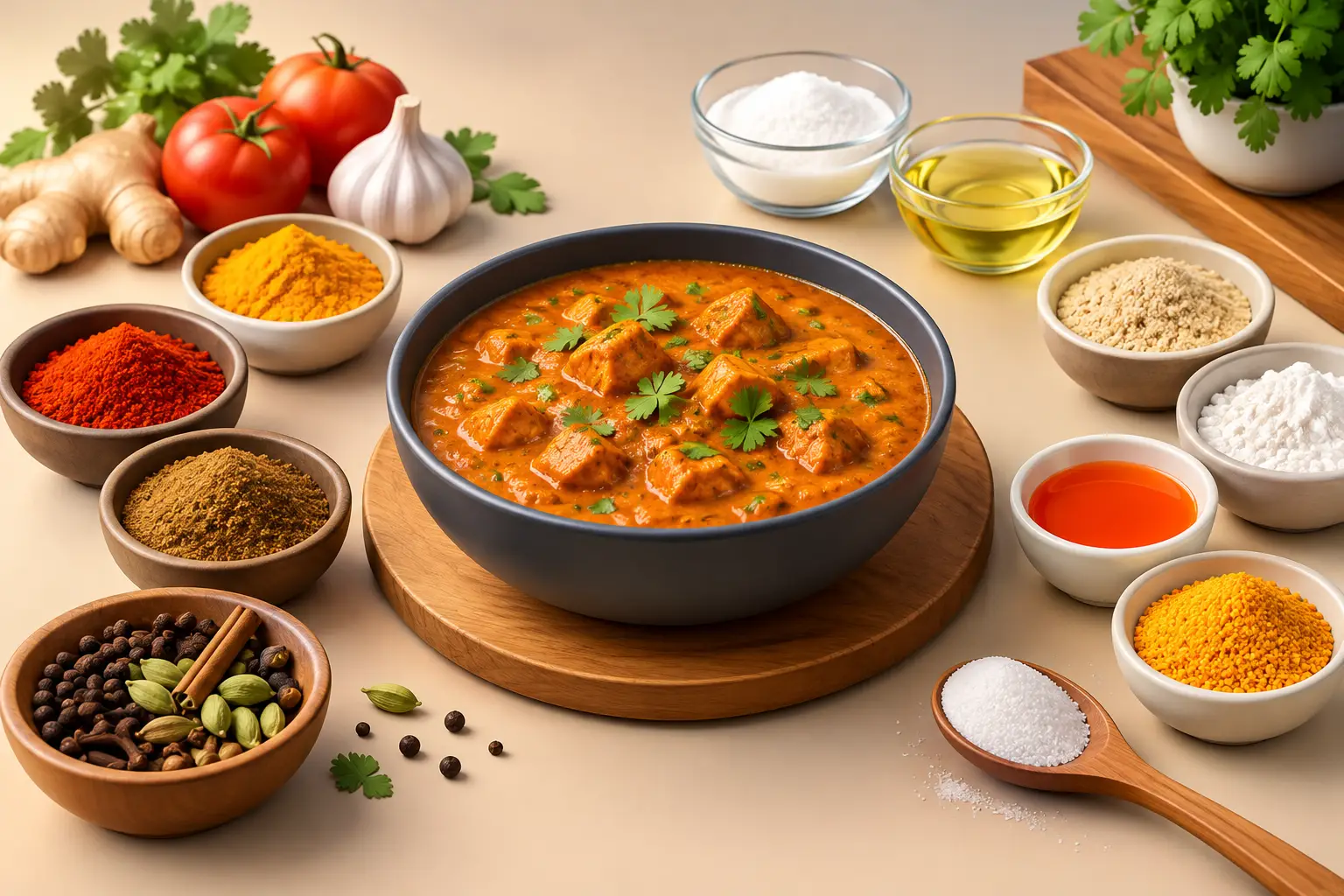
Biryani gets its character from spices, but not every spice product is as simple as it sounds. Whole cumin, cardamom, cloves, cinnamon, turmeric, coriander, mint, and saffron are naturally gluten-free. The possible concern is a commercial spice blend, seasoning powder, or prepared paste that may contain flour, wheat starch, malt, or undisclosed additives.
This does not mean you need to avoid spices or fear a deeply flavored biryani. It simply means asking whether the kitchen uses a house blend made from spices or a packaged mix with additional ingredients. The same applies to a chicken, lamb, or vegetable marinade. Yogurt, ginger, garlic, lemon, chilies, and spices are all promising signs. If a marinade includes a bottled sauce, stock concentrate, or seasoning mix, it is worth checking further.
Asafoetida is another ingredient to keep in mind. In Indian cooking, it is sometimes blended with wheat flour to make it easier to use. It is more common in certain lentil and vegetable dishes than in biryani, but it is still sensible to ask if you have celiac disease or need strict avoidance.
Check the Rice, Stock, and Cooking Method
Plain basmati rice is naturally gluten-free, and it is the foundation of a good biryani. However, rice may be par-cooked in stock or seasoned with a prepared flavor base. Ask whether the stock or broth used in the rice contains gluten. This matters most in restaurant kitchens that use concentrated bouillon, sauces, or prepared stocks rather than a simple house-made broth.
Also ask whether the biryani is cooked to order, finished separately, or held in a shared warming area. Made-to-order preparation can offer more flexibility for dietary needs, particularly when the kitchen can use clean utensils and a separate pan. It may take a little longer, but it is often the better trade-off when confidence matters more than speed.
A traditional layered biryani, gently steamed so the aromatic rice and filling cook together, is usually a reassuring choice. The dish does not need a thick sauce to deliver depth. In fact, a lighter, well-balanced biryani lets the quality of the ingredients and the complexity of the spices come through.
What to Ask Before You Order Gluten Free Biryani
You do not need a long interrogation at the table or on the phone. Four specific questions usually give you the information you need:
- Is this biryani made without wheat, barley, rye, or gluten-containing sauces and seasonings?
- Are the spice blend, marinade, and stock gluten-free?
- Can the kitchen prevent cross-contact during preparation and packing?
- Which accompaniments can you recommend as gluten-free?
If you are ordering online, add your requirement clearly in the notes, then call if the menu does not identify gluten-free options or if your allergy is severe. Written notes are useful, but a brief conversation can clarify whether the restaurant can safely accommodate you that day.
Be direct about the level of care you need. Saying “I need this to be gluten-free due to celiac disease” gives the kitchen more useful information than simply asking for “no gluten.” Restaurants can then tell you honestly what is possible, including when cross-contact cannot be fully ruled out.
Do Not Forget the Biryani Sides
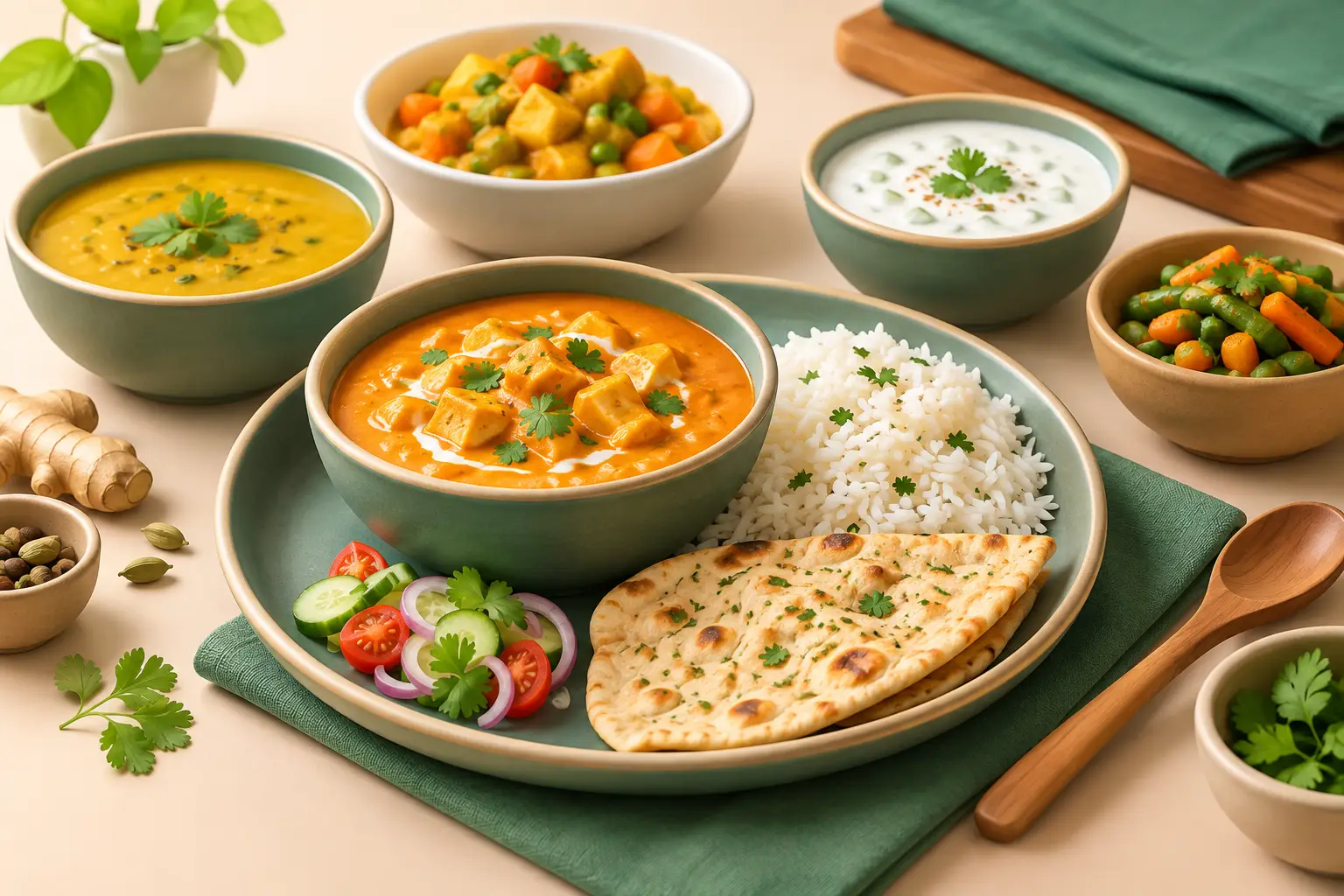
The biryani may be gluten-free while the meal around it is not. This is where otherwise careful orders can become complicated. Naan, roti, paratha, and other breads contain wheat, so they should be avoided unless a restaurant specifically offers a certified gluten-free alternative.
Raita is often made from yogurt, cucumber, herbs, and spices, which can make it a refreshing companion to biryani. Still, ask about the seasoning and preparation. Pickles, chutneys, and sauces deserve the same check, particularly if they are bought in or contain vinegar, malt, soy sauce, or a prepared spice mix.
Papadums are another item that depends on the recipe and kitchen. Many are made from lentil flour and may be gluten-free by ingredients, but some contain wheat or are fried in oil shared with wheat-based items. A simple question protects the meal without taking away from the experience.
For a lighter, balanced order, pair your biryani with a confirmed gluten-free salad, vegetable side, or raita instead of treating bread as essential. A well-made biryani is complete in itself: aromatic rice, tender protein or vegetables, bright herbs, and warming spice should give you plenty of flavor on the plate.
Read Menu Labels Carefully, Then Speak to the Team
A gluten-free label is helpful, but it should be the beginning of the conversation when you have a medical need. Menus can change, suppliers can change, and busy service periods can affect what a kitchen can accommodate. The best restaurants welcome a polite question and do not overpromise.
Likewise, a menu without gluten-free symbols is not automatically a reason to rule out biryani. Some independent Indian restaurants make many dishes from naturally gluten-free ingredients but have not formally labeled every item. What matters is whether the team can explain the recipe and the precautions they take.
At Cilantro London, diners can let the team know about dietary requirements when booking a table or placing an order, allowing the kitchen to guide them toward suitable choices. This is especially useful for family dinners, office orders, and delivery meals where one guest’s dietary needs should not limit everyone else’s enjoyment.
Choose Flavor, Freshness, and Clear Communication
The best gluten-free biryani is not a compromise dish. Look for long-grain rice with separate, fragrant grains; a generous but balanced layering of spices; and chicken, lamb, or vegetables that taste freshly cooked rather than masked by heavy sauce. These are signs of a kitchen that values technique and quality, which often goes hand in hand with more thoughtful dietary preparation.
There are limits to what any restaurant can guarantee, especially in a kitchen that also prepares wheat-based breads. If you have celiac disease, always follow the advice of your healthcare professional and choose restaurants that can clearly describe their process. For a less severe gluten intolerance, you may have more flexibility, but ingredient transparency still matters.
When a restaurant can answer your questions confidently, adapt the preparation where needed, and recommend suitable sides, you can settle in and enjoy the dish as it is meant to be enjoyed. A carefully chosen biryani brings comfort, fragrance, and occasion to the table – with no need to leave your dietary needs behind.