A dinner decision can come down to one very practical question: do you want every bite built into one fragrant, satisfying dish, or do you want the freedom to choose your sauce, protein, and sides? When weighing biryani versus curry for dinner, neither is automatically the better choice. It depends on the evening, your appetite, and the kind of Indian meal you are craving.
Biryani offers comfort in a single, carefully layered plate. Curry brings variety, warmth, and the chance to make the meal entirely your own. For a relaxed dinner in Putney, a family meal in Richmond, or a well-earned takeaway after work, knowing the difference makes ordering feel much easier.
Biryani versus curry for dinner: the main difference
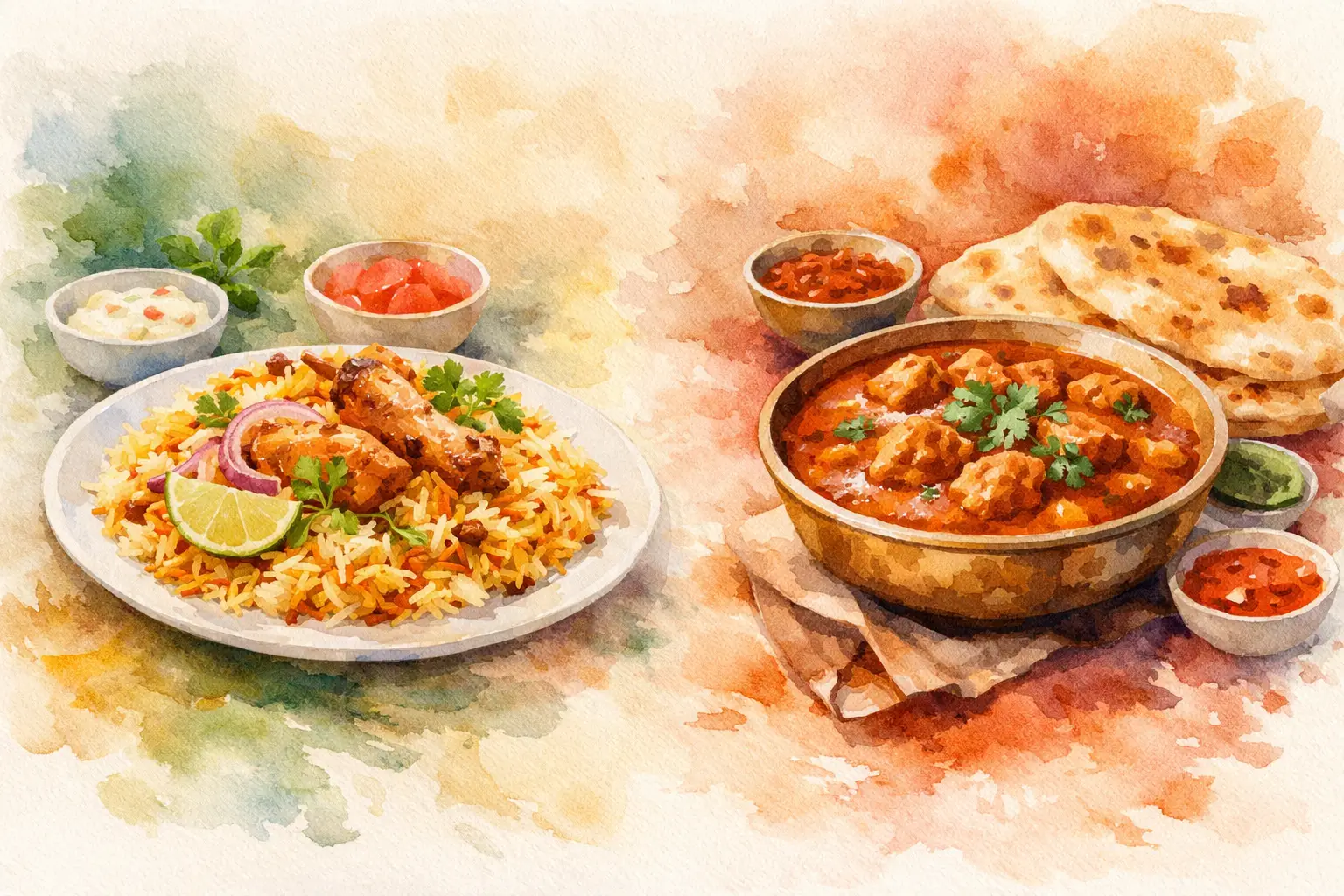
Biryani is a complete rice dish, traditionally prepared by layering aromatic basmati rice with delicately spiced meat, seafood, or vegetables. The ingredients cook together so the rice absorbs the fragrance of whole spices, herbs, and the main ingredient. A good biryani is not simply rice served beside a sauce. It is a composed dish, with flavor running through every layer.
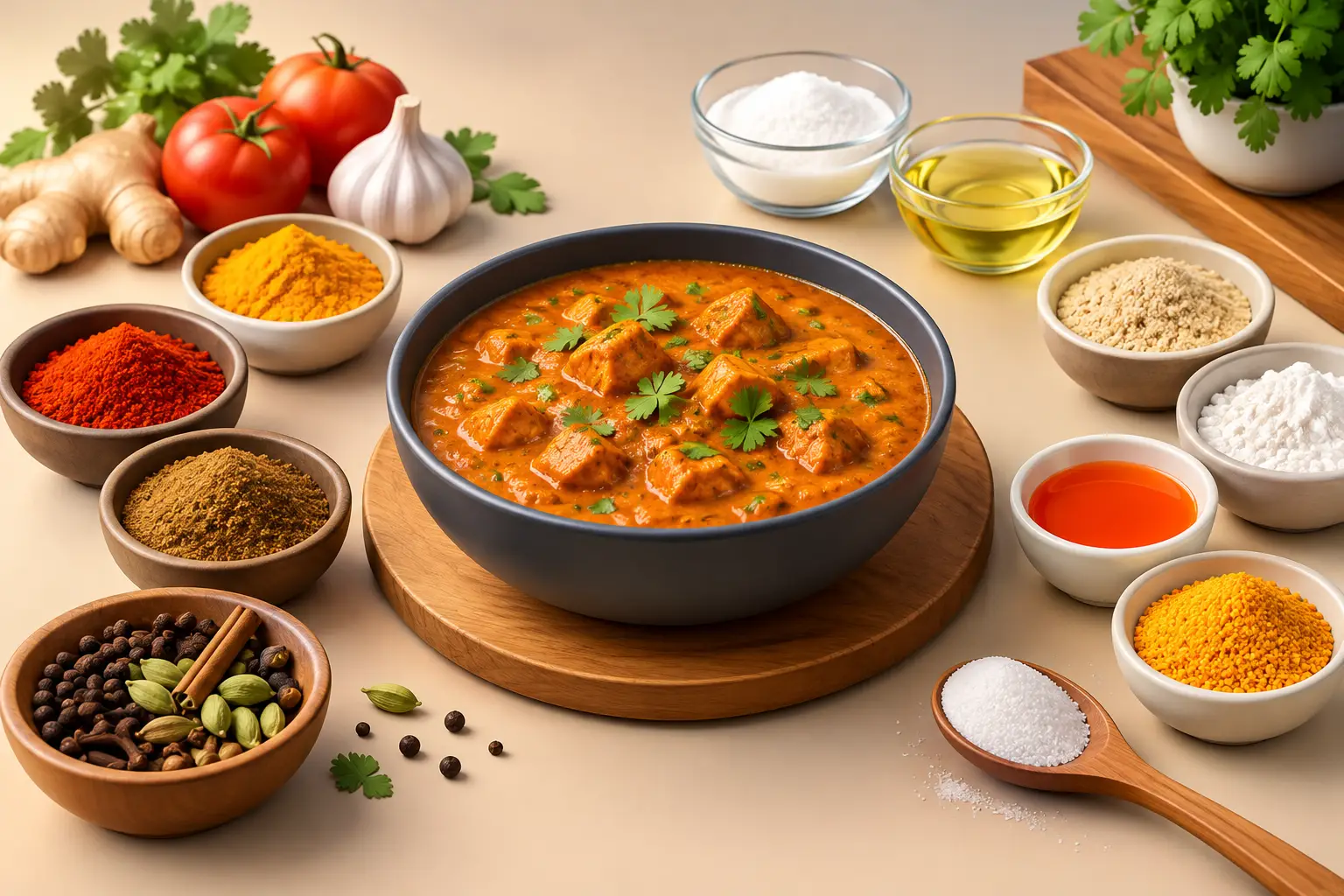
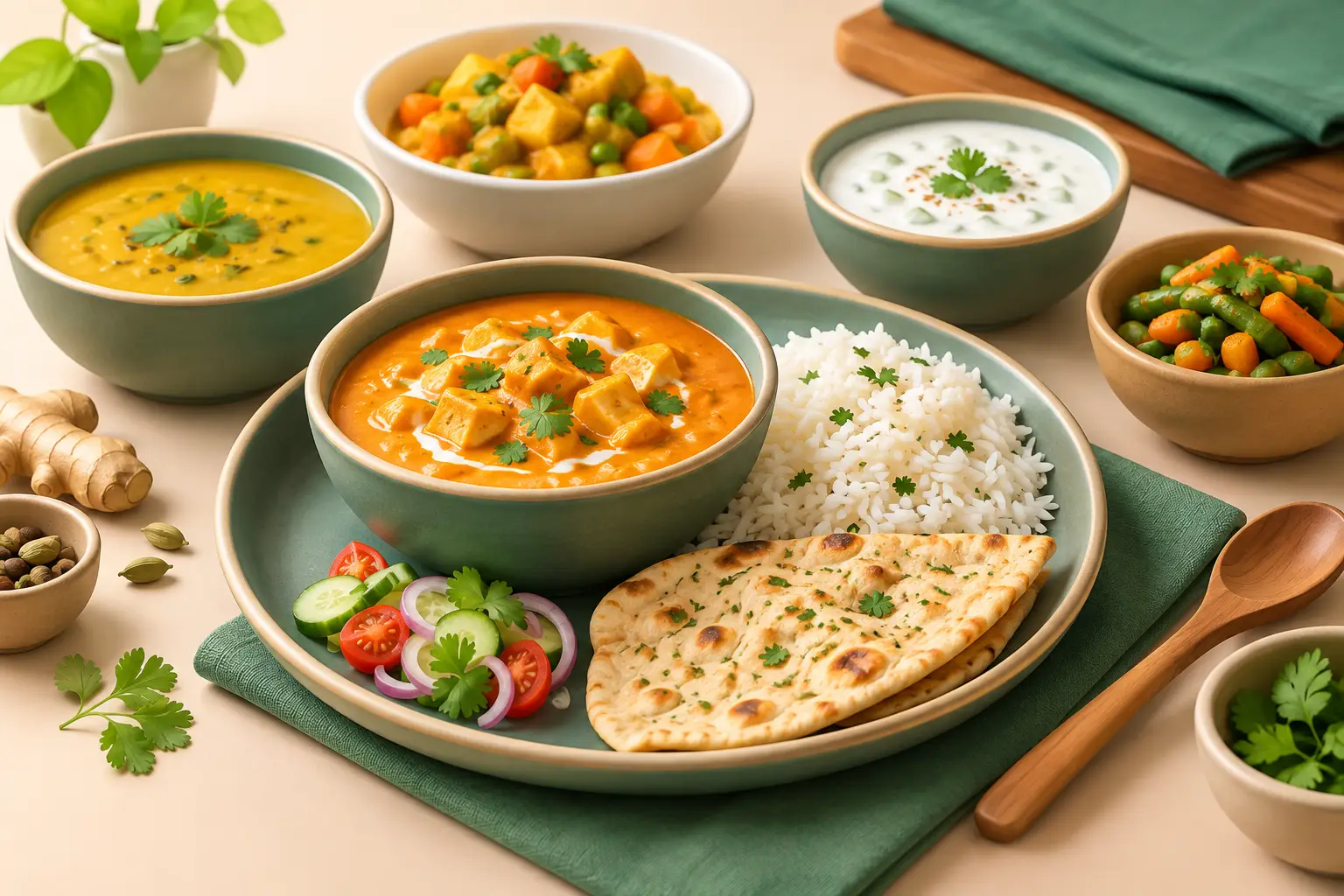
A curry is more flexible by nature. It centers on a sauce, whether creamy and mild, tomato-led and tangy, gently coconutty, or rich with toasted spices. You can pair it with fluffy basmati rice, naan, roti, a fresh salad, or a combination of sides. That flexibility is exactly why curry works so well when everyone at the table wants something slightly different.
The simplest way to think about it is this: choose biryani when you want one complete, aromatic dish; choose curry when you want to build your ideal plate.
Choose biryani when you want a complete, fragrant meal
Biryani suits nights when dinner needs to feel generous without becoming complicated. There is a natural sense of occasion in lifting the lid from a hot biryani: the steam carries the scent of saffron, cardamom, cloves, cinnamon, and fresh herbs before the first forkful reaches the table.
Because rice is already part of the dish, biryani is often an efficient choice for one person or two people who want a satisfying main without ordering many extras. It travels well for takeaway, too. The rice holds flavor and texture, making it a dependable option for eating at home rather than a dish that relies on arriving with multiple sides at exactly the right moment.
A chicken biryani can be a particularly comforting choice after a busy day, while vegetable biryani gives vegetarian diners a full meal with substance and spice depth. If you enjoy food with contrast, look for cooling raita or a crisp salad alongside it. The fresh, tangy element cuts through the warm spices and keeps each mouthful lively.
That said, biryani is filling. If you are looking for a lighter late dinner, have a smaller appetite, or plan to share starters, a full portion may feel more substantial than you need. It is also less customizable once prepared. You are choosing the chef’s balance of rice, spice, and ingredients rather than adjusting the meal course by course.
When biryani is the right call
Biryani is especially well suited to a solo dinner, a casual night in, or a meal where you want minimal decision-making. It can also be a smart choice for office dinners and family gatherings when you want something that feels special but is easy to serve.
For diners who enjoy aromatic spice rather than heavy sauce, biryani has a clear advantage. Its flavor is layered and warm, but a well-made version should not feel greasy or overly rich. The rice should be separate and fragrant, the ingredients tender, and the seasoning balanced enough that you can taste more than just heat.
Choose curry when everyone wants something different
Curry wins on variety. One person may want a creamy, mild dish; another may want a tomato-based curry with a little more warmth; someone else may prefer a vegetable or vegan option. Ordering a few curries for the table lets everyone find their favorite while still sharing the meal.
This makes curry a natural choice for couples, families, and groups. Add rice for one person, naan for another, and perhaps a lighter side for the table, and dinner feels abundant without every diner eating the same dish. It is the more sociable option, particularly on a Friday night when the table is meant for conversation as much as food.
Curry can also better suit a wellness-minded order, depending on the dish and sides you choose. A lean protein or vegetable curry with basmati rice and a salad can feel balanced and satisfying. Those who avoid dairy can choose from naturally dairy-free styles or ask about vegan-friendly preparations, while gluten-free diners can often find plenty of options when they skip bread and confirm individual ingredients.
The trade-off is that curry benefits from thoughtful pairing. A rich sauce can need plain rice or bread to carry it, and a very spicy curry may call for yogurt, raita, or a cooling side. This is not a drawback for diners who enjoy creating a spread, but it does mean curry can become a larger order than biryani.
Let the sauce guide your choice
If your craving starts with a specific flavor profile, curry is usually the answer. Want something creamy, mellow, and comforting? Choose a mild, gently spiced curry. Want brightness, warmth, and a deeper tomato note? A more classic spiced sauce may be the better fit. Want to keep things lighter? A vegetable-forward or tandoori-style main with a carefully chosen curry can offer plenty of flavor without the heaviness people sometimes associate with traditional takeaway.
At Cilantro London, the aim is to preserve the character of authentic Indian cooking while giving diners fresher, more balanced choices. That means the decision does not need to be between indulgence and feeling good after dinner. A well-prepared curry can be deeply comforting while still allowing the spices, vegetables, and quality ingredients to come through clearly.
Think about hunger, timing, and leftovers
The best dinner choice is often less about the menu and more about what your evening looks like. If you are starving and want a complete dish delivered to the sofa, biryani’s built-in rice and generous portion make sense. If dinner is a shared occasion, curry gives the table more range and lets each person eat according to their appetite.
For leftovers, both can work beautifully, though in different ways. Biryani is easy to portion and reheat gently, ideally with a small splash of water and a covered dish so the rice stays tender. Curry often develops even more depth overnight as the spices settle into the sauce. Store rice separately if possible, then reheat until piping hot.
Consider the season as well. On a cold, rainy London evening, a warming curry with soft naan can be hard to beat. On a brighter evening, vegetable biryani with raita and salad may feel more complete without being too heavy. There is no rule that says one belongs to winter and the other to summer, but your mood often knows what it wants.
A quick way to decide tonight
If you want a single, aromatic, rice-based dish with minimal extras, order biryani. If you want choice, shareability, and the ability to match sauces and sides to different tastes, choose curry. For a table with mixed dietary preferences, curry usually makes planning easier. For a straightforward, satisfying meal for one, biryani is hard to improve on.
And if you are still torn, let the occasion decide. Make biryani the comforting centerpiece of a quiet evening, or gather a few curries and sides when dinner is meant to be shared. The most satisfying order is the one that matches the people around the table and leaves you looking forward to the next bite.