Some orders are easy. You know you want Indian food, you want it fresh, and you want something that feels satisfying without leaving you overly full an hour later. The real question in the tandoori grill vs curry debate is not which one is better overall. It is which one suits your mood, appetite, and table.
If you have ever scanned a menu and hesitated between smoky grilled chicken or a rich, sauce-led classic, you are not alone. Both are central to Indian cooking, but they deliver very different experiences. One leans charred, vivid, and direct. The other offers depth, comfort, and layers that build with every bite. Knowing the difference helps you order with more confidence, especially when you want the meal to match the occasion.
Tandoori grill vs curry: the core difference
At the simplest level, tandoori dishes are cooked with dry heat, while curries are built around sauce. That sounds obvious, but it shapes everything that follows – flavor, texture, heaviness, and even how the meal feels afterward.
Tandoori cooking traditionally uses a clay oven called a tandoor. Meat, fish, paneer, or vegetables are marinated in yogurt, spices, and aromatics, then cooked at very high heat. The result is a lightly charred exterior, a tender interior, and a flavor that feels clean but still deeply seasoned. You taste smoke, spice, and the natural character of the main ingredient.
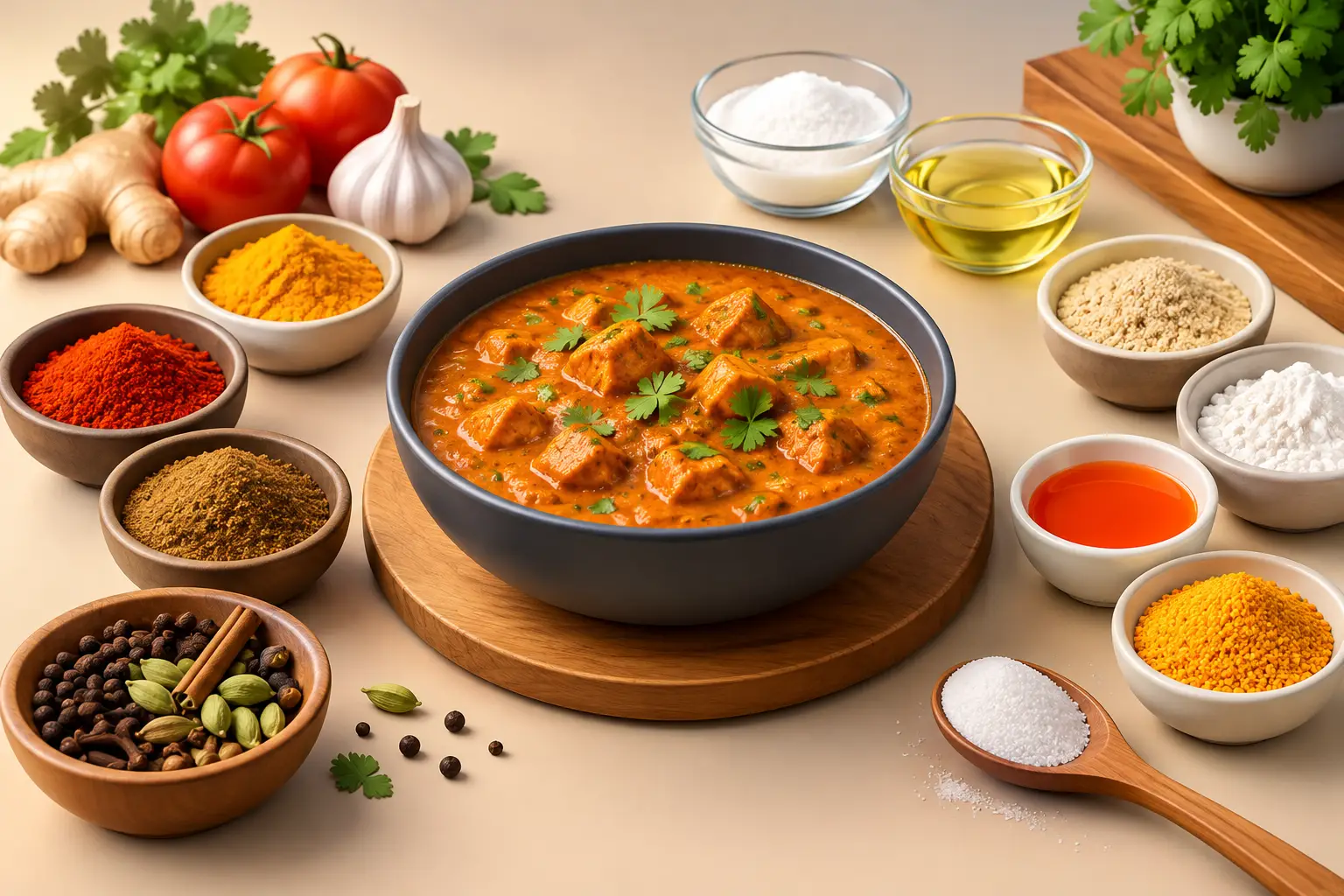
Curry works differently. A curry develops through a base of onion, tomato, yogurt, cream, coconut milk, or stock, depending on the region and recipe. Spices are layered into that base, then simmered with the protein or vegetables. What you get is more rounded and more integrated. Instead of char and contrast, curry gives you richness and cohesion.
Neither style is more authentic than the other. Both come from strong culinary traditions. The better choice depends on whether you want the food to lead with texture and fire, or with sauce and depth.
Why tandoori often feels lighter
For many diners, this is where tandoori grill vs curry becomes a practical choice rather than a purely culinary one. Tandoori dishes often feel lighter because they are not sitting in a sauce. Even when the marinade is full of flavor, the finished plate usually has less fat and less overall density than a creamy curry.
That does not mean every curry is heavy. Some are tomato-based, some are brothier, and some have a bright tang that keeps them balanced. But if you are choosing dinner after a long workday and want something flavorful that still feels clean, a tandoori option often makes sense.
This is also why grilled dishes appeal to diners who like Indian food but want a fresher, less greasy experience. Good tandoori cooking should never feel dry or stripped back. It should feel vibrant, precise, and satisfying in a different way.
Flavor: bold smoke or layered sauce
Tandoori flavor is immediate. You taste the marinade first – perhaps cumin, coriander, garlic, ginger, chili, paprika, or garam masala – then the heat of the grill, then the ingredient itself. Chicken tikka, lamb chops, tandoori prawns, and paneer tikka all work because high heat sharpens their character rather than covering it.
Curry is more gradual. The first spoonful may give you creaminess, sweetness, heat, or acidity, but then the spices keep opening up. A good curry changes slightly as you eat it. You notice the slow warmth of chili, the grounding note of cumin, the sweetness of caramelized onion, or the richness of butter or coconut.
If you love complexity that unfolds over time, curry has the edge. If you prefer flavors that are defined and clean from the first bite, tandoori will often be more appealing.
Texture matters more than people think
When people compare these two categories, they usually focus on spice or richness. Texture deserves just as much attention.
Tandoori dishes bring contrast. There is char at the edges, tenderness inside, and often a welcome freshness from salad, mint chutney, or lemon. The plate feels structured. Each element stands on its own.
Curries are softer by nature. The protein absorbs the sauce, rice soaks it up, and naan becomes part of the experience. That softness is part of the comfort. It is one reason curry is so satisfying in colder weather or when you want a slower, more relaxed meal.
So ask yourself what kind of satisfaction you are after. If you want bite, char, and definition, go grilled. If you want spoonable warmth and a meal built around sauce, go curry.
Tandoori grill vs curry for spice levels
People often assume tandoori is hotter because it looks bright and intense. In reality, spice level depends more on the recipe than the cooking method.
Tandoori dishes can be quite mild if the marinade focuses on aromatics rather than heat. Yogurt also softens spice and helps create balance. Curries vary widely too. A creamy curry may be gentle, while another with green chilies or a stronger masala base can be much hotter.
What changes is how the spice arrives. In tandoori dishes, the heat tends to feel drier and more direct. In curry, it is woven into the sauce, so it can feel slower but more persistent. If you are sensitive to spice but still want flavor, a carefully marinated grilled dish or a balanced tomato-based curry can both work well.
Which is better for sharing?
This depends on the table. Tandoori platters are excellent when everyone wants to try a few different proteins or vegetarian options without committing to one sauce profile. They feel social, generous, and a bit more varied in texture.
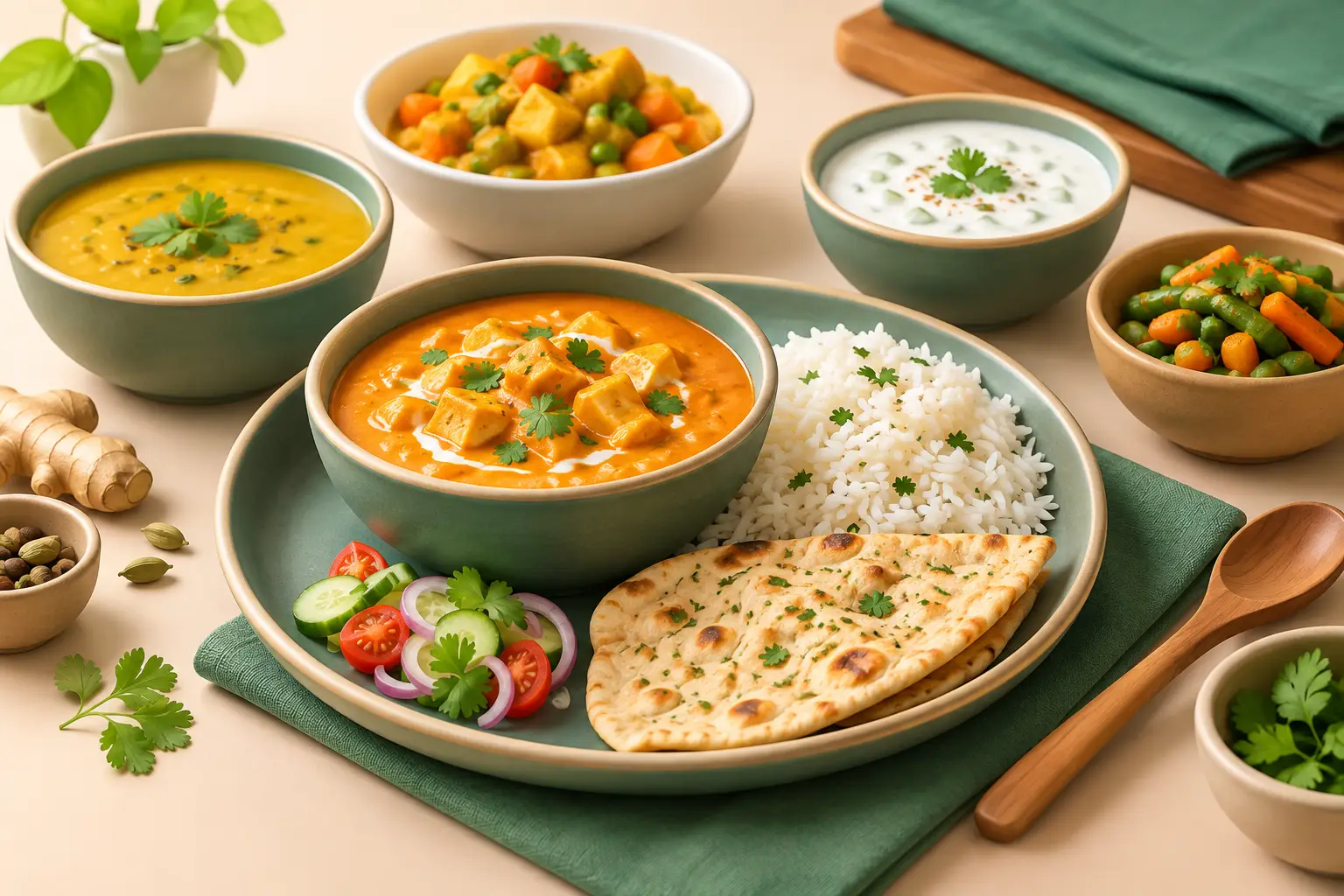
Curries are equally good for sharing, but in a different way. They create that classic spread of mains, rice, and breads where everyone builds their own plate. It is comforting and familiar, especially for family dinners or easy group meals.
If the group includes people with different dietary preferences, grilled starters and mains can make things simpler. Paneer, chicken, lamb, fish, and vegetables all adapt naturally to tandoori cooking. At the same time, curry menus often provide strong vegetarian and vegan choices, so the best answer is still situational.
When curry is the better choice
There are moments when curry clearly wins. If you want comfort, sauce, and a meal that feels a little indulgent, curry is the right direction. It suits evenings when you want to settle in, share naan, and enjoy food that feels deeply warming.
Curry is also a better match if rice is central to your meal. The interaction between sauce and rice is part of the pleasure. A great curry does not just sit beside rice – it transforms it.
And if you love variation within one category, curry offers plenty. You can go creamy, tangy, earthy, spicy, or coconut-led. That range makes it easier to tailor your order to your mood.
When tandoori is the better choice
Tandoori often shines when you want Indian food that feels fresh, high in flavor, and a little more focused. It is ideal for diners who enjoy bold seasoning but do not necessarily want a heavy sauce. It also suits lunches, early dinners, and weeknights when you want something satisfying that still feels balanced.
This style works especially well for people who care about protein-forward meals or cleaner eating without sacrificing character. Done properly, grilled Indian food has intensity, aroma, and depth – just delivered through smoke and marinade rather than through a rich sauce.
That is one reason many local diners looking for a more refined Indian meal in Putney and nearby neighborhoods often lean toward tandoori dishes alongside lighter sides.
The best answer is often both
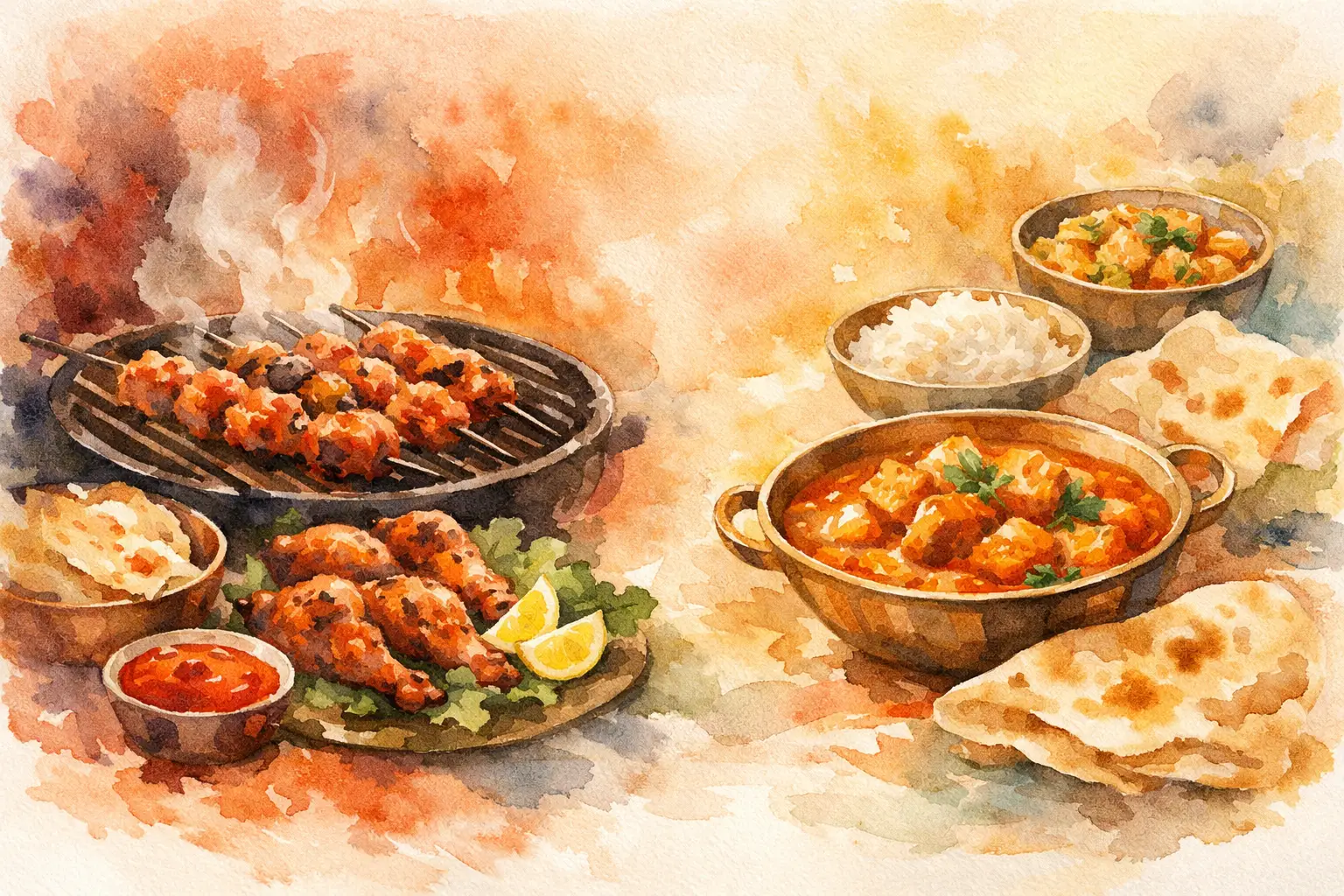
The smartest order is not always one or the other. A lot of the time, the best meal combines a tandoori dish with a curry for the table. The grilled item brings char and structure. The curry brings warmth and richness. Together, they create balance.
That is also a good strategy if you are ordering for two people with different preferences. One person may want the brightness of grilled paneer or chicken tikka, while the other wants the comfort of a classic curry. Shared rice, bread, and a fresh side tie it together without making the meal feel repetitive.
At restaurants that prioritize made-to-order cooking and fresher preparation, this mix can be especially rewarding because each dish keeps its own personality.
So if you are stuck on tandoori grill vs curry, stop looking for a winner. Think about the kind of meal you want tonight. If you are craving smoke, texture, and a lighter finish, choose the grill. If you want comfort, sauce, and slow-building depth, choose curry. And if you want the most satisfying table of all, order one of each and let the contrast do the work.