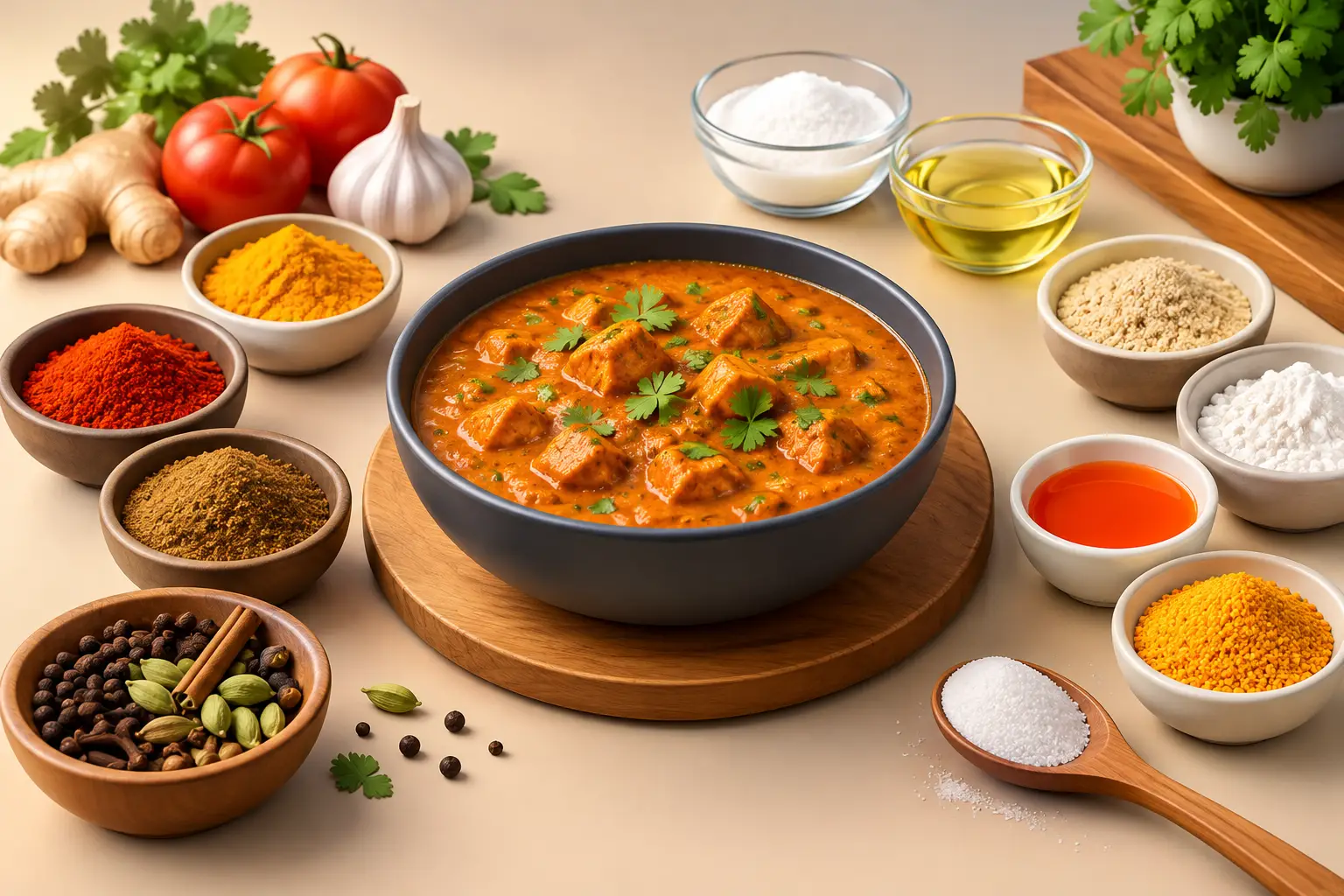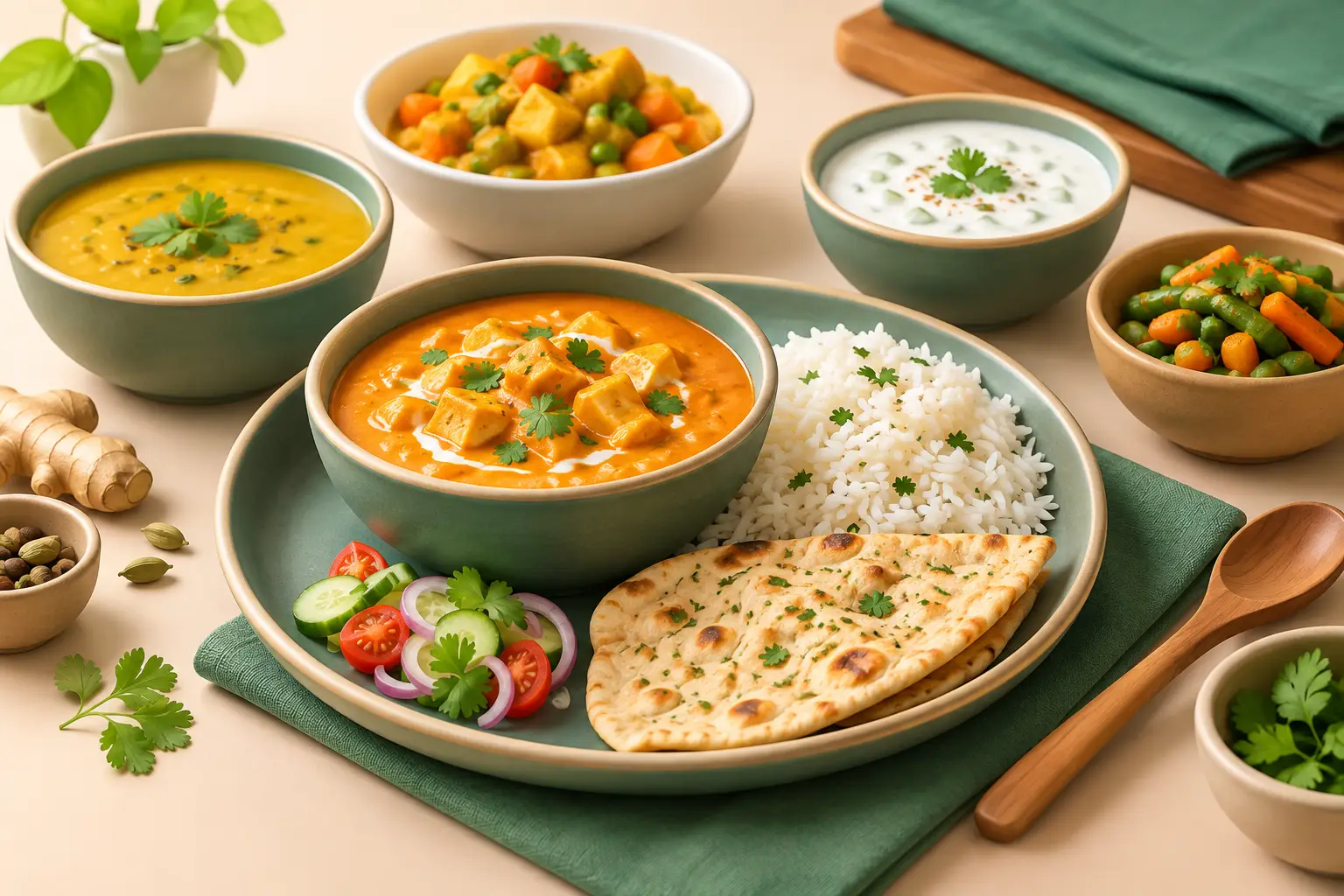

A sustainable ingredient sourcing restaurant is built on decisions guests may not see, but can often taste. The brightness of fresh cilantro, the tenderness of responsibly selected chicken, the depth of whole spices, and the balance of a made-to-order curry all begin long before a plate reaches the table.
For modern Indian dining, sourcing with care is not a marketing extra. It is part of serving food that feels fresher, lighter, and more dependable, whether you are joining us for dinner in Putney or ordering a family meal at home. Thoughtful sourcing supports better flavor, stronger supplier relationships, less unnecessary waste, and a menu that respects both tradition and the expectations of today’s diners.
Sustainable ingredient sourcing starts with better questions
Sustainability is often reduced to one simple idea: local food. Local can be valuable, especially for produce that is at its best when picked close to service. But a responsible restaurant has to look further. Some of the ingredients that give Indian cuisine its character, including cumin, cardamom, turmeric, black pepper, and basmati rice, are grown in regions where climate, soil, and generations of expertise create flavors that cannot be easily replicated nearby.
The better question is not whether every ingredient comes from the shortest possible distance. It is whether each ingredient is being chosen with care. That means understanding how it was grown or raised, how it traveled, how consistently it arrives, and whether the supplier can provide quality without compromising on standards.
For a restaurant, sustainable sourcing may include seasonal vegetables from trusted growers, high-welfare meat and poultry, traceable seafood where available, responsibly produced pantry staples, and spices bought through suppliers that value long-term producer relationships. Each choice has a different set of trade-offs. A nearby farm may offer exceptional greens in season but not the year-round volume needed for a busy service. An imported spice may travel farther, yet deliver more authentic flavor and support the communities that cultivate it.
The goal is not perfection on a menu. It is progress, transparency, and a willingness to make the better choice whenever it is practical and meaningful.
Why freshness matters as much as food miles
Freshness is one of the most immediate forms of sustainability a guest can experience. Ingredients that are handled well, delivered regularly, and prepared to order are less likely to be wasted and more likely to retain their natural flavor. A crisp salad, a fragrant vegetable curry, or a tandoori dish with a clean char should taste like the ingredients were given proper attention, not hidden under excess oil or heavy sauces.
This matters especially in Indian cooking, where flavor is layered rather than rushed. Fresh ginger and garlic create a different foundation from pre-prepared pastes. Whole spices toasted carefully provide warmth and aroma that powdered blends cannot always match. Tomatoes, onions, herbs, lentils, and vegetables need to be selected for their condition, not simply their price.
At Cilantro London, the idea is simple: authentic Indian food can be deeply satisfying without feeling overly heavy. Responsible ingredient choices support that approach. When the raw ingredients are good, a kitchen can rely on technique, spice balance, and traditional recipes rather than masking shortcomings with grease, sugar, or salt.
A sustainable ingredient sourcing restaurant reduces waste in the kitchen
Sourcing is only half the story. Even the most carefully selected ingredient loses its value if it is poorly stored, over-ordered, or discarded unnecessarily. A well-run restaurant connects purchasing decisions to real demand, from busy weekend dine-in service to quieter weekday delivery orders.
Made-to-order cooking is particularly useful here. It helps a kitchen prepare dishes according to the guest’s preference while avoiding trays of finished food waiting under heat. It also allows greater flexibility for vegetarian, vegan, and gluten-free requests. Instead of treating dietary needs as an afterthought, the kitchen can plan ingredients and preparation methods with clearer purpose.
Waste reduction also happens through careful menu design. Ingredients that work across several dishes can be ordered more intelligently and used more fully, as long as the menu remains varied and each dish keeps its own identity. Fresh herbs may finish a curry, brighten a salad, and add lift to a tandoori starter. Slow-cooked sauces and stocks can make use of trim that would otherwise be discarded, provided food safety and quality are never compromised.
Portion control matters, too. Generous food should not mean oversized plates that leave guests uncomfortable or result in avoidable waste. The right portion depends on the dish, the occasion, and the customer. A lighter lunch, a shared dinner, and a celebratory feast do not need to be served in the same way.
Responsible sourcing protects authentic flavor
There is a misconception that sustainability requires a restaurant to make its food less traditional. In reality, sourcing with more care can strengthen authenticity. It asks chefs and buyers to pay closer attention to where signature ingredients come from, how they are produced, and what makes them worth using.
Take basmati rice. Its aroma, length, and texture are central to a well-made biryani. Choosing a quality supply is not just a technical detail. It affects the final dish, how well the rice absorbs spices, and how satisfying each serving feels. The same is true for lentils, dairy, fresh chilies, and spice blends.
A restaurant should avoid making broad promises it cannot verify. Terms such as ethical, organic, local, and sustainable have specific meanings and can vary from supplier to supplier. Trust is built by being honest about what is known, continuing to ask suppliers the right questions, and making improvements without pretending every ingredient has a simple story.
For guests, this approach brings reassurance. You can enjoy the richness of Indian cuisine while knowing the restaurant is paying attention to the quality and care behind the food.
What guests can look for on a thoughtful menu
You do not need a supply-chain report to make a more considered dining choice. Start with a menu that communicates confidence through the food itself. Seasonal vegetables, a clear range of plant-based options, balanced grilled dishes, freshly prepared breads, and dishes that do not rely on excess oil are all encouraging signs.
It is also worth looking for restaurants that can explain how they accommodate dietary needs. A vegetarian or vegan dish should feel complete, not like a last-minute substitution. Gluten-free options should be handled with care, including clear communication about ingredients and kitchen procedures where needed.
Convenience should not mean lower expectations. Whether you are planning a relaxed meal with friends, ordering dinner after a long day, or arranging food for the family, you deserve ingredients that are treated with the same respect as a dine-in plate. Good sourcing supports that consistency across every occasion.
Better choices are built over time
A restaurant’s purchasing decisions are rarely fixed forever. Seasons change, suppliers develop, availability shifts, and a kitchen learns where it can improve. Responsible sourcing is an ongoing commitment to asking more of ingredients and the people who provide them, while still delivering the flavor, value, and reliability guests expect.
The next time you choose Indian food, look beyond the menu description for the care behind it. Freshness, balance, thoughtful preparation, and a willingness to source responsibly can turn a familiar favorite into a meal that feels good in every sense.