A great gathering often begins before anyone has settled into a seat. The scent of cumin, the first crisp bite of a samosa, and a bright chutney passed around the table can set a far more memorable tone than a bowl of ordinary snacks. Indian party starters bring that sense of generosity to any occasion, whether you are hosting family, planning a casual birthday dinner, or putting together food for friends after work.
The best starters do more than fill time before the main course. They offer contrast: warm and cool, crunchy and tender, gently spiced and refreshingly tangy. With thoughtful choices, they can feel celebratory without leaving guests too full to enjoy the meal ahead.
What Makes Indian Party Starters Work So Well?
Indian cooking is built around layers of flavor, which makes it especially suited to sharing. A small plate can carry aromatic spices, fresh herbs, a touch of heat, and acidity from lemon, tamarind, or yogurt. Each bite feels complete, even when it is only a few mouthfuls.
For hosts, variety is equally valuable. A balanced starter spread can easily welcome meat eaters, vegetarians, vegans, and guests who prefer gluten-free options. Rather than preparing separate food for everyone, choose dishes that naturally offer different textures and dietary choices. A platter with grilled items, vegetable bites, crisp pastry, and a fresh salad-style dish looks generous and gives everyone a place to begin.
There is also a practical advantage. Many Indian starters are designed to be shared and eaten without a formal place setting. That makes them a natural fit for relaxed hosting, office gatherings, and family celebrations where people may be standing, talking, and helping themselves.
Build a Balanced Indian Party Starter Spread
A successful table does not need every possible snack. It needs a clear mix of flavors and temperatures. Start with one or two hot, crisp choices, add a grilled option, include something fresh, and finish with sauces that invite guests to try a little of everything.
Start with a familiar crisp favorite
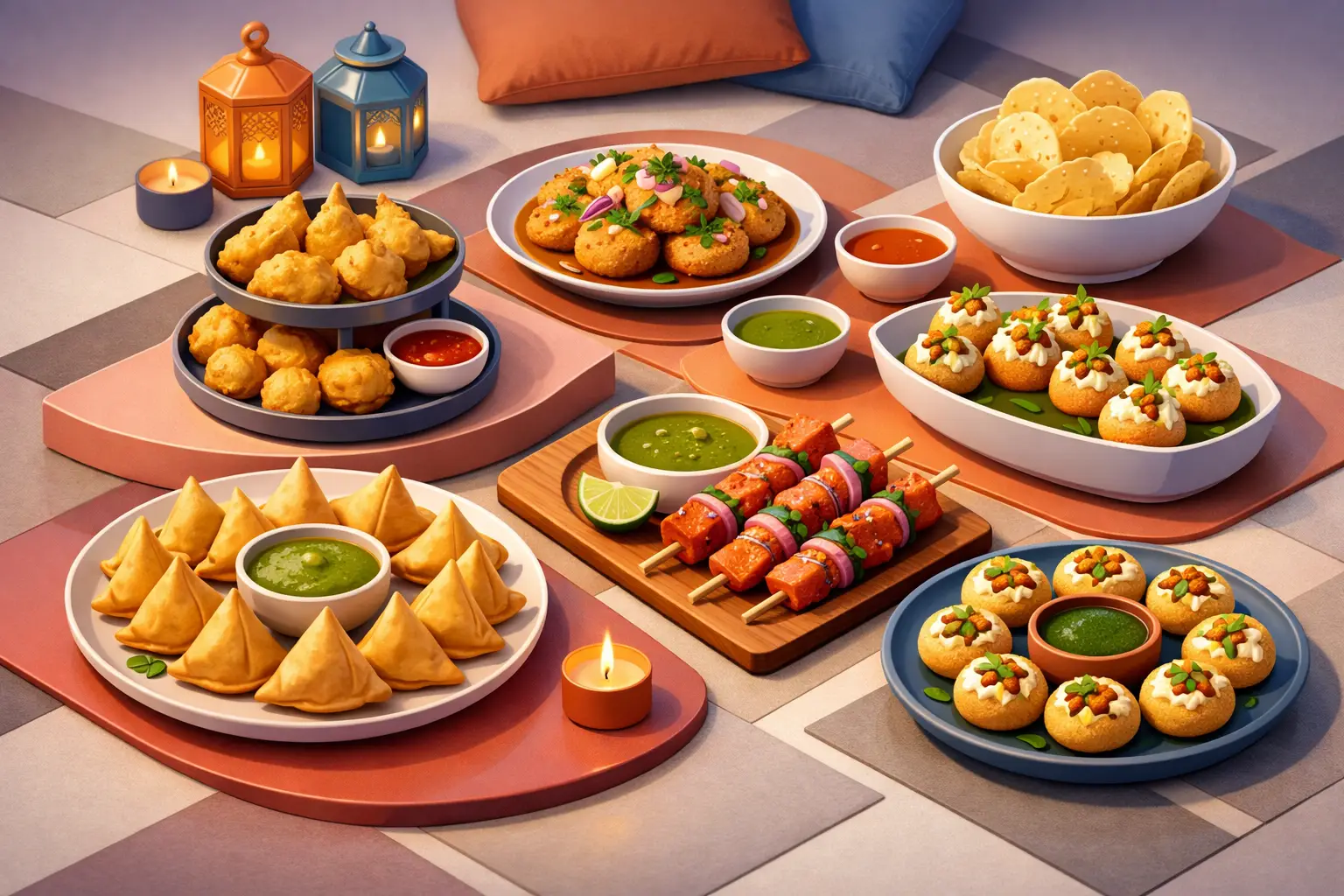
Samosas remain a party classic for good reason. Their golden, flaky exterior and warmly spiced filling make them instantly recognizable, while mint chutney or tamarind sauce adds a welcome sharpness. Vegetable samosas are particularly useful when your guest list includes different diets, and they offer the satisfying comfort people expect from a celebratory snack.
Onion bhajis serve a similar role, but with a lighter, more irregular crunch. When made well, they should be crisp at the edges and tender in the middle, scented with onion, herbs, and spice rather than heavy with oil. They are ideal for a casual table, especially alongside cooling yogurt or bright green chutney.
The trade-off with fried starters is timing. They are at their best when freshly cooked, so do not rely on too many dishes that need to arrive piping hot at exactly the same moment. Choose one fried centerpiece and support it with items that hold their quality more easily.
Add smoky flavor from the tandoor
Tandoori starters bring color, aroma, and a more substantial feel to the spread. Chicken tikka, marinated with yogurt, ginger, garlic, and warming spices, has charred edges and a tender center that feels special without being overly rich. It is easy to portion, simple to share, and often one of the first plates to disappear.
For a vegetarian alternative, paneer tikka offers the same appeal. The paneer becomes beautifully bronzed on the outside while staying soft within, and peppers and onions add sweetness and color. A well-balanced marinade gives it depth without masking the dairy’s mild flavor.
If you are serving both chicken and paneer, keep the accompaniments consistent. A fresh herb chutney, sliced red onion, and lemon wedges make both plates feel connected, while allowing each guest to choose their preference.
Include something fresh and bright
A party menu needs relief from heat and richness. Chaat-style dishes can provide it, but they require a little planning. The appeal of chaat is its contrast: potatoes or chickpeas, cooling yogurt, tangy tamarind, fresh cilantro, and a final crunch. It is lively, colorful, and especially welcome when you want the table to feel less formal.
For easier serving, consider a chickpea chaat or a lightly dressed salad with cucumber, tomato, red onion, lemon, and herbs. These choices bring freshness without demanding last-minute assembly for every guest. They also make the overall spread feel lighter, which matters when a curry, biryani, or other generous main course is still to come.
Choose Portions Based on the Occasion
The right amount depends on whether starters are a welcome bite or the main event. For a seated dinner with a full meal to follow, plan around three to five pieces per person, plus a fresh dish for sharing. If you are hosting a drinks-led evening or an open-house celebration, the food needs to carry more of the occasion. Offer closer to six to eight pieces per person across several choices, and replenish in smaller batches so everything remains appealing.
Children and guests who are less familiar with Indian food often appreciate recognizable textures. Mild chicken tikka, paneer, samosas, and simple naan pieces with dips are safe, satisfying additions. More adventurous flavors, such as spicy chili preparations or assertive chaat, can sit alongside them rather than becoming the only options.
It is worth asking about allergies and dietary needs before ordering. Vegetarian, vegan, and gluten-free food can be a genuine part of Indian dining, but individual dishes and sauces vary. Confirming ingredients and preparation in advance helps every guest relax and enjoy the table with confidence.
Make the Table Feel Generous, Not Overcrowded
Presentation does not require complicated styling. Use wide plates or sharing boards, place sauces in small bowls, and bring out food in waves rather than putting every dish down at once. The first round might include samosas, bhajis, and chutneys. Once guests have arrived and conversation is flowing, serve the tandoori dishes and fresh chaat.
Color does much of the work for you. Green mint chutney, deep brown tamarind sauce, red onion, lemon, and cilantro turn even a simple spread into something inviting. Keep napkins close by, offer small plates, and include serving tongs or spoons for dishes with sauce. These small details make a home gathering feel cared for rather than overly formal.
Drinks should refresh the palate rather than compete with the food. Sparkling water with lime, mango lassi, a light beer, or a crisp white wine can work well, depending on the occasion and the spice level. If you are serving particularly hot dishes, make sure there is a cooling option on the table too.
When Takeaway Is the Smart Hosting Choice
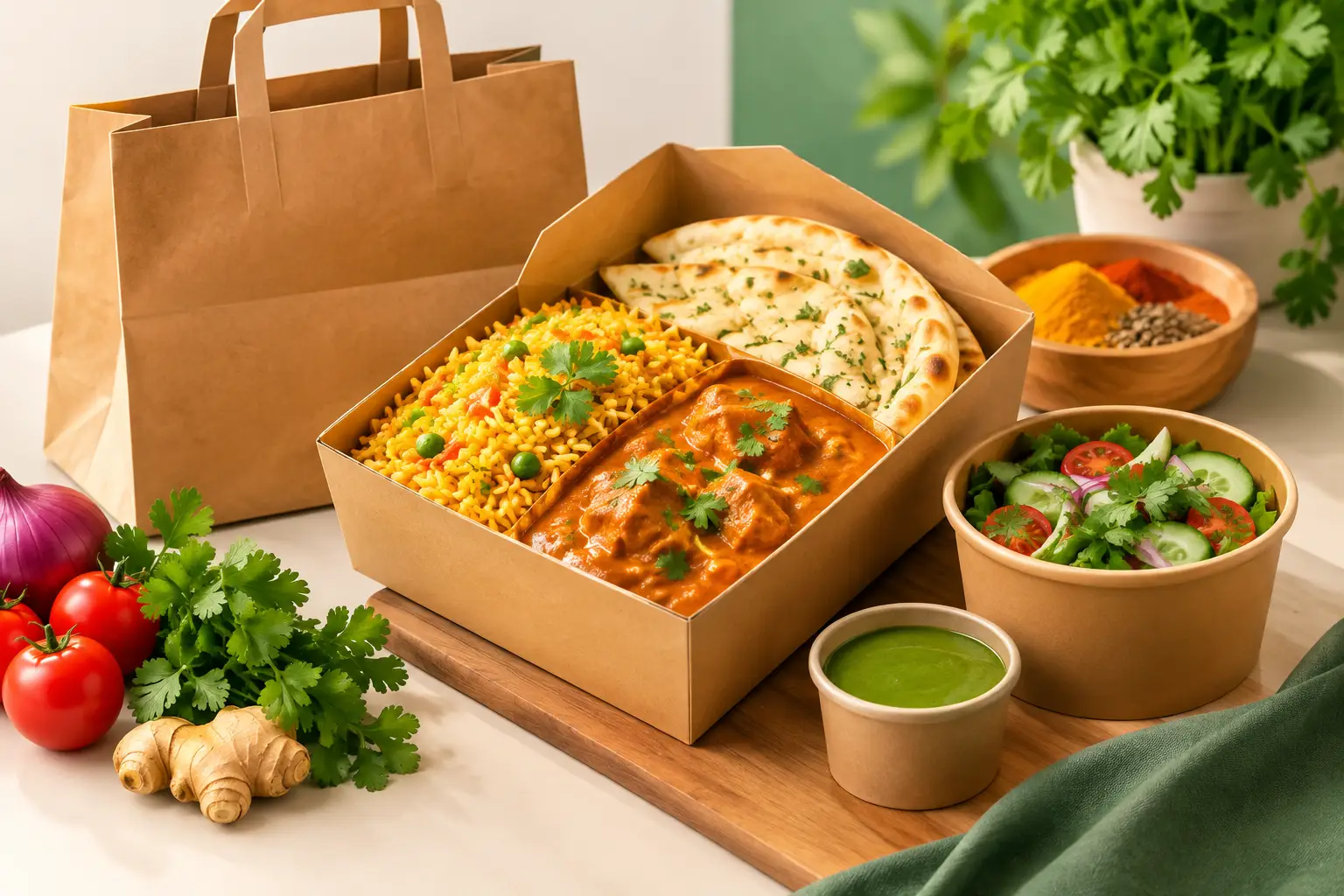
Cooking for a crowd can be enjoyable, but it can also keep the host in the kitchen while everyone else catches up. Ordering starters from a trusted local Indian restaurant gives you more time with your guests and more consistency on the plate. The key is to choose items that travel well and arrange delivery or collection close to serving time.
For celebrations in Putney, Roehampton, Barnes, Richmond, or nearby neighborhoods, Cilantro London offers an appealing option when you want authentic Indian flavors prepared with care and a lighter touch. Choose a mix of crisp starters, tandoori favorites, and vegetable dishes, then add your own plates, chutneys, and finishing touches at home.
The most memorable party food is not necessarily the most complicated. It is food that arrives warm, looks inviting, and makes each guest feel considered. Choose a few Indian starters with real contrast, serve them at the right pace, and give yourself permission to step away from the kitchen and enjoy the celebration too.