A good vegetarian Indian meal should feel abundant, not like a compromise made between side dishes. Knowing how to order Indian for vegetarians means looking beyond the word “vegetable” on a menu and choosing dishes that balance spice, texture, protein, and freshness. Whether you are planning a quiet dinner at home, feeding the family, or ordering for friends with different dietary needs, Indian cuisine offers far more than one default curry.
Start With the Vegetarian Favorites You Actually Want to Eat
Indian cooking has a long and varied vegetarian tradition, so the strongest choices are often dishes designed around vegetables, lentils, beans, or paneer from the start. These are not meat dishes with an ingredient removed. They are complete recipes with their own character, sauces, and seasoning.
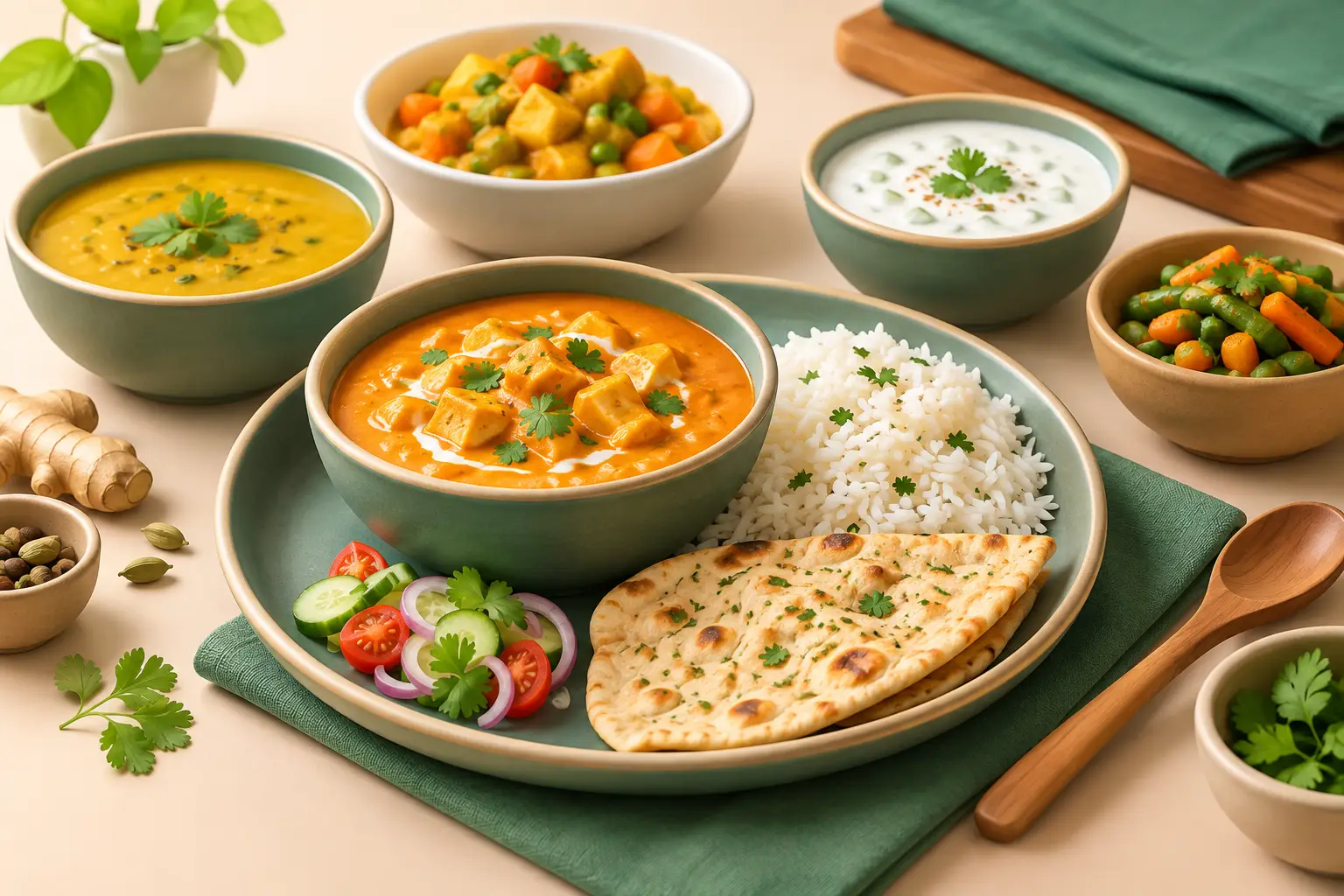
Dal is one of the most dependable places to begin. Made with lentils, dal can be comforting and deeply satisfying without feeling overly rich. A well-made dal has warmth from spices, gentle depth from slow-cooked aromatics, and enough body to make a meal feel substantial. It pairs beautifully with rice or warm bread, but it can also be the calm, nourishing counterpoint to a brighter vegetable dish.
Chana masala, made with chickpeas, is another excellent choice when you want more texture and plant-based protein. The chickpeas hold their shape in a tangy, spiced tomato-based sauce, making the dish hearty enough for a main course. Rajma, a kidney bean curry, offers a similarly satisfying option when it is available.
For vegetable-led dishes, look for choices such as aloo gobi, which combines potatoes and cauliflower; bhindi, made with okra; or mixed vegetable curries prepared with seasonal vegetables. These dishes vary greatly from restaurant to restaurant. Ask whether the vegetables are cooked to retain their texture and whether the sauce is light and tomato-forward or richer and creamier. Neither is inherently better – it depends on the kind of meal you want.
Paneer is the classic choice for vegetarians who eat dairy. This fresh Indian cheese is mild, satisfying, and especially good at carrying smoky, spicy, or tangy flavors. Paneer tikka offers char from the tandoor, while paneer dishes in tomato, spinach, or onion-based sauces make a more comforting centerpiece. Because paneer is filling, it is often best balanced with a vegetable side or lentil dish rather than another heavy curry.
How to Order Indian for Vegetarians Without Guesswork
The easiest way to place a confident order is to decide what role each dish will play. Choose one hearty main, one vegetable dish with a different flavor profile, and a rice or bread option. This creates contrast without turning the table into a collection of similar sauces.
For example, chana masala and a dry-style vegetable dish can work well together because one is saucy and substantial while the other brings a different texture. Paneer tikka with dal and a fresh salad is another balanced combination, especially if you prefer food that feels lighter than a traditional, cream-heavy takeaway order.
If you are ordering for two, two mains plus rice and bread are usually more enjoyable than ordering three rich curries. If you are feeding a group, include at least one lentil or chickpea dish, one paneer dish, one vegetable dish, and enough plain rice for everyone. That approach gives dairy-free vegetarians and people who prefer milder food more options at the table.
Do not assume every side is vegetarian. Some restaurants use ghee, yogurt, cream, or meat-based stock in dishes that appear vegetable-forward. A thoughtful restaurant will be happy to explain how a dish is prepared and flag any ingredient that does not suit your needs.
Ask the Right Questions About Dairy and Vegan Choices
Vegetarian and vegan are not interchangeable in Indian food. Paneer, ghee, yogurt, cream, and butter are used widely and deliciously, but they matter if you are avoiding dairy.
When ordering vegan, ask specifically whether the curry contains dairy rather than asking only whether it is vegetarian. A vegetable curry may be vegetarian but finished with cream. Dal may be made with ghee. Even breads can contain yogurt, milk, or butter. Plain basmati rice is often a safe choice, though it is still worth confirming if you have strict dietary requirements.
Vegan diners often do especially well with chickpea, lentil, vegetable, and okra dishes, provided the restaurant can prepare them without ghee or dairy. A tomato-based sauce may be a good option, but ingredients matter more than the sauce’s color. Clear communication is the difference between a meal that merely sounds suitable and one you can enjoy with confidence.
Choose Your Spice Level With the Whole Meal in Mind
Heat is only one part of Indian flavor. A dish can be aromatic, complex, and full of spice without being aggressively hot. If you are unsure, a medium spice level is often a sensible starting point, particularly when ordering several dishes to share.
Think about the balance across the table. If you choose a hot chickpea curry, pair it with cooling rice, a mild dal, or a cucumber-based side if dairy is suitable for your diet. If you prefer gentle heat, ask for mild rather than assuming a creamy sauce will be mild. Some creamy dishes are warmly spiced, while some lighter dishes can have a lively chili kick.
For families, it can be smart to choose one mild, familiar dish such as dal or a vegetable curry, then add one more adventurous plate for adults. That keeps dinner welcoming for everyone without flattening the flavors.
Do Not Overlook Tandoor, Rice, and Fresh Sides
A vegetarian order becomes more interesting when you include dishes beyond curries. Tandoor-roasted paneer and vegetables bring a smoky, lightly charred quality that feels especially good alongside sauces and rice. Because they are cooked at high heat rather than submerged in a rich gravy, tandoori dishes can be a lighter choice while still delivering plenty of flavor.
Rice deserves more thought than it usually gets. Fragrant basmati is ideal for enjoying the sauce in dal, chickpea curries, and vegetable mains. Vegetable biryani can be a satisfying centerpiece, but it is worth asking whether it is prepared separately from meat dishes if that is important to you. Biryani is also more filling than plain rice, so pair it with a lighter curry or salad rather than another dense rice-based dish.
Bread is best used to complement, not overwhelm. Naan is soft and satisfying, but it is commonly made with dairy. Roti or chapati may be a lighter option, though recipes differ. If your meal already includes rice, one shared bread can be enough for two people. This leaves room to enjoy the vegetables and sauces rather than filling up before the best part of the meal.
A crisp salad, cucumber, or citrusy accompaniment can bring needed freshness, particularly with richer paneer dishes. At Cilantro London, the goal is to make those contrasts feel intentional: authentic spice and traditional recipes, prepared with care so your meal tastes vibrant rather than heavy.
Build a Better Vegetarian Takeaway Order
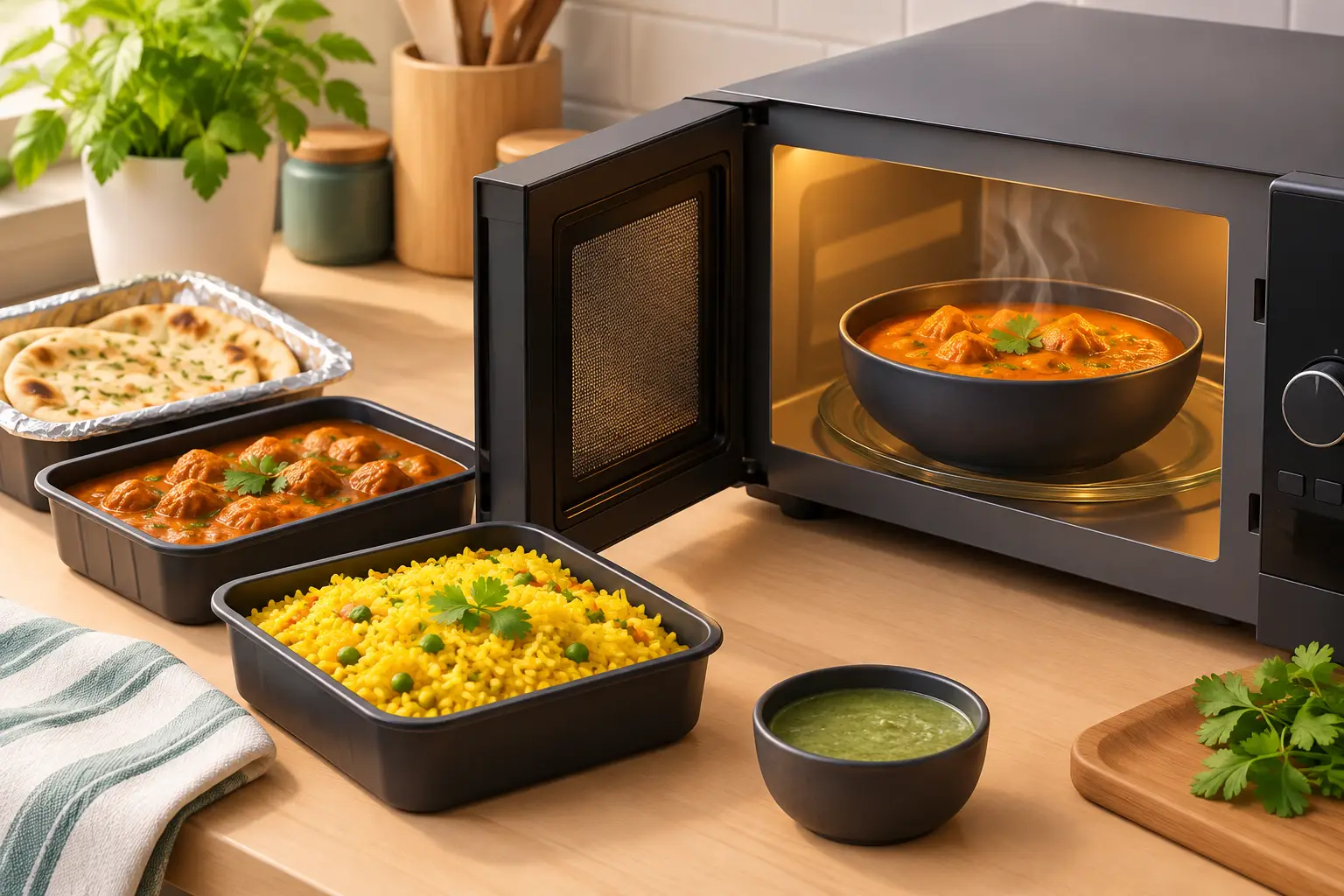
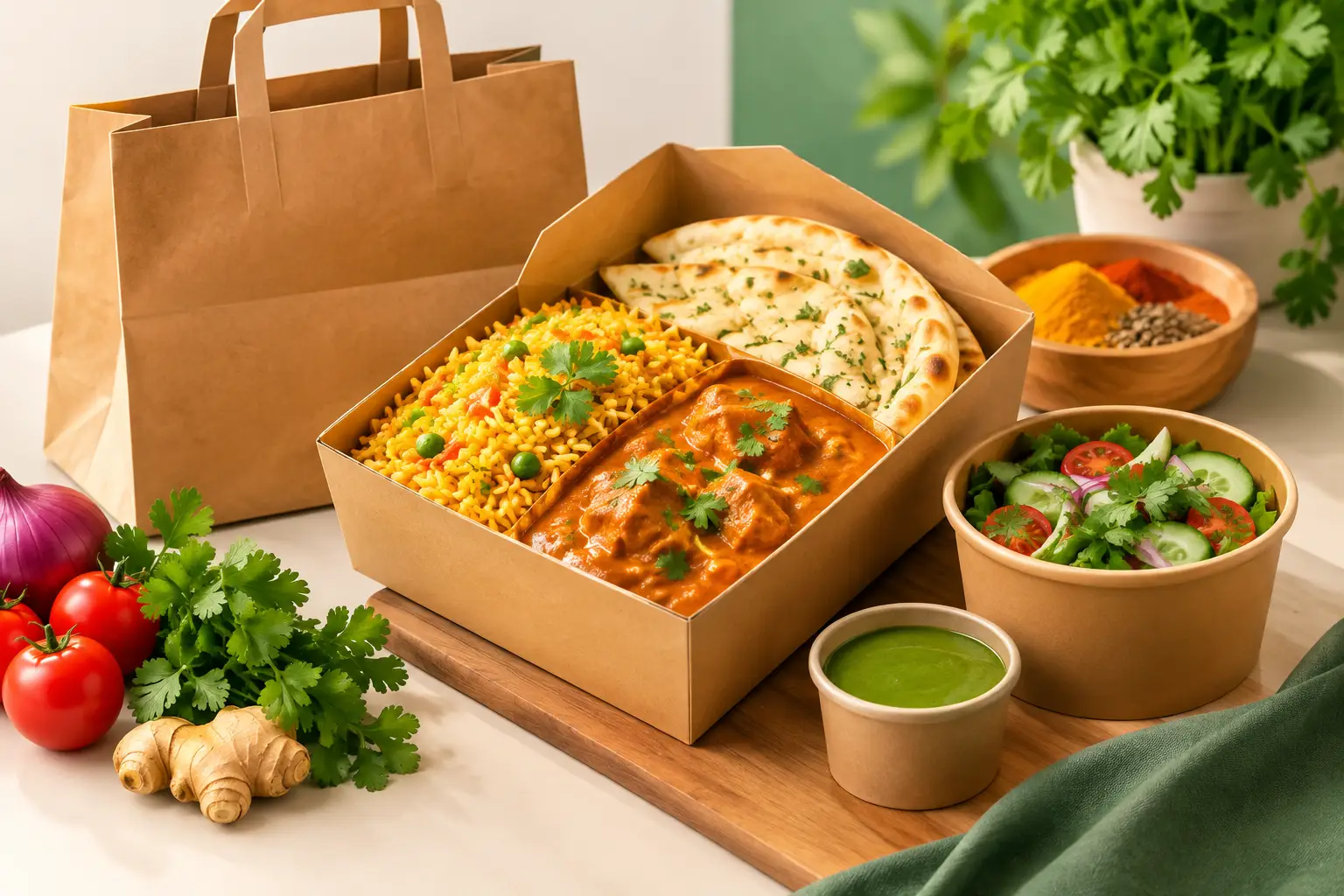
Takeaway can make it tempting to order every familiar favorite, but a more considered selection travels better and feels better after dinner. Saucy dishes such as dal and chana masala generally hold up well. Tandoori paneer and vegetables can be excellent too, although they are at their best when eaten soon after arrival, while the edges are still charred and fragrant.
If freshness is a priority, avoid making every dish creamy, fried, or bread-based. Choose a mix of lentils, vegetables, and one richer dish you are genuinely excited about. This is where a refined Indian menu can make a real difference: you get the comfort of a curry night with more clarity in the flavors and less of the heaviness that can follow an overly rich order.
For diners in Putney, Barnes, Richmond, and nearby neighborhoods, ordering from a restaurant that takes dietary requests seriously means you can plan dinner around your preferences instead of settling for the only item marked with a green symbol. Mention allergies clearly, specify vegan preparation when needed, and ask about cross-contact if you have a severe allergy.
The most memorable vegetarian Indian meals have contrast: something slow-cooked and comforting, something fresh or smoky, a little heat, and a little calm. Order with that in mind, and your next Indian dinner can feel like a proper occasion, even when it arrives at your door.