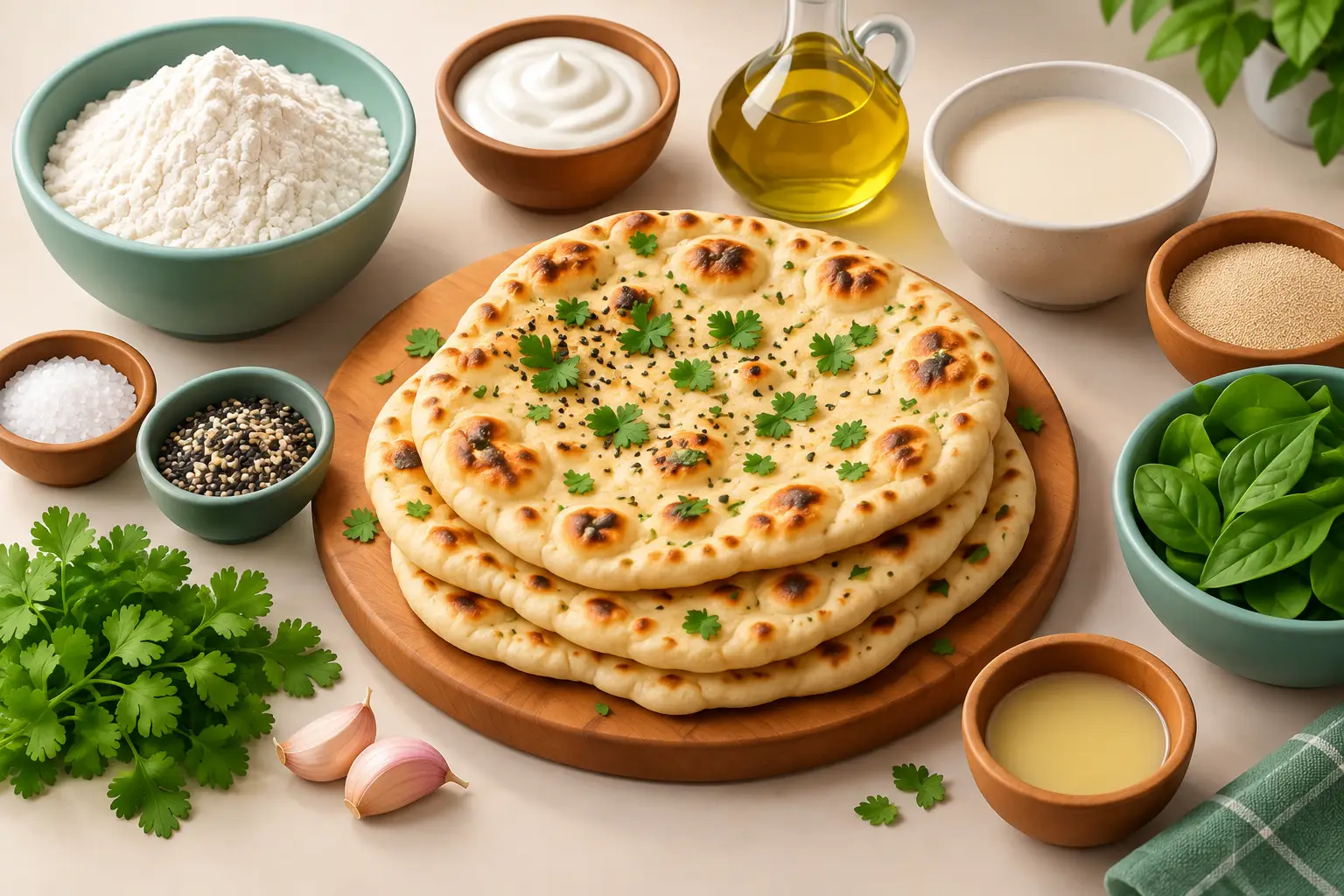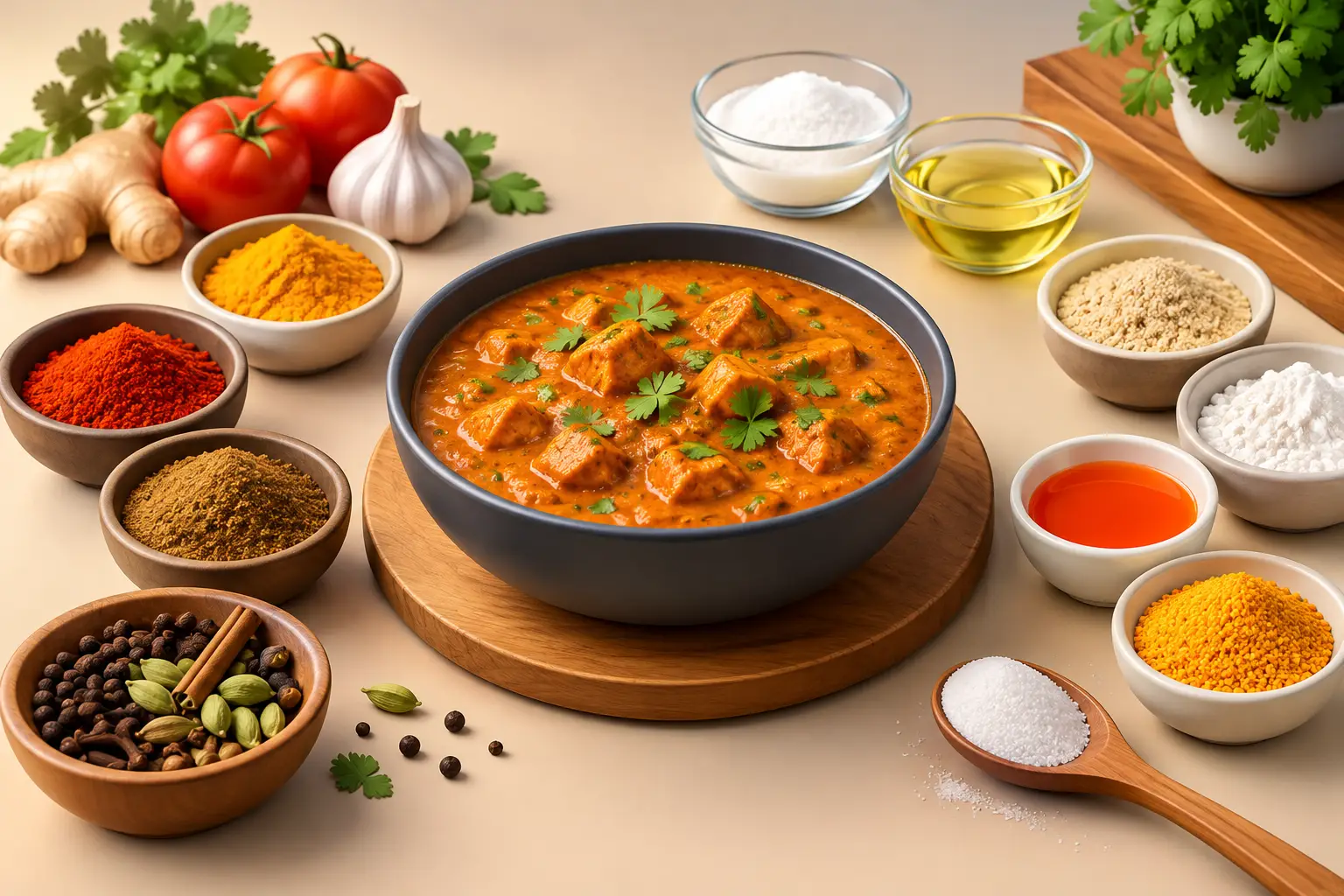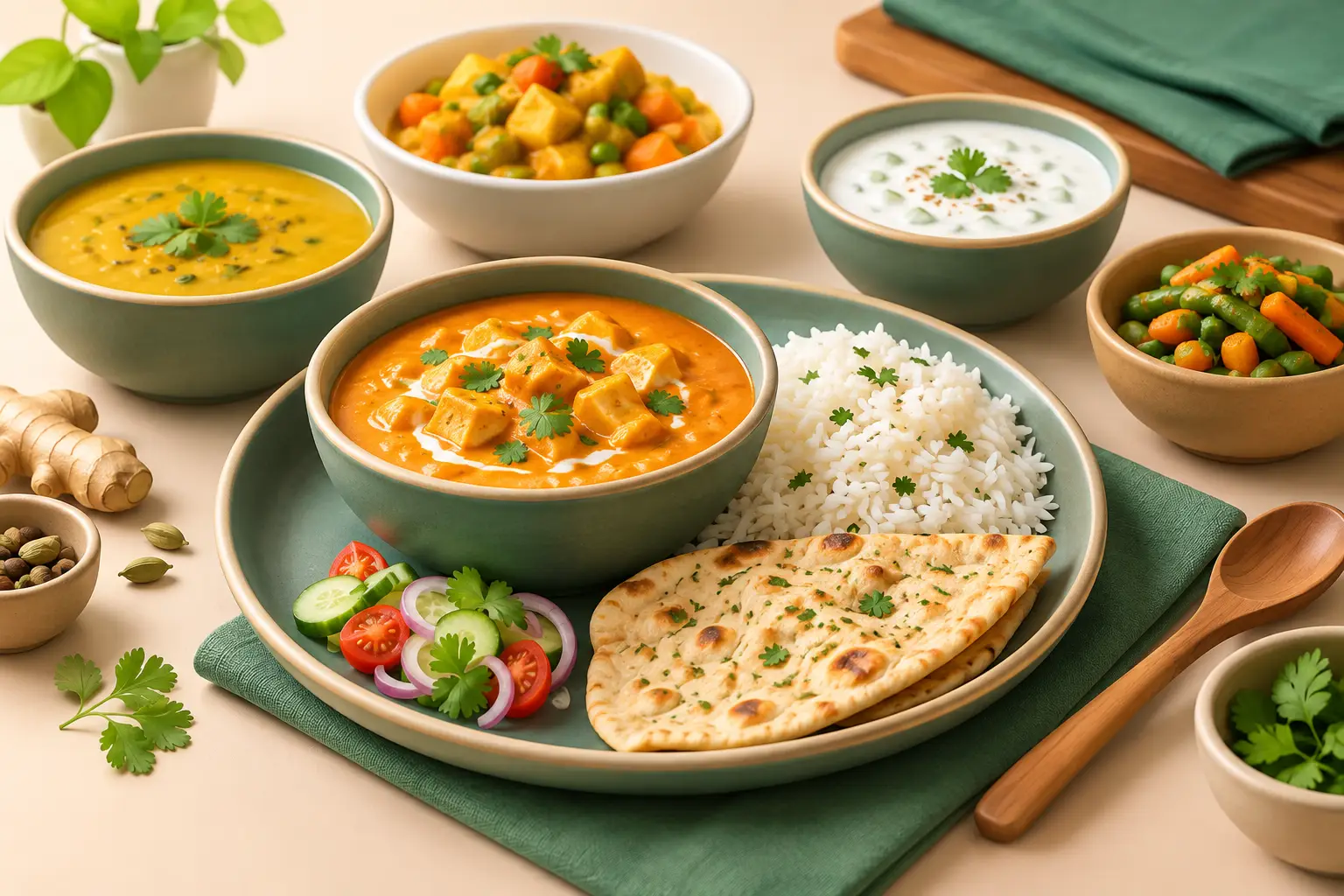
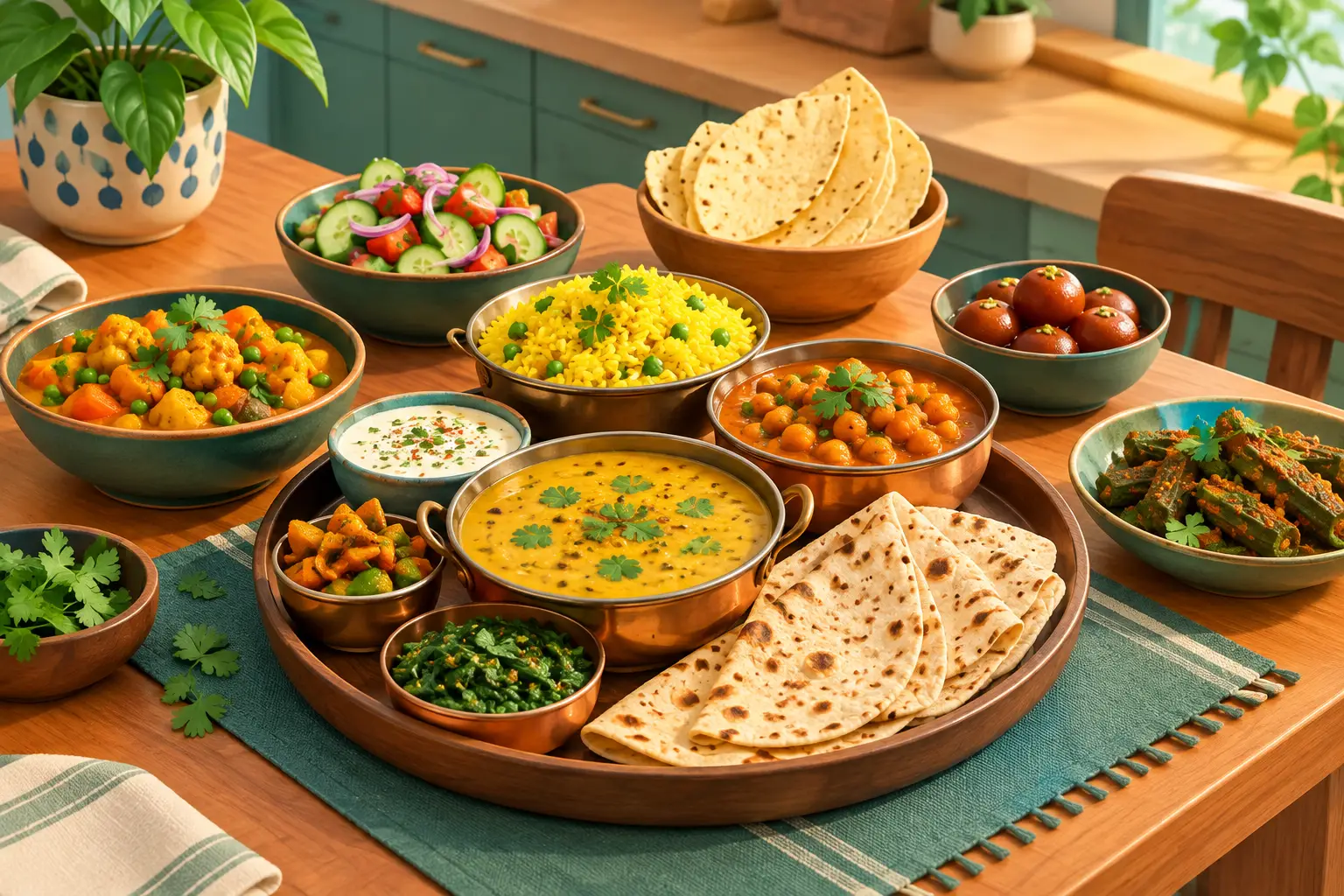
A memorable Indian dinner does not need a table crowded with complicated dishes. To create a vegan Indian feast, choose a few recipes with distinct textures and spice profiles, then serve them generously. Think crisp snacks with chutney, a bright lentil dish, a rich vegetable curry, fragrant rice, and warm bread for scooping every last bit of sauce.
The secret is balance. Indian cooking offers extraordinary variety across its regions, so there is no single menu that defines an Indian feast. For a relaxed meal at home, build around dishes that can be prepared ahead, finished without stress, and enjoyed by everyone at the table, whether they are vegan or simply hungry for fresh, satisfying food.
Start with a menu that feels generous, not overwhelming
A vegan menu can feel wonderfully abundant because pulses, vegetables, rice, herbs, spices, and breads all have a natural place on the table. The aim is not to replace every non-vegan dish. It is to make each plate complete in its own right.
For six people, plan one starter, two substantial mains, a rice dish, one bread, and two accompaniments. This gives guests variety without leaving you tied to the stove while everyone else is enjoying the evening. If you are cooking for a smaller group, one main plus dal and sides is more than enough.
A reliable combination is a crisp starter such as vegetable samosas or onion bhajis, followed by chana masala and a vegetable curry. Add turmeric basmati rice, vegan roti or naan, cucumber salad, and a fresh chutney. The meal has crunch, creaminess, acidity, warmth, and plenty of color.
When choosing dishes, avoid making everything tomato-based or everything creamy. A chickpea curry with a tangy tomato and ginger base sits beautifully alongside a mellow coconut vegetable curry or a smoky eggplant dish. Dal brings a softer, comforting texture, while a salad or pickle cuts through the richness.
Build flavor in layers, not just heat
A great vegan Indian meal should be deeply spiced, but it does not need to be aggressively hot. The most inviting curries have warmth, aroma, and a clear sense of each ingredient. Chili is only one part of the picture.
Start with whole spices in hot oil when the recipe calls for them. Cumin seeds, mustard seeds, cinnamon, cloves, cardamom, and bay leaves release their fragrance quickly. Follow with onion, ginger, and garlic, allowing them to cook patiently until soft and golden. This base gives sauces their rounded depth.
Ground spices need care. Turmeric, coriander, cumin, Kashmiri chili, and garam masala can taste flat or bitter if rushed. Briefly cook them with the aromatics and a small splash of water, tomato, or coconut milk to prevent sticking. Then let the finished dish simmer long enough for the flavors to settle together.
Taste near the end and adjust with salt, lemon, tamarind, or a small pinch of sugar. Acidity is often the missing element in home-cooked curries. A squeeze of lemon over dal or a spoonful of tamarind in chickpeas can make the whole dish taste brighter and more composed.
Make richness vegan by choice, not compromise
Traditional Indian cooking includes many naturally vegan dishes, but dairy can appear in ghee, cream, yogurt, paneer, and some breads. Check every ingredient, especially ready-made curry pastes, naan, and chutneys.
Coconut milk gives a gentle, silky finish to many vegetable curries, though it can dominate delicate spices if used too heavily. Cashew cream creates a fuller restaurant-style texture, but it is richer and not suitable for guests with nut allergies. For a lighter option, blend a small portion of cooked lentils or vegetables into the sauce. It adds body while keeping the flavors clean.
Use a neutral oil, mustard oil where appropriate, or a good vegetable oil in place of ghee. Finish with fresh cilantro, toasted cumin, or a fragrant tempering of garlic and chili rather than trying to recreate dairy richness exactly.
Choose dishes that work together
Chana masala is an excellent centerpiece because it is familiar, filling, and even better after a little resting time. Cook chickpeas with onions, tomatoes, ginger, garlic, coriander, cumin, and amchur or lemon for gentle tang. It has enough character to stand alone but welcomes rice and bread.
For the second main, consider aloo gobi, a dry-style cauliflower and potato dish with turmeric, cumin, tomatoes, and fresh cilantro. It offers a pleasing contrast to a saucier chickpea curry. Eggplant bharta is another strong choice, with roasted eggplant bringing smokiness and softness to the table.
If you would rather serve dal, make it the calm center of the meal. Yellow lentils or red lentils cook quickly and absorb spices beautifully. A final tempering of cumin, garlic, dried chili, and cilantro gives a simple dal its most memorable moment. Pair it with one more vibrant vegetable dish, rather than adding several similarly soft curries.
Rice deserves the same attention as the mains. Rinse basmati until the water runs mostly clear, then cook it with a little salt and, if you like, cumin, cloves, or a strip of lemon peel. Fluff it before serving. A heavy biryani can be spectacular for a celebration, but for a first attempt at a feast, plain fragrant rice lets the curries shine and keeps the meal easier to manage.
How to create a vegan Indian feast without last-minute stress
The best hosts are not constantly checking a pan. Make your feast work around your time, not against it.
The day before, prepare chutneys, chop vegetables, cook chickpeas if using dried, and make any curry that improves with resting. Chana masala, dal, and many tomato-based dishes develop more depth overnight. Store fresh herbs separately so they stay lively for finishing.
On the day, cook rice close to serving time and warm the mains gently. Fry starters shortly before guests arrive if you want the crispest result, but an oven-baked starter is easier when you have limited stovetop space. Warm breads at the last minute, wrapped in a clean towel to hold their softness.
Set the table with serving spoons for every dish, small bowls for chutney and pickles, and plenty of napkins. Indian food is meant to be shared, and a relaxed, family-style spread encourages guests to taste a little of everything. If spice preferences vary, keep extra chili on the side. It is much easier to add heat than to remove it.
For drinks, chilled sparkling water with lime is a fresh, simple choice. Mango lassi is usually dairy-based, but a vegan version made with ripe mango, oat or coconut yogurt, and a pinch of cardamom can work well. Keep it lightly sweet so it refreshes rather than competes with the food.
Do not skip the fresh elements
A feast can become heavy if every component is warm, soft, and richly spiced. Fresh sides create contrast and make the meal feel lighter.
A quick kachumber salad of cucumber, tomato, red onion, cilantro, lemon, and salt takes minutes. Add green chili only if your guests enjoy it. Mint-cilantro chutney brings sharp herbal brightness, while tamarind chutney adds sweet-sour depth. A little mango pickle offers intensity in small spoonfuls, but it can be salty and hot, so treat it as an accent.
For dessert, fresh fruit with cardamom and lime is often enough after a generous meal. If you want something more celebratory, try coconut rice pudding scented with saffron or rosewater. Keep the portion small. The best ending leaves guests comfortable, not overly full.
For hosts in Putney, Roehampton, Barnes, or nearby neighborhoods, there is also value in knowing when to cook and when to let a trusted local kitchen help. A made-to-order vegan curry or a fresh side dish can take pressure off a larger gathering while still giving you the pleasure of setting a thoughtful table. At Cilantro London, vegan-friendly Indian dishes are prepared with the same attention to spice, freshness, and balance as the rest of the menu.
A vegan Indian feast is ultimately an invitation: to pass the rice, tear the warm bread, compare favorite bites, and stay at the table a little longer. Keep the menu focused, season with confidence, and let the bright, generous flavors do the welcoming.